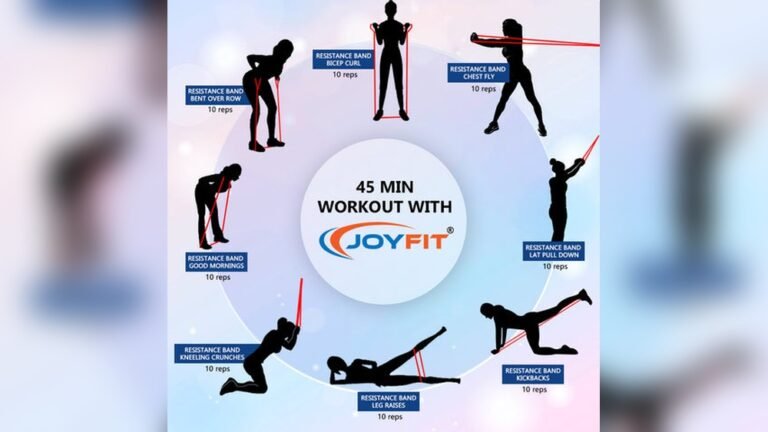
If you’re looking to boost your workouts without bulky equipment, resistance bands are a game-changer. But did you know there are different types designed to target various muscles and fitness goals?
Choosing the right resistance band can make a huge difference in your results. Whether you want to tone your arms, strengthen your legs, or improve flexibility, understanding the types of resistance bands available will help you get the most out of every session.
Keep reading to discover which bands suit your needs and how to pick the perfect set for your fitness journey. Your best workout yet starts here!
Band Types
Resistance bands come in several styles. Each type offers unique benefits and uses. Knowing the band types helps you pick the right one for your workouts. This section explores three common band types. Understanding these helps you train safely and effectively.
Loop Bands
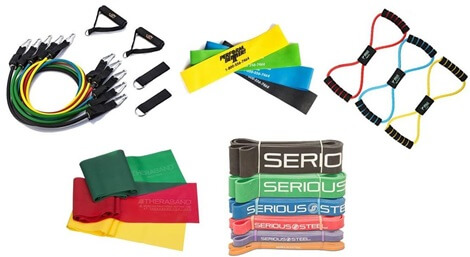
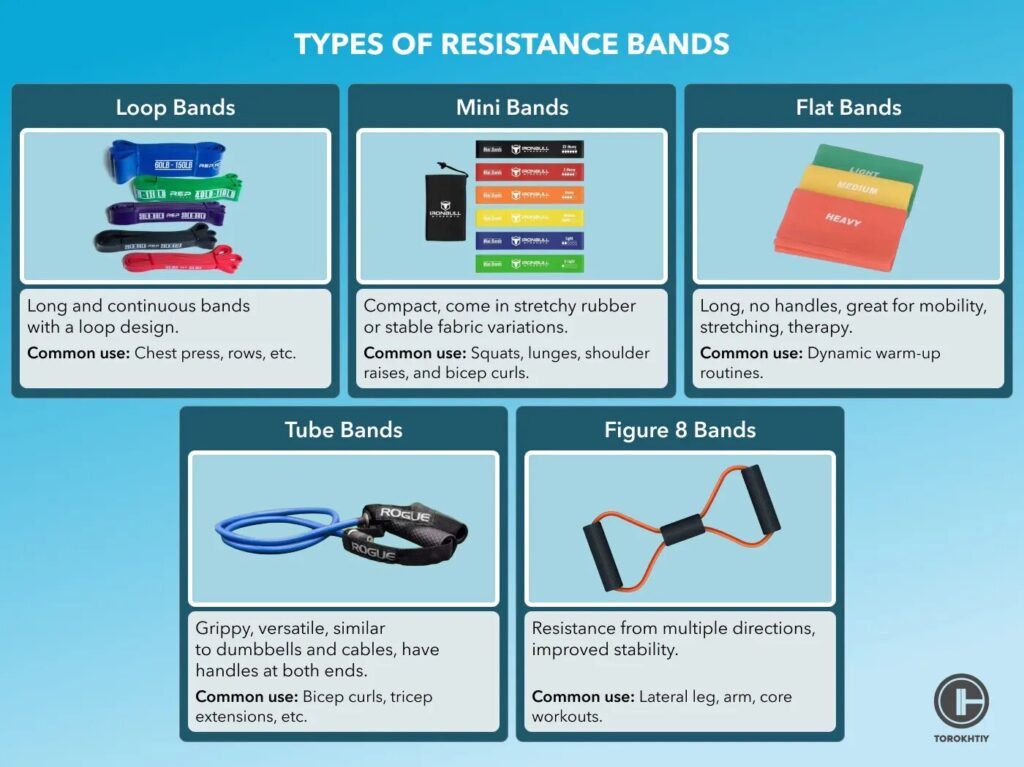
Loop bands are circular and continuous. They fit easily around legs or arms. These bands work well for lower body exercises. They provide steady resistance for squats, lunges, and hip bridges. Loop bands come in various thicknesses. Thicker loops offer more resistance. They are great for muscle strengthening and toning.
Tube Bands
Tube bands are long and hollow with handles. Handles give a firm grip for upper body workouts. These bands simulate weightlifting movements. Tube bands are excellent for arm curls and chest presses. They come in different resistance levels. You can adjust intensity by changing band length or thickness. Tube bands are durable and easy to carry.
Therapy Bands
Therapy bands are flat and lightweight. They often have no handles. These bands focus on gentle stretching and rehab exercises. Therapy bands aid in muscle recovery and flexibility. They come in soft resistance levels, ideal for beginners. Physical therapists use them for injury treatment. Therapy bands help improve joint mobility safely.
Materials
Resistance bands come in various materials, each offering unique benefits. The material affects durability, stretchability, and comfort. Choosing the right material helps improve your workout experience.
Latex Bands
Latex bands are popular for their elasticity and strength. They stretch easily and return to their original shape. These bands are lightweight and perfect for a wide range of exercises. Latex offers great resistance for strength training and rehabilitation. Some people may have allergies to latex, so check before use.
Fabric Bands
Fabric bands are made from woven materials like cotton and polyester. They are thicker and less stretchy than latex bands. Fabric bands provide a comfortable grip and do not roll or snap during use. These bands suit users who want gentle resistance and longer durability. They work well for physical therapy and lower-impact workouts.
Hybrid Bands
Hybrid bands combine latex and fabric to offer the best of both worlds. They provide strong resistance with added comfort and durability. These bands resist snapping and rolling while maintaining flexibility. Hybrid bands are ideal for users who want versatile equipment for varied exercises. They last longer and offer balanced performance.
Resistance Levels
Resistance bands come in various resistance levels to suit different fitness needs. Choosing the right level helps improve strength safely and effectively. Resistance levels range from light to heavy, each serving a unique purpose in workouts.
Light Resistance
Light resistance bands are perfect for beginners. They offer less tension, making exercises easier to perform. These bands help improve form and flexibility. They are great for warm-ups and rehabilitation. Light bands usually come in colors like yellow or red.
Medium Resistance
Medium resistance bands provide moderate tension. They suit people with some workout experience. These bands help build muscle strength and endurance. You can use them for various exercises, including arms and legs. Medium bands often come in green or blue colors.
Heavy Resistance
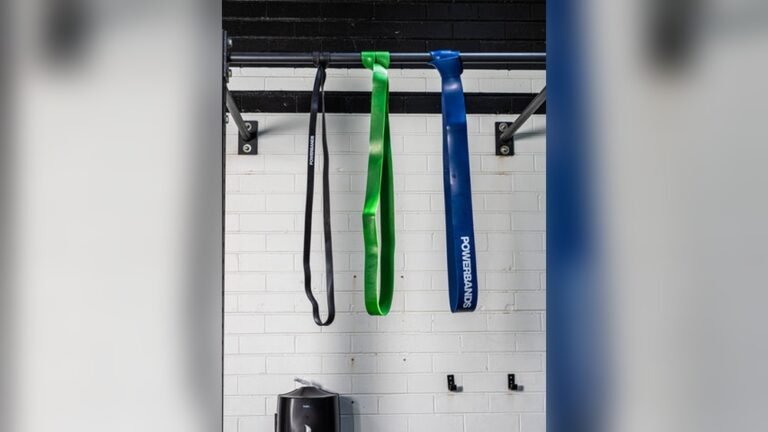
Heavy resistance bands offer high tension for intense workouts. They are ideal for advanced users and strength training. These bands target large muscle groups for powerful results. Heavy bands are usually thicker and come in black or purple. They are perfect for building muscle and improving power.
Band Lengths And Sizes
Resistance bands come in various lengths and sizes. Each size serves a different purpose in workouts. Choosing the right band length can improve your exercise experience. The size you pick depends on your workout type and target muscles.
Mini Bands
Mini bands are short and looped. They fit around your legs or arms easily. These bands are perfect for lower body exercises like glute bridges. They provide light to medium resistance. Mini bands help activate small muscle groups. They are great for warm-ups and physical therapy.
Standard Bands
Standard bands are longer than mini bands. They usually come in a flat or tubular shape. These bands can be used for full-body workouts. You can stretch them to work arms, legs, and core. Standard bands offer a range of resistance levels. They are versatile and suitable for beginners and experts.
Long Bands
Long bands are the longest type available. They often come as flat bands or tubes with handles. Long bands allow for a wide range of motion. They are ideal for stretching and strength training. These bands work well for multiple muscle groups at once. They suit users who want more exercise variety.
Color Coding Systems
Resistance bands come in various strengths, and color coding systems help identify these levels quickly. Colors represent different resistance levels, making it easier to choose the right band for your workout. Understanding these color codes ensures you pick the correct band for your strength and exercise type.
Common Color Codes
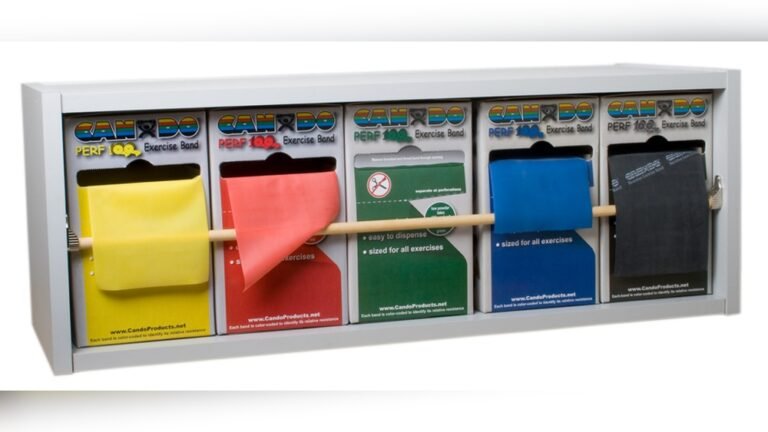
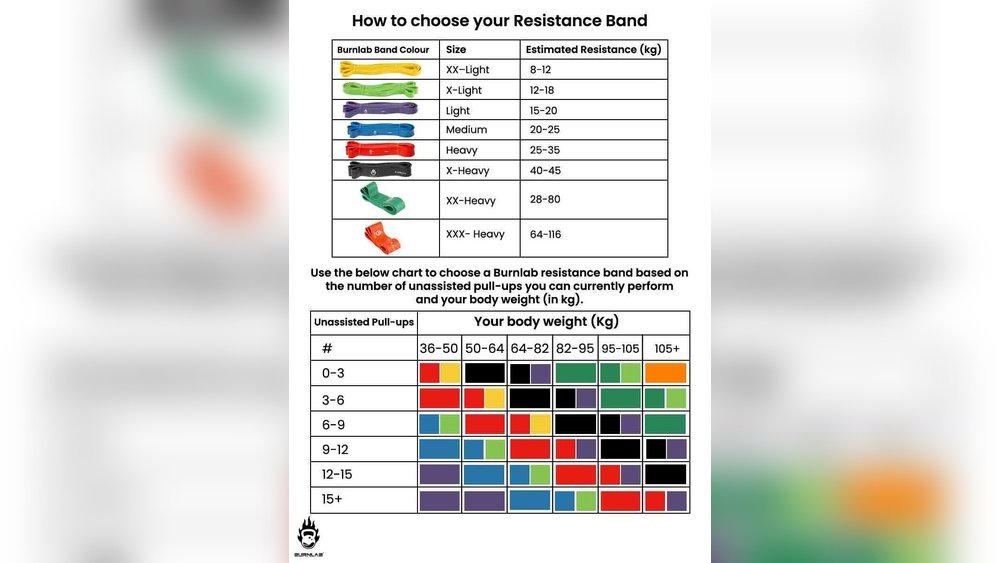
Many resistance bands follow a similar color scheme. Light resistance often starts with yellow or red bands. Medium resistance includes green or blue bands. Heavy resistance typically uses black or purple bands. Extra heavy bands may be brown or gray. These colors help users select the right tension without guessing.
Beginners usually begin with yellow or red bands to build strength safely. Intermediate users often choose green or blue for moderate resistance. Advanced users prefer black or purple for more challenge. Knowing these common codes speeds up your workout preparation.
Brand Variations
Not all brands use the same color codes. Some may label yellow as medium resistance, while others call it light. Certain brands add unique colors like orange or white. The resistance level tied to each color can vary by manufacturer.
Always check the brand’s guide before buying. Some brands print the resistance weight in pounds or kilograms on the band. This helps avoid confusion when colors differ. Understanding brand variations keeps your workout consistent and safe.
Choosing Bands By Muscle Group
Choosing the right resistance bands by muscle group improves workout effectiveness. Different muscles need different band types for the best results. Smaller muscles require lighter bands for control and precision. Larger muscles need heavier bands for more strength and resistance. Full body exercises call for versatile bands that adapt to various movements.
Bands For Small Muscles
Small muscles like those in the arms and shoulders respond well to light resistance bands. These bands offer gentle tension, helping improve muscle tone without strain. They are perfect for exercises targeting the biceps, triceps, and forearms. Thin loop bands or mini bands provide the right amount of resistance and control.
Bands For Large Muscles
Large muscles such as the legs, chest, and back need thicker, stronger resistance bands. These bands produce higher tension to challenge muscles during squats, chest presses, and rows. Heavy-duty resistance bands or power bands suit these workouts. They support strength building and muscle growth effectively.
Full Body Bands
Full body resistance bands are longer and more flexible. They work well for multiple muscle groups in one session. These bands allow stretching, strength training, and mobility exercises. Versatile bands like tube bands with handles help target arms, legs, and core. They fit well into any full body workout routine.
Selecting Bands For Workouts
Selecting the right resistance bands is essential for effective workouts. Different exercises require different levels of tension and band types. Choosing the proper band helps target muscles correctly and prevents injury. Consider the workout goal before picking a band. This guide explains how to select bands for strength training, flexibility exercises, and rehabilitation.
Strength Training
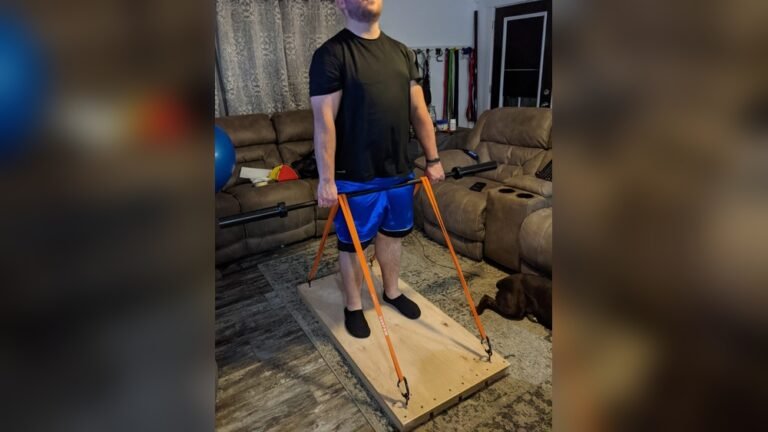
Use thicker bands for strength training. They offer higher resistance for muscle building. Heavy bands work well for large muscle groups like legs and back. Shorter bands provide more tension for arm exercises. Select bands that match your current strength level. Gradually increase resistance to avoid strain. Using a set with varying tensions improves workout variety.
Flexibility Exercises
Choose lighter bands for flexibility workouts. They provide gentle resistance to stretch muscles safely. Longer bands help with full-body stretching and mobility. Soft, elastic bands improve range of motion without overloading muscles. Use bands that allow smooth, controlled movements. This supports better flexibility and reduces tightness.
Rehabilitation
Pick very light bands for rehabilitation exercises. These bands support gentle muscle activation and recovery. Thin, low-resistance bands are ideal for injured or weak muscles. They help rebuild strength without causing pain. Consult a therapist to select the right band for your needs. Progress slowly by increasing resistance as healing improves.
Credit: www.knee-pain-explained.com
Durability And Safety
Durability and safety play a vital role in selecting the right resistance bands. Bands must withstand regular stretching without breaking. Safety ensures users avoid injuries while exercising. Understanding these factors helps users pick bands that last and perform well.
Material Longevity
Resistance bands come in different materials like latex and fabric. Latex bands stretch easily but may wear out faster. Fabric bands resist tears and last longer. Proper storage away from sunlight extends band life. Clean bands regularly to remove sweat and dirt. Durable materials keep the bands reliable for many workouts.
Avoiding Snaps And Rolls
Snapping occurs when a band is overstretched or damaged. Check bands for cracks or thin spots before each use. Rolling happens when fabric bands twist during exercise. Use bands that lie flat to prevent rolling. Avoid sharp edges or rough surfaces that can cut bands. Safe use and careful handling reduce the risk of accidents.
Buying Tips
Choosing the right resistance bands can improve your workouts and prevent injuries. Proper buying tips help you select bands that match your needs and fitness level. Consider different options and quality signs before making a purchase.
Buying Sets Vs Single Bands
Sets offer various resistance levels for diverse workouts. They let you increase difficulty as you get stronger. Single bands suit focused exercises or replacing one worn-out band. Sets provide better value and flexibility for most users. Choose singles only if you need a specific resistance or size.
Quality Indicators
Check the material for durability and elasticity. Natural latex bands last longer and stretch well. Avoid cheap bands that snap or lose shape quickly. Look for smooth edges and strong welds at connection points. Color coding helps identify resistance levels easily. Read reviews to confirm consistent quality before buying.

Credit: www.przewozcm.eu
Credit: www.esseg.eu
Frequently Asked Questions
What Are The Three Types Of Resistance Bands?
The three types of resistance bands are loop bands, tube bands, and therapy bands. Loop bands are circular and short. Tube bands have handles and are versatile. Therapy bands are flat and used for rehabilitation and stretching.
What Type Of Resistance Band Should I Use?
Choose resistance bands based on your strength and goals. Use lighter bands for small muscles and beginners. Select thicker, longer bands for larger muscles and full-body exercises. Buy a set with varied resistance levels and types, like loop or tube bands.
Opt for fabric for durability or latex for versatility.
Which Are The Best Resistance Bands?
The best resistance bands come in sets with varied tensions, made from durable latex or fabric. Choose loop bands for legs and long tube bands for full-body exercises. Select resistance based on muscle size and workout type for optimal results.
What Is The Difference Between Resistance Band And Theraband?
Resistance bands are generic elastic exercise tools. Theraband is a popular brand of resistance bands with color-coded tension levels for rehab and fitness.
Conclusion
Resistance bands come in many types to fit different needs. Choose bands by size, resistance, and material. Start with lighter bands to learn proper form. Use loop bands for legs and longer tube bands for full-body workouts. Different colors show different strengths, but check brand details.
Having a set helps target various muscles effectively. With the right bands, workouts become more flexible and varied. Find what works best and enjoy your fitness journey.

I am a certified fitness coach with over 10 years of experience helping people improve their strength, endurance, and overall health. Specializes in workout programming, weight training, fat loss, muscle building, home fitness, and evidence-based nutrition.My goal is to make fitness simple and practical through well-researched guides, honest product reviews, and actionable training advice.