You’ve invested time and effort into your exercise bike, so keeping it clean isn’t just about looks—it’s about making sure your workouts stay smooth and your bike lasts longer. Sweat, dust, and grime can build up quickly, affecting your bike’s performance and your comfort.
But cleaning your exercise bike doesn’t have to be a chore. With a few simple steps, you can easily keep your bike fresh and ready for every ride. Ready to discover how to clean your exercise bike the right way?
Let’s dive in and make maintenance quick and hassle-free!
Gather Cleaning Supplies
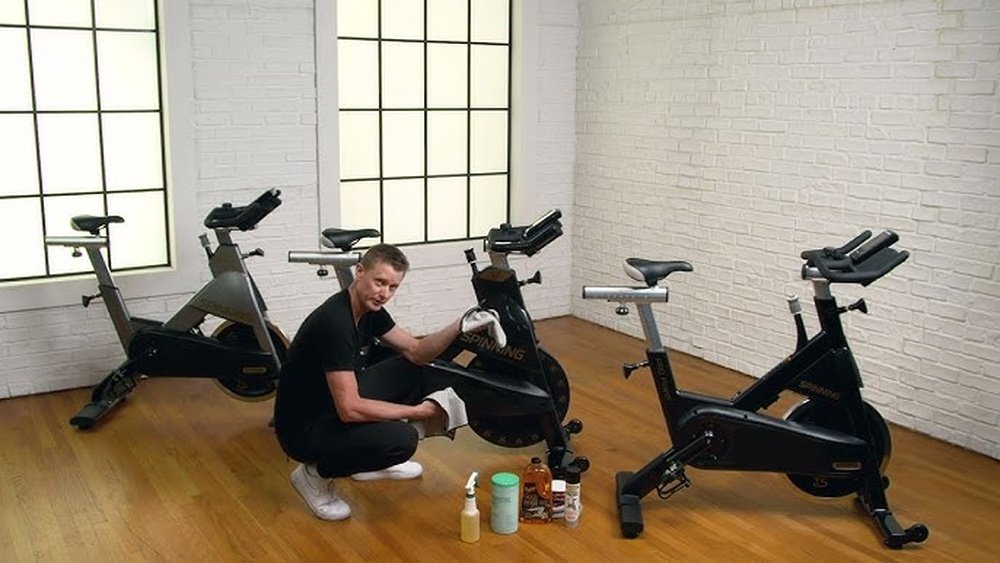
Gathering the right cleaning supplies is the first step to keep your exercise bike fresh. Proper tools help you clean every part without damage. Prepare all items before you start to make the process smooth and quick.
Soft Cloths And Microfiber Towels
Use soft cloths to avoid scratching your bike’s surfaces. Microfiber towels work best for wiping dust and sweat. They absorb moisture well and leave no lint behind. Keep a few on hand for different cleaning stages.
Mild Cleaning Solutions
Choose mild cleaning solutions to protect your bike’s finish. Mix a small amount of dish soap with warm water for an effective cleaner. Harsh chemicals can harm paint or plastic parts. Always test a small area first.
Disinfectant Wipes
Disinfectant wipes kill germs and remove sweat residues quickly. Use wipes safe for electronics and plastic to avoid damage. These wipes help keep handles and control panels hygienic. Carry them for quick cleanups after workouts.
Spray Bottle Preparation
Fill a spray bottle with your mild cleaning solution for easy use. Spraying controls the amount of liquid applied, preventing drips. Label the bottle clearly to avoid confusion. This small step makes cleaning faster and neater.

Credit: spinning.com
Prepare The Exercise Bike
Preparing your exercise bike properly sets the stage for an effective cleaning. Taking a few simple steps before you start helps protect both you and the equipment. It also makes cleaning easier and more thorough.
Unplug And Ensure Safety
Always unplug the exercise bike from the power source. This prevents any chance of electric shock. Make sure the bike is stable and on a flat surface. Avoid cleaning while the bike is still warm from use.
Remove Accessories And Attachments
Take off any removable parts like water bottle holders, screens, or mats. These items can be cleaned separately. Removing them lets you reach tight spots and clean without obstruction.
Check For Loose Parts
Look over the bike for screws or bolts that may be loose. Tighten any you find to avoid damage during cleaning. Fixing loose parts also improves your bike’s safety and performance.
Clean The Frame And Body
Keeping the frame and body of your exercise bike clean is essential. Dirt, dust, and sweat build-up can damage the bike’s surface. Regular cleaning preserves its look and extends its life. A clean bike also makes your workouts more pleasant and hygienic.
Focus on the frame and body after each use. This area collects the most sweat and grime. Cleaning it properly prevents corrosion and keeps the bike smooth to touch.
Wipe Down With Soap And Water
Start by mixing mild soap with warm water. Use a soft cloth or sponge to dip into the solution. Gently wipe the entire frame and body. Avoid harsh scrubbing to protect the paint and finish. This method removes most surface dirt and sweat easily.
Drying Techniques
After washing, dry the bike with a clean towel. Use a microfiber cloth for the best results. Make sure to reach all corners and joints. Drying prevents water spots and rust formation. Let the bike air dry if some areas remain damp.
Addressing Stubborn Dirt And Sweat
For tough grime, apply a small amount of baking soda paste. Rub gently with a soft brush or cloth. Avoid abrasive tools that can scratch the surface. You can also use a vinegar solution for sweat stains. Wipe clean with water afterward and dry thoroughly.
Sanitize High-touch Areas
Sanitizing high-touch areas on your exercise bike is key to keeping it clean and safe. These spots collect sweat and germs fast. Cleaning them often helps prevent bacteria build-up and keeps your workout healthy. Focus on parts you touch the most during exercise. Use gentle disinfectants that won’t harm the bike’s surfaces.
Handlebars And Console
Wipe handlebars with a soft cloth and disinfectant. They hold sweat and dirt from your hands. Clean the console screen gently to avoid damage. Use a microfiber cloth to avoid scratches. This keeps your controls clean and easy to read.
Seat And Pedals
The seat collects sweat and oils from skin. Use a disinfecting wipe or cloth to clean it well. Pedals also get sweaty and dirty. Clean pedal surfaces and straps if your bike has them. This stops germs and keeps your bike fresh.
Buttons And Sensors
Buttons and sensors control your workout data. Use a damp cloth with mild cleaner to wipe them. Avoid soaking these parts to prevent damage. Regular cleaning ensures they work accurately and last longer.
Maintain Moving Parts
Maintaining the moving parts of your exercise bike ensures smooth operation and longer life. These parts face constant motion and stress during workouts. Dirt, sweat, and dust can build up and cause wear or damage. Regular care keeps your bike safe and efficient.
Check And Clean Resistance Mechanism
Start by inspecting the resistance system. It may be magnetic, friction, or fan-based. Use a dry cloth to remove dust and debris from visible areas. Avoid wetting electronic parts. For friction pads, gently wipe to prevent buildup. Clean resistance parts regularly to maintain smooth tension changes.
Lubricate Chains And Joints
Apply lubricant to chains and moving joints to reduce friction. Use a light machine oil or silicone spray. Avoid heavy grease that attracts dirt. Wipe off excess lubricant to prevent grime buildup. Proper lubrication helps parts move freely and lowers noise during use.
Inspect And Tighten Bolts
Loose bolts can cause instability and noise. Check all bolts on the frame, seat, and handlebars. Use the correct tool to tighten any loose ones firmly but do not over-tighten. Regular inspection prevents damage and keeps your bike safe to ride. Tight bolts improve overall stability.
Credit: fitnessista.com
Regular Cleaning Schedule
Keeping an exercise bike clean is essential for its performance and longevity. A regular cleaning schedule prevents dirt buildup and protects the bike from sweat damage. It also ensures a hygienic workout environment. Follow these simple routines to maintain your bike effectively.
After Each Ride Routine
Wipe down the handlebars, seat, and console with a dry cloth. Use a damp cloth to remove sweat spots. Avoid harsh chemicals that can damage surfaces. Check pedals and frame for any dirt or grime. This quick step keeps your bike fresh after every use.
Weekly Deep Cleaning
Use mild soap and water to clean the entire bike. Focus on areas that collect sweat and dust. Dry all parts thoroughly to prevent rust. Inspect moving parts like pedals and resistance mechanisms. Clean under the seat and around the base to remove hidden dirt.
Monthly Maintenance Tips
Lubricate the chain or belt if your bike has one. Tighten loose screws and bolts to keep stability. Check the resistance settings for smooth operation. Replace worn parts or pedals if needed. This monthly care extends your bike’s life and improves performance.
Preventive Measures
Preventive measures help keep your exercise bike clean and working well. Small habits during and after workouts reduce dirt and damage. Consistent care saves time on deep cleaning later. Follow these simple steps to protect your bike and enjoy smooth rides.
Use Towels During Workouts
Place a towel over the handlebars and seat before starting. It catches sweat and stops it from dripping onto the bike. Wipe your hands and face with the towel often. This prevents sweat from building up on surfaces. After your session, use the towel to dry any wet spots.
Keep Workout Area Ventilated
Open windows or use fans to keep air moving around your bike. Good ventilation helps sweat dry faster and stops moisture buildup. Dry air reduces the chance of rust and mold on metal parts. It also keeps the room fresh and comfortable for exercise.
Store Bike Properly
Find a dry, cool place to keep your exercise bike when not in use. Avoid spots with direct sunlight or high humidity. Cover the bike with a cloth or bike cover to protect it from dust. Proper storage keeps the bike’s parts safe and extends its life.

Credit: sunnyhealthfitness.com
Frequently Asked Questions
Is A Stationary Bike Ok For Plantar Fasciitis?
A stationary bike is suitable for plantar fasciitis as it reduces foot impact. Use proper foot positioning and avoid high resistance.
What Is The Best Exercise Bike For Parkinson’s Disease?
The best exercise bike for Parkinson’s is a recumbent bike with adjustable resistance and good stability. It supports balance and improves motor skills safely.
Is A Recumbent Bike Good For Herniated Discs?
A recumbent bike supports the back, reducing pressure on herniated discs. It offers a low-impact, comfortable workout.
Is Cycling Good For Hip Arthritis?
Cycling strengthens hip muscles and improves joint mobility, easing arthritis pain. It offers low-impact exercise, reducing joint stress effectively.
Conclusion
Cleaning your exercise bike keeps it working well and looking fresh. Wipe sweat and dust after every use to avoid damage. Use gentle cleaners and soft cloths for the best care. Regular maintenance saves money and extends your bike’s life.
A clean bike makes your workouts more pleasant and healthy. Simple steps done often lead to lasting results. Keep your bike ready for every ride by cleaning it today.
I am a certified fitness coach with over 10 years of experience helping people improve their strength, endurance, and overall health. Specializes in workout programming, weight training, fat loss, muscle building, home fitness, and evidence-based nutrition.My goal is to make fitness simple and practical through well-researched guides, honest product reviews, and actionable training advice.