When you’re lifting weights, every detail counts, including something as simple as barbell collars. You might overlook them, but barbell collars play a crucial role in making your workouts safer and more effective.
Imagine this: you’re pushing through your set, and suddenly, the weights start sliding off the bar. Not only is this dangerous, but it also breaks your focus and flow. Barbell collars prevent that from happening by securely locking your weight plates in place.
But that’s just the start. They also protect your equipment from damage and help you maintain proper form throughout your lifts. If you want to boost your training efficiency and keep your gear in top shape, understanding the benefits of barbell collars is a must. Keep reading to discover why these small accessories can make a big difference in your fitness journey.
Why Barbell Collars Matter
Barbell collars are small but important tools for anyone who lifts weights. They keep weight plates secure on the barbell. This simple feature improves safety and workout quality. Without collars, plates can slip or fall, causing accidents or damage. Understanding why barbell collars matter helps you train smarter and safer.
Preventing Plate Slippage
Barbell collars hold the plates tightly in place. This stops the plates from moving or sliding during lifts. Plate slippage can throw off your balance. It may lead to injury or poor exercise form. Using collars ensures the plates stay stable. You can focus fully on your workout without worry.
Protecting Equipment From Damage
Weight plates and barbells can get scratched or chipped. This happens when plates bang together or fall off the bar. Collars keep plates from sliding and hitting each other. They also prevent plates from falling to the floor. This protects your equipment and extends its life. Good care of your gear saves money over time.
Types Of Barbell Collars
Barbell collars secure weight plates on the barbell during workouts. They prevent plates from sliding or falling off. Different types of collars suit different training styles and bars. Choosing the right collar improves safety and workout quality.
Spring Collars
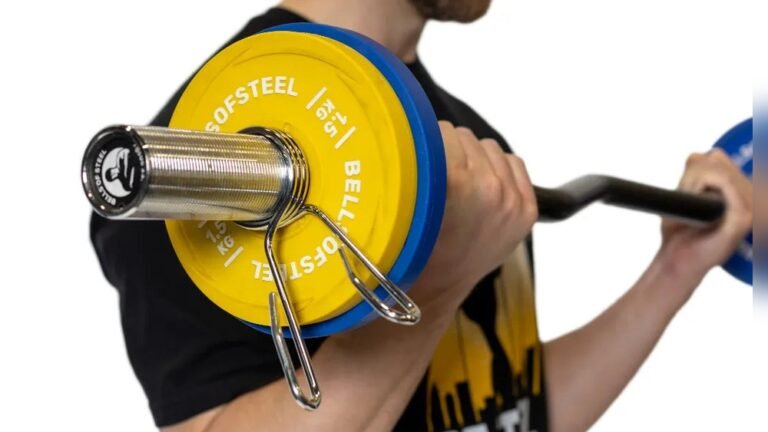
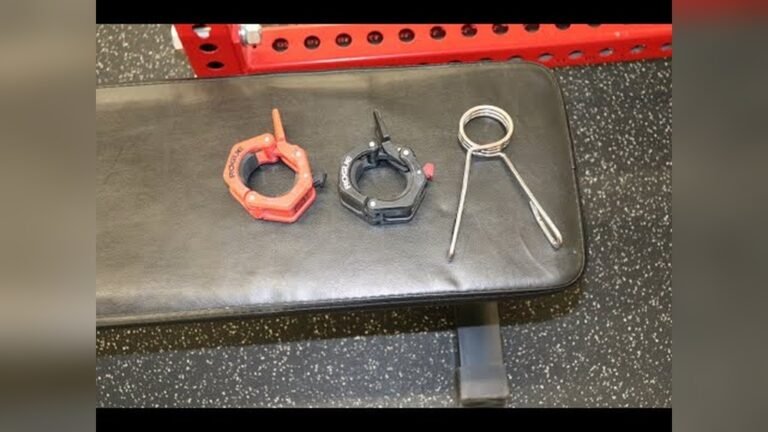
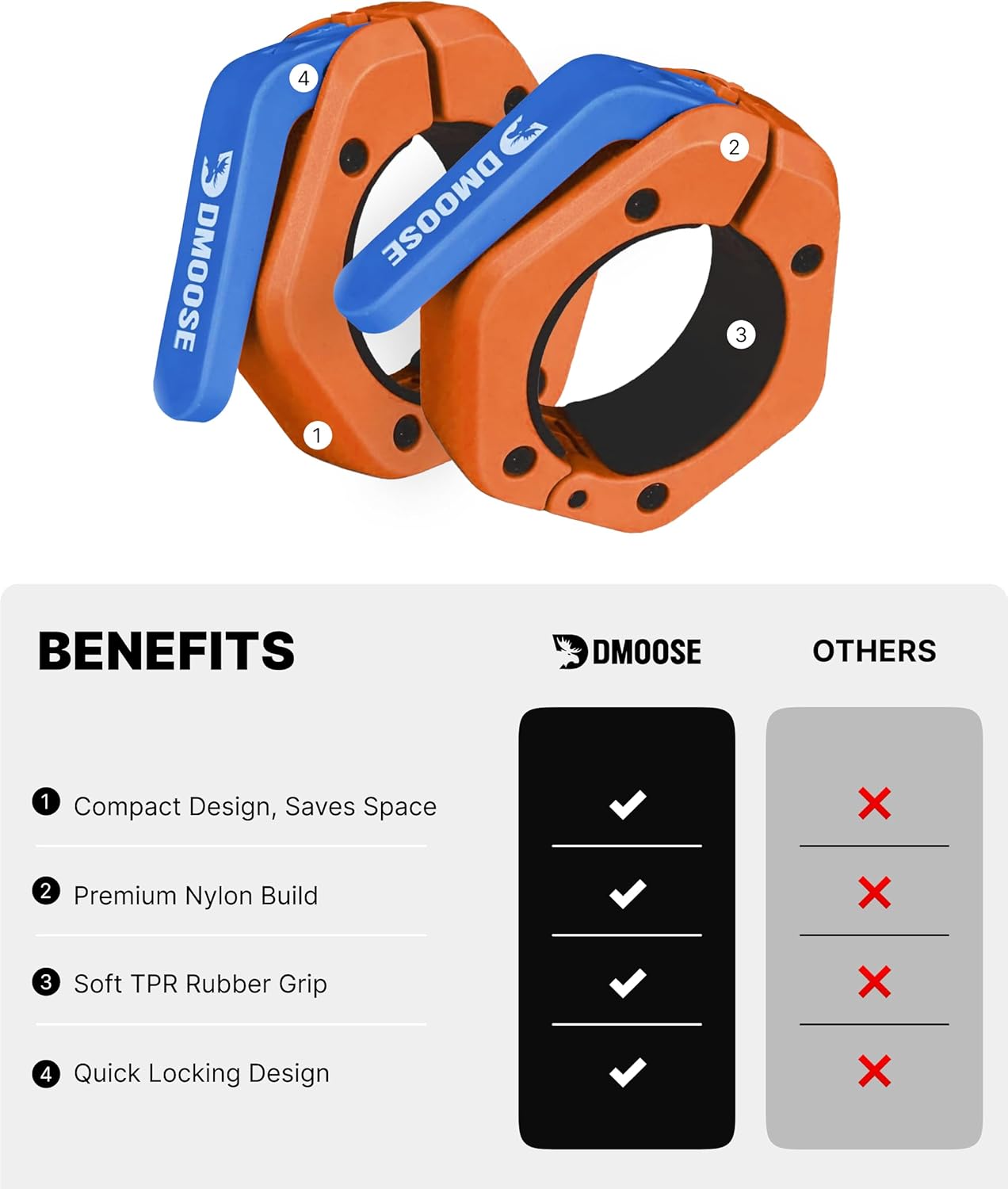
Spring collars use a strong spring to hold plates tightly. They are easy to put on and remove quickly. These collars work well for lighter weights and fast-paced workouts. Their simple design makes them a popular choice for many gym-goers.
Locking Collars
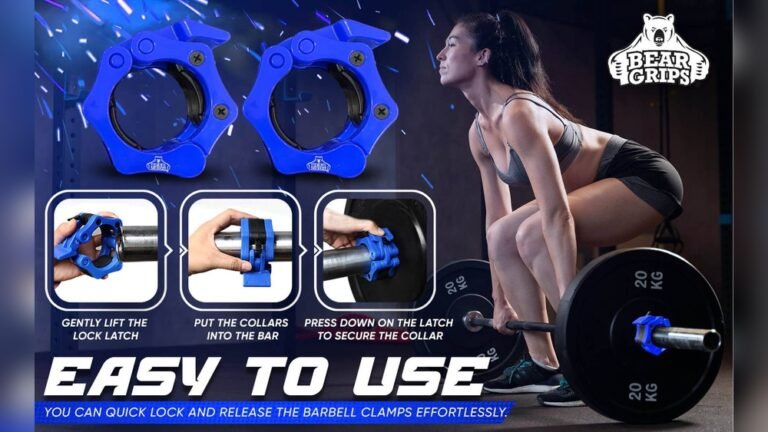
Locking collars use a twist or lever mechanism to lock plates firmly. They provide a very secure hold, ideal for heavy lifting. These collars prevent any movement of the plates during intense sets. They are common in powerlifting and Olympic lifting.
Axle Collars
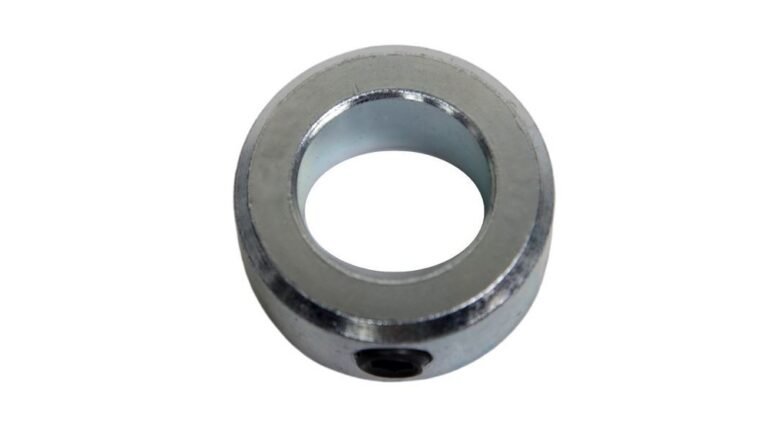
Axle collars fit thicker bars like axle bars or heavy carry handles. They often use a cam or clamp system for a tight grip. These collars suit strongman training and specialty bars. Their design ensures plates stay stable on wider bars.
Safety Benefits
Barbell collars offer important safety benefits during weightlifting sessions. They help create a secure lifting environment by keeping weight plates firmly in place. This reduces the chance of accidents and injuries. Using collars adds peace of mind and lets you focus on your workout.
Reducing Injury Risks
Barbell collars prevent weight plates from sliding off the bar. This avoids sudden shifts that can cause muscle strains or drops. Slipping plates may lead to loss of balance or dropped weights. Collars keep the plates locked tight, lowering injury risks for lifters and those nearby.
Maintaining Barbell Stability
Collars help maintain the barbell’s balance during lifts. They stop plates from moving side to side, which can throw off your form. Stable barbells allow safer, more controlled movements. This stability supports proper technique and reduces chances of accidents.
Credit: bellsofsteel.us
Performance Advantages
Barbell collars offer clear performance advantages in weightlifting. They improve safety and help lifters focus fully on their technique. Using collars keeps weight plates secure, reducing distractions during lifts. This security allows for better control and stability, which boosts overall performance.
Enhancing Lift Confidence
Barbell collars give lifters peace of mind. Knowing the plates will not shift or fall increases confidence. This trust lets athletes lift heavier and push harder. With collars in place, distractions from loose plates disappear. Lifters can concentrate on form and power.
Supporting Progressive Overload
Progressive overload means adding weight over time to build strength. Barbell collars make adding or changing plates easier and safer. They keep plates tightly secured, so weight changes do not cause imbalance. This stability helps lifters increase weight steadily without risk. Consistent progression leads to better muscle growth and strength gains.
Using Collars Correctly
Using barbell collars correctly ensures safety and stability during workouts. Proper use keeps weight plates secured on the barbell. This prevents accidents and protects the equipment. It also helps maintain balance and focus while lifting. Understanding how to place and use collars properly maximizes their benefits.
Proper Placement Techniques
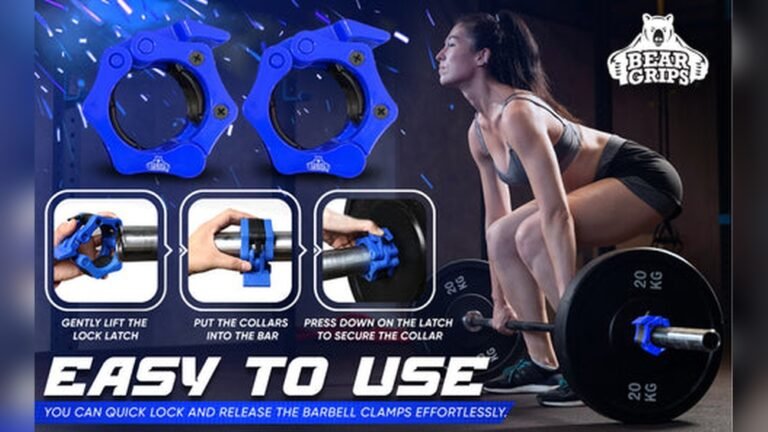
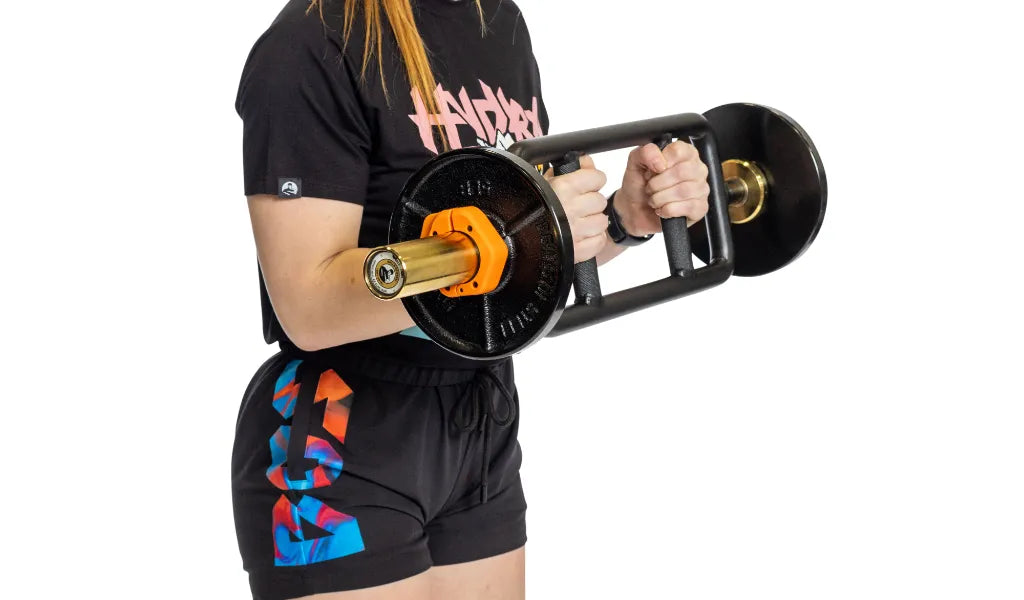
Slide the collar firmly onto the barbell sleeve. Make sure it fits snugly against the weight plates. Push the collar until it locks in place. Check that the collar does not move or slide. Use collars on both sides of the barbell. This keeps the weight evenly secured and balanced. Always inspect collars before lifting to confirm they are tight.
Common Mistakes To Avoid
Do not leave collars loose or partially attached. Loose collars can slide and cause weights to shift. Avoid using worn or damaged collars as they may fail. Never place collars too far from the plates. This reduces their ability to hold the weights safely. Avoid mixing different collar types on one barbell. Use matching collars for consistent grip and security.
Credit: exileshmagazine.com
Choosing The Right Collar
Choosing the right barbell collar is essential for a safe and effective workout. The collar must fit your barbell perfectly. It should also suit the type of exercises you do most often. Picking the right collar protects your equipment and keeps you safe during lifts.
Considering Barbell Type
Barbells come in different sizes and styles. Some bars have a standard diameter, while others are Olympic size. Make sure your collar matches the bar’s diameter exactly. A loose collar can slip, causing plates to move or fall. A tight collar keeps plates stable and secure. Check the material of your barbell too. Some collars work better with steel bars, others with coated bars.
Matching Workout Needs
Think about the types of lifts you do most. For heavy lifting like squats or deadlifts, strong collars that lock tightly are best. For lighter workouts or high reps, quick-release collars save time. Some collars are easier to put on and take off. Others offer more grip and security. Choose a collar that fits your workout style and training frequency. This helps keep your session smooth and safe.
Maintenance And Longevity
Proper maintenance of barbell collars ensures they last longer and perform well. Taking care of them helps prevent damage and keeps them safe for use. Knowing how to clean and when to replace collars protects your investment.
Cleaning Tips
Wipe collars after each workout with a dry cloth. Remove dust, sweat, and dirt to avoid rust. Use mild soap and water for deeper cleaning. Avoid harsh chemicals that may damage the material. Dry collars completely before storing to prevent moisture buildup. Regular cleaning keeps collars working smoothly and looking new.
When To Replace Collars
Check collars regularly for cracks or wear. Replace collars if they no longer hold weight securely. Loose or broken collars can cause accidents during lifting. Listen for unusual noises when tightening collars. If collars slip or do not lock properly, it is time to replace them. Using good-quality replacements ensures safety and durability.
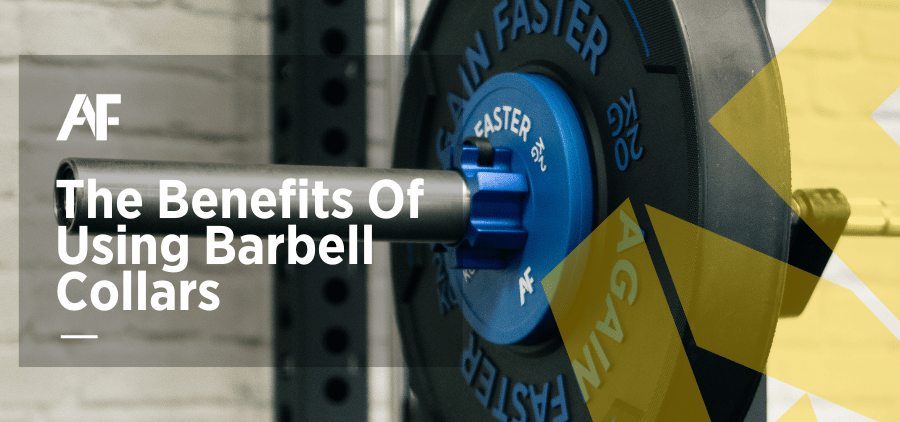
Credit: againfaster.eu
Frequently Asked Questions
Why Is It Important To Have Collars On The Barbell?
Collars secure weight plates on the barbell, preventing them from sliding or falling off during lifts. They protect equipment and ensure safety.
How Do Barbell Collars Work?
Barbell collars secure weight plates on the barbell, preventing them from sliding or falling off during lifts. They tighten around the bar, holding plates firmly in place. This ensures safety and protects both the equipment and lifter while maintaining stability throughout exercises.
What Does A Weighted Collar Do?
A weighted collar applies gentle pressure on the shoulders and neck, promoting relaxation and reducing anxiety. It provides calming support by evenly distributing weight around the upper body. This helps alleviate restlessness and creates a soothing, steady sensation similar to a comforting hand on the shoulder.
Can I Build Muscle With Barbell Only?
Yes, you can build muscle using only a barbell by focusing on compound lifts like squats, deadlifts, presses, and rows. Progressive overload and consistent training ensure muscle growth. Barbells target all major muscle groups effectively, making them a versatile tool for full-body workouts.
Conclusion
Barbell collars keep weight plates secure during every lift. They protect equipment from damage and prevent accidents. Using collars adds safety and confidence to workouts. They help maintain balance and focus while lifting heavy weights. Simple, effective, and affordable—barbell collars improve your training experience.
Don’t overlook this small tool for better results.
I am a certified fitness coach with over 10 years of experience helping people improve their strength, endurance, and overall health. Specializes in workout programming, weight training, fat loss, muscle building, home fitness, and evidence-based nutrition.My goal is to make fitness simple and practical through well-researched guides, honest product reviews, and actionable training advice.