Using a rowing machine is a fantastic way to boost your fitness, build strength, and burn calories. But have you ever thought about how to keep yourself safe while rowing?
Without the right precautions, you could risk injury or strain. This article is here to guide you through simple yet crucial safety tips that protect your body and make your workouts more effective. Keep reading to learn how to row smarter, avoid common mistakes, and enjoy every session without worry.
Your body will thank you!
Equipment Setup
Setting up your rowing machine correctly improves your workout and prevents injuries. Proper equipment setup helps you row safely and comfortably. Taking time to adjust the machine ensures better control and stability during exercise.
Adjusting Foot Straps
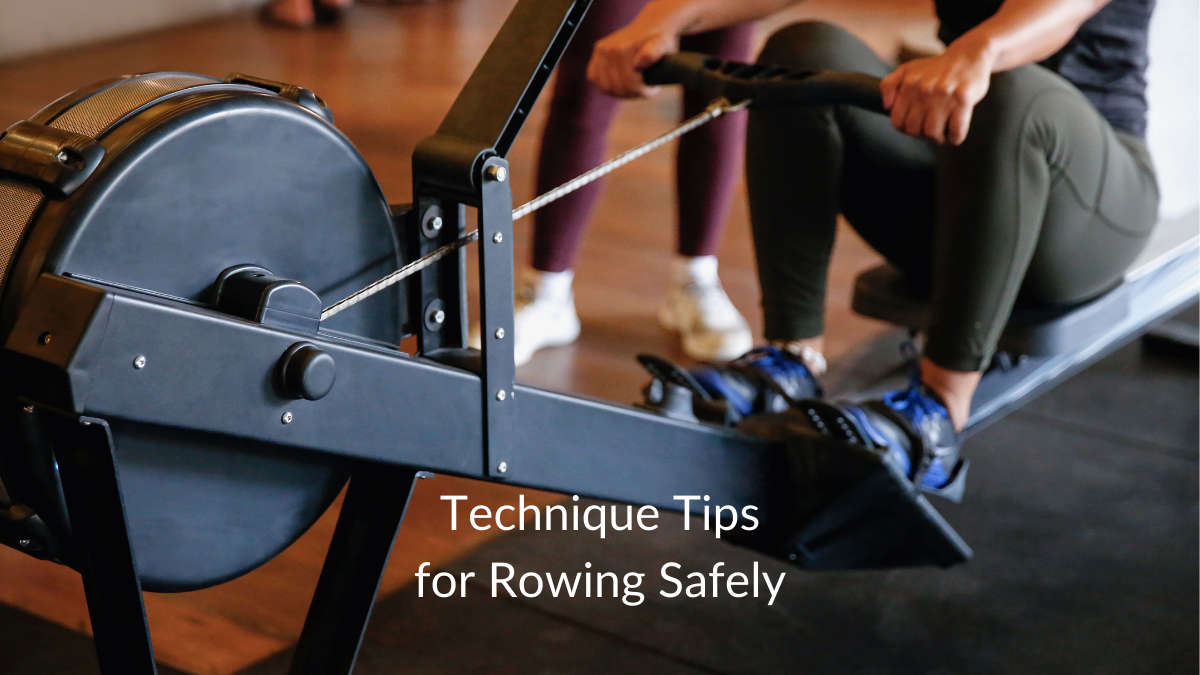
Secure your feet firmly using the foot straps. Straps should hold your feet without causing pain. Tighten the straps to keep feet from slipping. Loose straps can lead to loss of balance and injury.
Selecting Resistance Levels
Choose a resistance level that matches your fitness and skill. Beginners should start with low to medium resistance. High resistance can strain muscles if you are not ready. Adjust resistance gradually as your strength improves.
Checking Machine Stability
Place the rowing machine on a flat, stable surface. Check that all parts are tight and secure. Wobbly machines increase the risk of accidents. Test stability by pushing the machine gently before use.
Credit: cardioonline.com.au
Proper Form
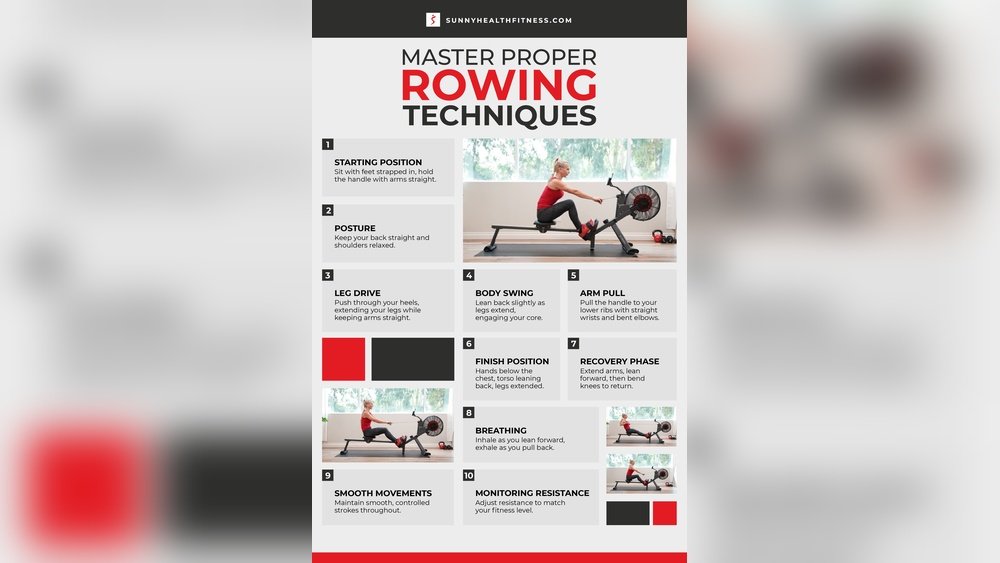
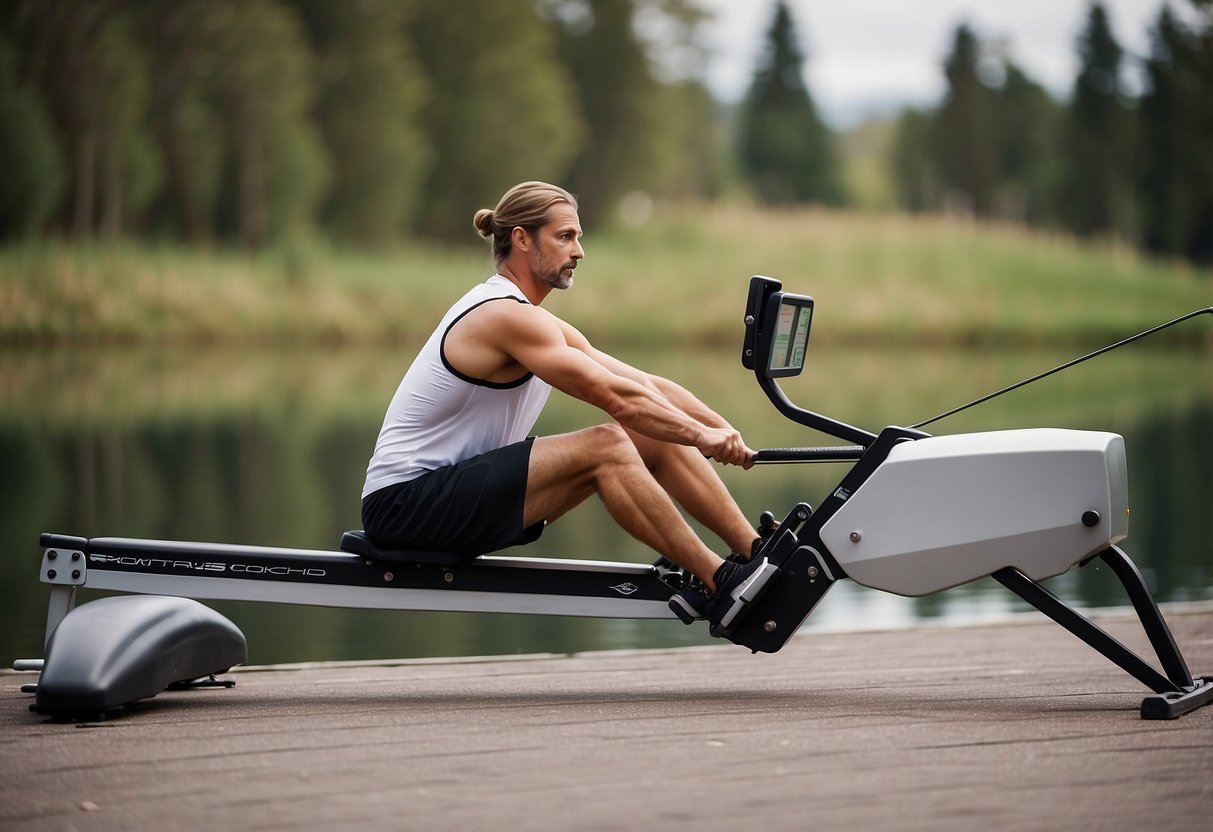
Proper form is essential for safe and effective workouts on a rowing machine. Using the right technique helps prevent injuries and improves your rowing performance. Focus on maintaining control and precision in every movement. This section highlights key points to keep your form correct during your session.
Maintaining Spine Alignment
Keep your back straight throughout the entire stroke. Avoid rounding or arching your lower back. A neutral spine reduces pressure on your discs and muscles. Engage your core muscles to support your spine. This alignment helps protect your back from strain and injury.
Correct Stroke Sequence
Follow the proper order: legs, body, then arms on the drive. Push with your legs first to generate power. Lean your body back slightly after your legs extend. Pull the handle with your arms last to complete the stroke. Reverse this sequence on the recovery phase. This flow keeps your movements smooth and balanced.
Avoiding Overextension
Do not lean too far backward at the finish of the stroke. Overextending can stress your lower back and cause pain. Stop when your body forms a slight backward lean. Keep your core tight to control this position. Staying within safe limits protects your muscles and joints.
Warm-up And Cool-down
Warming up and cooling down are key steps for safe rowing machine workouts. They prepare your body and help avoid injuries. These steps improve blood flow and ease muscle tension. They also help your body adjust to exercise and recover afterward.
Dynamic Stretching
Start your warm-up with dynamic stretching. Move your arms and legs gently to loosen muscles. This increases your heart rate and warms joints. Examples include arm circles and leg swings. Avoid holding stretches still before rowing. Dynamic stretches ready your body for movement.
Gradual Intensity Increase
Begin rowing at a low pace. Slowly increase your speed and resistance over five to ten minutes. This helps your muscles adapt without strain. It also reduces the risk of sudden injury. A gradual start makes your workout more effective and safe.
Post-workout Stretching
After rowing, cool down with light rowing or walking for a few minutes. Then do static stretches. Hold each stretch for 15 to 30 seconds. Focus on your legs, back, and arms. Stretching after exercise lowers muscle stiffness. It also aids recovery and improves flexibility.
Credit: www.aliciarclark.com
Injury Prevention
Injury prevention is key to a safe and effective rowing workout. Proper techniques reduce strain and protect your body. Being mindful of your movements helps avoid common injuries. Focus on form and listen to your body to stay safe.
Protecting Lower Back
Keep your spine straight during each stroke. Avoid rounding or arching your lower back. Engage your core muscles to support your back. Do not lean too far back at the finish. Pause briefly at the catch position to reset your posture.
Joint-friendly Modifications
Adjust the foot straps to secure your feet comfortably. Use a moderate resistance setting to avoid joint strain. Shorten your stroke length if you feel discomfort. Row with smooth, controlled motions instead of jerky moves. Take breaks to reduce stress on knees and wrists.
Recognizing Warning Signs
Stop rowing if you feel sharp pain or numbness. Watch for swelling or unusual soreness after workouts. Persistent discomfort means you should rest and consult a professional. Early attention prevents small issues from becoming injuries. Pay attention to your body’s signals at all times.
Workout Efficiency
Improving workout efficiency on a rowing machine helps you get the most from every session. It boosts your fitness while reducing the risk of injury. Efficient workouts focus on pacing, breathing, and tracking progress. These elements help maintain a steady rhythm and prevent overexertion.
Using the right techniques also keeps you motivated and consistent. This leads to better results over time. The tips below will guide you to row smarter and safer.
Pacing Techniques
Start with a comfortable speed to avoid fatigue early. Keep your strokes smooth and steady. Avoid sudden bursts of speed that tire you quickly. Find a pace that lets you maintain good form. Use a timer or the machine’s display to keep track. Gradually increase your pace as your endurance improves. This helps build strength without risking injury.
Breathing Control
Control your breathing to improve oxygen flow. Breathe in through your nose on the recovery phase. Exhale through your mouth during the power stroke. Keep breaths deep and steady to avoid dizziness. Proper breathing supports muscle function and endurance. Focus on matching your breath with your rowing rhythm. This keeps your energy steady throughout the workout.
Tracking Progress
Monitor your distance, time, and stroke rate regularly. Use the rowing machine’s display or a fitness app. Tracking helps you set realistic goals and stay motivated. Note improvements in speed or endurance over weeks. Adjust your workouts based on your progress data. Celebrate small wins to keep your momentum going. Tracking progress makes each session more purposeful.
Environmental Safety
Environmental safety plays a key role in creating a secure rowing machine workout space. A safe environment lowers the risk of accidents and helps you focus on your exercise. Setting up your rowing machine in the right spot improves comfort and performance. Simple steps can make a big difference in avoiding injuries.
Choosing A Safe Location
Pick a flat, stable surface for your rowing machine. Avoid areas with slippery floors or uneven ground. Keep the machine away from stairs or sharp corners. Choose a spot with good air circulation to stay cool. Make sure the floor can handle the machine’s weight and movement.
Ensuring Proper Lighting
Good lighting helps you see the machine and surroundings clearly. Use bright, even light to avoid shadows or glare. Natural light is ideal but add lamps if needed. Proper lighting reduces eye strain and stops trips or falls. Check lighting before each workout to keep the area safe.
Maintaining Clear Space
Leave enough room around your rowing machine to move freely. Remove objects like toys, shoes, or furniture from the workout area. Clear space prevents tripping and allows full motion without obstruction. Keep cords and wires out of the way. A tidy space supports safe and focused rowing sessions.
Health Considerations
Using a rowing machine offers a full-body workout that improves strength and endurance. Paying attention to health considerations ensures safe and effective exercise. Understanding your body’s limits and needs can prevent injury and promote steady progress.
Rowing With Preexisting Conditions
People with health issues should approach rowing carefully. Conditions like heart problems, arthritis, or back pain need special attention. Rowing may worsen some injuries without proper care. Adjusting intensity and duration helps avoid strain. Listening to your body is vital during every session.
Consulting Healthcare Professionals
Before starting a rowing routine, talk to a doctor. Medical advice helps identify risks and necessary precautions. A healthcare professional can suggest safe workout plans. They may recommend physical therapy or specific exercises. This step reduces chances of injury and health setbacks.
Adjusting Workouts Safely
Modify rowing workouts based on your fitness level and health status. Begin with low resistance and short sessions. Gradually increase time and intensity to build strength. Use proper form to protect joints and muscles. Rest days are crucial for recovery and injury prevention.

Credit: hydrow.com
Emergency Preparedness
Emergency preparedness is key for safe rowing machine workouts. It means knowing how to react quickly and calmly if something goes wrong. Preparing yourself can reduce injury risks and help you handle any problem during exercise.
Being ready includes recognizing when your body needs a break. Understanding basic first aid can assist you if an accident happens. Having someone nearby adds extra safety and support.
Knowing When To Stop
Listen to your body during every rowing session. Stop immediately if you feel sharp pain or dizziness. Fatigue or shortness of breath also signals it’s time to rest. Do not push through discomfort. Early stopping can prevent serious injuries.
First Aid Basics
Learn simple first aid skills like treating cuts or muscle strains. Keep a basic first aid kit near your workout space. Know how to use ice packs or bandages. These skills help manage minor injuries quickly and safely.
Having Assistance Nearby
Exercise near a friend or family member when possible. Someone close can help in case of an emergency. They can call for help or provide support if you feel unwell. Never row alone if you are new or have health concerns.
Frequently Asked Questions
What Are The Safety Precautions For Rowing?
Learn to swim and wear a PFD in cold water. Check weather conditions before rowing. Maintain good posture and warm up properly. Row with others or carry a whistle if alone. Adjust resistance and avoid overexertion to prevent injuries.
Is Rowing Good For A Torn Rotator Cuff?
Rowing may strain a torn rotator cuff. Consult a doctor before starting. Use gentle, controlled movements to avoid worsening injury.
Is Rowing Good For High Bp?
Rowing helps lower high blood pressure by improving heart health and circulation. It offers a low-impact, full-body workout. Always consult a doctor before starting.
Can I Row With Spinal Stenosis?
Rowing with spinal stenosis may be possible but requires medical approval. Use low resistance, maintain good posture, and avoid pain. Stop immediately if discomfort occurs.
Conclusion
Using a rowing machine safely helps you avoid injuries and enjoy workouts. Always warm up before starting and keep good posture throughout. Adjust the resistance to match your fitness level and avoid pushing too hard. Take breaks if you feel pain or discomfort.
Staying mindful of these tips makes your exercise effective and safe. Rowing can improve your health when done the right way. Stay safe, stay healthy, and keep rowing!
I am a certified fitness coach with over 10 years of experience helping people improve their strength, endurance, and overall health. Specializes in workout programming, weight training, fat loss, muscle building, home fitness, and evidence-based nutrition.My goal is to make fitness simple and practical through well-researched guides, honest product reviews, and actionable training advice.