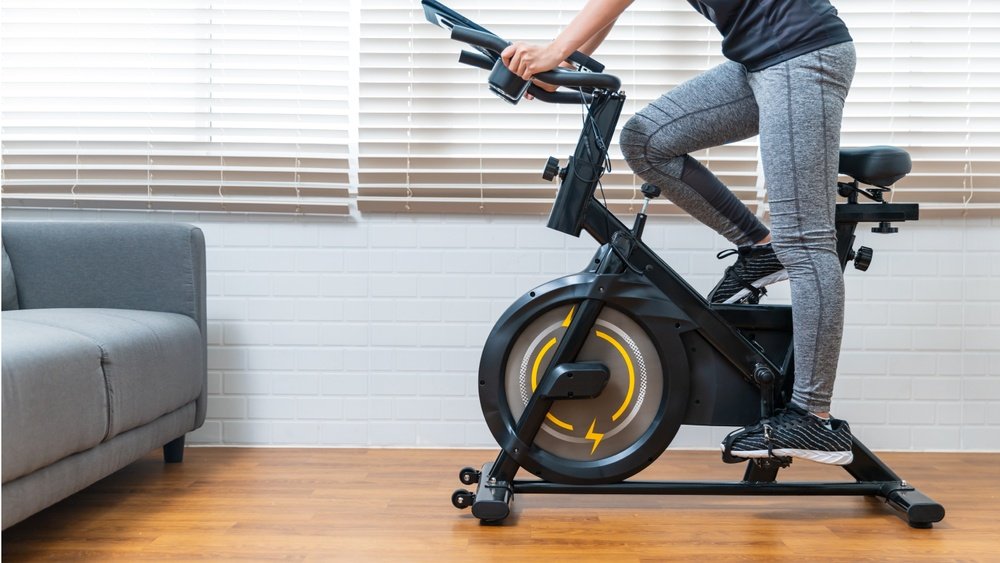
You’ve invested in an exercise bike to boost your fitness and enjoy convenient workouts at home. But are you taking the right steps to keep it running smoothly?
Just like any equipment, your bike needs regular care to stay in top shape. Without proper maintenance, parts can wear out faster, your rides might feel rough, and repairs could cost you more time and money. You’ll discover simple, effective maintenance tips that will help you extend the life of your exercise bike and enjoy every workout session without interruption.
Keep reading to learn how easy it is to protect your investment and pedal with confidence every time.

Credit: merachfit.com
Daily Cleaning
Daily cleaning keeps your exercise bike in top shape. It removes sweat and dust that can cause damage. A clean bike lasts longer and feels better to use. Spend a few minutes each day to maintain its condition. Focus on areas that collect sweat and dirt the most. This simple routine prevents rust and keeps your bike hygienic.
Wipe Sweat And Dust
Use a soft cloth to wipe sweat off after every session. Sweat contains salt, which can corrode metal parts. Dust can build up and affect the bike’s moving parts. Gently clean the frame, seat, and pedals daily. Avoid harsh chemicals that may damage the bike’s finish. A quick wipe keeps the bike looking new and working well.
Disinfect High-touch Areas
High-touch areas include handlebars, console, and buttons. Use a mild disinfectant spray or wipes to clean these spots. This prevents bacteria and germs from spreading. Be careful not to soak electronic parts with liquid. Wipe these areas after each workout to keep them safe. Clean hands and gear make your exercise bike more hygienic.
Weekly Checks
Performing weekly checks on your exercise bike keeps it running smoothly. These checks catch small problems early. Regular attention extends the bike’s lifespan and improves safety. It also ensures a better workout experience every time.
Tighten Bolts And Screws
Check all bolts and screws for tightness. Use a wrench or screwdriver to secure any loose parts. Loose bolts can cause noise and damage over time. Tightening prevents wobbling and keeps the bike stable during use. Focus on the pedals, handlebars, and seat area.
Inspect For Wear And Tear
Look over the bike for signs of wear. Check the pedals, straps, and seat cushion for damage. Examine the drive belt or chain for stretching or fraying. Replace any worn parts to avoid breakdowns. Early detection stops small issues from becoming costly repairs.
Monthly Lubrication
Monthly lubrication keeps your exercise bike running smoothly. It reduces friction and prevents parts from wearing out fast. Proper lubrication also stops rust from forming on metal components. This simple step helps your bike perform better and last longer. Set a monthly reminder to care for your bike’s moving parts. This small effort saves you from costly repairs later.
Oil Moving Parts
Apply oil to all moving parts of the bike. Focus on pedals, crank arms, and joints. Use a light machine oil for best results. Avoid over-oiling, which can attract dust and dirt. Wipe off any excess oil with a clean cloth. This keeps parts turning smoothly and quietly. Regular oiling lowers resistance and improves your workout experience.
Adjust Or Replace Drive System
Check the drive system monthly for wear or slack. This includes the chain, belt, or magnetic parts. Tighten any loose chains or belts to avoid slipping. Replace worn or stretched chains immediately to maintain smooth pedaling. A well-tuned drive system prevents strain on the bike and your legs. Keep it adjusted for consistent performance and safety.
Resistance System Care
The resistance system is key for a smooth workout on your exercise bike. Proper care keeps resistance steady and your sessions effective. Neglecting this system can cause noise, reduced resistance, or complete failure. Regular checks and maintenance extend the life of your bike and improve safety.
Check Brake Pads
Brake pads control resistance in many exercise bikes. Check them often for wear and tear. Thin or cracked pads reduce resistance and can damage the flywheel. Replace worn pads to keep resistance firm and consistent. Clean the pads and flywheel surface to remove dust and sweat. This prevents slipping and uneven resistance.
Maintain Magnetic Or Fan Resistance
Magnetic resistance needs a clean, dust-free environment. Wipe magnets gently with a dry cloth to remove dirt. Avoid water or harsh cleaners near magnetic parts. Fan resistance bikes need regular checks for dust buildup on blades. Clean fan blades carefully to keep airflow smooth. Lubricate moving parts if recommended in the manual. Proper care keeps resistance levels accurate and noise low.
Pedal And Seat Maintenance
Proper pedal and seat maintenance improves your exercise bike’s safety and comfort. These parts bear your weight and motion. Regular checks keep them secure and functional. Simple steps prevent damage and extend bike life.
Tighten Pedals
Loose pedals cause wobbling and discomfort. Check pedal tightness with a wrench. Turn clockwise to tighten. Avoid over-tightening to prevent thread damage. Inspect pedals for wear or cracks. Replace pedals if damaged to ensure safety.
Adjust Seat Position And Screws
Correct seat position supports good posture and reduces strain. Adjust seat height so knees bend slightly at the pedal’s lowest point. Slide seat forward or backward for comfort. Tighten all seat screws firmly after adjustments. Loose screws can lead to sudden seat shifts.

Credit: us.wattbike.com
Console And Electronics
The console and electronics are the heart of your exercise bike. They track your workout progress and control resistance settings. Keeping them in good condition ensures accurate data and smooth operation.
Electronics can be sensitive to sweat and dust. Regular care prevents malfunctions and extends the life of your bike’s digital features.
Clean Display Screen
Use a soft, dry cloth to wipe the display screen. Avoid harsh chemicals that can damage the surface. Lightly dampen the cloth with water if needed. Clean the screen after each workout to remove sweat and dust. This keeps the display clear and easy to read.
Check Battery Or Power Supply
Inspect batteries regularly and replace them as needed. Weak batteries can cause the console to reset or turn off. For plug-in models, check the power cord for damage. Ensure the plug fits securely into the outlet. Keep the power supply dry and away from moisture to avoid electrical issues.
Environmental Tips
Proper care of your exercise bike extends its life and keeps it working smoothly. Environmental factors can affect the bike’s condition. Protecting it from moisture and harsh sunlight is key. These simple steps help maintain the bike’s parts and appearance.
Keep Bike In Dry Area
Place the exercise bike in a dry spot. Moisture causes rust and damages metal parts. Avoid rooms with high humidity like bathrooms. Use a dehumidifier if needed. Wipe off sweat after workouts to prevent corrosion. Keeping the bike dry ensures smooth operation and longer life.
Avoid Direct Sunlight
Direct sunlight fades paint and weakens plastic parts. It can also dry out rubber grips and pedals. Position the bike away from windows or use curtains. Sun exposure can make the seat and handles uncomfortable. Protecting the bike from sun helps maintain its look and comfort.

Credit: us.wattbike.com
Troubleshooting Common Issues
Exercise bikes need regular care to work well and last long. Small problems can stop your workout or cause damage. Knowing how to fix common issues saves time and money. This section covers easy fixes to keep your bike smooth and stable.
Fix Squeaking Noises
Squeaks come from parts rubbing without enough oil. Check pedals, crank arms, and the flywheel area. Use a bike-safe lubricant on joints and moving parts. Wipe away old grease and dirt before applying new oil. Tighten any loose bolts or screws that may cause noise. Regular lubrication stops squeaks and protects parts from wear.
Handle Wobbling And Stability
Loose handlebars can make riding unsafe and uncomfortable. First, check the handlebar stem and tighten its bolts. Inspect the base and feet of the bike for even contact with the floor. Adjust the leveling feet if the bike rocks. Replace worn or damaged parts that affect stability. A steady handlebar helps maintain control and prevents accidents.
Storage And Long-term Care
Proper storage and long-term care keep your exercise bike in top shape. These steps protect it from damage and wear. A well-maintained bike lasts longer and works better. Simple habits during downtime prevent costly repairs later.
Cover When Not In Use
Always cover your exercise bike after use. Dust and dirt can settle on parts and cause damage. A breathable cover stops moisture buildup and rust. Use a fitted cover to protect the bike’s screen and pedals. This keeps the bike clean and ready for your next session.
Regular Inspection During Downtime
Check your bike regularly even when not using it. Look for loose bolts, worn pedals, or rust spots. Tighten any loose parts to avoid bigger problems. Clean the frame and moving parts to prevent dust buildup. Regular checks keep your bike safe and smooth to ride.
Frequently Asked Questions
What Is The 75 Rule In Cycling?
The 75 rule in cycling advises training at 75% of your maximum effort for optimal endurance and performance gains.
Do I Need To Oil An Exercise Bike?
Yes, oil your exercise bike monthly to prevent rust and reduce friction. Regular lubrication ensures smooth pedaling and prolongs bike life.
Is A Stationary Bike Ok For Plantar Fasciitis?
A stationary bike is gentle on plantar fasciitis and helps maintain fitness without stressing the heel. Adjust seat height for comfort.
Can You Use Wd-40 On A Stationary Bike?
Avoid using WD-40 on a stationary bike. It can attract dirt and damage bike components. Use a silicone-based lubricant instead.
Conclusion
Regular maintenance keeps your exercise bike working smoothly. Clean it often to avoid sweat damage. Tighten bolts and screws to stay safe. Lubricate moving parts to reduce friction and noise. Check belts and chains for wear and adjust them. Small care steps extend the bike’s life.
Enjoy your workouts without interruptions. Simple habits protect your investment and improve performance. Take a few minutes weekly for these tasks. Your exercise bike will reward you with reliability.
I am a certified fitness coach with over 10 years of experience helping people improve their strength, endurance, and overall health. Specializes in workout programming, weight training, fat loss, muscle building, home fitness, and evidence-based nutrition.My goal is to make fitness simple and practical through well-researched guides, honest product reviews, and actionable training advice.