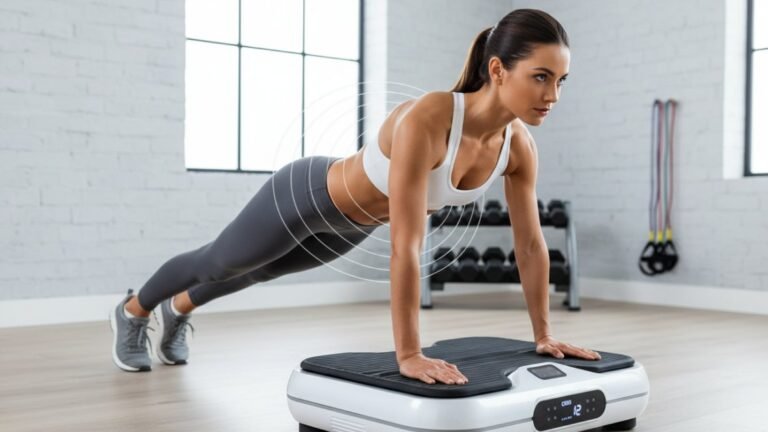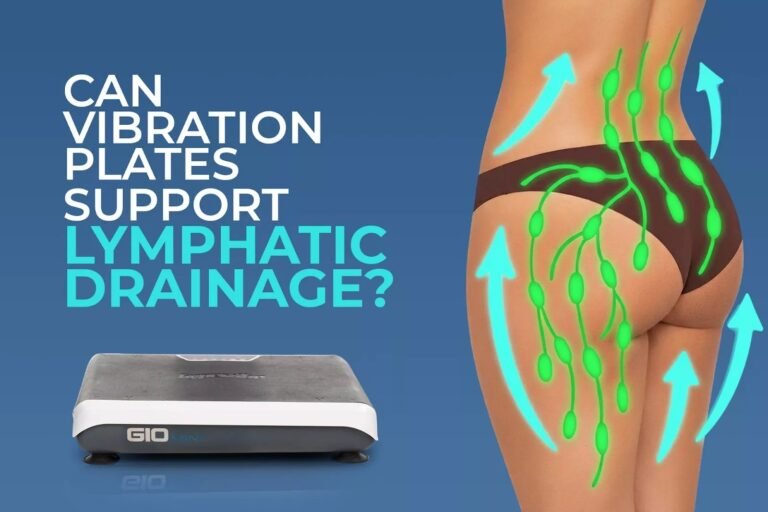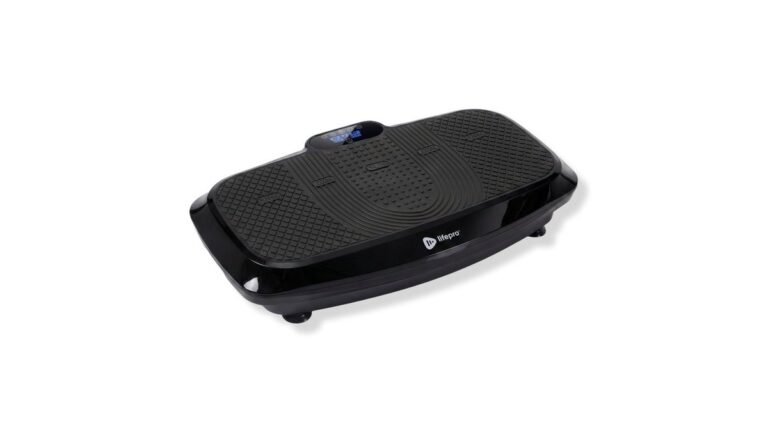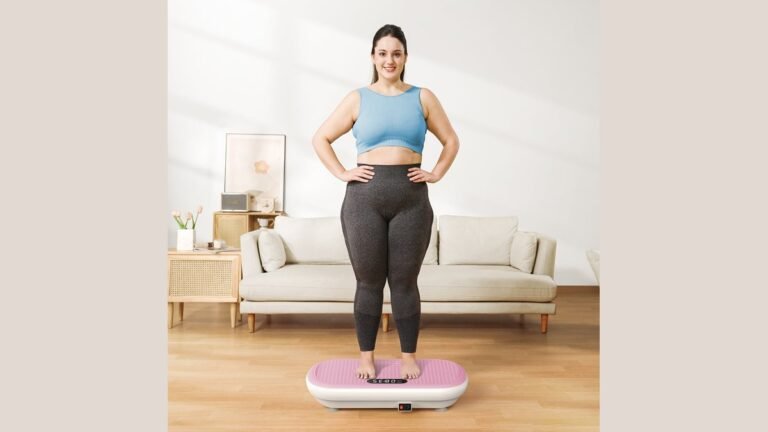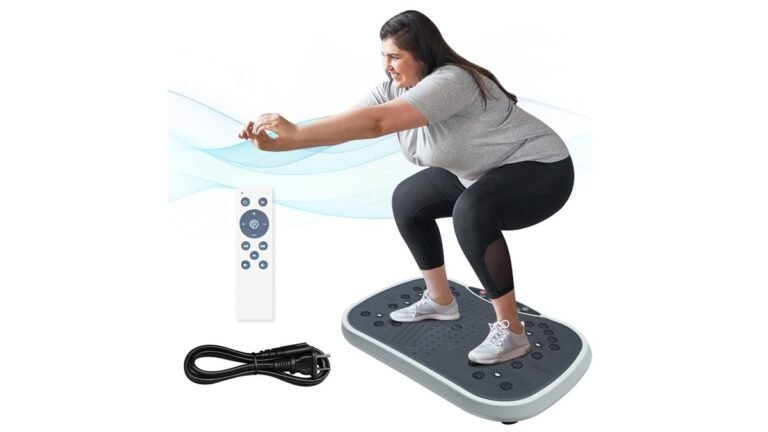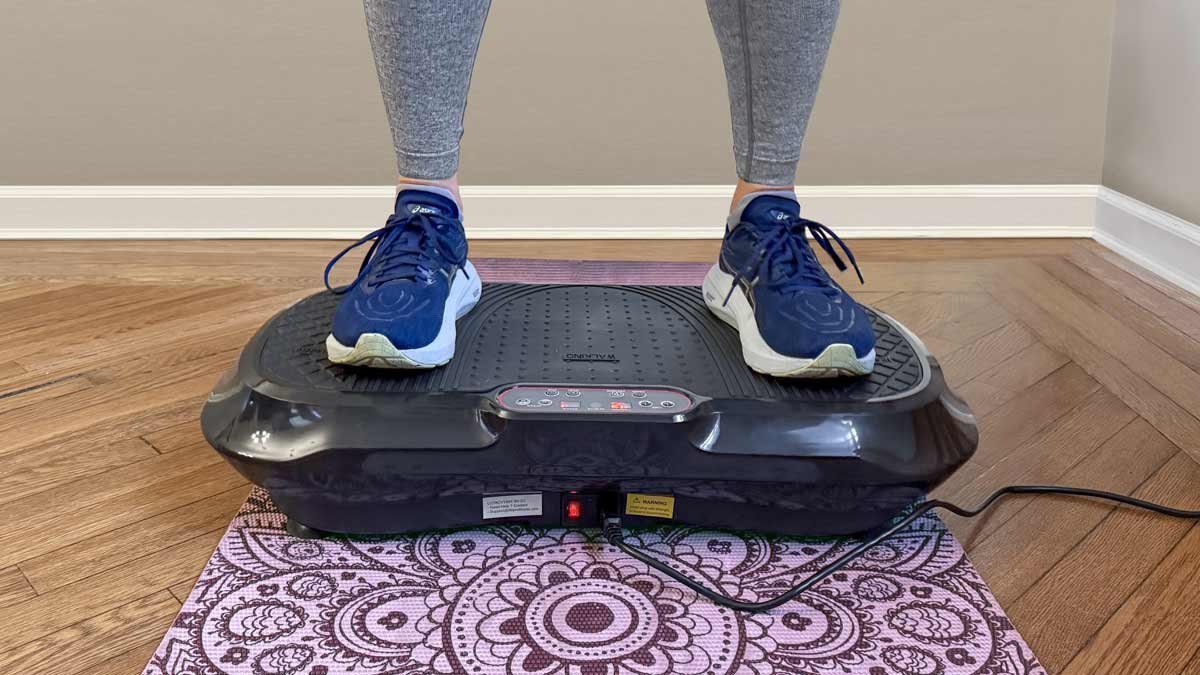
The best vibration plate settings are the ones matched to your goal, not the highest number on the dial: 10–15 Hz for balance and circulation, 20–30 Hz for strength and toning, and 30–40 Hz for advanced training. Frequency, amplitude, and time work together, and the right mix depends on what you’re trying to do.
Vibration plate settings at a glance

Frequency is the speed of the vibration, measured in hertz (Hz). Amplitude is how far the plate moves, and time is how long you stand on it.
| Setting | Best for | Example |
|---|---|---|
| Low frequency | Balance and circulation | 10–15 Hz, gentle sway |
| Mid frequency | General toning | 20–25 Hz, steady buzz |
| High frequency | Strength and power | 30–40 Hz, fast shake |
| Low amplitude | Beginners, joint care | Small, tight movement |
| High amplitude | Advanced muscle work | Large, wide movement |
| Short session | Daily warm-up | 5–10 minutes |
| Long session | Endurance training | 15–20 minutes |
Most home plates list frequency and time on a control panel or in the manual. Check yours there before you start, since brands label the dials differently.
Low frequency for balance and circulation
Low frequency, usually 10–15 Hz, suits beginners, older adults, and anyone using the plate for recovery rather than muscle building.
- Helps you practice standing balance with light support
- Supports blood flow in the legs during long sitting days
- Works as a warm-up before harder settings
- Feels mild enough to use every day
A real example: stand barefoot on the plate at 12 Hz for 10 minutes while holding a chair back.
Mid frequency for toning
Mid frequency, around 20–30 Hz, makes your muscles work harder than low settings.
- Trains leg and core muscles through constant small corrections
- Fits a 15-minute home session after work
- Pairs well with squats, lunges, or a simple standing pose
- Gives a stronger challenge without the jolt of high settings
For example, set the plate to 25 Hz and hold a squat for 30 seconds, rest 30 seconds, and repeat 4 times.
High frequency for strength and power

High frequency, roughly 30–40 Hz, is the hardest setting, meant for people who already train regularly.
- Builds power in the legs and hips
- Challenges balance at speed
- Suits athletes adding a short intense block
- Works for short bursts, not long stands
High frequency with high amplitude puts more load through your joints and isn’t safe for everyone. If you’re pregnant, have a recent fracture, a joint replacement, a heart condition, or a balance disorder, talk to your doctor before using any setting. The FDA lists vibration plates as devices that carry health risks for some users.
Low amplitude for joint-friendly sessions
Low amplitude means the plate moves a short distance, so the shake feels tight rather than wide.
- Keeps the movement small and easier to control
- Lets you try higher frequencies with less joint load
- Works well for seated or supported use
- Reduces the wobble that makes beginners tense up
A concrete example: sit on a chair with your feet flat on the plate at 20 Hz and low amplitude for 8 minutes.
Other settings worth knowing
A few more options show up on most control panels, and each one has a clear job.
- Preset programs: fixed combos of frequency and time, best for people who don’t want to think about the dial.
- Manual mode: you set frequency and time yourself, best if you’re following a specific plan.
- Seated position: feet or hands on the plate while sitting, best for people with balance limits.
- Upper body use: hands or arms on the plate, best for adding a light arm session.
- Interval timer: built-in work-and-rest cycles, best for short strength blocks.
How to choose your setting

Your goal decides the frequency, your body decides the amplitude, and your schedule decides the time.
Time follows the same logic. If you’re used to it, 15–20 minutes is enough for most home sessions. You can combine settings in one session, but you can’t chase every goal at once. Pick one main goal for the next month.
Related guides
- Weight Plates Kg Vs Lbs Conversion
- Weight Plates Workout Routines for Beginners at Home
- Best Bumper Plates for Home Gym Reddit Picks 2026: Top Buys
Frequently asked questions
What Hz should I use on a vibration plate?
It depends on your goal. Start at the low end for your first week, then move up if it feels controlled.
How long should I stand on a vibration plate?
Most home sessions run 10–15 minutes. Longer isn’t better — the muscles tire from the constant correction, and 20 minutes is plenty for a home routine.
Can I use a vibration plate every day?
Yes, daily use is fine for most healthy adults at low to mid settings. Give yourself one rest day a week if you’re doing high frequency work.
Is it safe to use a vibration plate while pregnant?
No, not without your doctor’s approval. Vibration plates aren’t recommended during pregnancy because the shaking and balance demand carry risks.
What happens if I use the highest setting as a beginner?
You’ll likely lose balance or feel joint discomfort, and you may strain muscles that aren’t ready. Start at 10–15 Hz for your first sessions. Move up in small steps over a few weeks, not in one jump.
Does amplitude matter as much as frequency?
Yes, they matter equally. High frequency with high amplitude is the hardest combo, so lower the amplitude first if a setting feels too strong.
Why do my feet tingle after using a vibration plate?
Tingling is common after a session and usually fades within minutes. It comes from the constant stimulation of your feet and legs. If it lasts longer than an hour or comes with numbness, stop using the plate and see a doctor.
Start with one setting this week
Pick one setting that matches your main goal, use it for 10 minutes, three times this week, and note how your legs feel after each session. Expect steadier balance and less leg stiffness within two weeks — that’s the sign it’s working for you. If you feel dizziness, sharp joint pain, or numbness that doesn’t pass, stop and speak to a doctor.

I am a certified fitness coach with over 10 years of experience helping people improve their strength, endurance, and overall health. Specializes in workout programming, weight training, fat loss, muscle building, home fitness, and evidence-based nutrition.My goal is to make fitness simple and practical through well-researched guides, honest product reviews, and actionable training advice.