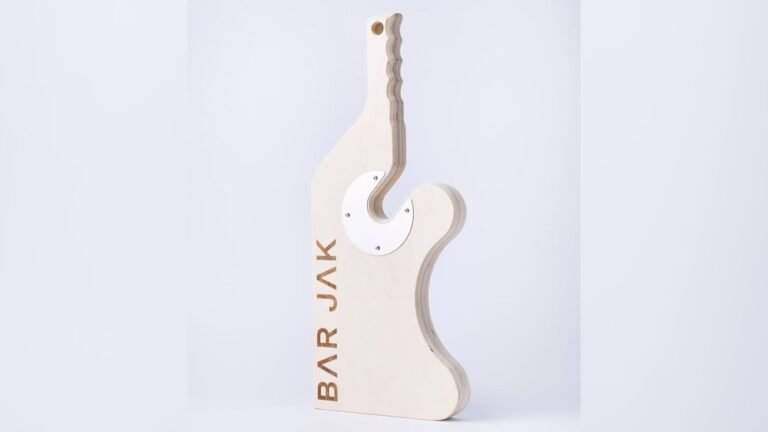

If you use a deadlift jack, you know how much it simplifies loading and unloading heavy plates. But have you ever thought about how to keep your deadlift jack working smoothly for the long haul?
Just like any piece of gym equipment, your deadlift jack needs regular care to stay safe and efficient. You’ll discover simple maintenance tips that protect your investment and make your lifting sessions easier. Keep reading to learn how small actions can save you time, prevent damage, and keep your deadlift jack ready for every workout.
Choosing The Right Deadlift Jack
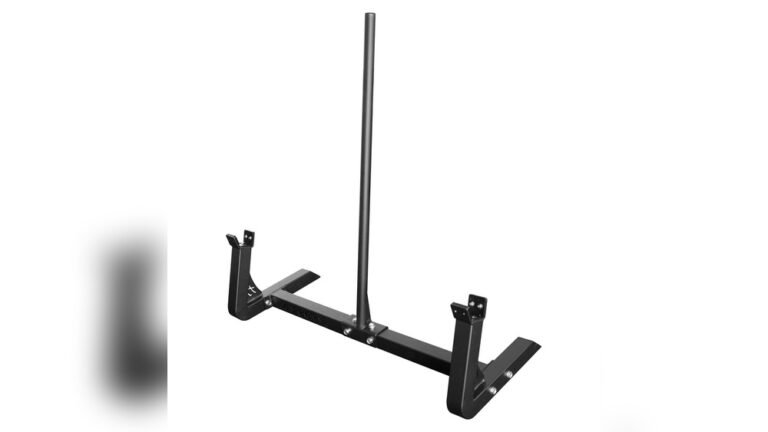
Choosing the right deadlift jack is crucial for ease and safety during your lifting routine. The right jack helps you load and unload plates smoothly. It also protects your barbell and flooring from damage. Understanding different types, materials, and compatibility will guide you in making a smart choice.
Types Of Deadlift Jacks
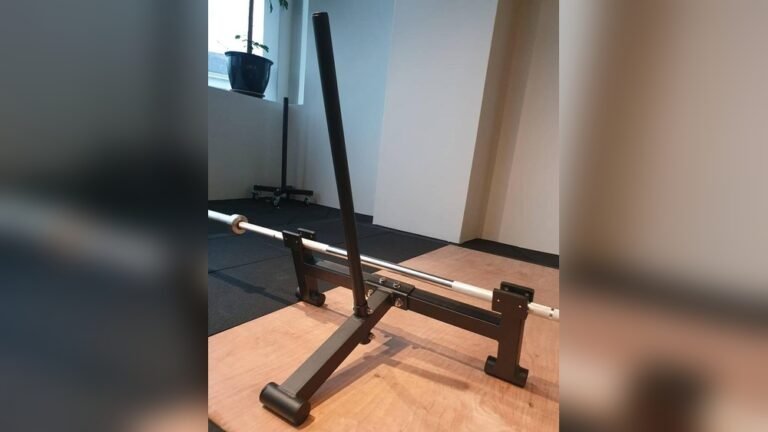
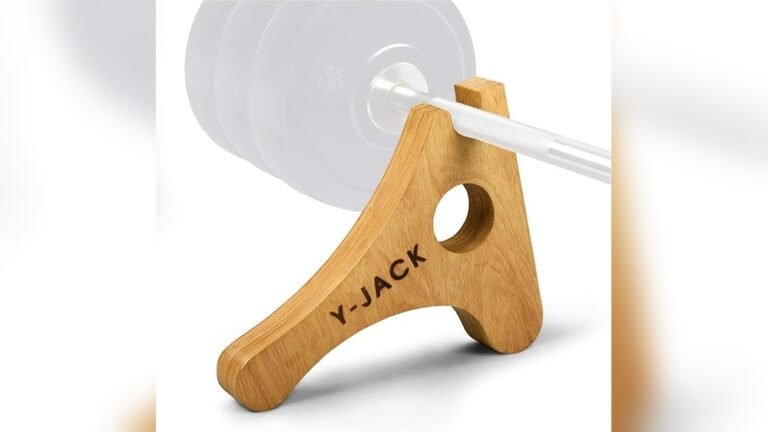
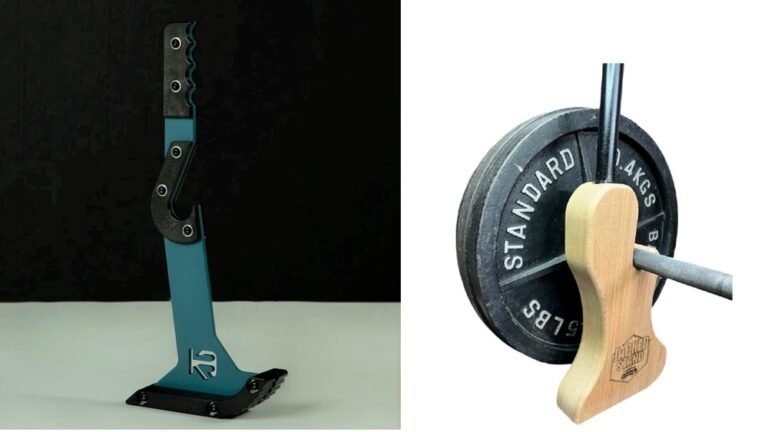
Deadlift jacks come in several styles. The most common are lever-type and wedge-type. Lever-type jacks use a handle to lift the barbell. Wedge-type jacks slide under the bar and lift it with a simple push. Choose a type that fits your lifting space and personal preference.
Material And Build Quality
Strong materials ensure durability and safety. Most deadlift jacks are made from steel or heavy-duty aluminum. Steel offers high strength and lasts longer. Aluminum is lighter and easier to move. Look for solid welds and thick metal parts. Avoid jacks with plastic or weak components.
Compatibility With Barbell
Not all deadlift jacks fit every barbell. Check the jack’s design against your barbell’s diameter and length. Some jacks work only with standard barbells. Others support Olympic barbells or specialty bars. Pick a jack that matches your barbell size for secure lifting and better stability.

Credit: gymleco.com
Daily Care Practices
Daily care keeps your deadlift jack working smoothly. Small habits protect your equipment from damage. Clean, check, and store it right. These simple steps extend its life and save money.
Cleaning After Each Use
Wipe off dirt and sweat after every session. Use a soft cloth and mild cleaner. Avoid harsh chemicals that can damage the finish. Keep the jack free from dust and grime. This prevents rust and ensures smooth operation.
Inspecting For Damage
Look for cracks, bends, or loose parts regularly. Check the wheels and lifting mechanism closely. Catch problems early to avoid bigger repairs. Tighten bolts and screws if needed. A quick inspection helps keep your jack safe to use.
Proper Storage Tips
Store your deadlift jack in a dry place. Avoid spots with extreme heat or moisture. Keep it off the floor to prevent rust. Cover it with a cloth or plastic sheet. Proper storage stops damage and keeps it ready for the next workout.
Preventing Wear And Tear
Preventing wear and tear on your deadlift jack extends its life and keeps it safe to use. Proper care reduces damage and maintains smooth operation. Small habits make a big difference in avoiding costly repairs or replacements. Follow these simple tips to keep your equipment in top shape.
Avoiding Overloading
Do not exceed the weight limit of your deadlift jack. Overloading strains the metal and joints. It causes bending or breakage over time. Always check the maximum capacity before lifting heavy plates. Using the jack within its limits keeps it strong and reliable.
Using On Appropriate Surfaces
Place the deadlift jack on flat and solid surfaces only. Uneven or soft ground can cause instability. This may lead to slips or damage to the jack’s base. Avoid rough or abrasive floors that scratch or wear down the material. Proper surface use ensures safe and smooth lifting every time.
Handling With Care
Lift and move the deadlift jack gently. Avoid dropping or banging it against hard objects. Rough handling can damage the frame and moving parts. Store it in a dry place to prevent rust and corrosion. Treating your deadlift jack with care helps maintain its strength and function.

Credit: www.roguefitness.com
Lubrication And Moving Parts
Proper lubrication keeps your deadlift jack working smoothly. Moving parts need care to avoid wear and tear. Regular attention helps prevent rust and sticking. This makes loading and unloading plates easier and safer.
Identifying Moving Components
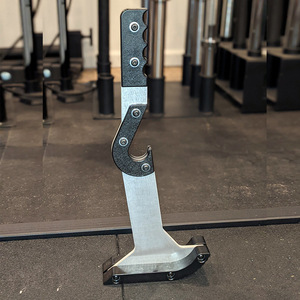
Know which parts move when you use the jack. The lever arm and hinge points are key areas. Check the wheels or rollers if your jack has them. These parts bear the most friction and stress. Spotting these helps target lubrication where it matters most.
Choosing Suitable Lubricants
Use light machine oil or silicone spray for metal parts. Avoid thick grease that can attract dust and dirt. Silicone spray works well on rubber or plastic components. Make sure the lubricant is safe for the materials of your jack. Proper lubricant reduces friction and extends part life.
Frequency Of Lubrication
Lubricate moving parts every few weeks if you use the jack often. For occasional use, apply lubricant every few months. Always wipe off old grease or dirt before applying new lubricant. Regular checks and timely lubrication prevent damage and keep the jack reliable.
Troubleshooting Common Issues
Troubleshooting common issues with your deadlift jack helps keep it safe and efficient. Regular checks catch problems early. This extends the life of your equipment. Simple fixes prevent bigger repairs. Use these tips to solve frequent problems quickly.
Fixing Wobbly Or Unstable Jacks
Wobbly jacks cause unsafe lifting conditions. Check all bolts and nuts first. Tighten any loose parts with a wrench. Ensure the base sits flat on the floor. If the surface is uneven, place a solid board underneath. Replace worn-out rubber pads to improve grip. Test stability before each use to avoid accidents.
Addressing Rust And Corrosion
Rust weakens the metal and affects performance. Clean the jack with a wire brush to remove rust spots. Apply a rust remover for tough areas. After cleaning, dry the jack completely. Use a rust-resistant spray or paint to protect the metal. Store the jack in a dry place to prevent moisture buildup.
Repairing Minor Damages
Small cracks or dents can worsen if ignored. Inspect the jack regularly for signs of damage. Use a metal file to smooth out rough edges. For minor cracks, apply a strong metal adhesive or welding if needed. Replace any bent or broken parts promptly. Keep the jack in good condition for safe lifting.
Credit: www.alibaba.com
Enhancing Longevity
Enhancing the longevity of your deadlift jack ensures it remains reliable and safe for every workout. Proper care extends its life and keeps it functioning smoothly. Simple habits and timely updates protect your investment and save money.
Routine Maintenance Schedule
Check your deadlift jack weekly for dirt and rust. Wipe it clean with a dry cloth after each use. Inspect moving parts for wear or damage regularly. Lubricate joints with light oil to keep them moving freely. Tighten any loose screws or bolts promptly. A steady maintenance routine prevents breakdowns and keeps your jack ready.
Upgrading Parts When Needed
Replace worn or broken parts to maintain safety and function. Use parts from the original manufacturer for the best fit. Upgrading components like wheels or handles can improve performance. Do not ignore small cracks or bends; they may worsen. Timely upgrades help avoid costly repairs or accidents later.
Storing During Long Periods
Store your deadlift jack in a dry, cool place away from moisture. Avoid leaving it outside or in damp areas to prevent rust. Cover it with a cloth or tarp to keep dust off. Store it on a flat surface to avoid bending parts. Proper storage keeps your jack in top condition for the next use.
Safety Tips While Using Deadlift Jack
Using a deadlift jack improves workout efficiency and safety. It helps load and unload heavy plates easily. However, safety remains important to prevent injury and damage. Follow key safety tips while using the deadlift jack. These steps protect you and your equipment during lifting sessions.
Proper Positioning
Place the deadlift jack close to the barbell collar. Ensure the jack sits flat on the ground. Keep your feet steady and balanced. Avoid leaning too far forward or backward. Position your hands firmly on the jack handle. This setup keeps the bar stable and reduces risk.
Avoiding Injury Risks
Wear proper shoes with good grip. Keep your back straight during use. Do not twist your body while lifting plates. Lift slowly and with control to avoid jerks. Make sure no one stands close to the bar. Keep your fingers clear from pinch points.
Ensuring Secure Plate Handling
Check that plates are centered on the barbell. Use collars to lock plates securely in place. Remove or add one plate at a time. Avoid stacking plates too high on the jack. Always lower the bar slowly after loading. This prevents plates from slipping or falling.
Frequently Asked Questions
What Should You Maintain When Performing The Deadlift?
Maintain a straight back, engage your core, keep the bar close to your legs, and lift with your heels and midfoot. Keep arms straight and move your body upward evenly.
What Are 5 Common Mistakes When Performing The Deadlift?
Common deadlift mistakes include rounding the back, lifting with arms, improper foot placement, jerking the bar, and not engaging the core.
How Do You Properly Use A Deadlift Jack?
Place the deadlift jack under the barbell near the collar. Push down the lever to lift the bar. Remove or add plates safely. Lower the bar by releasing the jack slowly. Ensure the jack sits on a flat, stable surface before use.
How Rare Is A 700lb Deadlift?
A 700lb deadlift is extremely rare and represents elite strength. Few lifters reach this milestone, requiring years of dedicated training.
Conclusion
Regular care keeps your deadlift jack working smoothly and safely. Clean it after each use to remove dirt and sweat. Check bolts and screws often to avoid loose parts. Lubricate moving pieces to prevent rust and stiffness. Store the jack in a dry place away from moisture.
These small steps help extend its life and improve your lifting sessions. Stay consistent with maintenance for the best performance every time. Your deadlift routine will feel easier and more efficient. Simple upkeep goes a long way in protecting your gear.
I am a certified fitness coach with over 10 years of experience helping people improve their strength, endurance, and overall health. Specializes in workout programming, weight training, fat loss, muscle building, home fitness, and evidence-based nutrition.My goal is to make fitness simple and practical through well-researched guides, honest product reviews, and actionable training advice.