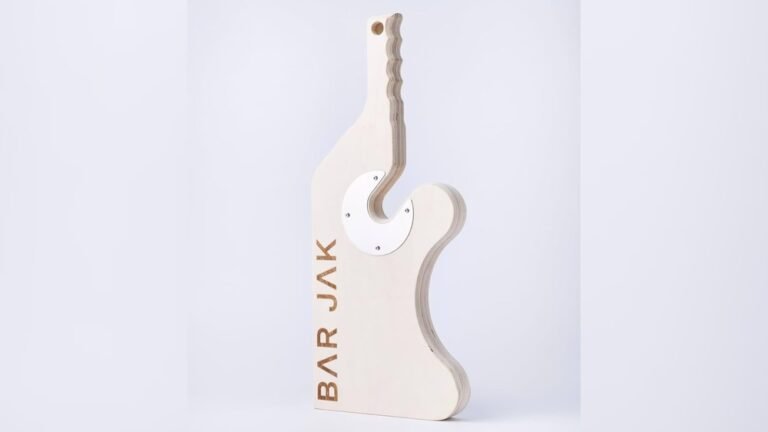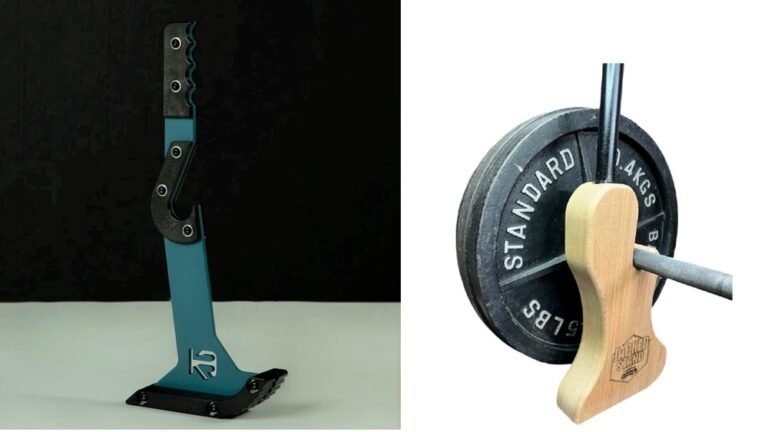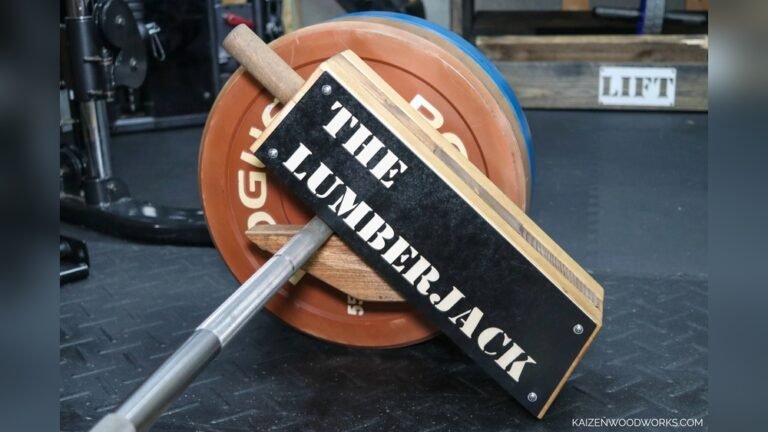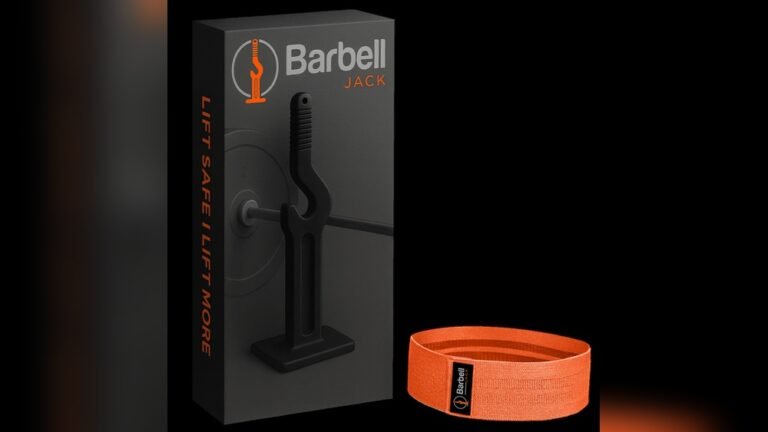
If you’ve ever struggled with loading or unloading heavy plates from your barbell during deadlifts, a deadlift jack could be a game-changer for you. This simple tool makes lifting the bar just enough off the ground so you can add or remove weight plates quickly and safely.
Whether you’re training at home or in a gym, knowing how to use a deadlift jack properly can save you time, protect your flooring, and reduce strain on your back. Ready to make your deadlift sessions smoother and more efficient?
Keep reading to discover an easy step-by-step usage guide that will have you mastering your deadlift jack in no time.
Credit: www.amazon.com
Deadlift Jack Basics
The deadlift jack is a useful tool for weightlifters. It helps lift the barbell slightly off the ground. This makes adding or removing weight plates easier and faster. Understanding the basics of a deadlift jack improves your workout flow and safety.
Using this tool correctly saves time and effort during training sessions. It reduces strain on your back and hands. Let’s explore what a deadlift jack is and why it is beneficial for weightlifting.
What Is A Deadlift Jack
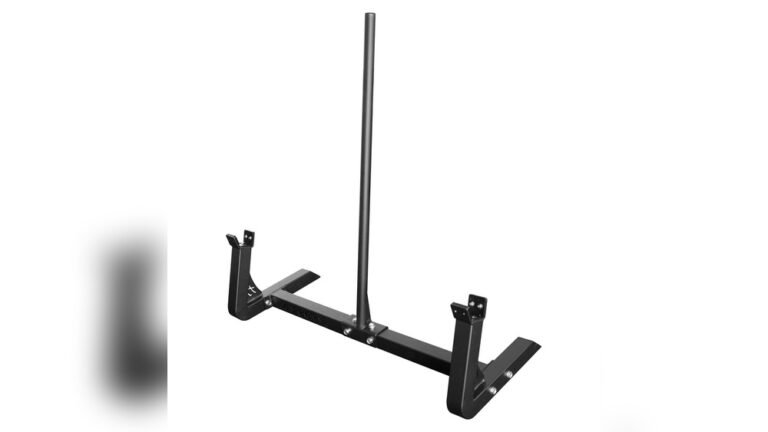
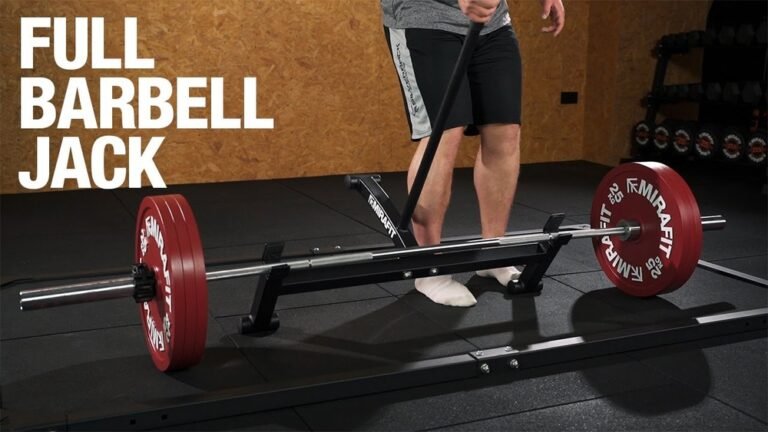
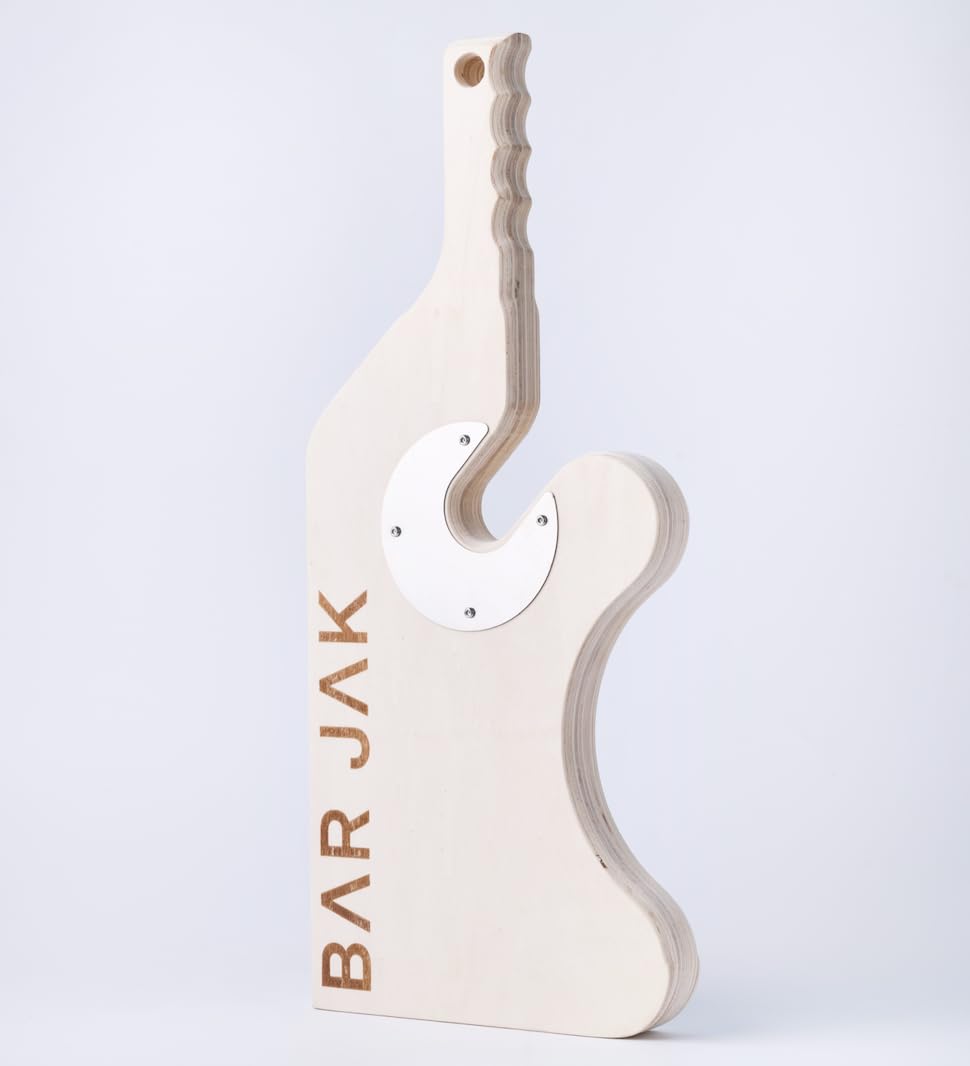
A deadlift jack is a small lever device. It lifts one side of a barbell off the floor. This raises the plates for quick changes without bending too low. The jack usually has a handle and a base to slide under the bar.
It is simple to use and fits most standard barbells. This tool is common in gyms and home setups. It helps keep your workout smooth and efficient.
Key Benefits For Weightlifting
A deadlift jack saves time during plate changes. You do not have to lift the heavy barbell manually. This lowers the risk of injury and muscle strain. It also helps maintain better form by avoiding awkward positions.
The tool makes workouts more comfortable and faster. It supports weightlifters of all levels, from beginners to experts. Using a deadlift jack can improve your training experience significantly.
Choosing The Right Jack
Choosing the right deadlift jack is key to smooth and safe lifting sessions. It affects how easily you lift and change weights on the barbell. Picking a suitable jack saves time and effort. Consider types, build quality, and size before buying. These factors ensure the jack fits your needs and gear perfectly.
Types Of Deadlift Jacks
There are several types of deadlift jacks. Some use a lever system for easier lifting. Others have a simple wedge design that slides under the barbell. Hydraulic jacks offer smooth and controlled lifting but cost more. Choose a type that matches your strength and workout style.
Material And Build Quality
Strong materials increase jack durability. Steel jacks are common for their strength and long life. Aluminum jacks are lighter but may not hold up to heavy use. Check welds and joints to avoid weak points. A well-built jack stays safe and lasts longer under heavy loads.
Size And Compatibility
The jack must fit your barbell and plates. Check the jack’s size and lifting height. It should lift the bar enough to add or remove plates easily. Some jacks fit only standard bars, while others fit Olympic bars. Know your equipment size to pick a compatible jack.
Safe Setup Tips
Setting up a deadlift jack safely is vital to avoid injury and damage. Follow simple steps to ensure a secure and effective setup. Proper preparation makes loading and unloading weights easier and faster.
Focus on correct positioning, preparing the barbell, and protecting your floor. These tips help keep your workout space safe and your equipment in good condition.
Positioning The Jack Correctly
Place the jack close to the collar on the side you want to lift. Ensure the jack’s base sits flat on the floor for stability. Align the lever arm so it fits snugly under the barbell. Avoid placing the jack too far from the center to prevent slipping. Check that the jack is steady before lifting the bar.
Preparing The Barbell
Remove any loose plates near the area where the jack will lift. Clear the floor around the barbell to avoid tripping hazards. Tighten collars on the other side to keep plates from moving. Make sure the barbell is on a flat surface for balance. Keep hands away from the bar while lifting with the jack.
Floor Protection Measures
Use rubber mats or protective padding under the jack base. This prevents scratches or dents on hardwood or concrete floors. Avoid using the jack on uneven or slippery surfaces. Check the floor regularly for signs of wear or damage. Clean the area after use to remove dust and debris.

Credit: www.advancedresources.com
Step-by-step Usage
Using a deadlift jack makes lifting and adjusting weights easier and safer. Follow each step carefully to avoid injury and damage. This guide breaks down the process into simple parts. It helps you use the deadlift jack correctly every time.
Lifting The Barbell Safely
Place the deadlift jack close to the barbell collar. Make sure it is stable and secure. Press down on the lever to lift the barbell slightly off the ground. Keep your back straight and use your legs to push. Do not lift too high, just enough to add or remove plates. Lower the bar slowly after you finish.
Loading And Unloading Plates
With the barbell lifted, slide the weight plates on or off the bar. Use even pressure to avoid tipping the bar. Hold the plates firmly and place them close to the collar. Remove plates in reverse order. Check that the plates are secure before lowering the bar. This step keeps the barbell balanced and safe.
Handling Common Challenges
Sometimes the barbell may be stuck or uneven. Adjust the jack position slightly to find better leverage. If the floor is slippery, place a mat under the jack for grip. Avoid sudden movements to prevent accidents. Clean the jack regularly to keep it working smoothly. Practice patience and care for best results.
Maintenance And Care
Proper maintenance and care keep your deadlift jack working smoothly. It extends the tool’s life and ensures safety during use. Regular attention prevents rust, damage, and wear. Follow simple steps to maintain your deadlift jack in top condition.
Cleaning Your Deadlift Jack
Wipe down the deadlift jack after each use. Use a damp cloth to remove dirt and dust. Avoid harsh chemicals that may damage the finish. Dry the jack completely to stop rust from forming. Clean moving parts gently to keep them working well.
Inspecting For Wear And Damage
Check the deadlift jack regularly for signs of wear. Look for cracks, bends, or rust on the metal parts. Test the handle and pivot points for smooth movement. Replace any worn or broken components quickly. This inspection helps prevent accidents during lifting.
Storage Recommendations
Store your deadlift jack in a dry, cool place. Keep it off the ground to avoid moisture contact. Use a cover or case to protect it from dust. Avoid placing heavy objects on top of the jack. Proper storage keeps it ready for safe, effective use every time.

Credit: bellsofsteel.us
Troubleshooting Tips
Troubles with your deadlift jack can slow down your workout. Knowing simple fixes helps you keep training smooth. This guide covers common problems and easy solutions. You get better results with less hassle.
Fixing Stability Issues
Check if the jack sits flat on the floor. Uneven ground can cause wobbling. Use a rubber mat to add grip. Tighten any loose screws or bolts. Make sure the barbell rests securely on the jack’s cradle. Avoid jerky movements when lifting the bar.
Dealing With Barbell Slippage
Clean the barbell and jack surfaces to remove dust. Dust reduces friction and causes slipping. Place the jack close to the barbell collar for better hold. Use a rubber-coated jack if slippage continues. Slowly lift the bar to control movement. Stop immediately if the bar shifts.
Addressing Floor Scratches
Use protective pads under the jack’s base. Thin rubber or foam works well. Avoid dragging the jack across hard floors. Lift and move it carefully instead. Check your jack for rough edges and smooth them. Keep your workout area clean to prevent debris scratches.
Advanced Tips For Lifters
Advanced lifters often seek ways to improve their workout flow and safety. Using a deadlift jack correctly can save time and protect equipment. It also reduces strain when loading or unloading heavy plates. These tips help experienced lifters get more from their deadlift jack.
Using Jacks In Home Gyms
Home gyms usually have limited space. Choose a compact deadlift jack that fits your area. Keep the jack near your barbell for quick access. Clean the floor under the jack to prevent slipping. Use rubber mats to protect your floor and barbell. Store the jack safely after use to avoid accidents.
Combining With Other Equipment
Pair the deadlift jack with bumper plates for smooth loading. Use barbell collars to secure plates after loading. Combine the jack with lifting straps for better grip. Employ lifting platforms or mats to reduce noise and impact. These tools work together to improve your lifting routine.
Maximizing Efficiency
Place the jack close to the barbell collar for easier lifting. Use your body weight to press the jack down steadily. Lift the bar just enough to slide plates on or off quickly. Practice consistent movements to avoid wasting time. Check your jack regularly for damage or wear to ensure safety.
Frequently Asked Questions
What Is A Deadlift Jack And Its Purpose?
A deadlift jack is a tool that lifts the barbell off the ground. It simplifies loading and unloading weight plates quickly and safely. This reduces strain and prevents damage to floors or equipment.
How Do You Properly Use A Deadlift Jack?
Place the jack close to the barbell collar. Push down the handle to lever the barbell up. This raises the bar, allowing easy plate changes. Always ensure it is stable before adjusting weights.
Can A Deadlift Jack Damage Flooring?
Most deadlift jacks have protective padding to prevent scratches. Use the jack on hard surfaces like rubber mats for extra protection. Proper use minimizes any risk of floor damage.
Is A Deadlift Jack Suitable For All Barbell Types?
Yes, deadlift jacks are designed for standard and Olympic barbells. Check the jack’s specifications to ensure compatibility with your barbell size. They accommodate various weight plates efficiently.
Conclusion
Using a deadlift jack makes lifting and loading easier and safer. It saves time and reduces strain on your back. Position it close to the barbell collar, then push down to lift. This simple tool helps you change plates quickly.
Keep your workout smooth and efficient with this small but useful device. Practice proper use for best results and avoid damage to your floor. A deadlift jack is a smart addition to any lifting routine.
I am a certified fitness coach with over 10 years of experience helping people improve their strength, endurance, and overall health. Specializes in workout programming, weight training, fat loss, muscle building, home fitness, and evidence-based nutrition.My goal is to make fitness simple and practical through well-researched guides, honest product reviews, and actionable training advice.