If you regularly lift heavy weights, you know how tricky and risky loading plates for deadlifts can be. That’s where a deadlift jack comes in, a simple tool designed to save your back and make loading easier.
But using it without proper care can lead to accidents or injuries. You want to protect your body and get the most out of your workouts, right? You’ll discover essential safety tips for handling your deadlift jack confidently and effectively.
Keep reading to learn how to prevent common mistakes, avoid injury, and keep every lift safe and smooth. Your strength journey depends on it!

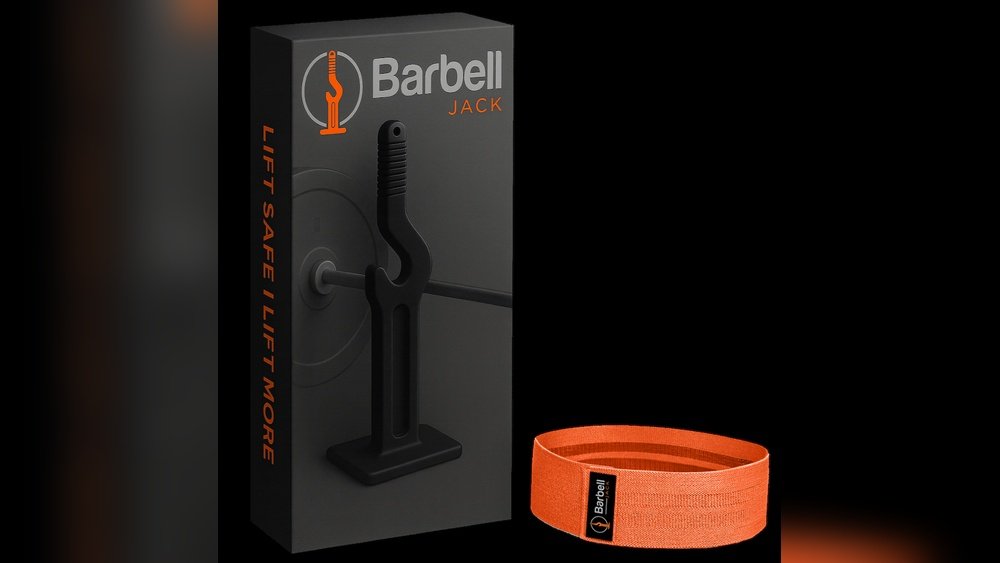
Credit: thebarbelljack.com
Deadlift Jack Basics
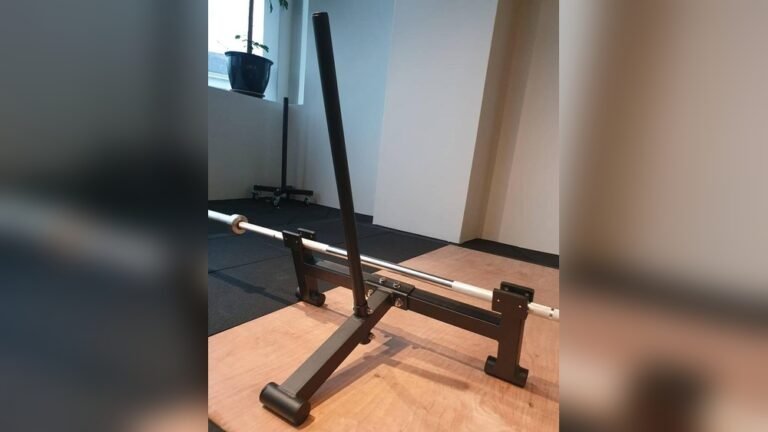
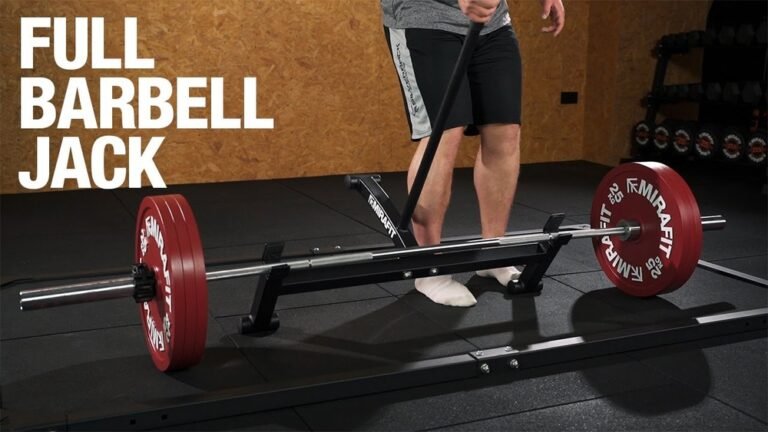
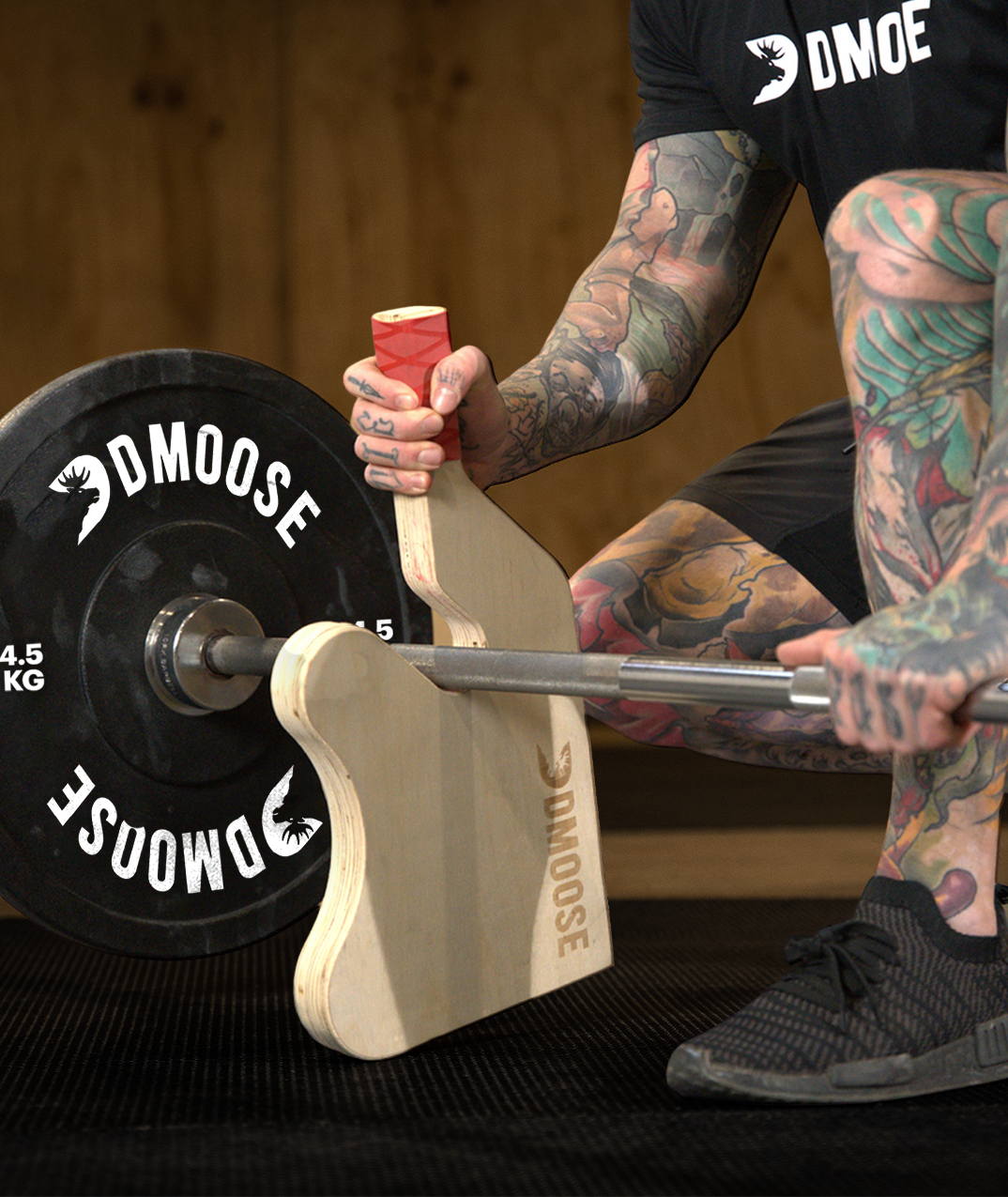
The deadlift jack is a simple tool that helps you lift the barbell off the ground. It makes adding or removing weight plates easier and safer. Understanding the basics of this tool is important for anyone who lifts heavy weights. Using it correctly can prevent injuries and save time during workouts.
Purpose And Benefits
A deadlift jack lifts the barbell slightly to free up space for plates. It reduces strain on your back and fingers. This tool helps avoid awkward bending or twisting motions. It makes loading and unloading plates faster and more efficient. Using a deadlift jack keeps your workout area safer by preventing dropped plates. It also protects the barbell and plates from damage.
Types Of Deadlift Jacks
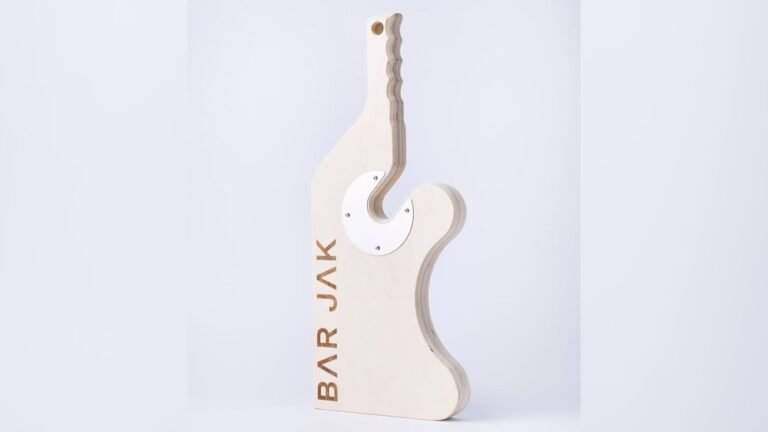
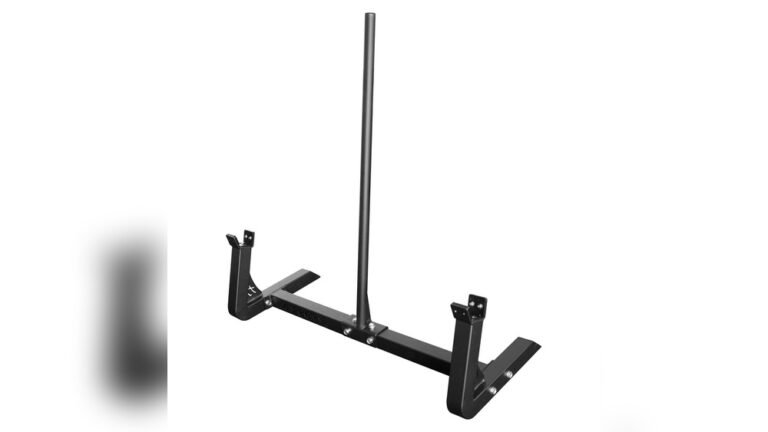
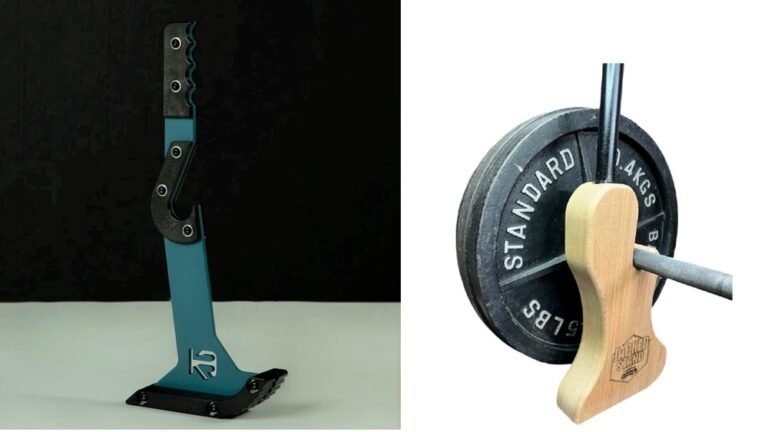
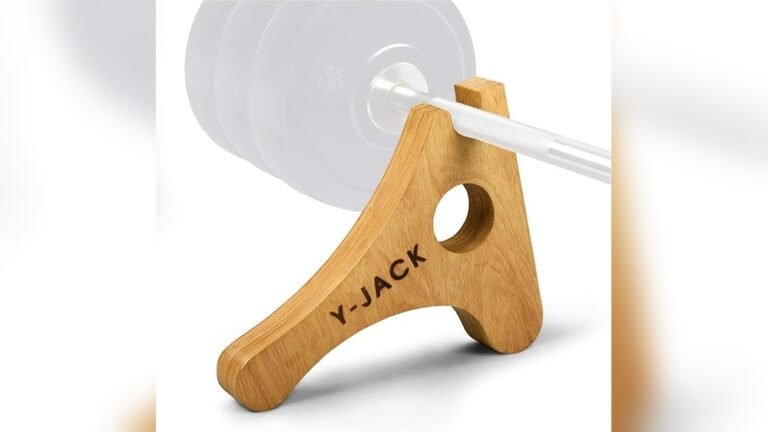
There are several types of deadlift jacks available. Some are manual, using a lever to lift the barbell. Others are hydraulic or pneumatic, offering easier lifting with less effort. Manual jacks are simple, lightweight, and affordable. Hydraulic jacks cost more but require less strength to use. Some models come with wide bases for extra stability. Choose a type that fits your lifting style and gym setup.
Safe Setup Techniques
Setting up your deadlift jack correctly is vital for safe lifting. Proper setup lowers the risk of injury and makes loading plates easier. Follow these simple steps to prepare your jack before use. This ensures a smooth and secure lifting process.
Positioning The Jack Correctly
Place the jack close to the barbell collar. Align it so the lifting arm fits under the bar. Check that the jack handle moves freely without obstruction. Avoid placing it too far from the bar to prevent slipping. A correct position helps lift the bar smoothly and safely.
Ensuring Stable Ground Contact
Set the jack on firm and level ground. Avoid soft or uneven surfaces that could cause the jack to tip. Use a flat, hard surface like concrete or gym flooring. Confirm the jack’s base is fully in contact with the ground. Stable contact keeps the jack steady during use.
Proper Loading And Unloading
Proper loading and unloading of a deadlift jack is essential for safe lifting. This process helps avoid injuries and protects your equipment. Handling the barbell and plates carefully keeps your workout smooth and secure.
Using The Jack To Lift The Barbell
Place the deadlift jack under the barbell close to one side. Push down on the handle to lift the bar off the floor. The bar should rise just enough to slide plates on or off. Keep your back straight and use your legs to apply force. Avoid sudden or jerky movements. Lower the bar slowly after loading or unloading is complete.
Adding And Removing Plates Safely
Load plates one at a time to keep balance on the bar. Slide each plate fully onto the sleeve before adding the next. Use collars to secure plates and prevent slipping. When removing plates, pull them off carefully without tipping the bar. Stand clear of the bar ends to avoid pinching fingers. Always check that the barbell is stable before lifting it back down with the jack.
Credit: www.dmoose.com
Common Mistakes To Avoid
Using a deadlift jack makes loading and unloading weights easier. Still, many users make common mistakes that can cause accidents or damage equipment. Avoiding these errors keeps you safe and protects your gear.
Knowing what to watch out for helps you use the jack correctly every time. Below are key mistakes to avoid for safer deadlift sessions.
Incorrect Jack Placement
Placing the jack in the wrong spot can cause instability. Always position the jack close to the barbell collar. This ensures the bar lifts evenly and stays balanced. Avoid placing it too far from the plates or center. Incorrect placement risks the bar tipping or falling off.
Check the jack’s grip before lifting. A loose hold can slip during use. Make sure the jack’s base sits flat on the floor. Uneven ground increases the chance of accidents. Proper placement reduces strain and keeps the bar secure.
Overloading And Imbalance Risks
Loading too many plates at once can cause the bar to tilt. Add plates gradually and on both sides evenly. Uneven loading creates imbalance and makes the bar hard to control. This can lead to dropped plates or injury.
Do not exceed the deadlift jack’s weight limit. Overloading stresses the jack and may cause failure. Use the jack only for the weights it is designed to handle. Balance and weight control keep lifting safe and smooth.
Maintaining Good Form
Maintaining good form during deadlift jack use is key to preventing injuries. Proper posture helps protect your back and muscles. It also improves lifting power and control. Even small mistakes can cause strain or pain. Focus on steady movements and body alignment for safer lifting sessions.
Keeping A Straight Back
Keep your back straight throughout the lift. Avoid rounding or arching your spine. A neutral spine reduces pressure on the vertebrae and discs. Start with your chest up and shoulders back. This position supports a strong and safe lift. Look straight ahead to keep your neck aligned. Always reset your posture if you feel your back bending.
Engaging The Core During Lifts
Tighten your core muscles before lifting the bar. A strong core stabilizes your spine and pelvis. It acts like a natural belt, protecting your lower back. Take a deep breath and brace your abs as if preparing for a punch. Keep your core engaged throughout the entire movement. This control reduces the risk of injury and improves lifting efficiency.

Credit: gymleco.com
Tips For Injury Prevention
Preventing injuries during deadlift jack use is essential for safe lifting. Proper care helps avoid muscle strains and joint problems. Follow basic steps to protect your body and improve performance.
Starting With Lighter Weights
Choose lighter weights at the beginning. This helps your muscles adjust to the movement. Lifting light weights reduces the risk of sudden strain or injury. Gradually increase weight as your strength improves. Focus on smooth, controlled lifts to maintain good form.
Using Supportive Gear
Wear gear like weightlifting belts and wrist straps. These items support your back and wrists during heavy lifts. Proper gear keeps your body stable and aligned. Avoid lifting without support if you handle heavy loads. Good equipment reduces pressure on muscles and joints.
Troubleshooting Deadlift Jack Issues
Troubleshooting deadlift jack issues helps keep your workouts safe and smooth. Small problems can stop your lifting or cause damage. Knowing how to fix common issues saves time and stress. Always check your equipment before starting. Catch problems early to avoid bigger repairs.
Handling Equipment Malfunctions
Check for loose or broken parts regularly. Tighten screws and bolts as needed. Worn or damaged handles reduce control and increase risk. Replace any cracked or bent components immediately. Clean the jack to avoid dirt buildup that can block movement. Test the jack’s lift function before each use. If it sticks or jams, stop using it. Avoid forcing the jack as this can cause injury.
Protecting The Barbell And Knurling
Keep the deadlift jack clean to prevent rust marks on the barbell. Use padding or cloth between the jack and barbell to protect the knurling. Avoid dragging the barbell on rough surfaces when using the jack. Check the barbell collar area for scratches or dents after using the jack. Proper care helps maintain grip and extends the life of your barbell. Store the jack in a dry place to prevent corrosion that can harm the barbell.
Professional Guidance And Resources
Proper guidance is vital for safe deadlift jack use. It helps prevent injuries and builds good habits. Learning from experts ensures correct lifting techniques. Reliable resources provide clear steps and tips. This section focuses on professional help and useful tools. It guides you to safe and effective deadlifting.
Seeking Coaching For Technique
Coaching helps you learn the right form. Trainers watch your movement and correct mistakes. They teach how to keep your back straight and core tight. Coaches explain how to use the deadlift jack safely. Personalized advice fits your strength and skill level. Regular feedback lowers the risk of injury. Hands-on guidance builds confidence during lifts.
Useful Online Tutorials And Communities
Videos show step-by-step deadlift jack use. They demonstrate proper posture and loading methods. Online forums connect you with other lifters. Members share tips, answer questions, and offer support. Trusted websites provide safety checklists and workout plans. Following these resources improves your technique. Learning from many sources creates a strong foundation.
Frequently Asked Questions
What Are The Safety Considerations For Deadlifts?
Maintain a flat back and engaged core throughout the lift. Use proper form and avoid lifting excessive weight. Keep the bar close to your legs and push through your heels. Start with lighter weights and seek professional guidance to prevent injuries.
What Are 5 Common Mistakes When Performing The Deadlift?
Common deadlift mistakes include rounding the back, lifting with the arms, improper hip position, jerking the bar, and locking knees too early.
How To Use A Deadlift Jack?
Place the deadlift jack under the barbell near the collar. Push down the handle to lift the bar. Remove or add plates safely. Lower the bar back carefully before lifting.
How To Perform A Deadlift Safely?
Keep your back flat, chest up, and core engaged. Push through your heels and lift with hips and knees. Start light and focus on form. Avoid rounding your spine or jerking the bar. Use proper footwear and consider professional guidance for safety.
Conclusion
Using a deadlift jack safely protects your body and equipment. Always check the jack’s condition before lifting. Place it correctly under the bar for stable support. Lift slowly and avoid sudden movements to prevent accidents. Keep your back straight and core tight when handling plates.
Taking these steps reduces injury risk and makes workouts smoother. Safety comes first with every deadlift session. Stay alert and respect the tools you use. This way, you can lift with confidence and care.
I am a certified fitness coach with over 10 years of experience helping people improve their strength, endurance, and overall health. Specializes in workout programming, weight training, fat loss, muscle building, home fitness, and evidence-based nutrition.My goal is to make fitness simple and practical through well-researched guides, honest product reviews, and actionable training advice.