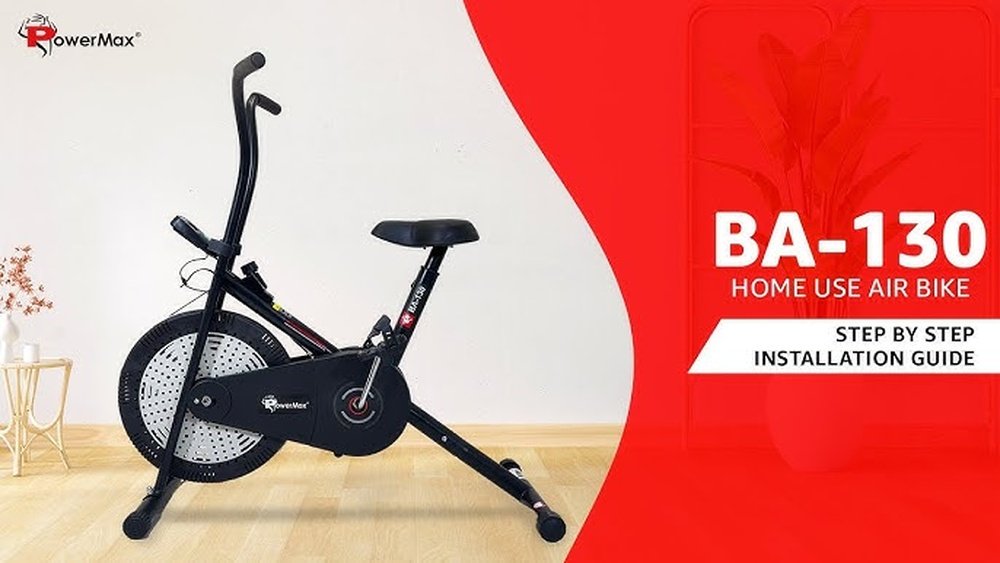
If you’ve just got an exercise bike or are thinking about getting one, you might wonder how to make the most of it. You want to burn calories, build strength, and boost your heart health—but where do you start?
This usage guide will walk you through everything you need to know. From setting up your bike correctly to picking the right workout routine, you’ll learn simple steps that help you get results fast. Ready to turn your exercise bike into your favorite fitness tool?
Keep reading, and let’s get you pedaling the smart way!
Choosing The Right Bike
Choosing the right exercise bike is key to enjoying your workouts. The perfect bike fits your space, goals, and comfort needs. This guide helps you find the best model for your home gym.
Recumbent Vs Upright Models
Recumbent bikes have a larger seat and backrest. They offer more comfort and support for your lower back. These are great for people with joint pain or balance issues.
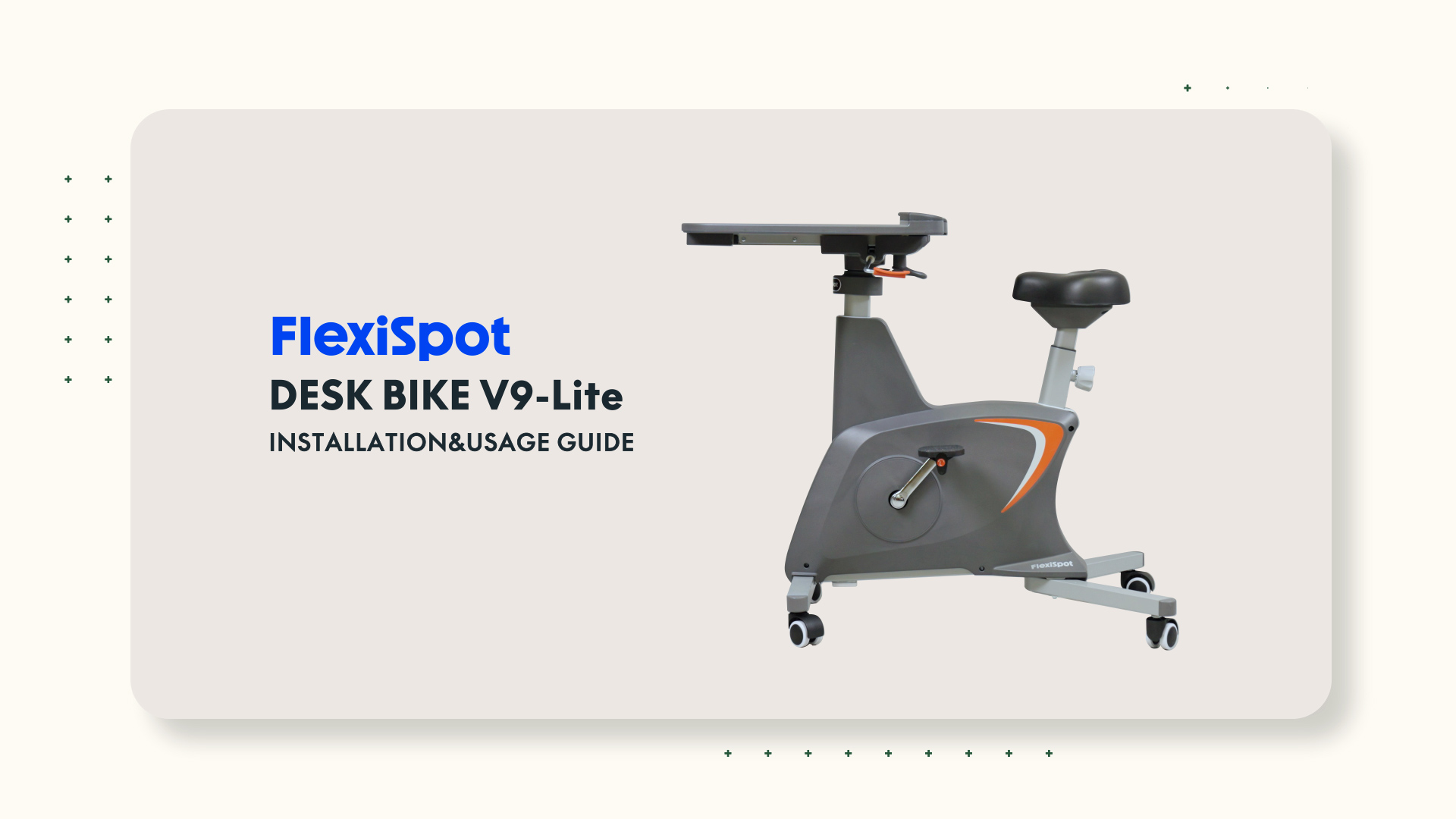
Upright bikes look like traditional bicycles. They require more core strength and engage more muscles. These bikes are better for intense cardio workouts and building endurance.
Key Features To Consider
Check the bike’s resistance levels. More levels mean better workout variety. Look for smooth and quiet operation for a pleasant experience.
Adjustable seats and handlebars improve comfort and posture. A clear display showing speed, time, and calories helps track progress. Extras like built-in fans or speakers add convenience.
Budget And Price Range
Exercise bikes come in many price ranges. Basic models start around a hundred dollars. Mid-range bikes offer more features and durability for a few hundred dollars.
High-end bikes cost more but include advanced technology and sturdy build. Decide how often you will use the bike before choosing your budget. A good bike fits your needs without overspending.

Credit: www.youtube.com
Proper Setup
Setting up your exercise bike correctly helps you avoid injuries and improves your workout. Proper setup ensures comfort and efficiency during exercise. Follow these simple steps to prepare your bike for use.
Adjusting Seat Height
Sit on the bike and place your feet on the pedals. Adjust the seat so your leg is almost straight when the pedal is at the lowest point. This position reduces stress on your knees and increases pedal power. Lock the seat firmly once it feels right.
Handlebar Positioning
Move the handlebars to a height that feels natural for your arms and back. Your shoulders should stay relaxed, not raised or tense. Proper handlebar height helps maintain good posture and prevents back pain. Tighten the handlebar adjustment before starting your workout.
Pedal Strap Usage
Place your feet inside the pedal straps to keep them secure during cycling. Adjust the straps so they fit snugly but not too tight. Proper use of pedal straps improves your pedaling efficiency and keeps your feet from slipping. Check the straps regularly for wear and tear.
Effective Workout Techniques
Effective workout techniques improve your exercise bike sessions. They help you burn calories and build stamina faster. Using the right methods also reduces injury risk. Focus on posture, warm-up, and training style for best results.
Correct Riding Posture
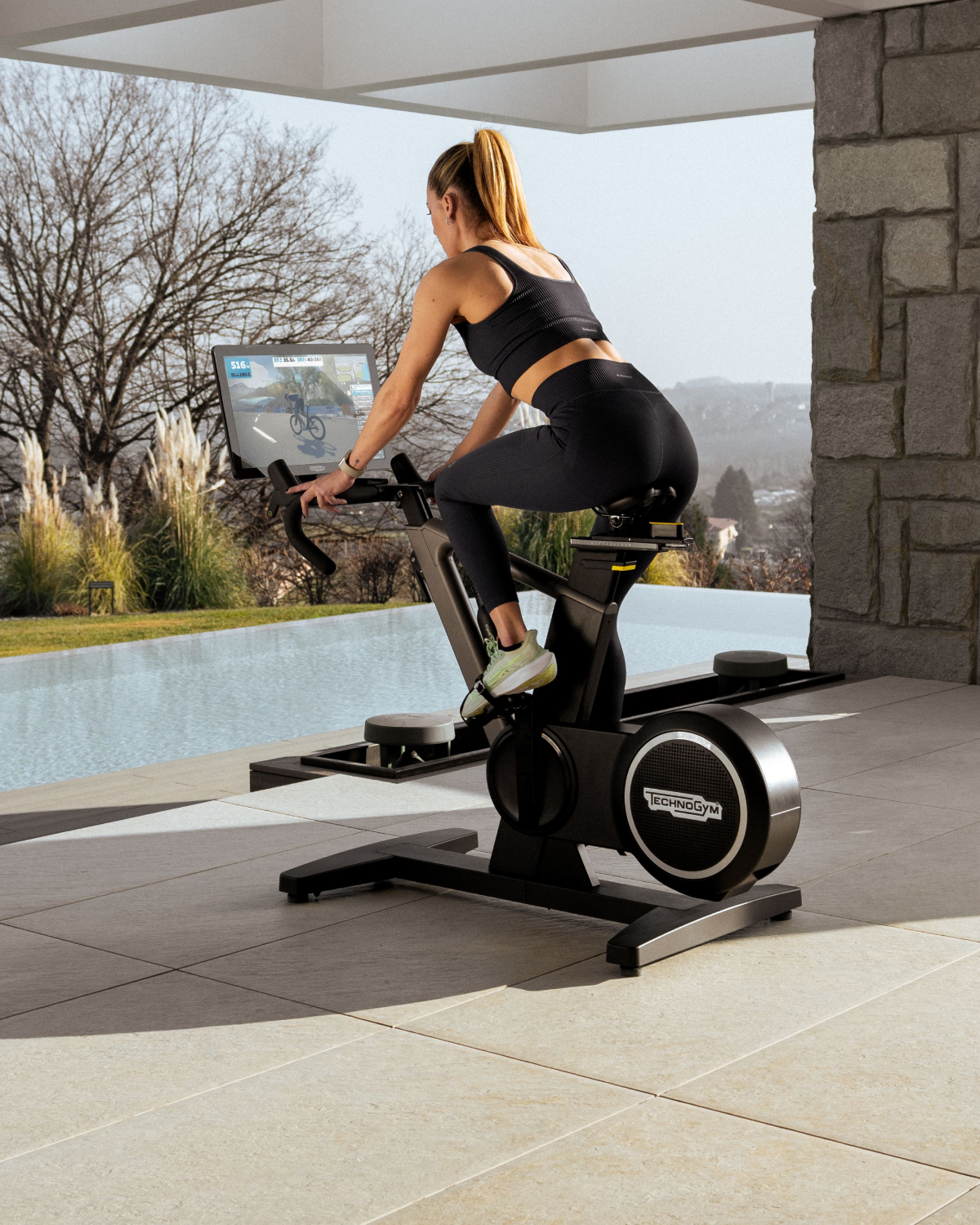
Sit upright with a straight back. Keep your shoulders relaxed and down. Adjust the seat height so your legs extend fully when pedaling. Avoid leaning too far forward or backward. Proper posture helps prevent pain and boosts pedal efficiency.
Warm-up And Cool-down Routines
Start with light pedaling for five minutes to warm your muscles. Gradually increase resistance and speed. After your workout, slow down the pace for five minutes. Stretch your legs and hips gently. These routines prepare your body and reduce soreness.
Interval Training Methods
Alternate between high-intensity pedaling and low-intensity recovery. For example, pedal hard for 30 seconds, then slow for 60 seconds. Repeat this cycle 6 to 10 times. Interval training improves endurance and burns more calories in less time.
Workout Plans For Goals
Setting clear goals helps create effective workout plans on an exercise bike. Your target shapes the type of sessions you should follow. Different aims require specific training styles and intensities. Here are some workout plans tailored to common fitness goals.
Fat Loss Sessions
Focus on high-intensity interval training (HIIT) to burn fat fast. Alternate between intense pedaling for 30 seconds and slow recovery for 1 minute. Repeat this cycle for 20 to 30 minutes. This method boosts metabolism and burns calories even after exercise. Keep resistance moderate to maintain speed and heart rate.
Building Strength And Muscle
Use higher resistance settings to challenge your leg muscles. Pedal slowly with strong force for 1 to 2 minutes. Rest or pedal lightly for 2 minutes before the next set. Perform 4 to 6 sets per session. This approach helps tone muscles and improves power.
Endurance Improvement
Ride at a steady, moderate pace for 45 to 60 minutes. Keep resistance low to moderate, allowing continuous pedaling without fatigue. Aim to maintain a steady heart rate in the aerobic zone. Longer sessions build cardiovascular endurance and stamina. Gradually increase duration as fitness improves.
Maximizing Benefits
Using an exercise bike is a smart choice for improving fitness and health. To get the most from your workouts, focus on specific techniques and habits. Simple changes can boost your results and keep you motivated. This section shares ways to maximize benefits while using an exercise bike.
Engaging Core Muscles
Keep your back straight and avoid leaning on the handlebars. Tighten your abdominal muscles during pedaling. This helps improve balance and posture. Engaging your core burns more calories and strengthens your midsection. It also protects your lower back from strain. Try to feel your stomach muscles working with each pedal stroke.
Maintaining Consistency
Set a regular schedule for your exercise bike sessions. Aim for at least 3 to 5 days per week. Short, daily rides work better than long, irregular workouts. Consistency builds endurance and improves heart health. Create a routine that fits your lifestyle and stick to it. The key is steady progress over time.
Tracking Progress
Use a fitness app or the bike’s display to record your workouts. Note your speed, distance, and time each session. Tracking helps you see improvements and stay motivated. Set small goals like increasing time or resistance. Celebrate when you reach milestones. This keeps your workouts challenging and rewarding.
Special Considerations
Special considerations help users get the best results from their exercise bike. These tips ensure safety and comfort for all types of riders. Different groups need different approaches to exercise.
Understanding these needs makes workouts more effective and enjoyable. It is important to adjust the bike and workout style based on personal health and goals.
Exercise For Seniors And Families
Seniors benefit from low-impact workouts that protect joints. Exercise bikes offer gentle movement that improves strength and balance. Families can use bikes together to encourage healthy habits. Choose settings that match each person’s fitness level and comfort.
Short sessions with breaks keep seniors motivated and prevent fatigue. Children should use bikes under supervision to ensure safety. Adjust seat height and resistance for each user to avoid strain.
Using Bikes For Rehabilitation
Exercise bikes support recovery from injury or surgery. They help restore movement and build muscle without heavy strain. Start with low resistance and slow speeds to avoid pain. Consult a healthcare provider before starting any rehab exercise.
Use smooth, controlled motions to protect healing joints and muscles. Regular sessions improve circulation and speed up recovery. Keep track of progress and adjust workouts as strength returns.
Heart Health And Low-impact Exercise
Exercise bikes provide an excellent way to support heart health. Cycling raises the heart rate gently and improves circulation. This low-impact exercise reduces stress on knees and hips. It helps control blood pressure and cholesterol levels.
Consistent workouts strengthen the heart muscle over time. Aim for steady pedaling at a comfortable pace. Monitor heart rate and avoid overexertion for safe, effective training.
Troubleshooting And Tips
Using an exercise bike is a simple way to stay fit at home. Yet, beginners often face small problems. This section offers easy tips and solutions to help you ride smoothly. Follow these hints to avoid frustration and enjoy your workouts.
Common Mistakes To Avoid
Many users start with the seat too high or too low. This causes knee pain and poor posture. Adjust the seat so your leg is almost straight at the pedal’s lowest point. Avoid leaning too far forward. Keep your back straight and shoulders relaxed. Another mistake is pedaling too fast with low resistance. This reduces workout effectiveness. Find a steady pace with moderate resistance for better results.
Dealing With Discomfort
Discomfort often comes from wrong bike settings. Check the seat height and handlebar position first. Use padded cycling shorts to reduce saddle soreness. If your feet hurt, try shoes with stiff soles or clip-in pedals. Keep your feet flat and avoid pointing toes down. Take short breaks during long sessions to stretch your legs. Drink water to stay hydrated and prevent cramps.
Maintaining Your Bike
Regular maintenance keeps your bike working well. Wipe the frame and screen after every use to remove sweat. Check pedals and screws monthly to ensure they are tight. Lubricate the chain or moving parts as the manual suggests. Inspect the resistance system and replace worn parts quickly. Store your bike in a dry place to avoid rust and damage.
Credit: www.amazon.com
Credit: www.technogym.com
Frequently Asked Questions
How Many Minutes A Day Should You Ride A Stationary Bike?
Ride a stationary bike for at least 30 minutes daily to improve fitness and burn calories. Beginners can start with 10-15 minutes.
Is A Stationary Bike Ok For Plantar Fasciitis?
A stationary bike is safe for plantar fasciitis as it offers low-impact exercise. It reduces stress on your feet while improving circulation and strength. Adjust the seat properly to avoid strain and stop if pain worsens.
What Is The Best Exercise Bike For Parkinson’s Disease?
The Theracycle-M Exercise Bike suits Parkinson’s patients best. It offers motorized arm and leg workouts, aiding movement and strength.
Is A Stationary Bike Good For Heart Patients?
A stationary bike strengthens the heart, improves circulation, and supports healthy blood pressure. It reduces heart disease risks safely.
Conclusion
Using an exercise bike regularly improves your fitness and health. Start slow, then increase time and intensity as you feel stronger. Keep your posture right to avoid discomfort. Set small goals to stay motivated and track progress. Remember to warm up and cool down each session.
Consistency is key for long-term benefits. Enjoy the journey to a healthier you with your exercise bike.
I am a certified fitness coach with over 10 years of experience helping people improve their strength, endurance, and overall health. Specializes in workout programming, weight training, fat loss, muscle building, home fitness, and evidence-based nutrition.My goal is to make fitness simple and practical through well-researched guides, honest product reviews, and actionable training advice.