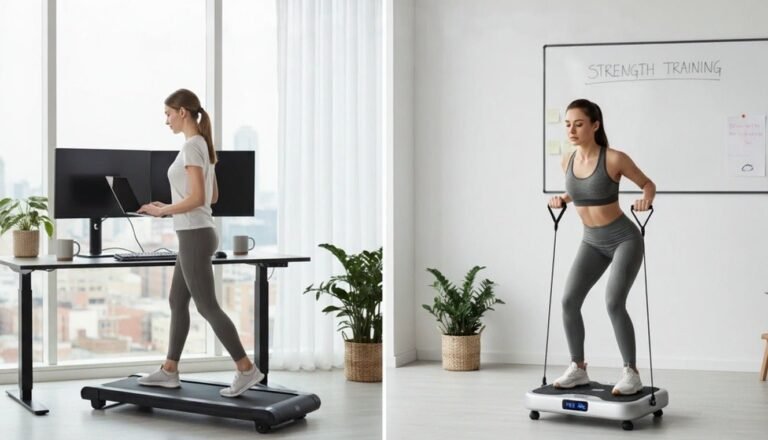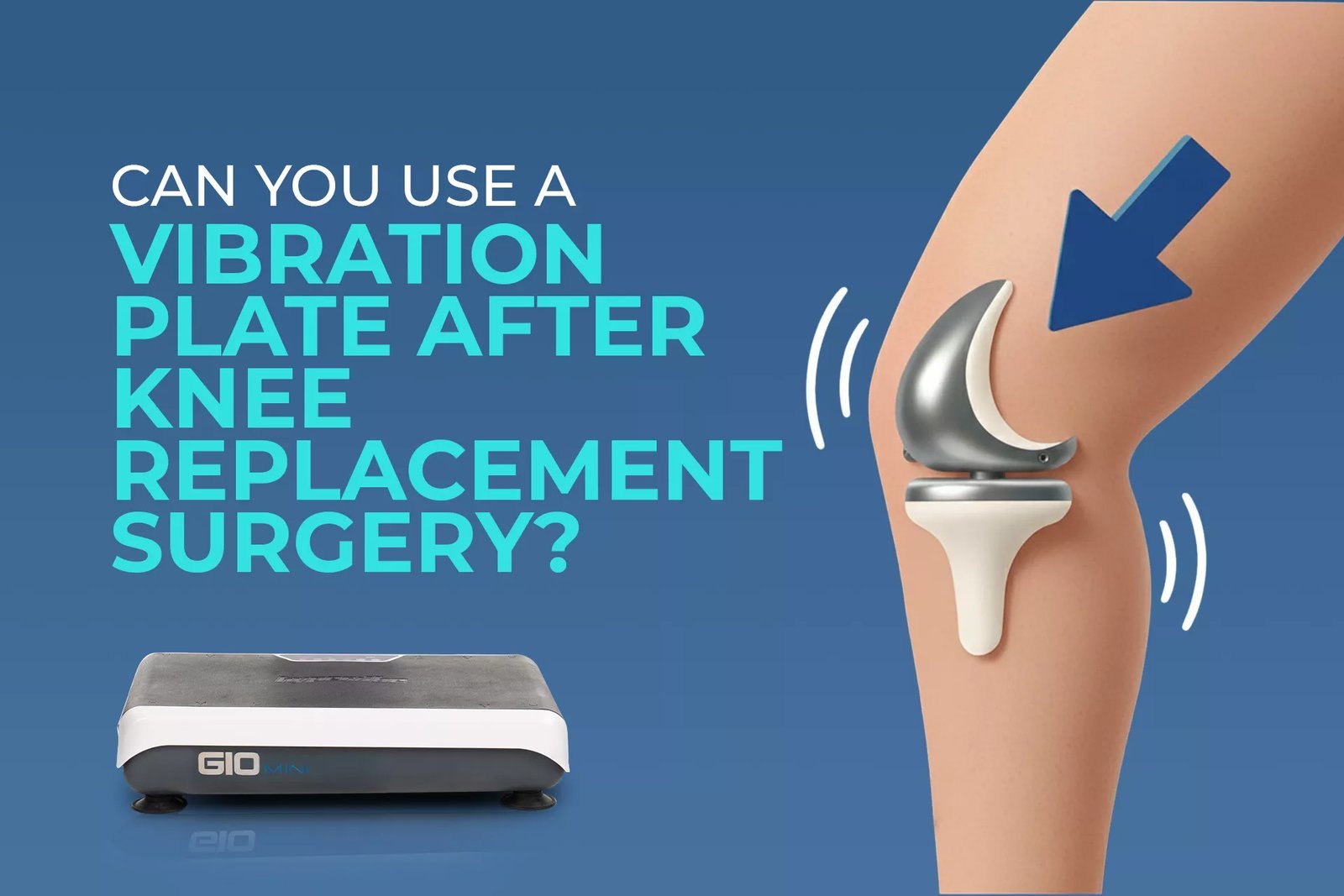
Yes, you can use a vibration plate after knee replacement, but only once your surgeon clears you for full weight-bearing and impact. If you’re still in the early healing phase or your implant isn’t fully set, the vibration is a no. Ask your surgeon at your next check-up before you step on one.
When vibration plates are safe after knee replacement
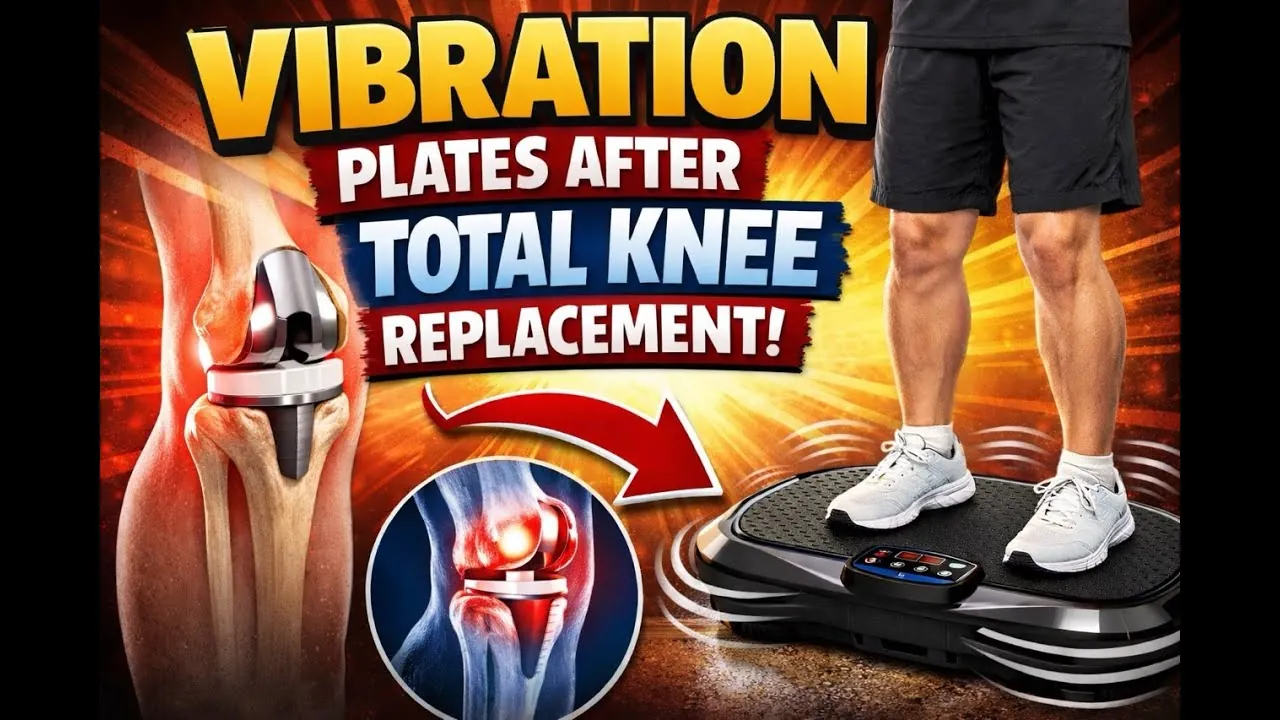
The answer depends on where you’re in recovery, not on the machine itself. Two people with the same implant can get opposite advice because their healing stage and bone quality differ. Use this table to find your own situation.
| Your situation | Answer | Why |
|---|---|---|
| Cleared for full weight-bearing and impact by your surgeon | Yes, start gentle | Implant is stable, tissue has healed |
| Not yet cleared for full weight-bearing | No | Bone and tissue are still fixing to the implant |
| Still using a walker or crutches | No | You can’t balance safely on a moving plate |
| Surgeon says “no impact yet” | No | Vibration counts as impact for a healing knee |
| Full recovery, no pain, cleared by your surgeon | Yes, normal use | Same as any healthy adult |
| Swelling or pain that’s getting worse | No | Something’s wrong — get it checked first |
| Osteoporosis or weak bone near the implant | Ask first | Vibration may stress thin bone |
What actually decides the answer
Your surgeon’s weight-bearing status is the real gate here, not the calendar. A vibration plate sends small, fast forces up through your legs. A healed knee handles that fine. A knee where the bone hasn’t fully grown around the implant does not.
The stage of healing matters more than how many weeks have passed. Some people are cleared at 3 months; others need 6 or more. Your bone density and the type of implant also change the picture.
So the rule is simple. If your surgeon has cleared you for full weight-bearing and impact, then gentle vibration is usually fine. If you’re still protected or in pain, then wait — no machine is worth risking the implant.
How to start if you get the green light
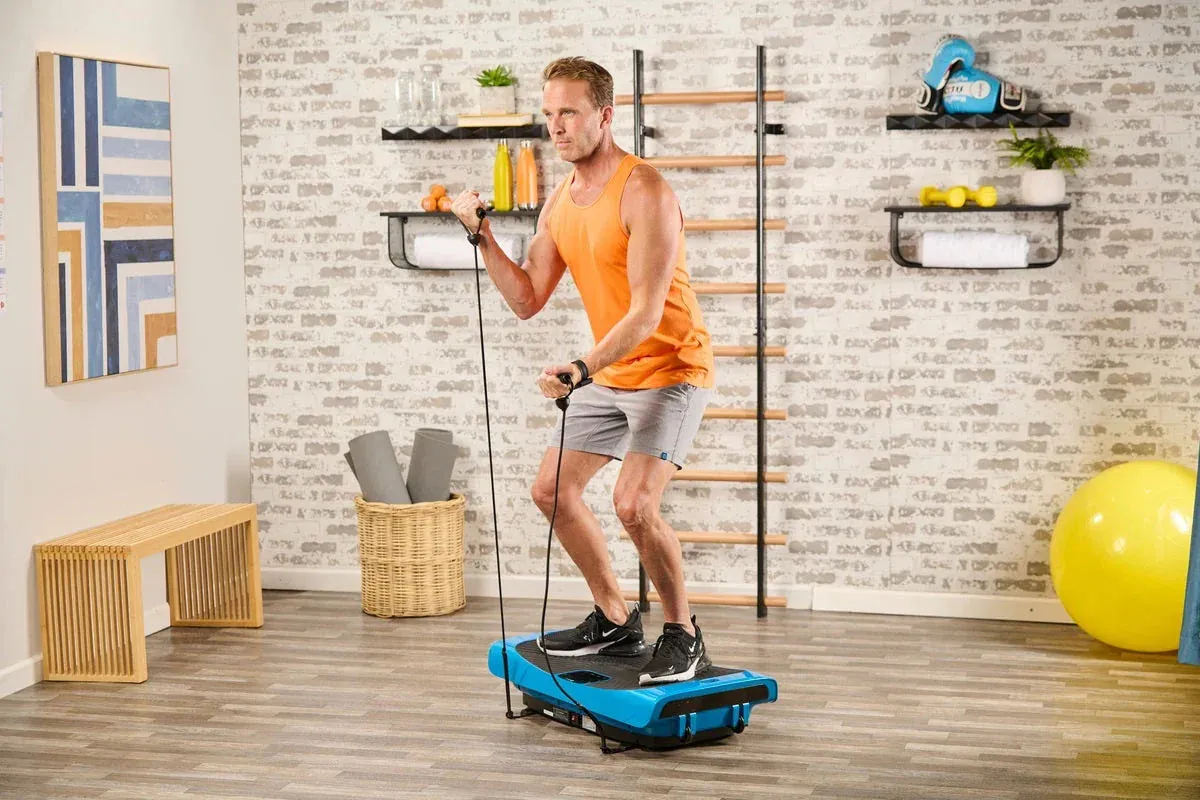
- Hold the handrails the whole time. Balance is still rebuilding, and the rails keep you steady. You’ll know it worked when you can stand without wobbling.
- Start at the lowest setting for 1-2 minutes. Most plates list their speed as a number or a level. Stay at the bottom for your first few sessions.
- Keep your knees slightly bent, not locked. Locked knees pass more force straight up the leg. A soft bend feels easier right away.
- Add 1 minute per session, up to 10 minutes. Stop adding once you feel comfortable. Ten minutes is plenty for most home plates.
- Check for swelling the next morning. A knee that looks normal and feels the same is your sign to continue. New swelling means back off.
The mistake that costs people progress
The most common error is starting too soon because the knee “feels fine.” A replaced knee can feel calm while the bone is still bonding to the implant. Stepping on a plate in that window can loosen the implant or cause a setback that adds weeks to recovery.
The fix is one question at your follow-up: “Am I cleared for vibration and impact?” Get the answer in writing if you can. That single check protects months of work.
When to stop and call your surgeon
- New or worse swelling — fluid building up can mean the implant is being stressed.
- Pain that lasts past the session — soreness that lingers hours later isn’t normal.
- A feeling that the knee is unstable — that’s a sign to stop and get it looked at.
- Warmth, redness, or fever — these can point to infection, which needs urgent care.
Stop using the plate and call your surgeon’s office. Only your surgeon or a physical therapist can judge whether the implant is safe. Don’t push through these signs on your own.
Frequently asked questions
Can I use a vibration plate after knee replacement?
Yes, but only after your surgeon clears you for full weight-bearing and impact. That’s usually around 3 months or later. Before clearance, don’t use one.
How long after knee replacement can I use a vibration plate?
Surgeons clear full weight-bearing on their own timeline, and impact like vibration often waits until 3 months or more. Your own timeline depends on your healing.
Is a vibration plate safe for a replaced knee?
It’s safe once the implant is stable and you’re cleared. Before that, the vibration can stress healing bone. Always confirm with your surgeon first.
Why does my knee swell after using a vibration plate?
Swelling means the knee is being stressed more than it can handle right now. Stop using the plate and tell your surgeon. It may just mean you started too soon.
What happens if I use a vibration plate too early?
You could loosen the implant or slow your healing, which may add weeks to recovery. Wait for your surgeon’s clearance before you start.
Does a vibration plate help knee replacement recovery?
The evidence is mixed, and it’s not a standard part of rehab. It may help with balance and muscle tone for some people, but it doesn’t replace physical therapy.
Can I use a vibration plate with a walker or crutches?
No. You can’t balance safely on a moving plate while using a walker or crutches. Wait until you can stand on your own without support.
Your next step
Ask your surgeon at your next visit whether you’re cleared for vibration and impact. If the answer is yes, start at the lowest setting for 1-2 minutes and watch for swelling the next day. Stop and call your surgeon if pain or swelling gets worse.

I am a certified fitness coach with over 10 years of experience helping people improve their strength, endurance, and overall health. Specializes in workout programming, weight training, fat loss, muscle building, home fitness, and evidence-based nutrition.My goal is to make fitness simple and practical through well-researched guides, honest product reviews, and actionable training advice.