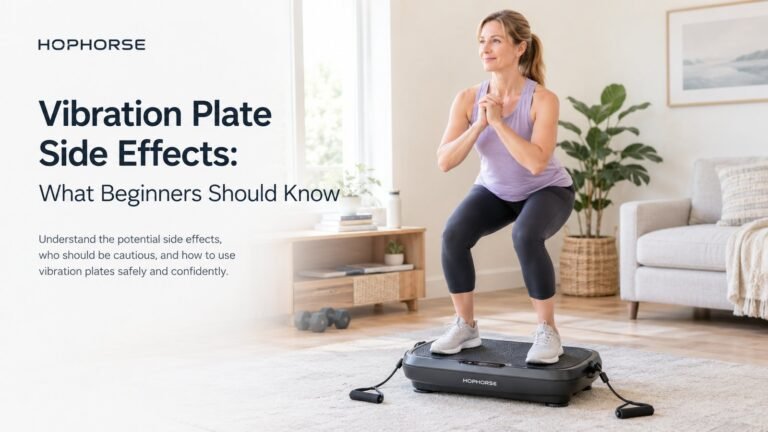

For most people, a walking pad burns more calories and builds more fitness. A vibration plate wins only if you can’t walk steadily for 20 minutes — joint pain, balance problems, or a desk you can’t leave.
Walking pad vs vibration plate compared

A walking pad is a flat belt you walk on, usually at 0.5 to 4 mph. A vibration plate shakes under your feet while you stand, sit or hold a pose. They look similar in a photo. They train your body in very different ways.
| Method | How long | Effort | Cost | Best for |
|---|---|---|---|---|
| Walking pad | 20–45 min | Medium | Medium | Cardio, steps, weight goals |
| Vibration plate | 10–20 min | Low | Medium | Balance, light muscle work |
| Walking outside | 20–60 min | Medium | Low | Fresh air, no equipment |
| Desk pedaler | 20–60 min | Low | Low | Sitting jobs, gentle movement |
How a walking pad works
A walking pad is a motorized belt with no handrails. You stand on it, press start, and walk. Most models run 0.5 to 4 mph, which covers a slow stroll up to a brisk walk.
- Place it on a hard, flat floor with 2 feet of clear space behind you.
- Start at 1 mph for 2 minutes to warm up.
- Raise to 2 to 3 mph for 20 to 30 minutes.
- Cool down at 1 mph for the last 2 minutes.
It’s great for daily step counts and steady cardio. The weakness: no handrails, so it’s a poor choice if your balance isn’t steady.
How a vibration plate works
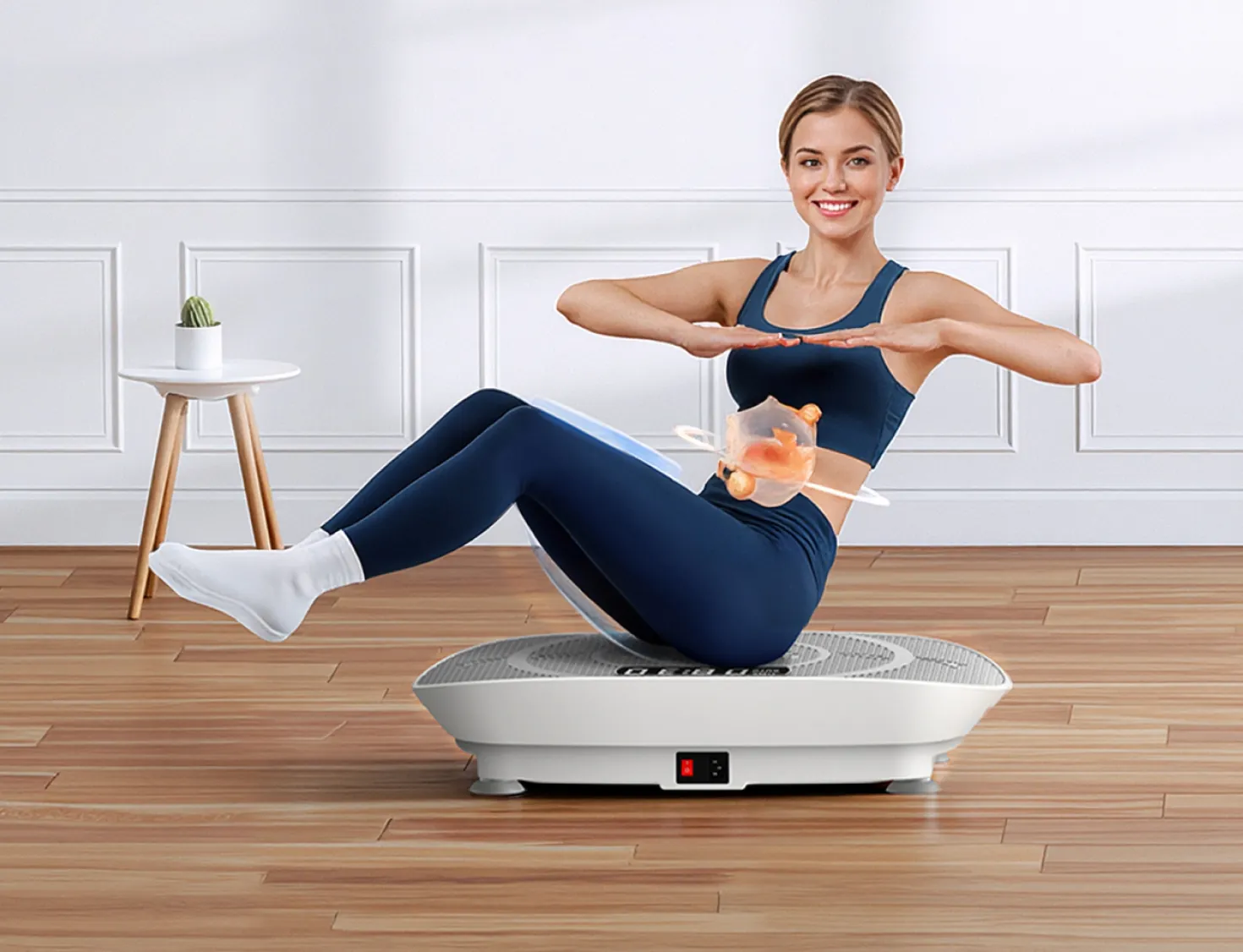
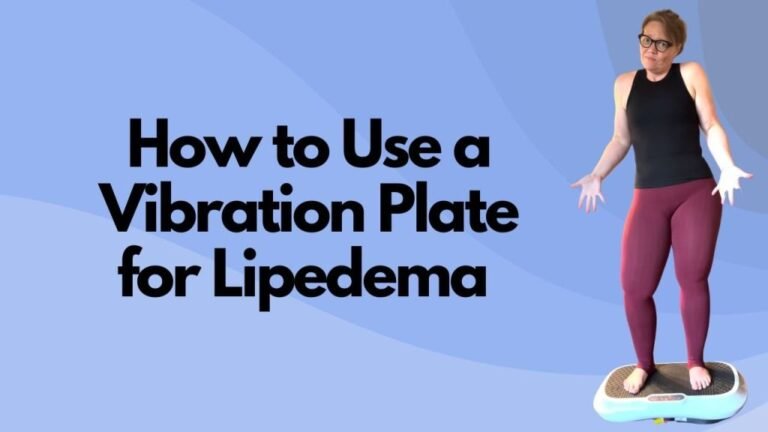
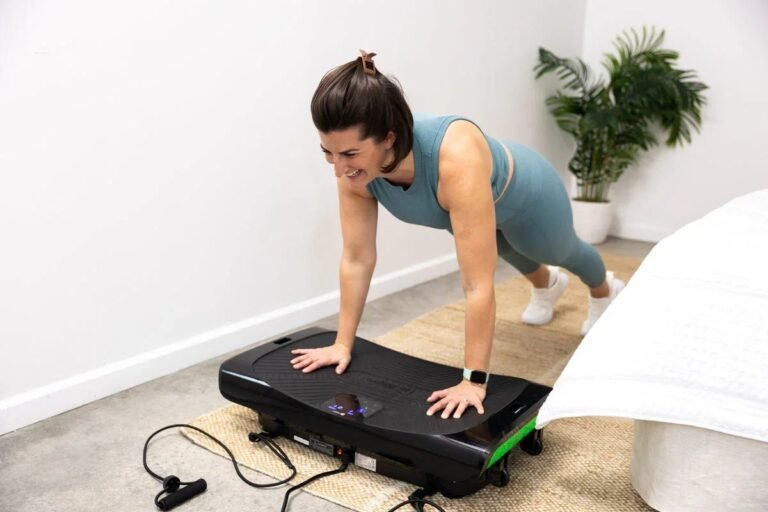
A vibration plate has a platform that shakes at a set frequency, usually 15 to 50 Hz. You stand, squat or hold a pose on it while it runs.
- Step on with both feet shoulder-width apart.
- Start at the lowest setting for 30 seconds.
- Build to 10 to 15 minutes per session.
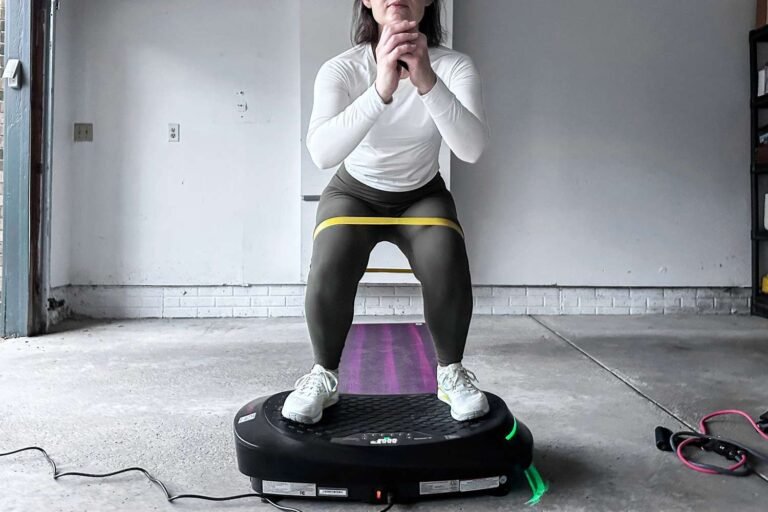
- Hold a squat or lunge for 30 seconds at a time if you want more.
It’s useful when standing still is all you can manage, and some people find it helps with balance work. Its honest weakness is that the movement does the shaking for you — you’re not putting in much effort yourself.
Choosing between them
If you’re short on time, use the vibration plate — 10 minutes fits into a lunch break. If it’s your first piece of home equipment, pick the walking pad, because the habit sticks faster. If you want the best possible result, the walking pad wins again.
The trade-off is simple: the walking pad asks more of your body and gives more back. The vibration plate asks almost nothing and gives a little. Neither one replaces strength training or a proper diet.
Rules that apply to both

Whatever you pick, some things stay the same. The Physical Activity Guidelines for Americans from the U.S. Department of Health and Human Services set the target most adults should aim for: 150 minutes of moderate activity a week.
Before you start, clear the floor and check the weight limit in your manual. Partway through, check your posture: relaxed shoulders, soft knees, eyes forward. At the end, wipe the belt or platform down and store it flat.
If you have a heart condition, are pregnant, or have a bone or joint problem, talk to your doctor before using either machine.
Related guides
- Best Bumper Plates for Outdoor Use 2026: Top Picks for Durability
- Size Guide Powerlifting Belt: Find Your Perfect Fit Fast
Frequently asked questions
Which burns more calories, a vibration plate or a walking pad?
The walking pad, by a wide margin. Walking at 3 mph for 30 minutes burns far more than standing on a vibrating platform for the same time, because your legs are doing the work. The exact figure depends on your body weight and pace, so check a calorie chart for your weight.
Can I lose weight with a vibration plate alone?
No, not realistically. Weight loss comes mainly from eating fewer calories than you burn, and a vibration plate burns very little on its own. Use it as a small add-on to walking, strength work and your diet — not as the main plan.
How long should I use a walking pad each day?
Aim for 20 to 45 minutes at 2 to 3 mph, most days. That fits the 150 minutes a week in the federal guidelines. If you’re new to it, start with 10 minutes daily and add 5 minutes each week until you reach your target.
Is a vibration plate safe for your knees?
For most healthy people, short sessions at low settings are fine. If you have knee arthritis, a recent injury or joint replacement, ask your doctor first.
Can I use a walking pad under a standing desk?
Yes, and that’s what they’re built for. Keep the speed at 0.5 to 2 mph while you type. Check your desk’s height range first — you’ll want it high enough that your arms rest flat.
What happens if I stop using either one?
Nothing bad — you just lose the fitness you built. Muscle and cardio gains fade over a few weeks of no activity. Keep a 10-minute minimum on busy days so the habit survives.
Do I need special shoes for a walking pad?
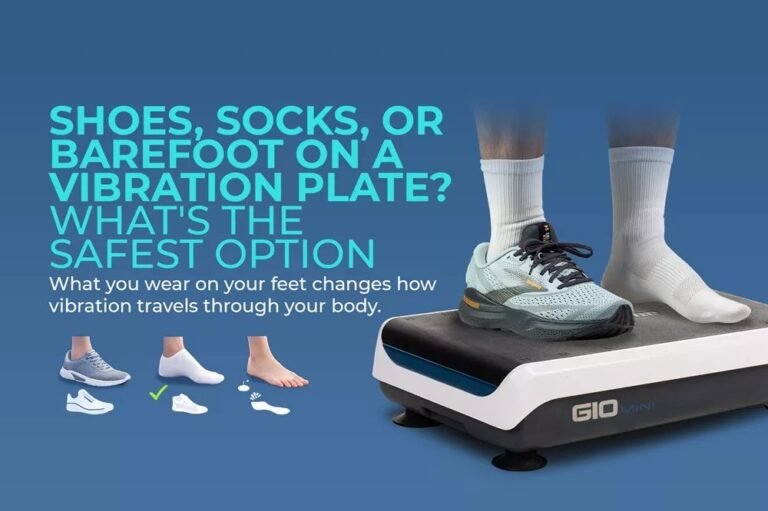
No, but wear something with a flat sole rather than socks or bare feet. Bare feet slip on the belt and get hot from friction. Save the running shoes for outdoor walks and use light trainers or flat sneakers indoors.
Conclusion
Pick the walking pad if your body can handle 20 minutes of steady walking, and pick the vibration plate if it can’t — that’s the whole decision. Whichever you choose, the machine only helps if you actually get on it, so buy the one that fits the 20 minutes you really have.
I am a certified fitness coach with over 10 years of experience helping people improve their strength, endurance, and overall health. Specializes in workout programming, weight training, fat loss, muscle building, home fitness, and evidence-based nutrition.My goal is to make fitness simple and practical through well-researched guides, honest product reviews, and actionable training advice.