Yes, you can use a vibration plate with an IUD, and the coil won’t move because of the shaking. The one thing that changes this answer is whether you’re still in the first few weeks after insertion, or you have new pain or bleeding. If either is true, call your clinic before you switch the plate on.
When a vibration plate is fine and when it isn’t

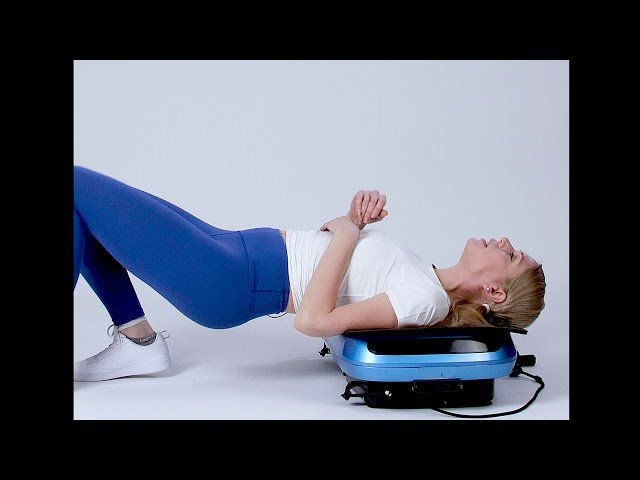
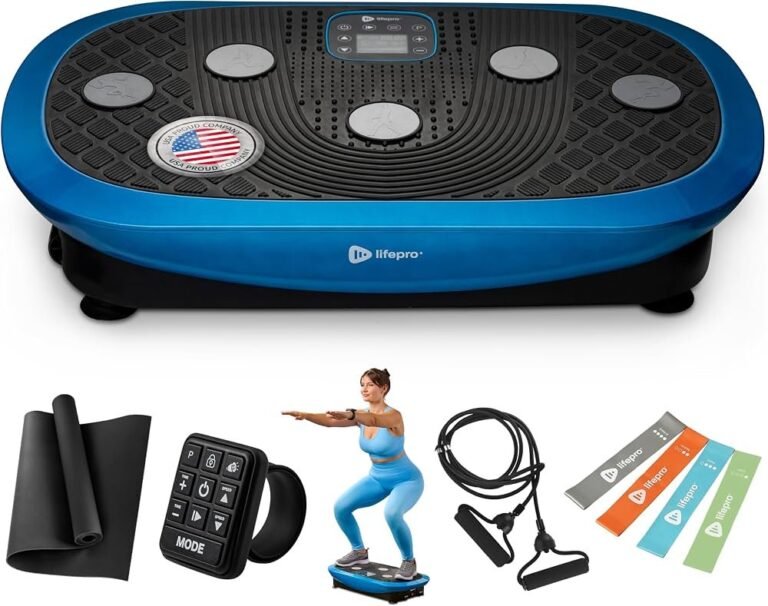
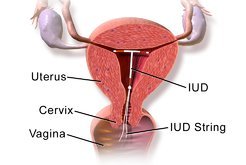
A vibration plate is safe for most people with an IUD, because the device sits inside the uterus and the muscles around it hold it there. The plate shakes your whole body, not one small area, so it can’t pull the coil out.
| Your situation | Answer | Why |
|---|---|---|
| IUD in for 3+ months, no symptoms | Yes, go ahead | It’s settled and stable |
| IUD inserted this week | Wait until your clinic clears you | Cramping and spotting are normal then |
| Mild cramp after a workout | Yes, but slow down | Exercise can trigger cramps |
| Heavy bleeding or fever | No, call your clinic | These aren’t normal workout effects |
| You feel the strings moved | No, get checked first | A doctor should confirm placement |
| Pregnant with an IUD | No, talk to your doctor | Pregnancy with an IUD needs medical care |
| Copper or hormonal IUD | Yes, same answer | Both types sit the same way |
What actually decides if it’s safe
The thing that decides this isn’t the plate’s power or the IUD brand. It’s whether the IUD is settled and whether you have symptoms that need checking. A newly inserted IUD sits in a uterus that’s still cramping, and strong whole-body shaking can make those cramps feel worse. That’s discomfort, not danger.
Once the coil has settled — usually a few weeks — the uterus holds it in place, and normal exercise doesn’t dislodge it. The NHS guide on the IUD says the coil can be used during exercise.
If you have no new pain, no heavy bleeding and no fever, then train as normal. If any of those appear, then stop and get checked before your next session.
How to use the plate without problems

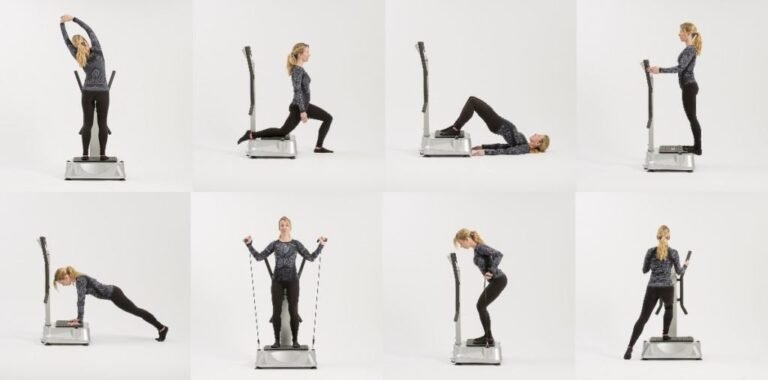
- Start at the lowest setting for 5 minutes. If you feel no new cramping during or after, the setting works for you.
- Stand with soft knees, feet shoulder-width apart. Soft knees help you stay balanced and comfortable.
- Keep sessions to 10-15 minutes. That’s the common range for home plates.
- Skip the plate on heavy period days. Cramps are often higher then, and you may not feel like exercising.
- Check your strings regularly. If they feel longer, shorter or you can’t find them, call your clinic.
- Stop at once if you feel sharp pain. Sharp pain is your signal to get checked, not to push through.
The mistake that causes the most trouble
The biggest error is treating new bleeding or pain as a normal workout effect and training through it. That costs you time — you keep exercising while something needs a doctor’s look — and it can delay treatment for a real problem like a partially expelled IUD. The check that avoids it’s simple: compare how you feel before the session with how you feel an hour after. If the second one is worse, stop and call your clinic.
When to stop and see a doctor

- Sharp or one-sided pain — this isn’t a workout ache, and a doctor should check it.
- Heavy bleeding with clots — your clinic needs to rule out expulsion or infection.
- Fever or bad-smelling discharge — possible infection, which needs treatment fast.
- You can’t feel your strings — a nurse or doctor should confirm the IUD is still in place.
- A positive pregnancy test — pregnancy with an IUD needs urgent medical care, not home exercise.
If any of these apply, stop using the plate and contact your clinic or doctor. Don’t try to fix it yourself.
Related guides
- Weight Plates Kg Vs Lbs Conversion
- Weight Plates Workout Routines for Beginners at Home
- Best Bumper Plates for Home Gym Reddit Picks 2026: Top Buys
Frequently asked questions
Can a vibration plate move my IUD?
No. The IUD sits inside the uterus, and the muscles around it hold it in place. Whole-body vibration from a plate doesn’t create the force needed to push it out.
How long after IUD insertion can I use a vibration plate?
Wait about 3 to 7 days if you had a straightforward insertion with mild cramping. If you had strong pain or heavy bleeding, wait until your clinic says it’s fine.
Is it safe to use a vibration plate with an IUD?
Yes, for most people. It’s safe once the IUD has settled and you have no new pain, bleeding or fever. Stop and get checked if any of those appear.
Why do I cramp after using a vibration plate?
Cramps can happen after exercise, especially in the first weeks after insertion. That’s usually a comfort issue, not a sign the IUD has moved. If cramps are strong or last hours, call your clinic.
What happens if the IUD comes out during exercise?
It’s rare, but if it happens you may see the device or feel sudden pain. Use backup birth control and call your clinic the same day. Don’t try to push it back in.
Does the type of IUD matter for vibration plates?
No. Copper and hormonal IUDs sit in the same place and are held the same way. Your symptoms and how long you’ve had it matter more than the brand.
Can I use a vibration plate during my period with an IUD?
Yes, if your cramps are mild. Many people find periods heavier in the first months with an IUD, so skip the plate on your heaviest days if cramping gets worse.
Start with five minutes and check how you feel
Do your first session at the lowest setting for 5 minutes, then see how you feel an hour later. Expect no new pain and no extra bleeding — that’s the sign it’s working for you. If sharp pain, heavy bleeding or fever shows up, stop and call your clinic.

I am a certified fitness coach with over 10 years of experience helping people improve their strength, endurance, and overall health. Specializes in workout programming, weight training, fat loss, muscle building, home fitness, and evidence-based nutrition.My goal is to make fitness simple and practical through well-researched guides, honest product reviews, and actionable training advice.