Weight Plates Workout Routines For Beginners At Home
Starting your fitness journey at home can feel overwhelming, especially when you see complex equipment and routines online. But you don’t need a full gym to get strong. With just a set of weight plates, you can build muscle, improve balance, and boost confidence—all from your living room. This guide will show you simple, safe, and effective weight plates workout routines for beginners at home. You’ll learn how to use weight plates, which exercises work best, and how to avoid common mistakes. By the end, you’ll know how to create your own routine and start getting results.
What Are Weight Plates And Why Use Them?
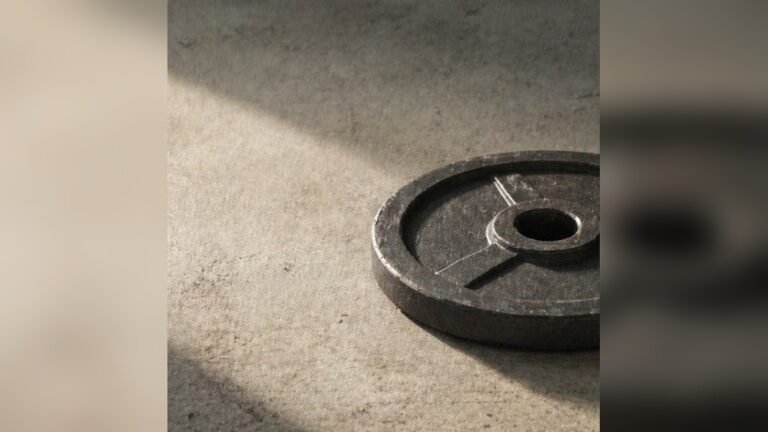
Weight plates are round metal or plastic disks used for strength training. You often see them attached to barbells, but you can use them alone for a variety of exercises. They come in different sizes, usually ranging from 2.5 lbs to 45 lbs. For beginners, lighter plates (5–10 lbs) are ideal.
Why Choose Weight Plates?
- They’re affordable compared to other gym equipment.
- They take up little space—perfect for small apartments.
- You can use them for many exercises, not just lifting.
Using weight plates helps you develop basic strength, improve stability, and learn proper form before moving to heavier equipment. Plus, you don’t need a spotter, which makes them safer for home workouts.
*Suggested image: Weight plates stacked on a mat. Alt text: “Variety of weight plates for home workouts.”*
Essential Safety Tips For Beginners
Safety should always come first, especially when you’re new to strength training. Here are some practical tips:
- Warm up before every session (5–10 minutes of light cardio or stretching).
- Start with lighter weights to learn proper technique.
- Keep your core engaged during exercises.
- Use slow, controlled movements to prevent injury.
- Place weight plates on a non-slip surface.
- Don’t rush. Quality matters more than quantity.
Many beginners skip warming up or use weights that are too heavy. Both mistakes can lead to injury and slow progress. If you’re unsure about your form, record yourself or ask a friend to watch.
*Suggested image: Person warming up with dynamic stretches. Alt text: “Beginner warming up before weight plates workout.”*
Credit: www.walmart.com
How To Choose The Right Weight Plates For Home
There are several types of weight plates available. Picking the right ones for your home gym can make a big difference in your workouts.
| Type | Material | Best For | Beginner Friendly? |
|---|---|---|---|
| Standard | Iron/Steel | Basic exercises | Yes |
| Rubber-coated | Iron with rubber | Home gyms (quiet, floor-safe) | Yes |
| Bumper | Thick rubber | Olympic lifts, dropping | Not necessary |
| Adjustable | Plastic/Metal | Space-saving | Yes |
For beginners, rubber-coated plates are usually best. They protect your floor, are quieter, and safer if dropped. Start with pairs of 5 lbs and 10 lbs plates. Avoid bumper plates unless you plan to do Olympic lifts.
Basic Weight Plates Exercises For Beginners
Weight plates can be used for a wide variety of exercises. Here are some simple moves you can do at home:
1. Plate Squat
Hold a plate close to your chest and perform a squat. This builds leg strength and core stability.
2. Overhead Press
Stand upright, press the plate overhead. Great for shoulders and upper arms.
3. Russian Twist
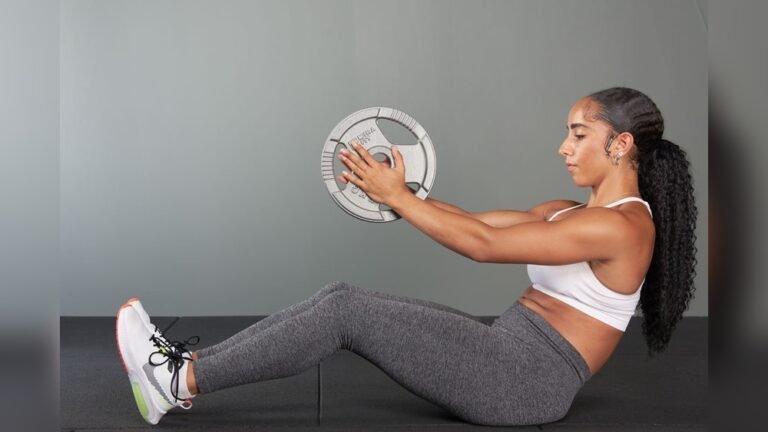
Sit with knees bent, hold a plate with both hands, twist side to side. Targets the core and obliques.
4. Plate Row
Bend forward, pull the plate toward your chest. Works your back and arms.
5. Lateral Raise
Hold a plate in one hand, lift to the side. Strengthens shoulders.
6. Plate Curl
Hold the plate with both hands, curl towards your chest. Builds biceps.
7. Chest Press (floor)
Lie on your back, press the plate upward. Focuses on chest and triceps.
8. Standing Halo
Hold the plate and move it in a circle around your head. Improves shoulder mobility.
9. Front Raise
Lift the plate straight in front of you. Works front shoulders.
10. Lunges With Plate
Hold plate at chest, step forward into a lunge. Strengthens legs and balance.
*Suggested image: Person doing a plate squat. Alt text: “Beginner performing a plate squat with proper form.”*
Sample Beginner Weight Plates Workout Routine
Here’s an easy routine to get started. Aim for two or three sessions per week.
Warm-up (5–10 minutes):
- Arm circles
- Light jogging
- Bodyweight squats
Workout:
- Plate Squat – 3 sets x 10 reps
- Overhead Press – 3 sets x 8 reps
- Russian Twist – 3 sets x 16 reps (8 per side)
- Plate Row – 3 sets x 10 reps
- Plate Curl – 3 sets x 10 reps
Cool-down (5 minutes):
- Stretch arms, legs, back
- Deep breathing
Tips:
- Rest 60 seconds between sets.
- Use a plate weight you can lift with good form.
- If you finish the workout easily, add another set or increase the weight slightly.
This routine covers all major muscle groups. It’s balanced and easy to follow. Most beginners see progress after 2–3 weeks.
Progressing Your Weight Plates Workouts
As you get stronger, you’ll need to change your routine to keep making progress. Here’s how:
- Increase the weight of your plates slowly.
- Add more repetitions or sets to each exercise.
- Try new movements, like lunges or standing halo.
- Shorten your rest time between sets.
Tracking your workouts helps you see improvement. Write down your weights, reps, and any changes. If you plateau, switch up exercises or increase the challenge.
*Suggested image: Person writing workout notes. Alt text: “Beginner tracking weight plates workout progress.”*

Credit: www.ritfitsports.com
Comparing Weight Plates To Dumbbells And Other Home Equipment
Choosing the right equipment matters. Weight plates have unique benefits, but how do they compare to other common home gym tools?
| Equipment | Price | Space Needed | Versatility | Beginner Friendly |
|---|---|---|---|---|
| Weight Plates | Low | Minimal | High | Yes |
| Dumbbells | Medium | Minimal | Medium | Yes |
| Resistance Bands | Low | Minimal | Medium | Yes |
| Barbells | High | Large | High | No |
Weight plates are more versatile than dumbbells—you can use them for both weighted and bodyweight moves. They’re cheaper and take up less space than barbells. For beginners, they offer a safe, flexible way to start strength training.
Common Mistakes Beginners Make With Weight Plates
Learning to use weight plates is simple, but many beginners make mistakes that slow progress or cause injury. Watch out for these:
- Using plates that are too heavy. Start light and build up.
- Skipping warm-ups and cool-downs.
- Poor form, especially on squats and presses.
- Not keeping the core tight during moves.
- Ignoring rest days—your body needs time to recover.
- Letting plates roll or slide on the floor.
One non-obvious mistake: Many new users focus only on arms and shoulders, ignoring legs and core. Balanced routines give better results. Another common oversight is not cleaning plates regularly, which can lead to slippery grips and accidents.
*Suggested image: Close-up of hands gripping weight plate safely. Alt text: “Proper hand grip on weight plate for safety.”*

Credit: www.amazon.ie
Practical Tips For Home Workouts With Weight Plates
To get the most out of your weight plates workouts, follow these practical tips:
- Set a regular workout schedule. Consistency brings results.
- Use a mirror to check your form.
- Keep your workout area tidy to avoid tripping.
- Mix up exercises to prevent boredom.
- Stay hydrated and eat balanced meals.
If your plates don’t have built-in grips, consider using lifting gloves for safety. Don’t forget to clean plates often; dust and sweat can make them slippery.
For more ideas on home fitness, check Verywell Fit.
How To Create Your Own Weight Plates Workout Routine
Designing your own routine gives you control and keeps things interesting. Here’s a simple process:
- Choose 5–6 exercises that work different muscle groups.
- Decide on sets and reps (start with 3 sets of 8–12 reps).
- Pick a plate weight you can lift safely.
- Schedule workouts (2–3 times per week).
- Track your progress.
Sample routine:
- Plate Squat
- Plate Row
- Overhead Press
- Russian Twist
- Plate Curl
- Standing Halo
Each session should last 30–40 minutes. Adjust as you get stronger.
Real-life Example: Beginner Success Story
Maria, a 28-year-old teacher, started using weight plates at home during lockdown. She began with 5 lbs plates and a basic routine. After six weeks, she increased to 10 lbs and added new exercises like lunges and halos. Maria noticed more energy, better posture, and toned arms.
The key was consistency and tracking her progress.
This shows you don’t need expensive equipment or hours of training to see results. A simple weight plates routine, repeated regularly, can transform your fitness.
*Suggested image: Smiling beginner holding weight plate. Alt text: “Happy home gym owner with weight plate.”*
Key Takeaways And Motivation
Weight plates workout routines for beginners at home are simple, affordable, and effective. Start with light plates, focus on form, and build a balanced routine. Progress slowly and track your achievements. Avoid common mistakes by warming up, keeping your core tight, and using proper technique.
You have everything you need to start getting stronger at home. Remember: Consistency beats perfection. Every workout brings you closer to your goals. Grab your plates, follow the routine, and enjoy the journey to a healthier, stronger you.
I am a certified fitness coach with over 10 years of experience helping people improve their strength, endurance, and overall health. Specializes in workout programming, weight training, fat loss, muscle building, home fitness, and evidence-based nutrition.My goal is to make fitness simple and practical through well-researched guides, honest product reviews, and actionable training advice.