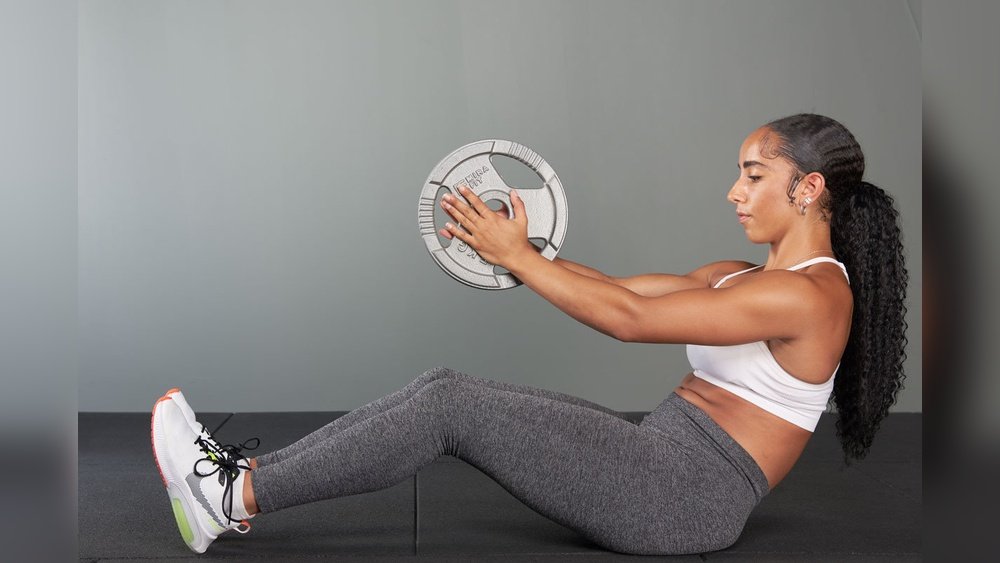
Bringing weight plates into your home gym is an exciting step. They open up endless workout possibilities. But for many beginners, using weight plates isn’t as simple as it seems. If you’re setting up your first gym at home, it’s easy to make mistakes that slow your progress or even cause injuries. In this guide, you’ll learn about the common mistakes beginners make with weight plates—and, more importantly, how to avoid them. Whether you just bought your first set or are planning a purchase, these tips will help you build a safer, smarter, and more effective home gym.
Choosing The Wrong Weight Plates
One of the first decisions is what type of weight plates to buy. Not all plates are the same, and choosing the wrong kind can waste money and limit your workouts.
Key types of weight plates:
- Standard plates: Usually have a 1-inch (25mm) center hole. Cheaper but less stable for heavy lifting.
- Olympic plates: Feature a 2-inch (50mm) center hole. Heavier, more durable, and fit most modern bars.
- Bumper plates: Made of dense rubber, ideal for dropping safely during lifts like deadlifts or cleans.
Common mistake: Many beginners buy standard plates because they’re cheaper, not realizing that most quality barbells use Olympic-sized holes. If you buy the wrong size, your plates won’t fit your barbell.
Actionable tip: Before buying, check your barbell’s sleeve diameter. If you plan to upgrade later, start with Olympic plates—they’re the most versatile for home gyms.
Image suggestion: Close-up photo showing the difference between standard and Olympic weight plate holes (alt text: “Standard vs Olympic weight plate holes”).
Ignoring Plate Quality And Material
It’s tempting to buy the cheapest plates available, but low-quality weight plates can create big problems. Cheap plates often have inconsistent weights, poor finish, or rough edges that can hurt your hands.
Comparison of weight plate materials:
| Material | Durability | Noise | Best Use |
|---|---|---|---|
| Cast Iron | High | Loud | Powerlifting, general use |
| Rubber Coated | Medium-High | Quiet | Home gyms, joint health |
| Bumper (Solid Rubber) | High | Very quiet | Olympic lifts, dropping |
Practical advice: Choose reputable brands and avoid very cheap plates with poor reviews. Even if you’re on a budget, a small set of good-quality plates is safer and lasts longer than a pile of cheap ones.
Non-obvious insight: Cheap plates can be off by 5% or more in actual weight—this can ruin your progress and make tracking lifts impossible.
Not Checking Plate Accuracy
Accuracy matters more than you might think. Many beginners trust the number printed on a plate, but it’s common for budget plates to weigh more or less than stated.
Why accuracy is important:
- Training progress: Small errors add up. If your “45 lb” plate is actually 48 lb, you could lift much more than you realize.
- Balance: Uneven plates can make your bar tip to one side, increasing injury risk.
- Tracking: Accurate weight helps you track strength and set realistic goals.
Actionable tip: If possible, use a bathroom scale to check your plates. For serious lifters, consider “calibrated” plates, which are accurate within 0.5% of their stated weight.
Image suggestion: Person weighing a weight plate on a scale (alt text: “Weighing a plate for accuracy”).
Overlooking Plate Thickness
It’s easy to focus on weight and forget about how thick each plate is. Plate thickness matters, especially if you want to lift heavy or have limited space on your barbell.
Example: Standard iron plates are thinner than bumper plates of the same weight. If your bar is short, thick bumper plates may fill it up before you reach your target weight.
Comparison of 45 lb plates:
| Plate Type | Approximate Thickness | Bar Capacity (7ft Bar) |
|---|---|---|
| Cast Iron | 1.25 inches | ~600 lb |
| Bumper Plate | 3.25 inches | ~400 lb |
Practical tip: If you plan to lift heavy (e.g., deadlifts over 400 lb), choose thinner plates or buy a longer bar.
Non-obvious insight: Thicker plates can also change the “starting height” of your barbell for deadlifts, affecting your form.

Credit: www.ritkeeps.com
Storing Weight Plates Unsafely
Many beginners stack plates in a corner or leave them on the floor. This can create clutter, trip hazards, and even damage your floor over time.
Better storage options:
- Plate tree: A small rack that holds plates vertically, saving space.
- Wall-mounted pegs: Install pegs on your wall to keep plates off the ground.
- Barbell sleeves: Store plates on your barbell when not in use, but only if it’s racked securely.
Why it matters: Safe storage keeps your gym organized and reduces the risk of accidents. It also protects your investment—plates dropped on hard floors can chip or crack.
Image suggestion: Wall-mounted plate rack with neatly organized plates (alt text: “Home gym plate storage solution”).
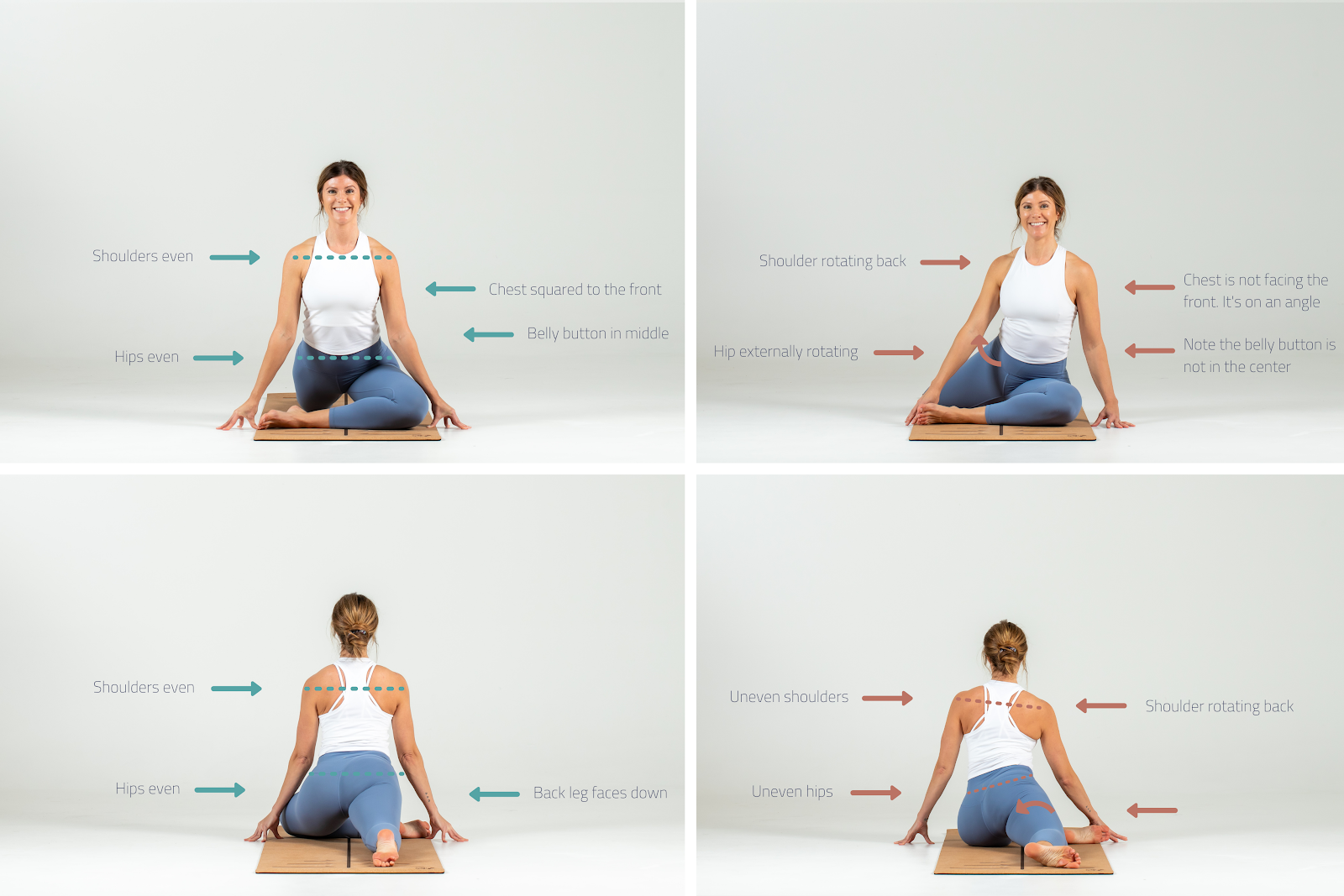
Lifting And Handling Plates Incorrectly
Weight plates are heavy and awkward. Beginners often lift them with poor form, risking back or finger injuries.
Common handling mistakes:
- Twisting your back: Picking up plates by bending and twisting can hurt your spine.
- Pinching fingers: Dropping a plate or loading it onto a bar with your fingers in the wrong place is a recipe for injury.
- Stacking carelessly: Dropping plates on top of each other can chip or break them.
Safe handling tips:
- Bend your knees and keep your back straight when picking up plates.
- Use both hands and grab the plate by the rim, not the center hole.
- Slide plates onto the bar gently to avoid pinching fingers.
Actionable tip: Practice loading and unloading plates slowly until you’re comfortable.
Credit: bodybyyoga.training
Using Mismatched Or Damaged Plates
It’s common to collect plates from different brands or sets, especially if you buy used. But mismatched plates can cause problems.
Problems with mismatched plates:
- Balance issues: Plates that weigh different amounts or have different diameters will make your bar uneven.
- Fit problems: Some plates have thicker collars or rough edges that don’t slide smoothly onto bars.
Check for these signs:
- Cracks or chips on the plate surface
- Rust or sharp edges
- Loose inserts (the metal ring in the center of better-quality plates)
Practical advice: If you must mix brands, always weigh your plates and pair plates with similar weights together on each side of the bar.
Image suggestion: Close-up of a chipped or cracked weight plate (alt text: “Damaged weight plate with chip”).
Not Using Collars Or Locks
Barbell collars (also called clips or locks) keep plates from sliding off during lifts. Beginners often skip these, thinking they’re unnecessary or just for heavyweights.
Why collars are essential:
- Prevent plates from sliding off, especially during exercises like bench presses or overhead lifts.
- Reduce rattling, making your workout quieter and safer.
- Protect your barbell sleeves from wear.
Actionable tip: Always use collars, even for light sets. There are many types—spring collars, clamp collars, and lock-jaw collars. Choose one that fits your bar and is easy to use.
Not Cleaning Or Maintaining Plates
Weight plates seem indestructible, but they need care, especially if you want them to last for years.
Maintenance steps:
- Wipe down plates after sweaty workouts to prevent rust.
- Store plates in a dry area—avoid basements or garages that get damp.
- Check for cracks and loose inserts regularly.
Non-obvious insight: Rusty plates can stain your hands, clothing, and even your gym floor. Regular cleaning also helps you spot damage early.
Image suggestion: Person wiping down a weight plate with a cloth (alt text: “Cleaning weight plate to prevent rust”).
Buying Too Many Plates (or Too Few)
It’s easy to overestimate how many weight plates you need. Buying too many wastes money and space, while too few limits your workouts.
How to estimate plate needs:
- Figure out your current strength level and how much you plan to lift in the next year.
- Buy pairs of commonly used sizes: 2.5 lb, 5 lb, 10 lb, 25 lb, 45 lb.
- For most beginners, 200–300 lb total weight is plenty for a home gym.
Example beginner set:
- 2 x 45 lb
- 2 x 25 lb
- 2 x 10 lb
- 4 x 5 lb
- 2 x 2.5 lb
Tip: You can always add more plates later as you get stronger.
Forgetting About Plate Compatibility
Not all weight plates fit all equipment. Some benches, racks, or machines use only Olympic-sized plates, while others need standard plates.
Check compatibility for:
- Plate holes and bar sleeves
- Plate size and machine loading pins
- Whether your floor can handle dropped plates (especially bumper plates)
Practical advice: When buying new gym equipment, make sure your plates will fit. It’s frustrating to buy a new machine and find your plates don’t work with it.
Image suggestion: Side-by-side comparison of plates fitting different machines (alt text: “Weight plate compatibility with home gym equipment”).
Not Planning For Future Progress
Many beginners only buy enough plates for their current strength level. But as you get stronger, you’ll need more weight.
Common mistake: Buying a fixed barbell set (e.g., 100 lb total) and outgrowing it in a few months.
How to plan ahead:
- Choose Olympic plates for long-term compatibility.
- Buy in pairs, so you can add weight evenly.
- Leave room in your budget and storage for future plates.
Overlooking Safety When Storing And Moving Plates
Weight plates are heavy, and dropping one on your foot can break a toe. Many beginners rush, stack plates carelessly, or don’t use proper lifting form.
Safety reminders:
- Never walk away with plates scattered on the floor.
- Use shoes with closed toes for extra protection.
- Teach everyone in your home how to handle plates safely.
Non-obvious insight: Children and pets are at risk if plates are not stored securely. Always keep your gym area off-limits to kids when not in use.
Using The Wrong Plates For Your Workout
Some exercises need special types of plates. For example, bumper plates are safer for Olympic lifts that involve dropping the bar. Regular iron plates can damage floors and don’t absorb shock.
When to use bumper plates:
- Olympic lifts (clean, jerk, snatch)
- High-rep deadlifts from the floor
- Workouts where plates may be dropped
When regular plates are fine:
- Bench press, squats, curls, and other controlled lifts
Actionable tip: If you want to do both types of lifts, invest in a mix of bumper and iron plates.
Image suggestion: Side-by-side photo of bumper and iron plates in use (alt text: “Bumper plates vs iron plates for home gym workouts”).
Credit: www.military.com
Learning From Others And Trusted Resources
Don’t be afraid to ask experienced lifters or trainers for advice. Read trustworthy guides and check reviews before buying.
For more details about weight plates and their uses, see this helpful guide from Wikipedia.
Final Thoughts
Building your home gym is a big investment in your health. By avoiding these common mistakes with weight plates, you’ll save money, prevent injuries, and set yourself up for better progress. Remember to start with good-quality, compatible plates, handle and store them safely, and plan for your future growth.
Small details—like checking plate accuracy and using collars—make a big difference. Take your time, learn as you go, and enjoy the journey to a stronger you.
I am a certified fitness coach with over 10 years of experience helping people improve their strength, endurance, and overall health. Specializes in workout programming, weight training, fat loss, muscle building, home fitness, and evidence-based nutrition.My goal is to make fitness simple and practical through well-researched guides, honest product reviews, and actionable training advice.