Olympic Weight Plates Explained For New Home Gym Owners
Starting a home gym is exciting. You’re ready to build strength, get fit, and take control of your workouts. One of the first things you’ll notice when shopping for equipment is the variety of weight plates available. Olympic weight plates are a top choice for many home gym owners, but what makes them special?
How are they different from other plates, and which types are best for you? This guide will explain everything you need to know about Olympic weight plates in simple, clear language—so you can invest wisely and train safely.
What Are Olympic Weight Plates?
Olympic weight plates are designed for use with Olympic barbells, which have a sleeve diameter of 2 inches (50 mm). These plates are standard in gyms worldwide, including Olympic competitions. They come in different materials, coatings, and shapes, but all share this common size.
You’ll often see two main types of weight plates:
- Olympic weight plates (2-inch hole)
- Standard weight plates (1-inch hole)
Choosing Olympic plates for your home gym means you’re using the same equipment as most commercial gyms and competitions. This gives you more options and compatibility if you decide to upgrade your equipment.
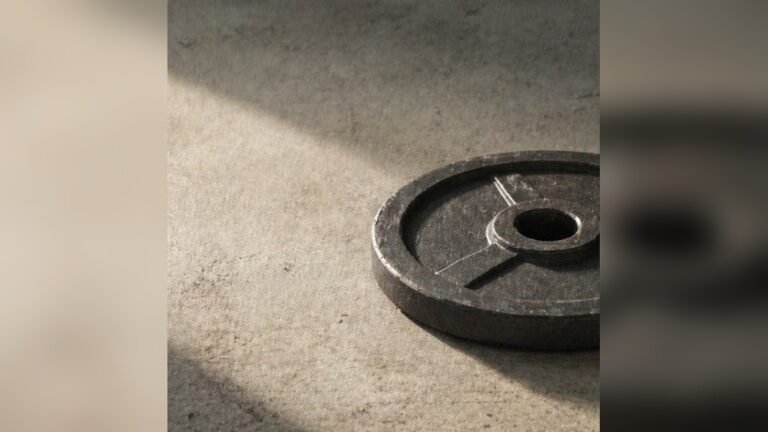
*Suggested image placement: “Close-up of Olympic weight plate with 2-inch center hole next to a standard 1-inch plate for comparison.”*
Why Choose Olympic Weight Plates For Your Home Gym?
There are several good reasons why new home gym owners should consider Olympic weight plates:
- Stability: The 2-inch hole fits snugly on Olympic bars, reducing plate wobble during lifts.
- Durability: Olympic plates are often made from tougher materials and designed for repeated use.
- Versatility: Many accessories and racks are built for Olympic-sized equipment.
- Higher weight limits: Olympic bars can hold more weight—ideal if you plan to get stronger over time.
Another benefit: if you ever want to sell or swap plates, Olympic sizes are much easier to buy and sell secondhand because they’re the standard.
Types Of Olympic Weight Plates
Olympic weight plates are not all the same. Here’s a breakdown of the main types you’ll see:
1. Iron Or Steel Plates
These are the classic, solid plates you’ll find in many gyms. They’re usually cheaper and very durable but can be loud and may damage floors if dropped.
Pros:
- Affordable
- Long-lasting
- Thin, so you can fit more on the bar
Cons:
- Can rust if not coated
- Noisy and may chip or crack floors
2. Rubber-coated Plates
These plates have a steel core with a rubber coating. The rubber helps protect your floors, reduces noise, and gives a better grip.
Pros:
- Quieter when set down
- Safer for home use
- Less likely to damage floors
Cons:
- Slightly thicker than plain iron plates
- Usually more expensive
3. Bumper Plates
Bumper plates are made of dense rubber and are designed for Olympic lifts that involve dropping the bar (like deadlifts or cleans).
Pros:
- Safe to drop from overhead
- Protects both floor and bar
- Color-coded for easy identification
Cons:
- Bulkier than iron plates (take up more space on the bar)
- More expensive
Pro tip: Bumper plates are not just for Olympic weightlifters. They’re a great choice for home gyms because they reduce noise and protect both your floor and your equipment.
*Suggested image placement: “Stack of different Olympic weight plates—iron, rubber-coated, and bumper—side by side.”*
4. Technique Plates
These lightweight plastic plates are for learning proper form at low weights. They’re usually 5kg or 10lb, but the same size as heavier plates.
Pros:
- Perfect for beginners
- Let you practice with light weights at the correct bar height
Cons:
- Not for heavy lifting
- Expensive for what you get
5. Competition Plates
Competition plates are high-quality, calibrated bumper plates used in official events. They’re precise in weight (within 10 grams), often thinner than regular bumpers, and have a special center hub.
Pros:
- Highly accurate
- Very durable
- Standardized colors
Cons:
- Very expensive
- Overkill for most home gyms
How Olympic Plates Compare To Standard Plates
For new home gym owners, it helps to see the key differences between Olympic and standard plates. Here’s a quick comparison:
| Feature | Olympic Plates | Standard Plates |
|---|---|---|
| Hole Diameter | 2 inches (50 mm) | 1 inch (25 mm) |
| Bar Compatibility | Olympic bars | Standard bars |
| Max Weight Capacity | Much higher | Lower |
| Durability | Very high | Lower |
| Cost | Higher | Lower |
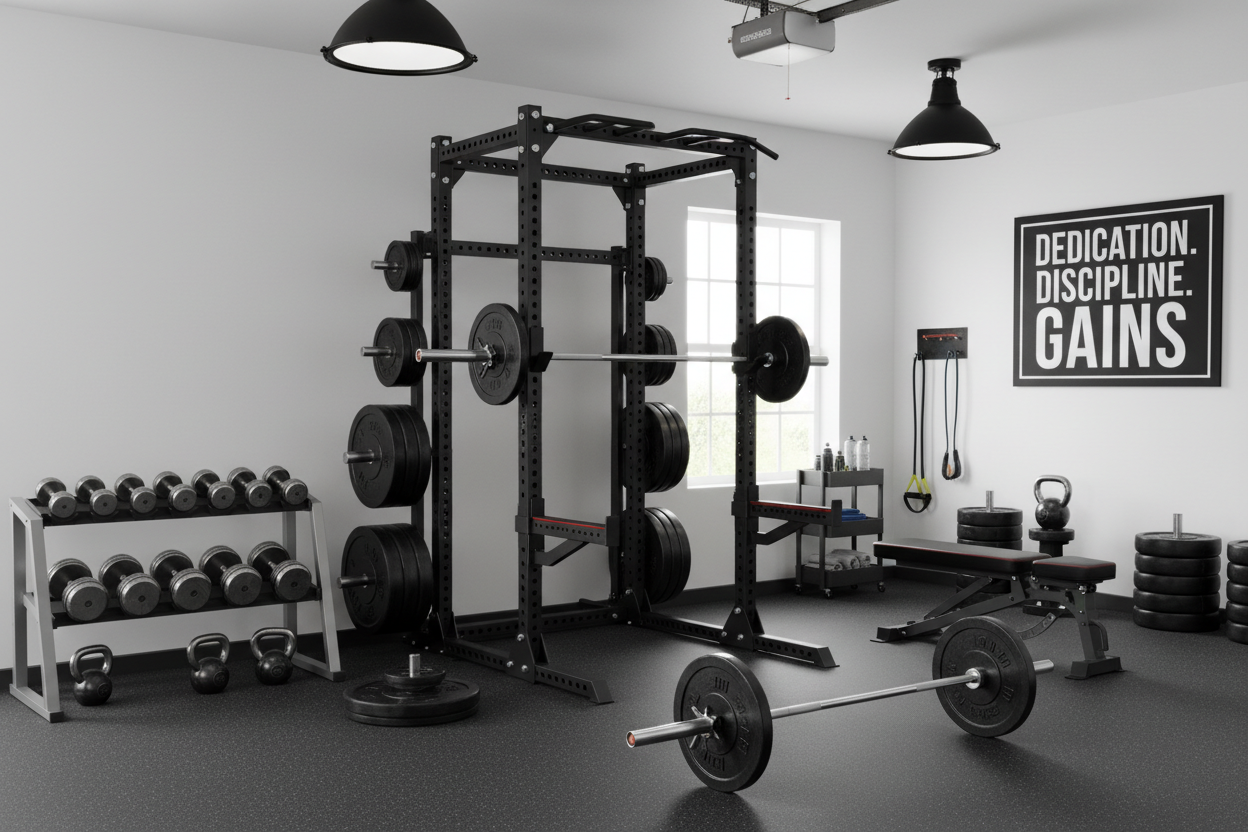
Most home gym owners find Olympic plates are a better investment for long-term training, even though they cost more upfront.
Credit: www.gxmmat.us
Plate Sizes And Colors: What Do They Mean?
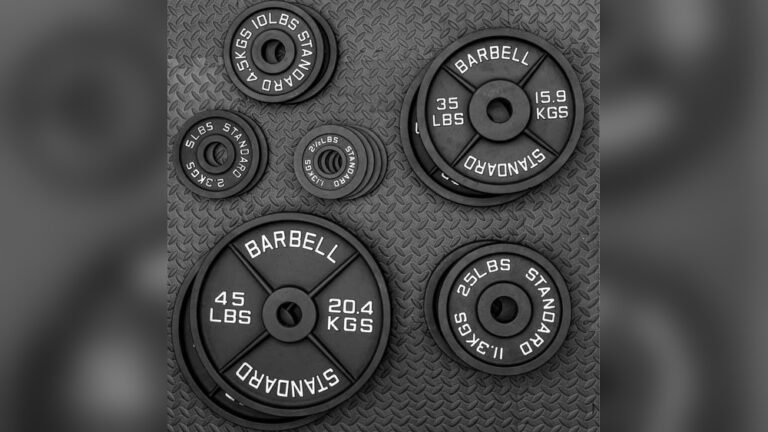
Olympic weight plates are available in several common weights. Most plates are marked in both pounds (lbs) and kilograms (kg). Bumper and competition plates often use standard colors to make it easy to see the weight at a glance.
| Weight | Common Color (kg) | Common Color (lb) |
|---|---|---|
| 45 lb (20 kg) | Blue | Blue |
| 35 lb (15 kg) | Yellow | Yellow |
| 25 lb (10 kg) | Green | Green |
| 10 lb (5 kg) | White | White |
| 5 lb (2.5 kg) | No standard color | No standard color |
Tip: Not every plate follows these colors, but colored bumpers are easier to spot and help you load the bar correctly.
How Many Plates Do You Need?
For a beginner home gym, you don’t need a huge stack of plates. Most people start with enough weight to last through their first year or more. A common starter set looks like:
- 2 x 45 lb (20 kg)
- 2 x 25 lb (10 kg)
- 2 x 10 lb (5 kg)
- 2 x 5 lb (2.5 kg)
- 2 x 2.5 lb (1.25 kg)
This setup lets you load up to 135 lbs (or 60 kg) on the bar, which is enough for most beginner lifts. You can always add more plates later as you get stronger.
*Suggested image placement: “Barbell loaded with starter set of Olympic plates on a squat rack.”*
Bumper Plates Vs. Iron Plates: Which Is Best For Home Gyms?
This is a common question, especially for home gym owners worried about space, cost, and noise. Here’s a simple breakdown:
- Iron or steel plates are best if you’re lifting in a garage or basement and don’t plan to drop the bar.
- Bumper plates are best if you want to do Olympic lifts, or if you train in an apartment, upstairs, or over a surface you want to protect.
You can also mix and match. For example, use bumper plates for your heaviest lifts, and add smaller iron plates to fine-tune the weight.
What To Look For When Buying Olympic Weight Plates
When choosing Olympic weight plates for your home gym, keep these factors in mind:
- Material: Solid iron lasts longest but can be noisy. Rubber or urethane coatings are more home-friendly.
- Accuracy: Cheap plates can be off by several pounds. Good brands guarantee weight within 2% of the stated value.
- Handles: Plates with built-in grips are much easier to pick up, load, and move around.
- Finish: Painted or coated plates resist rust better.
- Warranty: Quality plates often come with a warranty—especially bumpers.
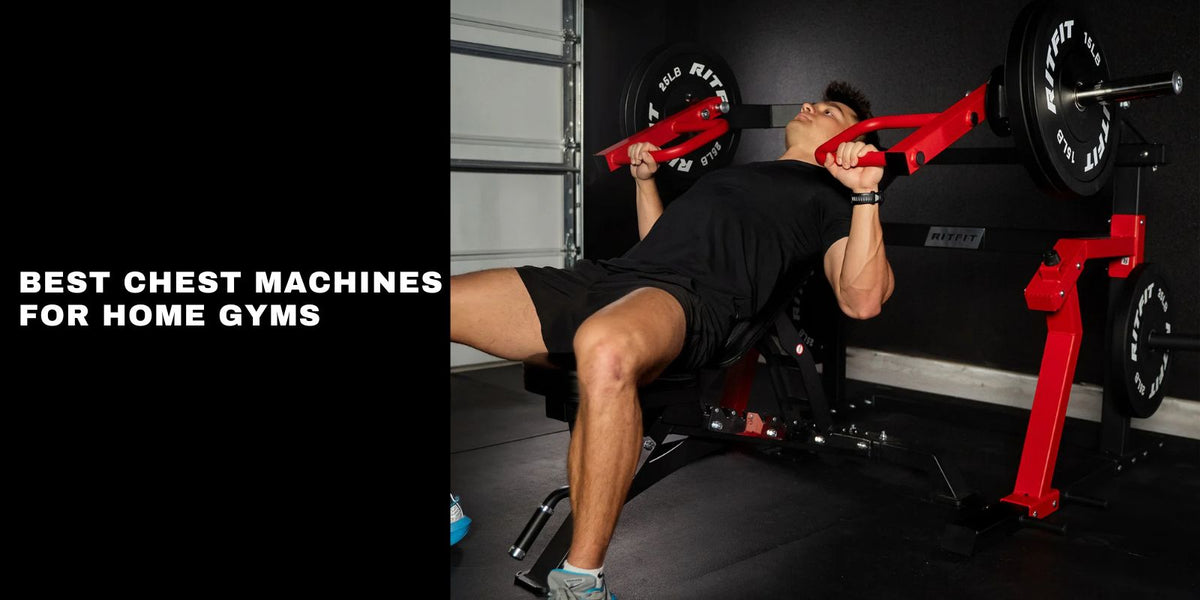
Non-obvious insight: Many beginners forget to check the actual diameter and thickness of plates. Some cheap bumpers are so thick that you can’t fit enough weight on the bar for deadlifts or squats later. Always check the specs before you buy.
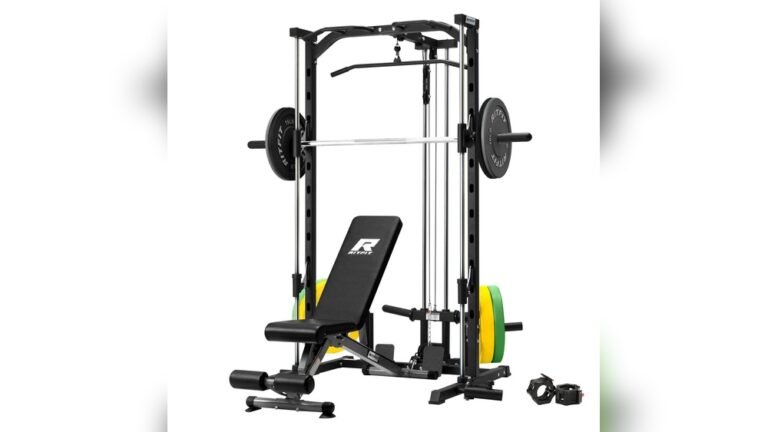
Credit: www.ritfitsports.com
Common Mistakes New Home Gym Owners Make
It’s easy to get overwhelmed or make costly mistakes when buying Olympic weight plates. Here are some errors to avoid:
- Buying standard plates instead of Olympic: They might be cheaper, but you’ll have less compatibility and lower resale value.
- Ignoring floor protection: Dropping iron plates on concrete can crack both the plate and your floor. Consider using rubber mats.
- Not planning for future strength: If you get stronger, you may need more plates. Buy a set that allows you to grow.
- Focusing only on price: Super cheap plates can have big weight errors or break easily. Invest in quality for safety.
- Not checking bar compatibility: Make sure your barbell sleeves are 2 inches in diameter before buying Olympic plates.
How To Store And Care For Your Olympic Weight Plates
Proper storage keeps your home gym tidy and your plates in good shape:
- Use a weight tree or rack to organize your plates by size.
- Keep plates off damp floors to prevent rust.
- Wipe down plates after sweaty workouts.
- Check for cracks or damage regularly, especially if you drop your plates often.
A little care goes a long way—well-made Olympic weight plates can last a lifetime.
Practical Tips For New Home Gym Owners
Here are some hands-on tips to make your experience smoother:
- Buy in sets: Starter sets are often cheaper than buying individual plates.
- Test fit before buying more: If you can, check that your plates and barbell fit perfectly.
- Consider used plates: Many quality plates can be found secondhand at lower prices.
- Invest in floor protection: Horse stall mats or gym tiles protect both your plates and your floor.
- Label your plates: Use a permanent marker or stickers to mark pounds or kilos for quick identification.
Where To Learn More
If you want to dive deeper into the history and standards of Olympic weightlifting, or see official specifications, visit the Olympic Weightlifting Wikipedia page.

Credit: www.amazon.com
Final Thoughts
Building a home gym is a smart investment in your health. Choosing the right Olympic weight plates sets you up for safe, effective training—and saves you money and hassle later. Remember to focus on quality, compatibility, and your long-term goals.
With the right knowledge, you’ll avoid common mistakes and enjoy your workouts for years to come.
Now you’re ready to choose the best Olympic weight plates for your home gym. Start small, take care of your equipment, and enjoy the journey to a stronger you!
I am a certified fitness coach with over 10 years of experience helping people improve their strength, endurance, and overall health. Specializes in workout programming, weight training, fat loss, muscle building, home fitness, and evidence-based nutrition.My goal is to make fitness simple and practical through well-researched guides, honest product reviews, and actionable training advice.