Building your own home gym can be exciting. But when you start looking at all the equipment, it’s easy to feel lost—especially when it comes to weight plates. They’re not as flashy as a treadmill, but weight plates are the foundation for strength training at home. Choosing the right ones can make your workouts safer, more effective, and much more enjoyable.
This Weight Plates Beginner Guide for Home Gym explains everything you need to know in clear, simple language. You’ll learn what weight plates are, the different types, how to pick the best set for your needs, and smart tips for storage and safety. Whether you want to lift heavier, tone up, or just get fit at your own pace, understanding weight plates is your first step to a stronger home gym.
What Are Weight Plates?
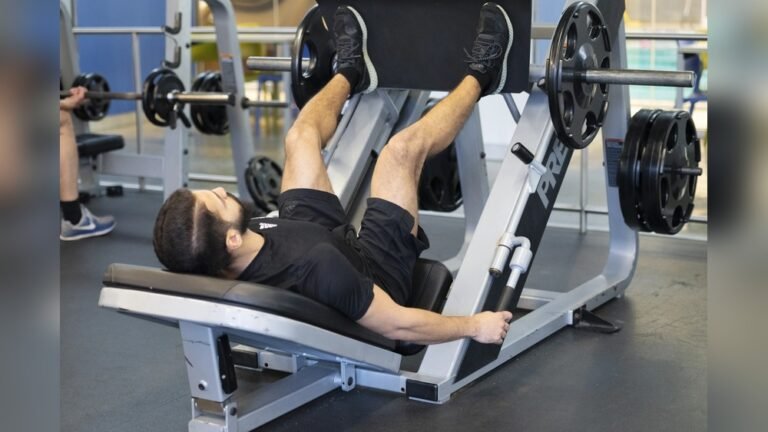
Weight plates are round, flat objects made of metal or other materials. They add weight to bars, machines, or can be used on their own for different exercises. You’ll see them with holes in the center, so they can slide onto a barbell or dumbbell handle.
Most home gyms use weight plates for:
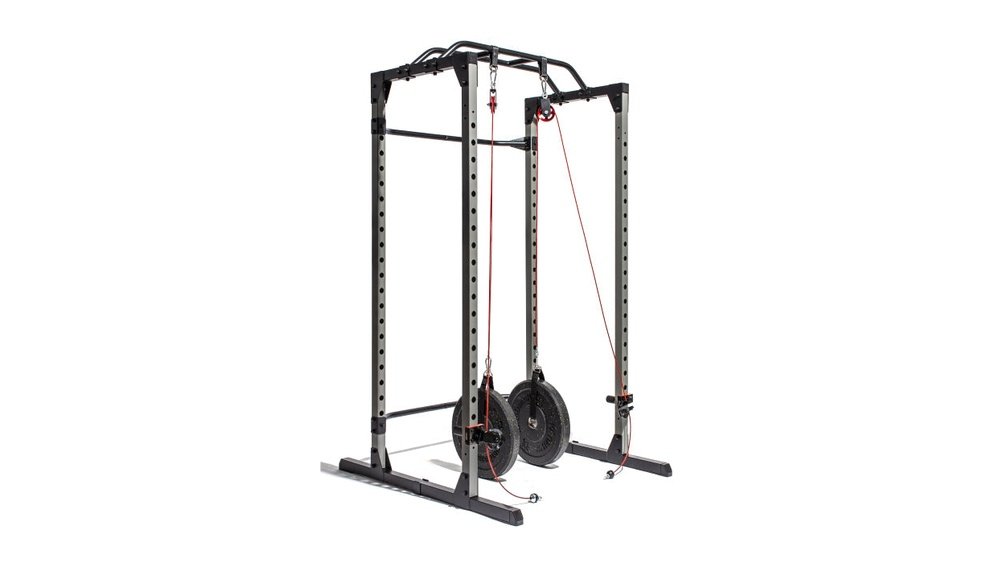
- Barbell exercises (like squats, bench press, deadlifts)
- Dumbbell workouts (adjustable handles)
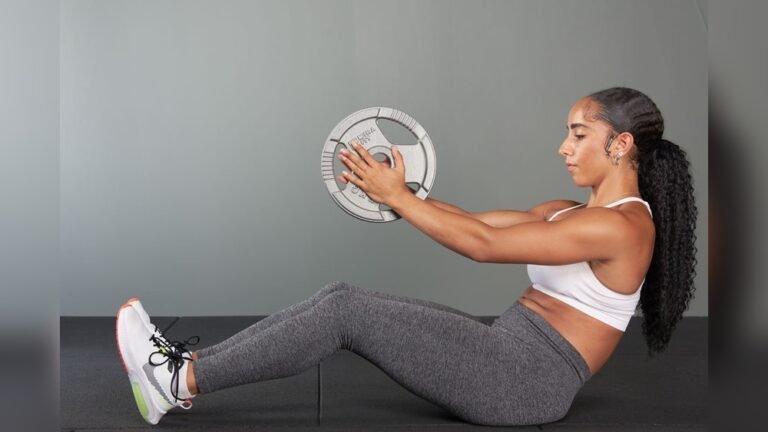
- Plate-only moves (Russian twists, overhead presses)
Image suggestion: Close-up photo of classic weight plates stacked on a home gym floor (alt text: Standard weight plates for home gym).
Main Types Of Weight Plates
There isn’t just one kind of weight plate. Picking the right type for your home gym depends on your goals, space, and budget.
Standard Plates Vs. Olympic Plates
| Feature | Standard Plates | Olympic Plates |
|---|---|---|
| Center Hole Diameter | 1 inch (25mm) | 2 inches (50mm) |
| Common Use | Home gyms, casual lifting | Gyms, serious training |
| Compatibility | Standard bars | Olympic bars, most gym equipment |
| Stability | Less stable | More stable, balanced |
| Cost | Lower | Higher |
Key tip: If you plan to lift heavy or expand your gym later, choose Olympic plates. They fit more equipment and are better for long-term progress.
Material Types
- Cast iron plates: Classic, durable, and often the cheapest. They can be noisy and may rust if not cared for.
- Rubber-coated plates: Quieter and less likely to damage floors or equipment. Great for home gyms.
- Bumper plates: Made from dense rubber, designed to be dropped safely. These are often used for Olympic lifting or CrossFit.
Image suggestion: Side-by-side photo of cast iron, rubber-coated, and bumper plates (alt text: Different types of weight plates for home gym).
Fixed Vs. Adjustable Plates
- Fixed plates are solid and have a set weight.
- Adjustable plates can be added or removed from a bar or handle. This gives you more options with fewer plates.
How To Choose The Right Weight Plates For Your Home Gym
Every beginner wonders, “Which weight plates are best for me? ” The answer depends on your fitness goals, budget, and space.
Consider Your Goals
- Strength training: Olympic plates are usually the best choice. They’re more stable and fit most modern bars.
- General fitness or toning: Standard plates can work if you’re not lifting very heavy.
- Olympic lifts/CrossFit: Bumper plates are a must if you plan to drop the weights.
Think About Space
If your gym space is small, go for adjustable dumbbells with plate options or a basic set of plates that cover your main needs.
Budget Wisely
Quality plates can be expensive. Start with a few pairs in common sizes and add more as you grow stronger. Used plates can be a good deal if they’re in good shape.
Check Compatibility
Always match your plates to your bars. Standard plates won’t fit Olympic bars, and vice versa.
Non-obvious insight: Some home gym beginners buy a set of plates only to find out their bar’s sleeves are a different size. Always measure your bar before you shop.
Common Plate Sizes And Weights
Weight plates come in many sizes. Here are the most common options you’ll find:
| Weight | Standard Plate Diameter | Olympic Plate Diameter |
|---|---|---|
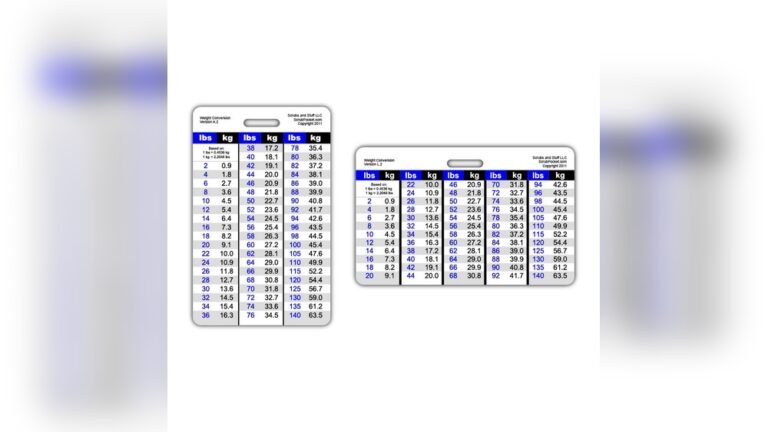
| 2.5 lbs (1.1 kg) | 5 in (12.7 cm) | 6 in (15.2 cm) |
| 5 lbs (2.3 kg) | 6 in (15.2 cm) | 7 in (17.8 cm) |
| 10 lbs (4.5 kg) | 7 in (17.8 cm) | 8 in (20.3 cm) |
| 25 lbs (11.3 kg) | 11 in (27.9 cm) | 11 in (27.9 cm) |
| 35 lbs (15.9 kg) | 12 in (30.5 cm) | 14 in (35.6 cm) |
| 45 lbs (20.4 kg) | 14 in (35.6 cm) | 17.7 in (45 cm) |
Tip: Start with pairs of 2.5, 5, 10, and 25 lbs. You can always add bigger plates as you get stronger.
Bumper Plates Vs. Iron Plates: Which Is Better For Beginners?
Many beginners are unsure about bumper plates. Do you really need them?
Bumper Plates
- Made of thick, dense rubber
- Safe to drop (won’t damage floor or plate)
- All sizes are the same diameter, only thickness changes
- Usually more expensive
Iron Plates
- Made of steel or cast iron
- Cheaper, smaller in size
- Not safe to drop
- Can be noisy or rough on home floors
When to choose bumper plates: If you want to learn Olympic lifts (like clean & jerk, snatch) or train for CrossFit, invest in bumpers for safety and peace of mind.
If you just want to bench, squat, or deadlift: Iron plates are fine and cost less.
How Many Weight Plates Do You Need To Start?
You don’t need a huge set on day one. Most beginners can start with a basic set that covers most exercises:
- Pairs of 2.5, 5, 10, 25 lbs (or kg equivalents)
- One or two 45 lbs pairs as you get stronger
This gives you enough options for light and heavy lifts.
Image suggestion: Starter set of weight plates laid out next to a barbell on gym mats (alt text: Starter weight plate set for home gym beginners).
Non-obvious insight: You’ll use the smaller plates (2.5, 5, 10 lbs) more often than you think. They allow for small jumps in weight, which is key for progress and reducing injury risk.
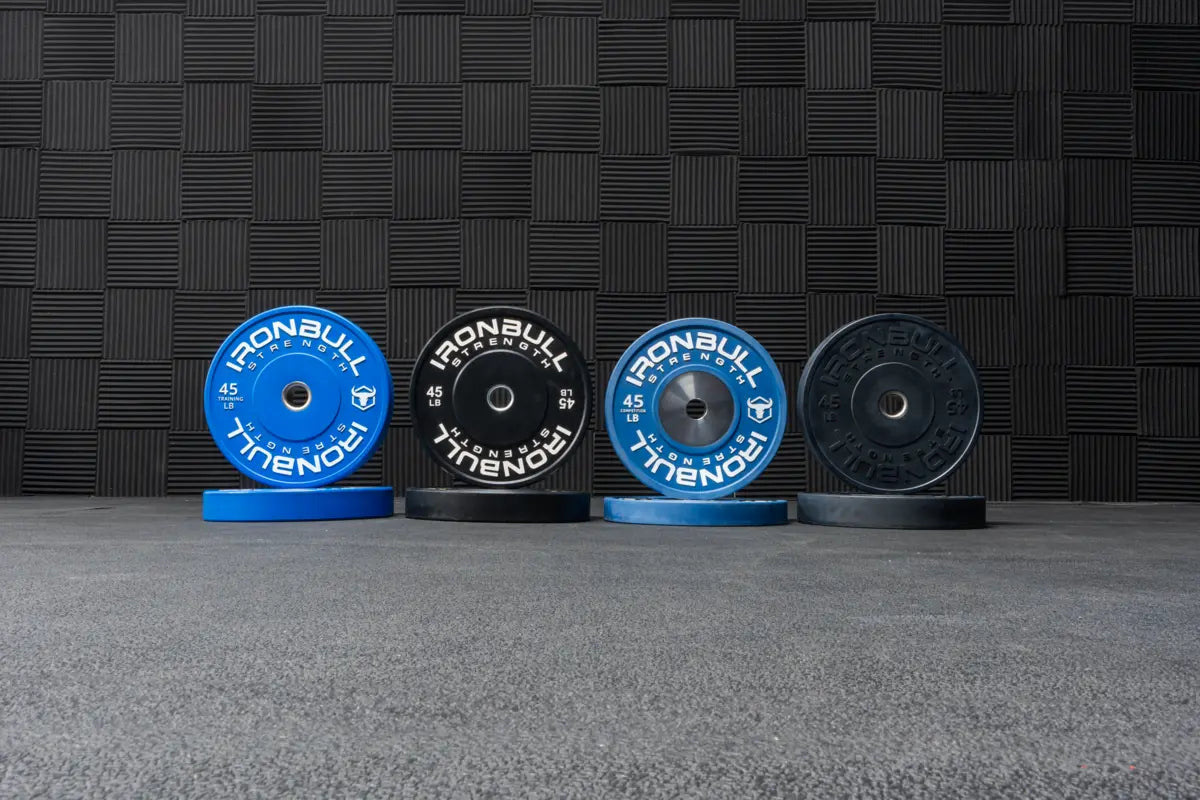
Credit: ironbullstrength.com
Storage And Organization
A messy gym is a dangerous gym. Storing your weight plates safely keeps your workout area clear and protects your investment.
Simple Storage Ideas
- Weight tree: A stand with pegs for plates.
- Wall-mounted racks: Save floor space, keep plates out of the way.
- Stack neatly on floor: Only if you don’t have a rack. Never pile plates where you walk or lift.
Key Tips
- Always rack your weights after use. This prevents tripping and keeps plates from getting damaged.
- Place heavier plates on the lower pegs or shelves for safety.
- Avoid stacking plates in corners where they can roll.
Image suggestion: Weight plates neatly organized on a weight tree in a home gym (alt text: Weight plate storage rack for home gym).
Practical Tips For Using Weight Plates
- Use collars or clips on your bars. These stop the plates from sliding off during exercises.
- Don’t overload the bar. Know your limits and increase weight slowly.
- Warm up first. Start with lighter weights to avoid injury.
- Lift with good form. Control the bar, don’t let it bounce or swing.
- Check for cracks or damage. Replace broken plates—safety comes first.
Pro tip: Clean your plates with a damp cloth to keep them in good shape and avoid rust. For rubber plates, mild soap and water is enough.
Mistakes Beginners Make With Weight Plates
It’s easy to make mistakes when you’re new to home gyms. Here are some of the most common, and how to avoid them:
- Buying too many plates at once. Start small and add as you need more.
- Mixing standard and Olympic plates. They’re not compatible. Pick one type and stick with it.
- Ignoring the bar weight. Remember, most Olympic bars weigh 45 lbs (20 kg) on their own.
- Not securing plates with collars. Unsecured plates can slip off, causing injury.
- Storing plates unsafely. Piles in the corner can cause trips or damage.
Weight Plates And Home Gym Safety
Lifting weights at home is safe—if you follow some simple rules.
- Check your floor. Heavy plates can crack tile or wood. Use rubber mats to protect your space.
- Lift with a spotter if you’re going heavy, or use safety bars on your rack.
- Don’t drop iron plates. They can bounce or break, causing injury.
Image suggestion: Rubber floor mats under weight plates and a barbell (alt text: Home gym safety mats for weight lifting).

Credit: www.reddit.com
Where To Buy Weight Plates
You have a few good choices:
- Sporting goods stores: Try before you buy, but selection may be limited.
- Online retailers: More options, but check shipping costs—they can be high for heavy items.
- Secondhand: Many people sell used plates in great condition for less money.
Pro tip: Look for deals during sales or local gym closures.
For more in-depth info on weight plates, see the Weight Plate Wikipedia page.
Summary: Your Home Gym, Your Strength
Weight plates are the heart of a great home gym. Start with a few sizes, focus on quality over quantity, and build up over time. Choose plates that fit your bar, your goals, and your space. Keep your gym tidy and always lift with safety in mind.
Every strong lifter started as a beginner. With the right weight plates, you can reach your fitness goals at home—one rep at a time.

Credit: valorfitness.com
I am a certified fitness coach with over 10 years of experience helping people improve their strength, endurance, and overall health. Specializes in workout programming, weight training, fat loss, muscle building, home fitness, and evidence-based nutrition.My goal is to make fitness simple and practical through well-researched guides, honest product reviews, and actionable training advice.