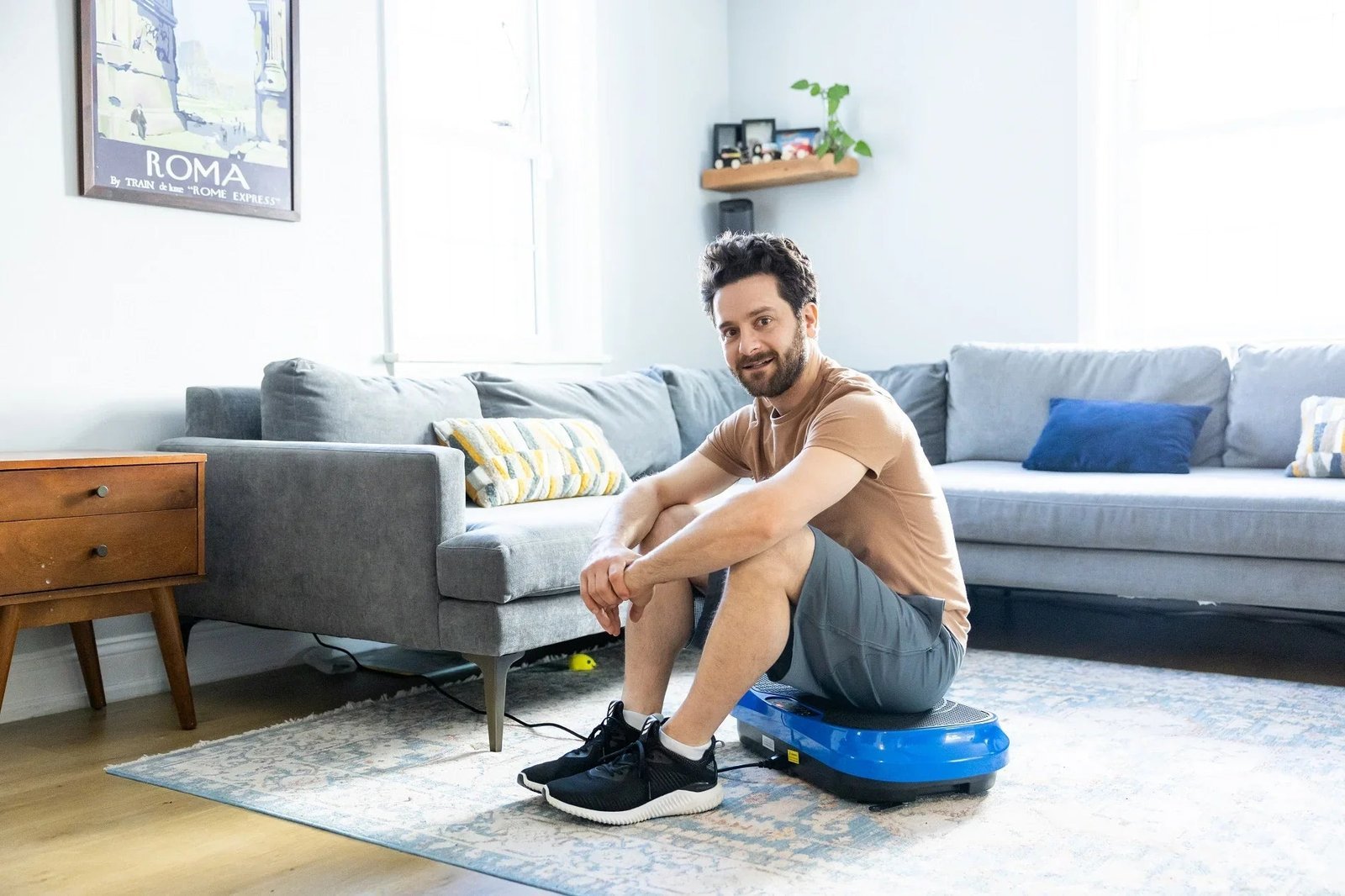
Sitting on a vibration plate is one of the most common ways people use these machines at home, and it’s a reasonable question to ask: is parking yourself on the platform for a few minutes actually doing anything? The short answer is yes, but not in the way the marketing often suggests. You’re not “melting fat” while you scroll your phone. You are, however, giving your muscles a low-level stimulus that can improve circulation, balance, and comfort — especially if you’re older, sedentary, or recovering from inactivity.
Key Takeaways
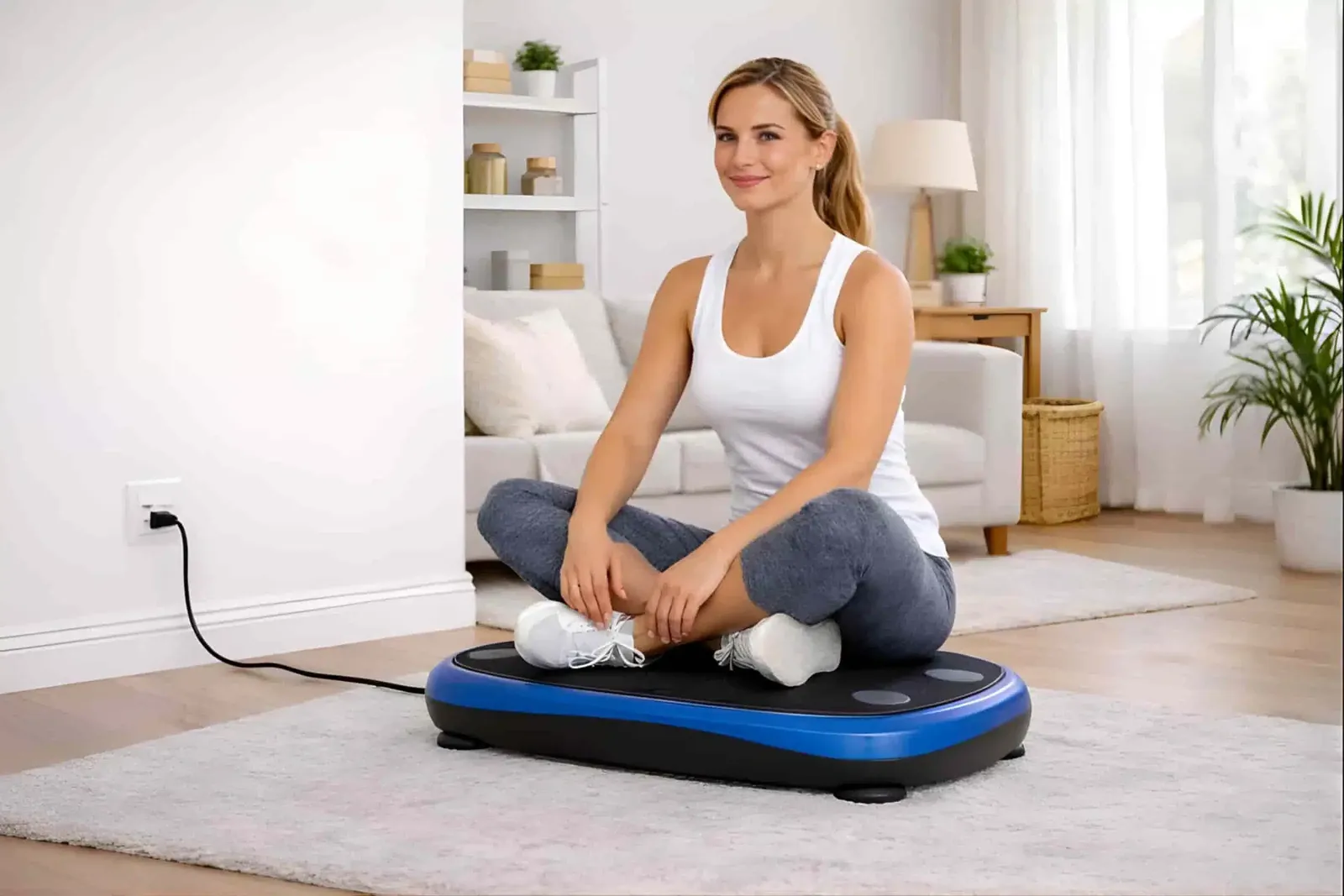
- Passive standing on a plate delivers mild circulation and balance benefits, but it isn’t a workout on its own.
- Adding movement — squats, lunges, calf raises — multiplies the effect because your muscles are already contracting.
- Most home sessions run 10–15 minutes, 3–5 times per week, at a moderate setting.
- Hold a stable support (wall, chair, handlebar) for your first several sessions to reduce fall risk.
- Stop immediately if you feel dizzy, get a headache, or develop joint pain that lingers.
- Vibration plates aren’t a weight-loss shortcut; they support, but don’t replace, resistance training and cardio.
What Sitting on a Vibration Plate Does
When you sit or stand on a vibrating platform, the machine oscillates — typically up and down (vertical), side to side (oscillating), or in a spiral (triplanar). Your muscles respond with rapid, involuntary contractions to keep your body stable. That reflex is the entire mechanism. Sitting reduces the load compared with standing, so the stimulus is gentler. That makes it useful for people who can’t tolerate standing for long, but it also means the calorie burn and strength gains are modest.
Standing vs. Sitting: What Changes
| Position | Muscle Activation | Typical Use | Best For |
|---|---|---|---|
| Standing, still | Moderate | Warm-up, circulation | General users |
| Sitting | Low | Circulation, comfort | Limited mobility, seniors |
| Standing + squats | High | Strength, bone stimulus | Fit users |
| Seated + leg lifts | Moderate | Rehab, knee-friendly work | Injury recovery |
The takeaway: sitting is a starting point, not an endpoint. If you can progress to standing with support, do so.
How to Sit on a Plate Safely
Set up your space
Place the machine on a hard, level floor — not carpet, which absorbs vibration. Keep a chair, wall, or rail within arm’s reach.
Choose your seat
A firm stool or chair works better than a soft sofa, which dampens the vibration and puts your hips at an awkward angle. Sit toward the front edge with feet flat on the platform.
Start low
Begin at the lowest frequency and amplitude your machine offers. Most home units range from roughly 10–50 Hz; beginners often start near 10–15 Hz.
Time it
Two to three minutes is plenty for your first session. Build toward 10–15 minutes over several weeks.
Warning: Never use a vibration plate if you’re pregnant, have a pacemaker, recent fracture, blood clot, or uncontrolled epilepsy, without clearing it with your physician first.
A Simple Seated Routine
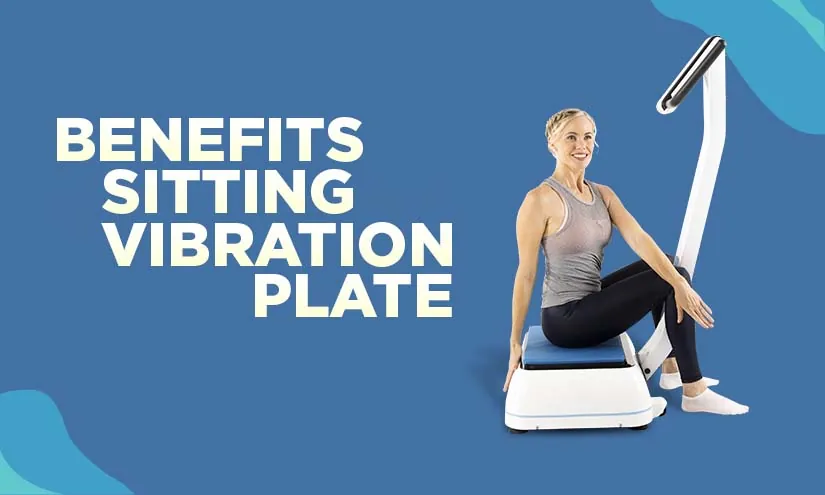
| Exercise | Duration | Notes |
|---|---|---|
| Seated rest | 2 min | Feet flat, hands on thighs |
| Seated calf raises | 1 min | Press through balls of feet |
| Seated leg extensions | 1 min each leg | Straighten knee slowly |
| Seated marching | 2 min | Lift knees alternately |
| Seated rest | 2 min | Breathe normally |
Repeat the circuit once or twice. This is gentle enough for most beginners and still recruits the legs.
When to Progress to Standing
Move to standing when you can complete a seated session with no dizziness and no next-day soreness. Stand with feet shoulder-width apart, knees slightly bent, and hold a stable support for the first week. The CDC’s fall prevention guidance is worth reading if balance is your main concern — it explains why support and progression matter more than intensity.
Common Mistakes to Avoid
- Sitting for 30+ minutes expecting fat loss — the stimulus is too low to matter.
- Using it right after a heavy meal, which can cause nausea.
- Skipping the warm-up and going straight to high frequency.
- Leaning back on a soft chair, which reduces vibration transfer to your legs.
- Ignoring headaches — they’re a sign the frequency is too high for you.
How Often Should You Use It?
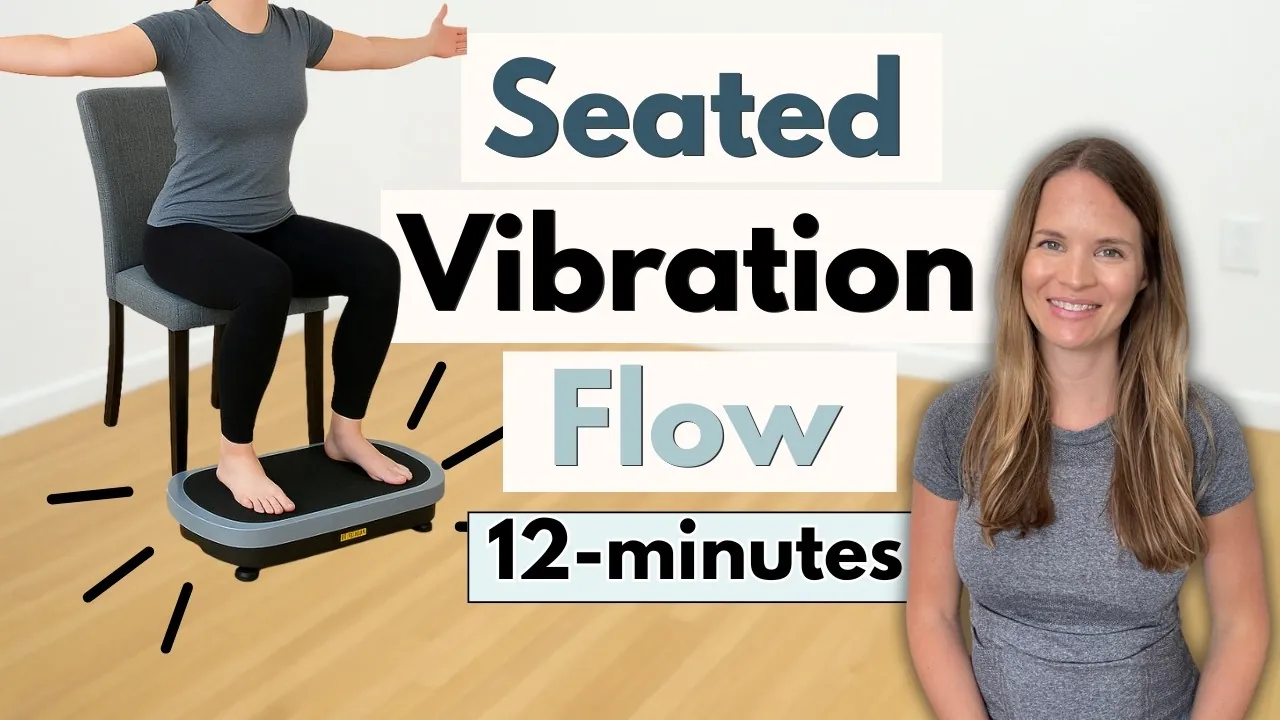
Three to five sessions per week is a typical home schedule. More isn’t better; your muscles and joints need recovery time just as with any other training. If you’re using the plate purely for circulation or stiffness, daily short sessions of 5–10 minutes are generally fine.
Pro Tip: Log your frequency setting and session length. Most people who quit vibration plates do so because they started too high and felt awful — a written record prevents that.
Frequently Asked Questions
Can you lose weight just by sitting on a vibration plate?
No. Seated use burns very few additional calories. Weight loss depends on diet and overall activity. Vibration plates can support a program, but they don’t replace cardio or resistance training.
Is sitting on a vibration plate bad for your back?
Not inherently, but slouching on a soft chair can aggravate existing back issues. Sit upright on a firm seat, keep sessions short, and stop if pain increases.
How long should you sit on a vibration plate?
Beginners: 2–3 minutes. Most users settle at 10–15 minutes per session. Longer isn’t necessary and can cause soreness or headache.
Can seniors use a vibration plate while seated?
Yes, and it’s often the safest entry point. Seated use with a firm chair and nearby support is a common starting method for older adults. Check with a doctor first if you have any medical condition.
Does sitting on a vibration plate help circulation?
It can provide a mild boost by stimulating muscle contractions in the legs and feet. It isn’t a substitute for walking or medical treatment for circulation disorders.
What frequency should a beginner use?
Start at the lowest setting your machine offers, often around 10–15 Hz, and increase only if you feel comfortable after several sessions.
Getting the Most From Your Plate
The honest framing is this: sitting on a vibration plate is a low-intensity tool, best used as a warm-up, a circulation break, or a stepping stone toward standing work. Pair it with walking, two days of resistance training, and a sensible diet, and it earns its place in your routine.
If you only have five minutes today, sit down, set the machine low, and do the seated calf raises from the table above — that single habit is a better starting point than waiting for the perfect plan.

I am a certified fitness coach with over 10 years of experience helping people improve their strength, endurance, and overall health. Specializes in workout programming, weight training, fat loss, muscle building, home fitness, and evidence-based nutrition.My goal is to make fitness simple and practical through well-researched guides, honest product reviews, and actionable training advice.