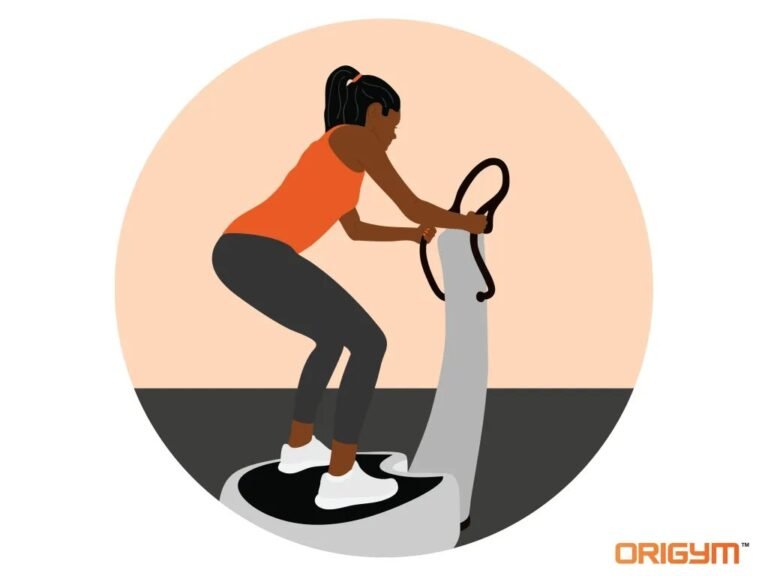
Most vibration plates are built for a user weight of 220–330 lb, and a few commercial-grade models reach 400–500 lb. That single number — the vibration plate weight capacity — is the one spec you should check before anything else, because exceeding it risks motor failure, cracked housings, and falls. The figure is always printed in the manual and usually on the product page, and it refers to the person standing on the plate, not the plate’s shipping weight.
Key Takeaways
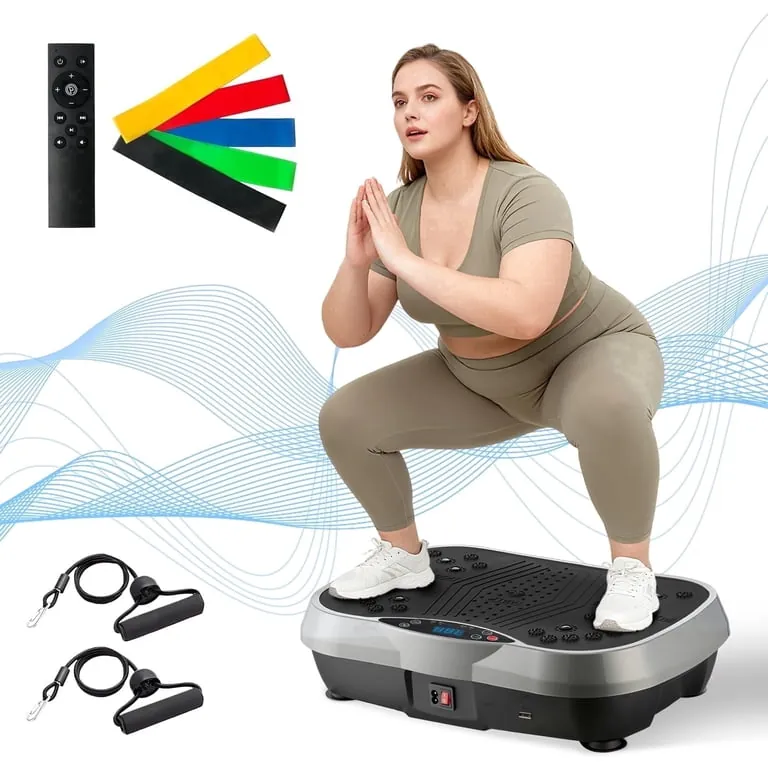
- Typical home vibration plate capacity runs 220–330 lb; commercial units reach 400–500 lb.
- The stated limit assumes even, centered standing — leaning or holding a wall rail shifts load.
- A plate’s capacity is separate from its motor power; a high limit with a weak motor still struggles.
- Buyers over 250 lb should look for steel frames and a weight limit printed in writing.
- Never add your body weight to a barbell or dumbbell load when checking the limit.
- A plate rated at 300 lb isn’t a 300 lb barbell rack — it isn’t built for added loads.
What Vibration Plate Weight Capacity Means
Weight capacity is the maximum user weight the manufacturer certifies for safe operation. It isn’t the same as the plate’s own weight, and it isn’t the same as the maximum load the motor can move. When you stand on the platform, your mass becomes a dynamic load — the vibration adds force on top of your static weight, which is why the limit is lower than the frame’s raw breaking point.
Warning: A capacity rating applies to a standing person. Sitting, kneeling, or holding added weights changes the forces on the frame and voids the rating.
Typical Capacity by Plate Type
| Plate Type | Typical Capacity | Frame Material | Best For |
|---|---|---|---|
| Budget home | 220–265 lb | Plastic/ABS shell | Light daily use |
| Mid-range home | 265–330 lb | Steel frame | Most home users |
| Commercial/studio | 400–500 lb | Heavy steel | Gyms, heavy users |
If you weigh near the top of a budget plate’s range, step up a class. The frame material matters more than the brand name.
How to Find Your Plate’s Limit
- Check the owner’s manual — the number is usually on the specifications page.
- Look at the product listing under “specs” or “technical details.”
- Search the model number plus “weight capacity” on the maker’s site.
- If you can’t find it in writing, treat the plate as unsuitable for heavy use.
Pro Tip: Photograph the spec page when you buy. If the plate fails, you have proof of the stated limit.
Why Exceeding the Limit Is Dangerous

Overloading stresses the motor, the oscillation mechanism, and the platform mounts. The failure modes aren’t gentle: the plate can shut off mid-session, crack at the base, or tip when you shift your weight. Falls from a vibrating platform are worse than falls from a stable floor because your balance is already compromised. The U.S. Consumer Product Safety Commission maintains a database of consumer product incident reports where you can look up injury reports tied to specific equipment categories.
Does Capacity Change with Exercise Type?
Yes. Standing squats at your full body weight are at the limit. Holding dumbbells, wearing a weighted vest, or doing lunges all add load. If a plate is rated 300 lb and you weigh 280 lb, you have 20 lb of headroom — not enough for a 10 lb vest plus a shift in stance.
- Standing only: use full body weight against the limit.
- With dumbbells: count the added weight.
- With a vest: count the added weight.
- Two people: never — capacity is per person.
Matching Capacity to Your Weight
| Your Weight | Minimum Capacity to Seek |
|---|---|
| Under 180 lb | 220 lb |
| 180–250 lb | 265–300 lb |
| 250–300 lb | 330–400 lb |
| Over 300 lb | 400 lb+ commercial |
Leave 10–15% headroom above your body weight so the motor isn’t running at its ceiling every session.
Features That Signal Higher Capacity
- Steel frame instead of plastic housing.
- Reinforced base with visible bolts.
- Higher motor wattage paired with the rating.
- Anti-slip platform sized for larger stances.
- Stated warranty on the motor, not just the shell.
A plate that lists a high capacity but a light motor is a marketing number, not an engineering one. Cross-check wattage and frame material.
What About Added Equipment?
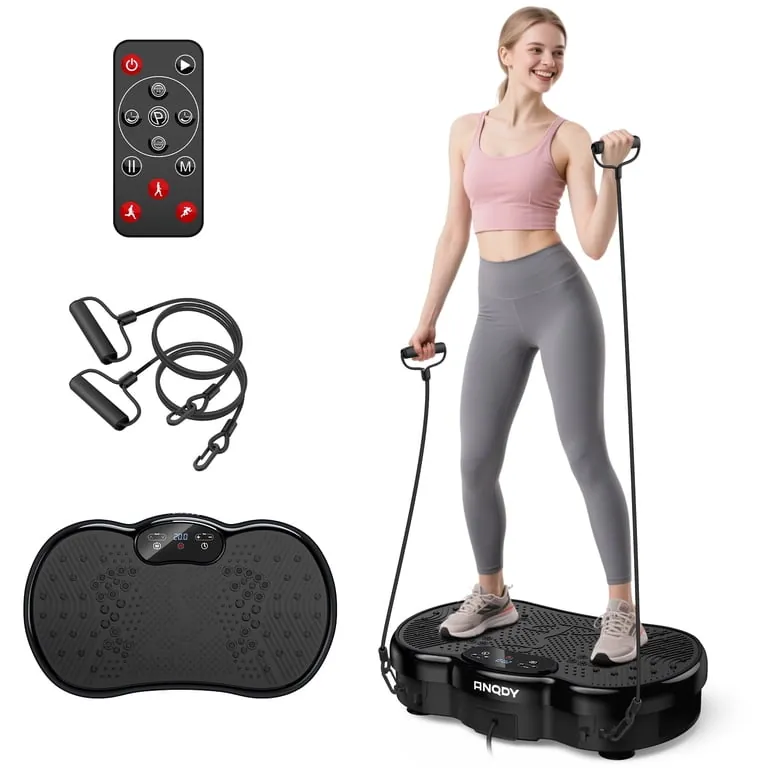
Vibration plates aren’t load-bearing racks. Don’t place a barbell, a squat stand, or a heavy machine on the platform. The capacity figure covers a standing human, and nothing else. If your routine needs added resistance, wear a vest or hold light dumbbells — and subtract that weight from your available headroom.
Frequently Asked Questions
Can I use a vibration plate if I weigh more than the limit?
No. Exceeding the stated capacity risks motor failure and structural cracks, and it voids the warranty. Choose a commercial-grade plate rated at least 10–15% above your weight, or skip vibration training until you have one.
Is weight capacity the same as max load?
They’re related but not identical. Capacity usually means maximum user weight; max load can include added equipment. Read the manual carefully, because makers use the terms inconsistently.
Do cheap vibration plates have lower limits?
Generally yes. Budget plates often use plastic housings and lighter motors, landing around 220–265 lb. Steel-framed mid-range and commercial plates carry the higher ratings.
Does the capacity include the weight of dumbbells I hold?
It should. If you hold 20 lb of dumbbells and weigh 250 lb, the plate sees roughly 270 lb. Subtract added weight from your headroom before you buy.
What happens if I overload a vibration plate?
The motor may stall or overheat, the platform can crack, and the unit may tip while you’re off-balance. Damage from overloading is typically not covered by warranty.
Can two people share one vibration plate?
No. Capacity is rated per person. Two users double the load and create uneven forces the frame was never designed to handle.
Conclusion
Before you buy, write down your body weight, add 15%, and confirm the plate’s stated capacity meets or beats that number in the manual — then keep the receipt and the spec page on file. That one check protects both your machine and your joints.

I am a certified fitness coach with over 10 years of experience helping people improve their strength, endurance, and overall health. Specializes in workout programming, weight training, fat loss, muscle building, home fitness, and evidence-based nutrition.My goal is to make fitness simple and practical through well-researched guides, honest product reviews, and actionable training advice.