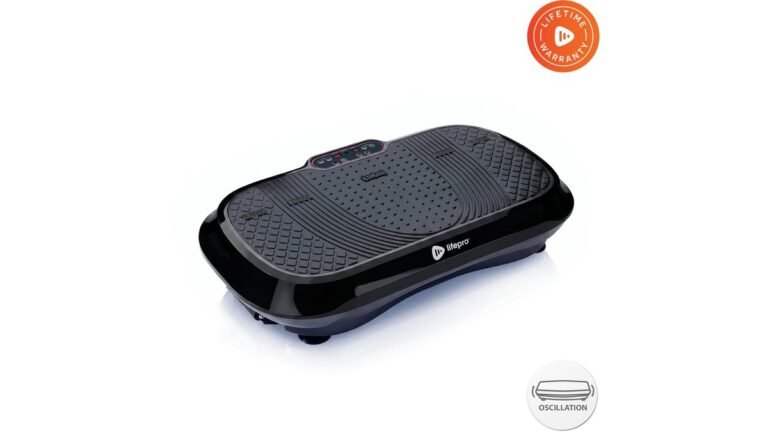
Yes, but only partly. A vibration plate can add to your training, but it can’t replace exercise that makes your heart and muscles work. If you’re healthy and short on time, use it as a 10-minute add-on, not your whole routine.
When a vibration plate fits your routine

One lead point: a vibration plate helps most when it sits next to real exercise, and helps least when it stands alone.
| Your situation | Answer | Why |
|---|---|---|
| Healthy, already training 3+ days a week | Yes, as an add-on | Extra muscle stimulus on top of your normal work |
| No time for a full session today | Yes, short term | A 10-minute session beats nothing at all |
| Using it instead of all cardio | No | It won’t build heart fitness the way walking or cycling does |
| Older adult with balance concerns | Only with support | Hold a rail or chair; falls are the real risk |
| Recent surgery or a fracture | No | Ask your doctor first — vibration may not be safe yet |
| Pregnant | No | Check with your doctor before using one |
| Back pain you haven’t had checked | No | Get a diagnosis before you add vibration |
The pattern is simple: it works as a supplement, never as a swap.
What actually decides the answer
Whether a vibration plate can stand in for exercise comes down to one thing: whether your body is doing the work, or the machine is doing it for you. On a plate, your muscles contract in response to the platform’s movement. That’s a real stimulus, but it’s small compared to lifting a weight or climbing a hill.
Your heart is the bigger issue. Cardio fitness comes from sustained effort that raises your heart rate and keeps it there. Standing on a plate for a few minutes doesn’t do that.
The same idea runs through most physical activity guidance: move your whole body, most days.
If your goal is strength or balance, then a plate can help; if your goal is heart fitness or weight loss, then it can’t carry that job alone.
How to use one without wasting your time

- Check with your doctor first if you have any health condition. This matters most for pregnancy, recent surgery, or a known back problem. A clear answer here saves you a wasted purchase.
- Start at the lowest setting for 30 seconds. Your body needs to learn the movement. If you feel dizzy or your vision blurs, stop and sit down.
- Build to 10 minutes, 3 times a week. That’s a common starting range. Add time only when the current session feels easy.
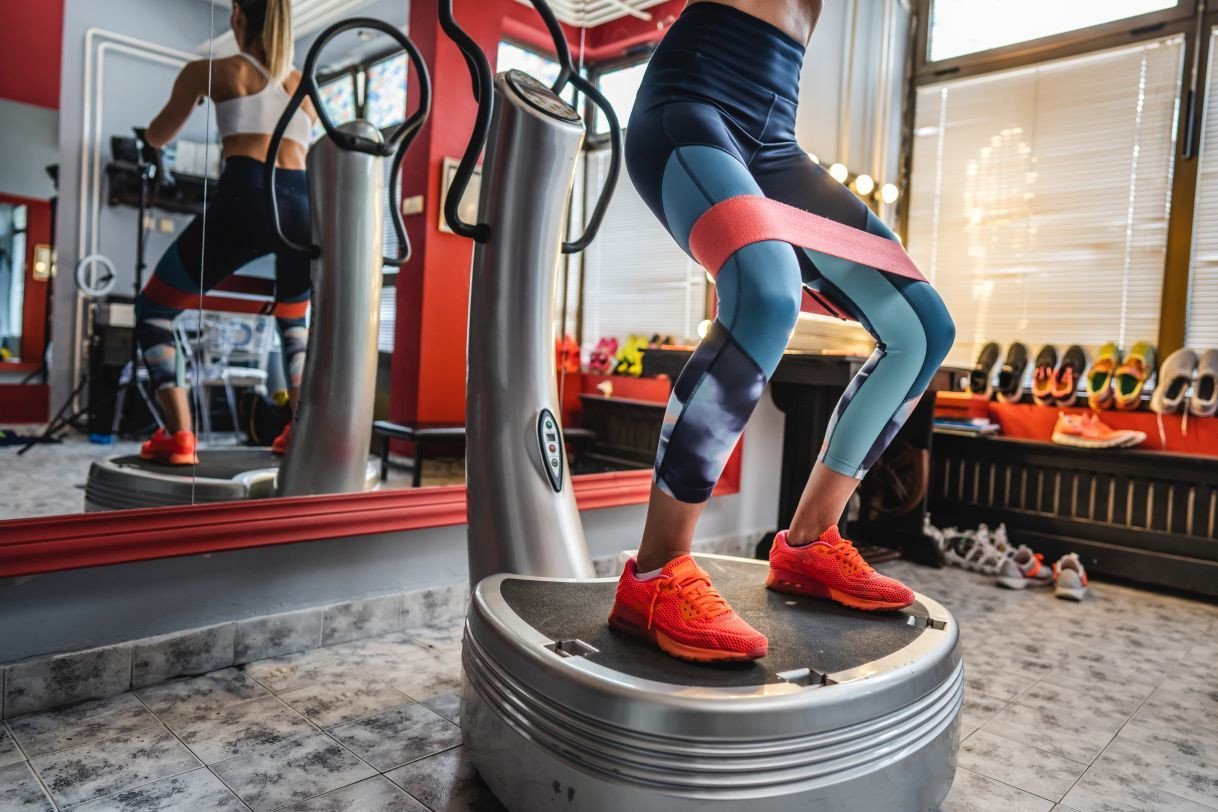
- Add real movement on the plate. Do squats, lunges, or hold a plank. Standing still gives you far less.
- Keep your normal exercise on the other days. The plate adds to your week; it doesn’t replace the days you’d normally train.
- Stop if you feel pain, numbness, or joint ache. That’s your signal, not a challenge to push through.
The sign a step worked: you finish feeling worked but steady, not sore in your joints.
The mistake that costs people the most
The common error is buying a plate, using it for two weeks, and dropping every other workout because the plate “counts.” Progress stalls within a month, and the money spent on the machine buys nothing back.
The fix is a simple check before you buy: write down what you’d cut from your week. If the answer is “all my cardio,” don’t buy it. If the answer is “nothing, it’s extra,” it’s worth trying.
When to stop and get help

- Dizziness or blurred vision during use — stop and see a doctor; this isn’t a training problem.
- New or worsening back pain — see a physiotherapist or your doctor before continuing.
- You’re pregnant or recently had surgery — get medical clearance first.
- You have a pacemaker or metal implant — ask your doctor; some devices carry warnings.
- You want a full training plan — a certified trainer or physiotherapist can build one.
Past these points, this stops being a home question. A doctor, physiotherapist, or certified trainer handles it properly, and no article should walk you further.
Frequently asked questions
Can a vibration plate replace exercise completely?
No. It can’t build heart fitness or replace strength training with weights. Use it as an add-on, not a swap, and keep your normal workouts.
How long should I use a vibration plate each day?
Start at 30 seconds on the lowest setting, then build to about 10 minutes a session, 3 times a week. Longer isn’t better if you feel dizzy or sore.
Is a vibration plate safe for older adults?
Usually yes, with support. Hold a rail or sturdy chair, keep sessions short, and check with your doctor first if you have balance problems or a heart condition.
Does a vibration plate help you lose weight?
Only slightly, and not on its own. Weight loss comes mostly from diet and regular cardio. A plate burns far less than a brisk walk of the same length.
What happens if I only use a vibration plate and nothing else?
You’ll likely lose some strength and heart fitness over time. Your muscles adapt to the plate’s small stimulus and then stop improving.
Can I use a vibration plate every day?
Yes, if sessions stay short — around 10 minutes — and you feel fine afterward. Stop if you get joint pain, dizziness, or numbness.
Is a vibration plate safe during pregnancy?
Ask your doctor first. Most guidance says to avoid it unless a clinician clears you, because the effects on pregnancy aren’t well studied.
Start with one small change
Pick one thing: add a 10-minute plate session to a week you’re already training. Expect better balance and a bit more muscle tone within a few weeks — the sign is steadier squats and less wobble. If you feel dizzy, get joint pain, or you’re pregnant, stop and see a doctor.

I am a certified fitness coach with over 10 years of experience helping people improve their strength, endurance, and overall health. Specializes in workout programming, weight training, fat loss, muscle building, home fitness, and evidence-based nutrition.My goal is to make fitness simple and practical through well-researched guides, honest product reviews, and actionable training advice.