
If you own a kettlebell set, you know how important it is to keep your equipment in top shape. But have you ever wondered how to clean your kettlebells properly?
Dirt, sweat, and dust can build up quickly, making your workouts less enjoyable and even risking damage to your gear. Cleaning your kettlebell set isn’t just about looks—it’s about safety, hygiene, and extending the life of your investment. You’ll discover simple, effective steps to clean your kettlebells the right way.
Stick with me, and you’ll learn how to keep your kettlebell set ready for every workout session without wasting time or effort. Ready to make your kettlebells shine and perform their best? Let’s dive in!
Preparing Your Kettlebell Set
Preparing your kettlebell set is the first step to keep it clean and safe to use. Proper preparation makes the cleaning process easier and more effective. It also helps protect the kettlebell from damage and rust. Take time to gather the right supplies and choose the best place for cleaning. This ensures a smooth and organized process every time.
Gathering Cleaning Supplies
Collect all cleaning items before starting. You will need a soft cloth or microfiber towel. A gentle soap or mild detergent works well. Avoid harsh chemicals that can harm the kettlebell’s finish. Have a bucket or bowl of warm water ready. Use a soft brush for stubborn dirt. Keep a dry cloth handy to wipe off moisture after cleaning.
Choosing The Right Cleaning Area
Select a space with good lighting and ventilation. A garage, porch, or utility room is ideal. Make sure the surface is flat and stable. Avoid carpeted areas to prevent dirt buildup. Lay down old towels or mats to catch drips. Keep cleaning supplies within reach to avoid interruptions. This setup helps keep your kettlebell and surroundings clean and dry.
Credit: kettlebellsworkouts.com
Removing Dirt And Sweat
Removing dirt and sweat from your kettlebell set keeps it safe and ready to use. Sweat can build up during workouts, making handles slippery and unhygienic. Dirt from the floor or hands also sticks to the surface. Regular cleaning stops damage and extends the life of your kettlebells.
Focus on cleaning the handles and all surfaces. Use gentle cleaning solutions to protect the kettlebell’s finish. Clean kettlebells feel better in your grip and help prevent skin irritation or infection.
Wiping Down Handles And Surfaces
Start by wiping the kettlebell handles with a dry cloth. This removes loose dust and sweat. Use a microfiber cloth for better results. Pay special attention to the grip area where sweat gathers most.
Next, dampen the cloth slightly with water and wipe all surfaces. Avoid soaking the kettlebell. Water can cause rust or damage certain finishes. Wipe in circular motions to lift dirt effectively. Make sure to dry the kettlebell completely after cleaning.
Using Mild Soap Solutions
For tougher dirt or sweat, mix a small amount of mild soap with warm water. Dip a soft cloth into the solution and wring it out well. Wipe the kettlebell handles and body gently with the cloth. This helps break down oils and grime without harming the surface.
Rinse the cloth with clean water and wipe the kettlebell again to remove soap residue. Dry the kettlebell thoroughly with a clean towel. Avoid harsh chemicals or abrasive cleaners as they can damage the kettlebell’s coating.
Deep Cleaning Techniques
Deep cleaning your kettlebell set protects its surface and extends its life. Sweat, dirt, and moisture cause rust and stains that weaken the metal. Regular deep cleaning removes these harmful elements and keeps your kettlebells safe to use. This process requires some simple tools and careful steps. Follow these cleaning techniques to restore your kettlebell’s original look and prevent damage.
Cleaning Rust And Stains
Start by wiping the kettlebell with a dry cloth to remove loose dirt. Use a wire brush or steel wool to scrub off rust spots gently. Avoid harsh scrubbing that can scratch the metal. Mix equal parts of water and white vinegar in a bowl. Soak a cloth in the solution and rub the stained areas. Let it sit for 10 minutes before wiping off. For tough stains, apply baking soda paste and scrub lightly. Rinse with clean water and dry the kettlebell completely. This prevents new rust from forming.
Using Protective Coatings
After cleaning, apply a protective coating to shield the kettlebell from moisture and rust. Use a light layer of mineral oil or silicone spray. Spread it evenly over the entire surface using a cloth. Avoid using thick or sticky coatings that attract dust. Let the coating dry fully before storing the kettlebell. This barrier keeps sweat and water from damaging the metal. Regular application of protective coatings keeps your kettlebell set looking and working like new.
Drying And Storage Tips
After cleaning your kettlebell set, proper drying and storage are key to keeping them in good shape. Moisture left on the kettlebell can cause rust and damage. Storing them correctly helps avoid scratches and maintains their finish. Follow these simple tips to extend the life of your kettlebell set.
Proper Drying Methods
Use a clean, dry cloth to wipe the kettlebell after washing. Make sure to remove all water from the handle and surface. Let the kettlebell air dry completely before storing it. Avoid placing kettlebells in direct sunlight or near heat sources. This prevents damage to the coating and metal. Drying well reduces the chance of rust forming.
Storing To Prevent Damage
Store kettlebells on a rack or shelf to keep them off the floor. Keep them in a dry, cool place away from moisture. Avoid stacking kettlebells directly on top of each other to prevent scratches. Use rubber mats or padding under the kettlebells if possible. Arrange them by size or weight for easy access. Proper storage protects your kettlebell set and keeps your workout space organized.
Maintaining Your Kettlebell Set
Maintaining your kettlebell set ensures it lasts longer and stays safe to use. Regular care prevents rust and damage. A clean kettlebell also improves grip and workout quality.
Simple maintenance habits keep your set in top shape. Follow a routine to clean and inspect your kettlebells. This protects your investment and supports better training sessions.
Regular Cleaning Schedule
Clean your kettlebells after every workout session. Wipe down the handles and bodies with a damp cloth. Use mild soap and water if there is dirt or sweat buildup.
Dry the kettlebells thoroughly to stop rust from forming. Avoid harsh chemicals that can damage the finish. For cast iron kettlebells, apply a light coat of oil once a month.
Keep your kettlebells in a dry place. Avoid leaving them on damp floors or outside. Regular cleaning prevents grime and corrosion over time.
Checking For Wear And Tear
Inspect your kettlebell set regularly for cracks or chips. Check the handle for rough spots or sharp edges. These can cause injury during workouts.
Look for rust patches and remove them quickly. Light sanding and oil can help stop rust from spreading. Replace kettlebells that show serious damage.
Check the paint or coating for peeling. Repainting or recoating helps protect the metal. Safe, well-maintained kettlebells give a better workout experience.

Credit: www.kettlebellkings.com
Common Cleaning Mistakes To Avoid
Proper cleaning of your kettlebell set keeps it safe and lasting longer. Many make simple mistakes that damage the equipment or reduce hygiene. Avoid these common errors to protect your kettlebell’s surface and your health. Focus on gentle care and attention to all parts of the kettlebell.
Using Harsh Chemicals
Strong chemicals can harm the kettlebell’s finish. Avoid bleach, ammonia, or abrasive cleaners. These substances may cause rust or discoloration. Instead, use mild soap and water for cleaning. Wipe with a soft cloth to prevent scratches. Harsh cleaners reduce the kettlebell’s lifespan and look.
Ignoring Handle Hygiene
The handle is the part you touch the most. Sweat and dirt build up quickly here. Skip cleaning the handle, and bacteria can grow. This leads to skin irritation or infections. Clean the handle after every use with a disinfectant wipe or a cloth dipped in soapy water. Dry it fully to avoid rust and keep your grip safe.

Credit: bellsofsteel.us
Frequently Asked Questions
How To Properly Clean A Kettlebell?
Wipe kettlebell with a damp cloth to remove sweat and dirt. Dry it thoroughly to prevent rust. Use mild soap for stubborn grime. Avoid harsh chemicals that damage the finish. Regular cleaning maintains grip and extends kettlebell life.
What Are Common Kettlebell Clean Mistakes?
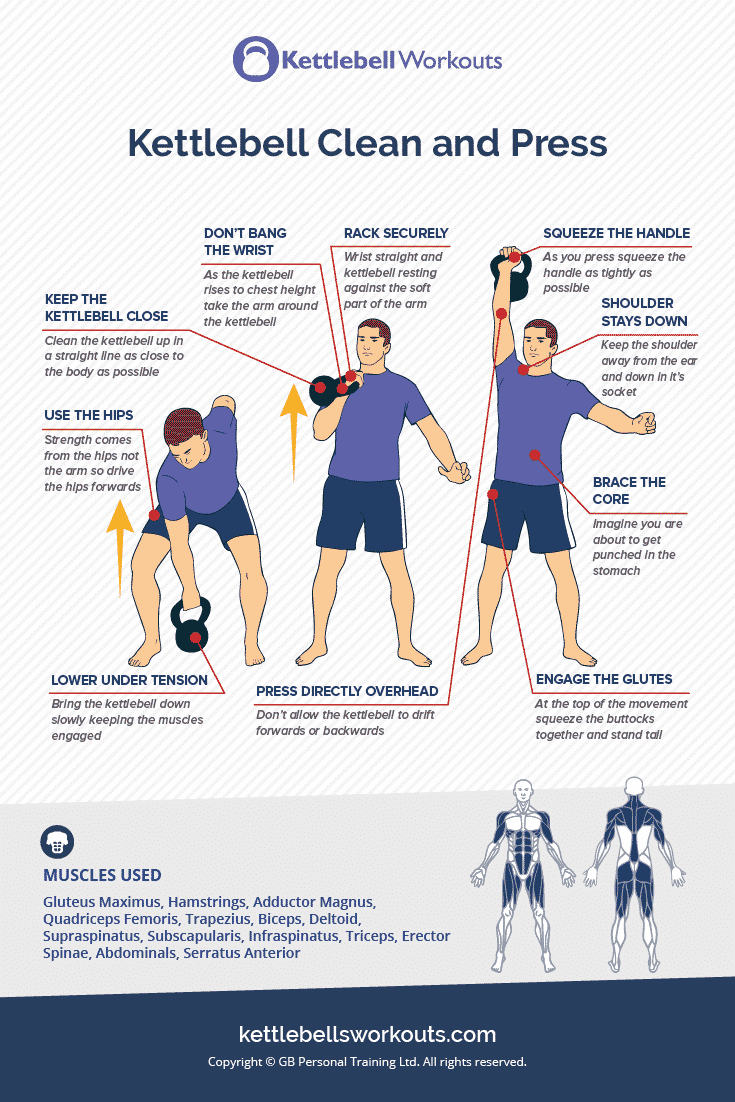
Common kettlebell clean mistakes include curling the arm, hitting the forearm, using a tight grip, and catching with bent wrists. Keep the bell close, use hip power, rotate the bell smoothly, and catch with a flat wrist to avoid injury and improve form.
What Will 100 Kettlebell Swings A Day Do?
Doing 100 kettlebell swings daily builds strength, improves cardiovascular fitness, and enhances hip power. It also boosts endurance and burns calories efficiently.
Do I Need Special Shoes For Kettlebell Clean And Press?
Wearing flat, stable shoes with good grip improves balance and safety during kettlebell clean and press. Avoid cushioned running shoes.
Conclusion
Cleaning your kettlebell set regularly keeps it safe and lasts longer. Use simple tools like a cloth and mild cleaner. Avoid harsh chemicals that can damage the surface. Wipe sweat and dirt after each workout to stop rust and bacteria.
Dry your kettlebell well to prevent moisture buildup. Proper care helps maintain grip and appearance. Follow these easy steps to enjoy your kettlebell set every day. Keep your equipment clean, and your workouts will feel better and safer.

I am a certified fitness coach with over 10 years of experience helping people improve their strength, endurance, and overall health. Specializes in workout programming, weight training, fat loss, muscle building, home fitness, and evidence-based nutrition.My goal is to make fitness simple and practical through well-researched guides, honest product reviews, and actionable training advice.