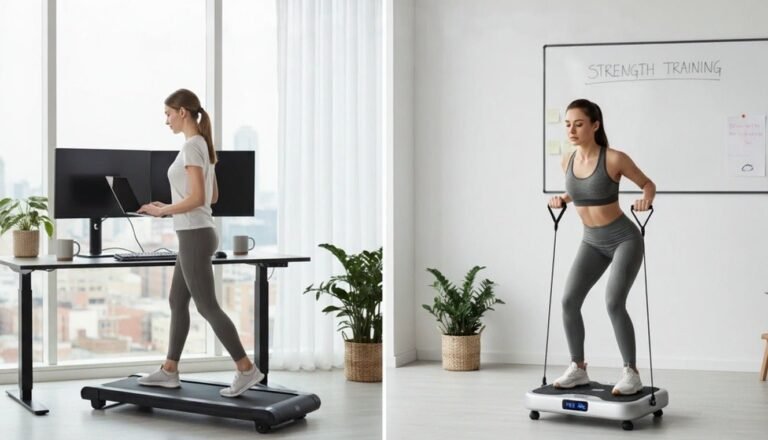
For most people, a vibration plate is the better pick for whole-body goals like circulation and bone loading, while a massage gun wins for spot muscle relief. If your pain sits in one tight knot, the gun is the smarter buy.
Vibration plate vs massage gun compared
These two tools get lumped together because both promise “recovery at home,” but they work on different parts of the body. One shakes your whole frame while you stand on it. The other is a handheld device you press into a single muscle. Here’s how the main options stack up.
| Method | How long | Effort | Cost | Best for |
|---|---|---|---|---|
| Vibration plate | 10–20 min per session | Low | Medium | Whole-body circulation, balance, bone loading |
| Massage gun | 1–3 min per muscle | Low | Low–Medium | One tight spot, post-workout knots |
| Foam roller | 5–10 min per area | Medium | Low | Large muscle groups, self-myofascial release |
| Professional massage | 30–60 min | None | High | Deep tissue work, injuries |
No single row wins everywhere. The plate covers more ground; the gun reaches deeper into one muscle.
How a vibration plate works
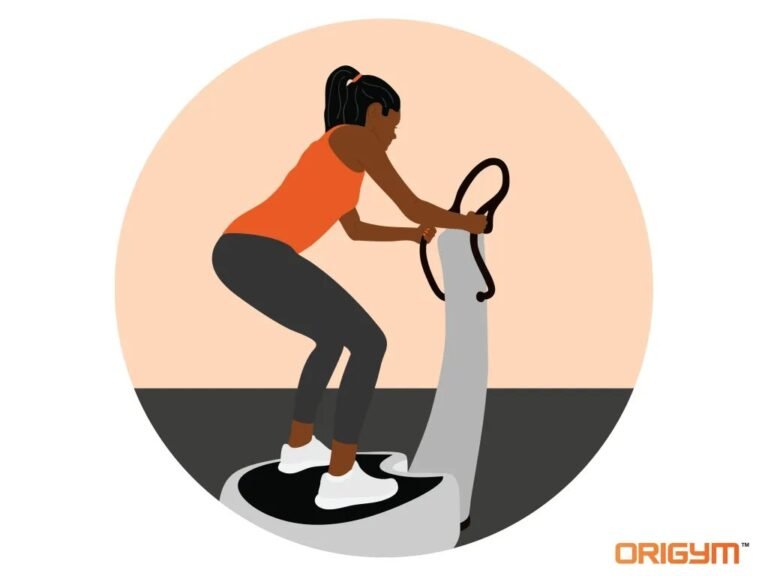
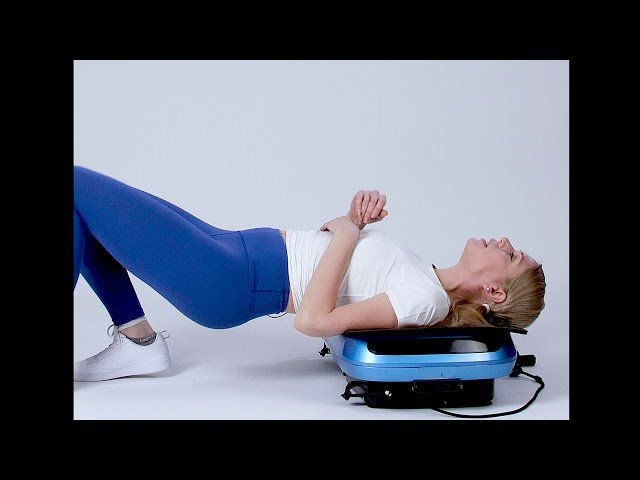
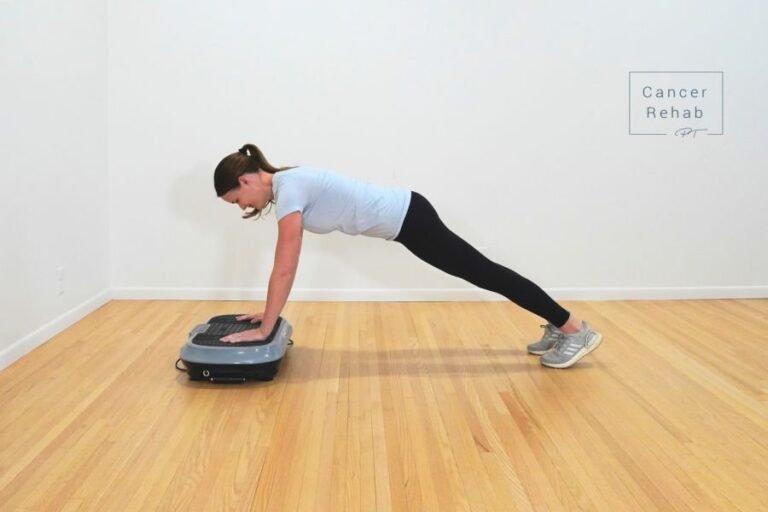
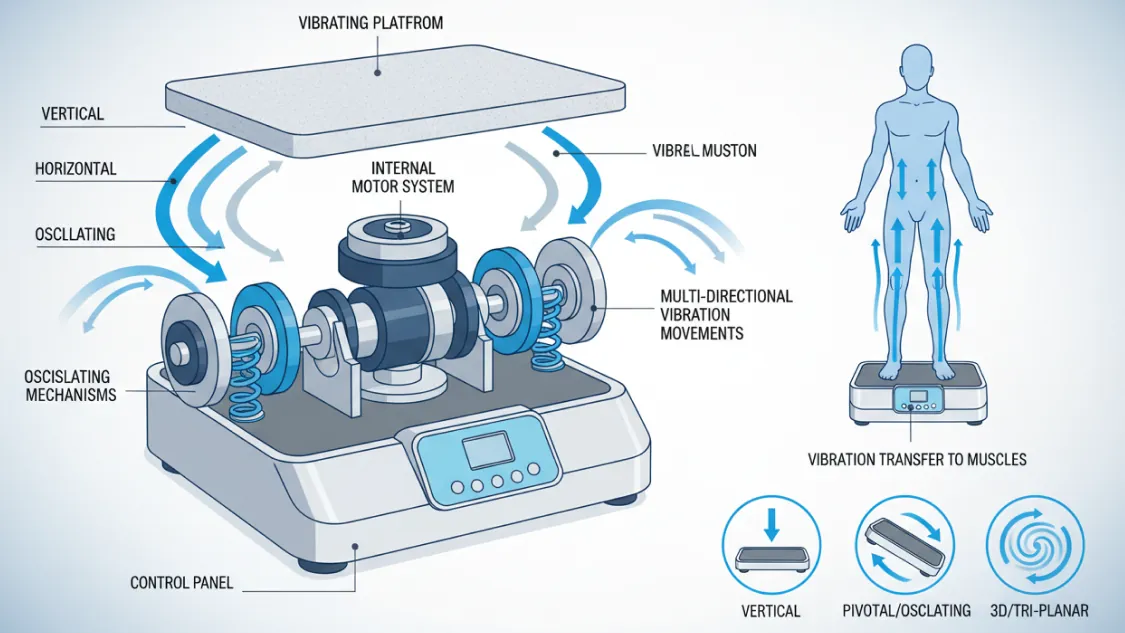
A vibration plate sends fast vertical or oscillating pulses through your body while you stand, sit, or hold a pose on it. Your muscles fire and relax many times per second to keep you stable.
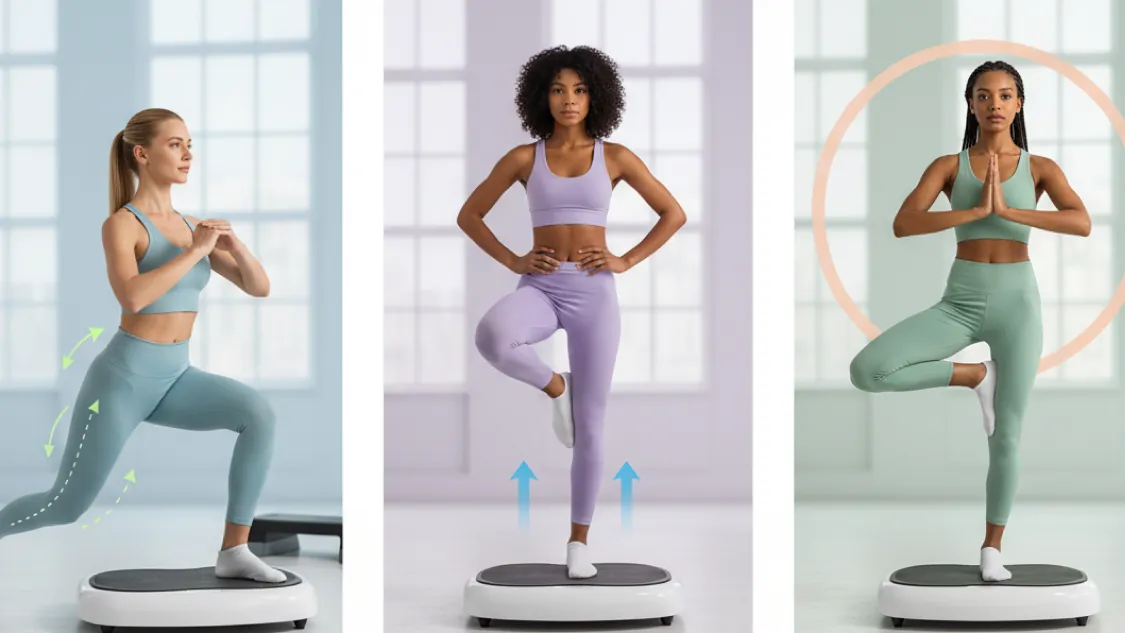
- Step on with both feet shoulder-width apart, knees soft.
- Start at a low frequency — most home plates run roughly 10–50 Hz, so begin near the bottom.
- Hold a static stance for 30–60 seconds, then build to 10–20 minutes total.
- Keep sessions to about 3–5 times per week, with a rest day between.
It’s good for people who want gentle whole-body movement without joint impact. Its weakness: the evidence for big strength gains is thin, and standing on a moving platform is a real balance risk if you’re unsteady. If you have a bone, joint, or heart condition, ask your doctor before you start.
How a massage gun works
A massage gun drives a padded head back and forth into one muscle, usually at 20–40 pulses per second. You control how hard you press.
- Pick a round or flat head for big muscles, a small one for tight spots.
- Set the speed low, then raise it only if it feels comfortable.
- Glide the head slowly over the muscle for 1–2 minutes — don’t park it on one point.
- Stop after 2–3 minutes per muscle and move on.
It’s fast, portable, and easy to aim at exactly where you hurt. The honest weakness: pressing too hard or too long can bruise tissue, and you should never run it over your neck, spine, or a healing injury. Keep it off bony areas and varicose veins.
A fourth option, a foam roller, is cheaper but needs more effort and can’t reach small muscles well — worth trying only if you already roll regularly.
Which one fits your situation?
Your choice comes down to the job in front of you, not which device is “better.” Each tool trades coverage against precision.
- You’re in a hurry: grab the massage gun. One tight muscle gets relief in about 2 minutes, no setup.
- It’s your first time: start with the vibration plate on the lowest setting. You just stand there, so there’s little to get wrong.
- You want the best result, whatever it takes: use both. Ten minutes on the plate for whole-body work, then the gun on any leftover knot.
The trade-off is simple. The plate gives you broad, low-effort movement but no deep pressure. The gun gives you deep, targeted pressure but only where you point it.
Rules that apply to either tool

Whatever you pick, a few things stay the same. Start with a short session and build up — more isn’t better on day one. Check your body partway through: if you feel sharp pain, numbness, or dizziness, stop.
The safety limits come from the maker and your doctor, not from a forum. Read the label’s warnings before first use. If you’re pregnant, have a blood clot, a pacemaker, or a recent fracture, talk to a clinician first — these tools aren’t for everyone, and no home device replaces a physiotherapist.
At the end, clean the contact surfaces, and log how your body felt so you can adjust next time.
Related guides
- Weight Plates Kg Vs Lbs Conversion
- Size Guide Squat Rack: Find Your Perfect Fit Fast
- Size Guide Treadmill: Find Your Perfect Fit Easily
Frequently asked questions
Can you use a vibration plate and a massage gun together?
Yes. Many people use the plate first for whole-body warm-up, then the gun on tight spots. Keep total time under about 30 minutes and stop if anything hurts.
Why does a massage gun hurt the next day?
Pressing too hard or too long can bruise muscle and leave soreness. Keep it to 1–2 minutes per muscle at a low speed, and skip bony areas.
How long should you use a vibration plate each day?
About 10–20 minutes per session, 3–5 days a week, is a common home range. Start near 30–60 seconds and build slowly if you’re new.
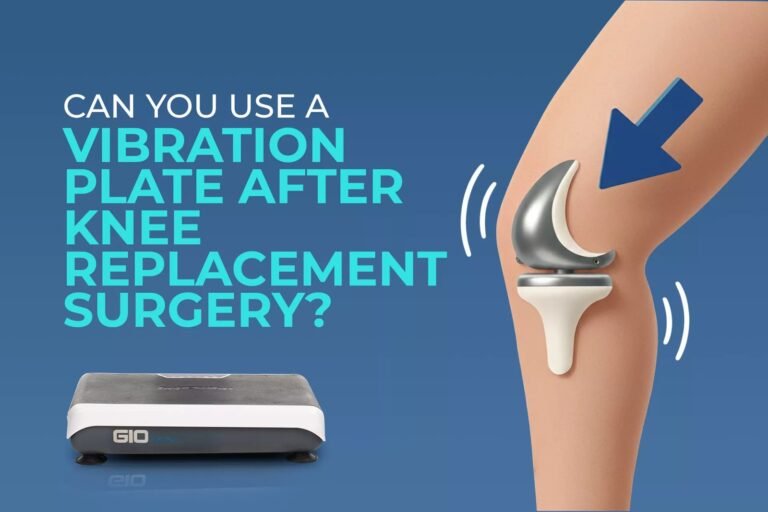
Is a vibration plate safe for your knees?
It can be, but the moving platform adds balance risk. If you have knee or joint problems, ask your doctor and hold a rail while you build confidence.
What happens if you use a massage gun on your neck?
Don’t. The neck and spine have nerves and vessels close to the surface. Keep the gun on large muscles like calves, thighs, and shoulders.
How much should you spend on either one?
Prices vary widely by brand and features, so check the maker’s own site for current figures. A basic gun costs less than a good plate.
Can a vibration plate replace exercise?
No. It’s a light add-on, not a substitute for strength or cardio work. Treat it as a small extra, not your main routine.
Conclusion
Neither tool is magic, and neither replaces real training or a doctor’s advice for a genuine injury. Pick the plate for broad, easy movement and the gun for one stubborn knot — and if you’re unsure whether either is safe for you, that’s a question for your clinician, not a product page.

I am a certified fitness coach with over 10 years of experience helping people improve their strength, endurance, and overall health. Specializes in workout programming, weight training, fat loss, muscle building, home fitness, and evidence-based nutrition.My goal is to make fitness simple and practical through well-researched guides, honest product reviews, and actionable training advice.