Choosing the right treadmill size can make all the difference in your workout experience. You want a machine that fits your space, supports your height, and matches your fitness goals.
But how do you know what size treadmill you really need? This guide is designed just for you—to help you find the perfect treadmill size that suits your body and lifestyle. Keep reading, and you’ll discover simple tips and key factors that ensure your treadmill feels comfortable, safe, and effective every time you step on it.
Don’t settle for guesswork—get the facts and make a confident choice today!
Treadmill Sizes Explained
Treadmill sizes vary to fit different spaces and workout needs. Knowing the right size helps you pick a treadmill that fits your room and exercise style.
Size affects comfort and safety during workouts. It also impacts storage and movement in your home. Understanding treadmill dimensions simplifies your choice.
Standard Dimensions
Most treadmills measure about 70 to 80 inches in length. The width usually ranges from 28 to 36 inches. Height varies but stays around 50 to 60 inches. These sizes fit most home gyms and rooms.
Belt Length And Width
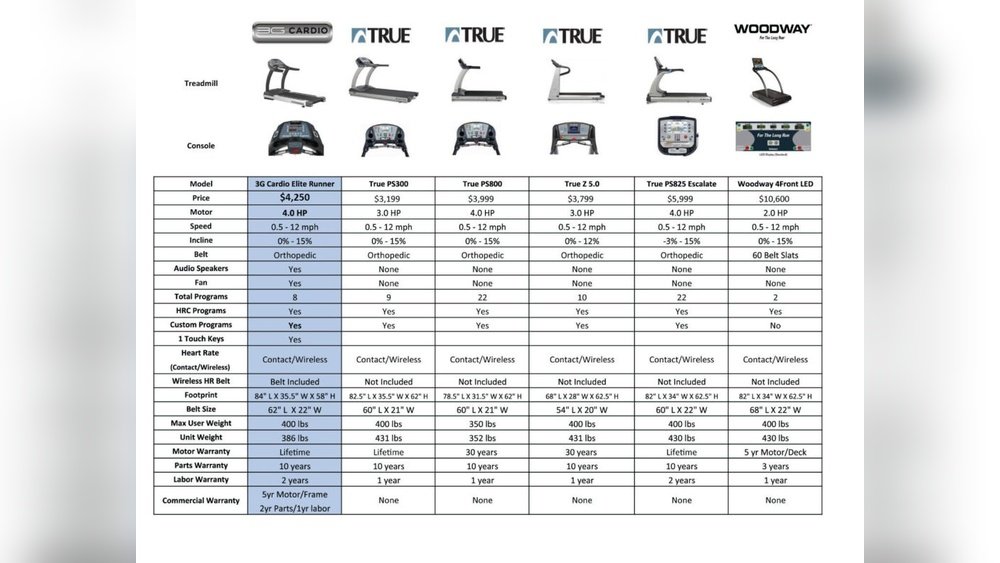
The belt length is key for stride comfort. Walking belts are typically 48 to 55 inches long. Running belts range from 55 to 60 inches or more. Belt width is usually 16 to 22 inches. Wider belts offer more space to move safely.
Compact Vs Full-size Models
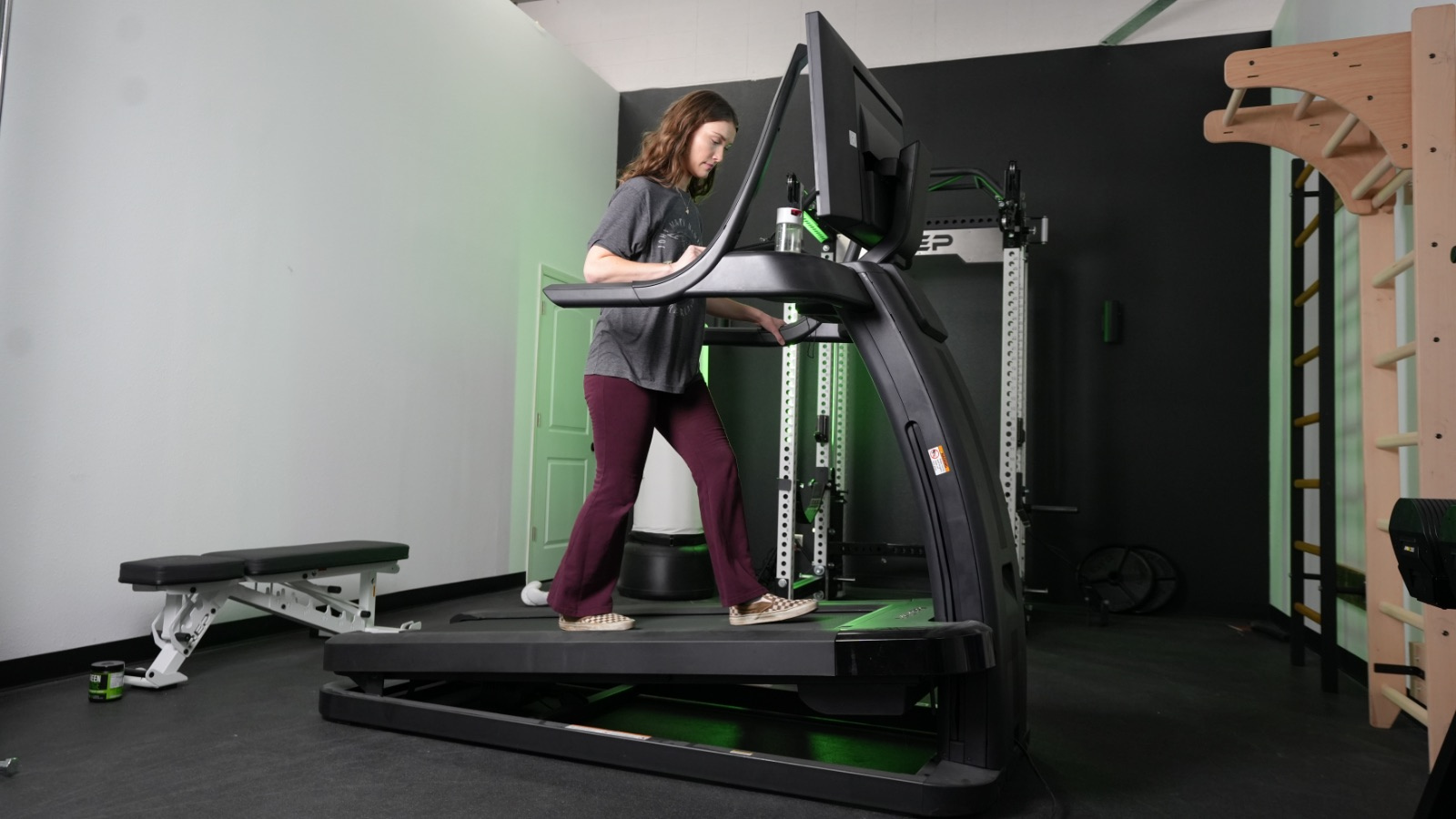
Compact treadmills save space and are lighter. They often have smaller belts and fewer features. Full-size models offer longer belts and stronger motors. These are better for serious runners and longer workouts. Choose based on your space and workout goals.
Credit: barbend.com
Matching Treadmill Size To Height
Choosing the right treadmill size based on your height improves your workout comfort and safety. A treadmill too short limits stride, causing awkward movement. Too long wastes space and feels bulky. Matching treadmill size to height ensures smooth steps and natural posture. This guide explains belt length, step length, and activity differences to help select the best fit.
Ideal Belt Length For Different Heights
The treadmill belt length should match your height and stride. For users under 5’8″, a belt length of 50 to 55 inches works well. Those between 5’8″ and 6’2″ need belts around 55 to 60 inches. Taller individuals over 6’2″ benefit from belts 60 inches or longer. Proper length avoids stepping off the belt and supports full strides.
Step Length And Stride Considerations
Step length varies by height and walking style. Taller users naturally have longer strides. Shorter belts force shorter steps, which feel uncomfortable. Running requires longer stride space than walking. A treadmill should allow your feet to land fully without rushing or shortening steps. This reduces risk of injury and improves exercise quality.
Adjusting For Walking Vs Running
Walking needs less belt length than running. For walking, a belt length of 50 to 55 inches is usually enough. Running requires a longer belt, typically 55 to 60 inches or more. The belt width should also be wider for running, around 20 inches, to allow side-to-side movement. Choose treadmill size based on your main activity to ensure comfort and safety.
Space Requirements For Home Setup
Setting up a treadmill at home needs careful planning of space. You must know the exact space it will take. This helps you avoid problems later. Proper space ensures comfort and safety while exercising.
Every treadmill has different size needs. Knowing these helps you pick the right spot. A good setup makes workouts smooth and enjoyable.
Measuring Available Room
Start by measuring the room where you want the treadmill. Use a tape measure for accuracy. Check the length, width, and height of the space. Keep in mind doors and furniture that may block the area. Write down these numbers to compare with treadmill dimensions.
Allowing Clearance And Safety Zones
Leave extra space around the treadmill. This space is for safety and ease of use. Experts suggest at least 2 feet on each side. Also, leave 6 feet behind the treadmill for safety. Clear space helps prevent accidents and allows easy access. Think about ceiling height if you plan to run.
Foldable Treadmill Options
Foldable treadmills save space when not in use. They fold up vertically or horizontally. This design fits well in small rooms or apartments. Check the folded size before buying. It should fit easily in your storage area. Foldable models offer flexibility without losing workout quality.

Credit: www.soletreadmills.com
Choosing Based On Exercise Type
Choosing a treadmill depends on the type of exercise you plan to do. Each exercise style has unique needs for size and features. Picking the right treadmill improves comfort and workout effectiveness. This guide helps match treadmill types to your exercise goals.
Walking Treadmills
Walking treadmills are smaller and simpler. They usually have a shorter belt length. This suits slower speeds and gentle workouts. Ideal for beginners or low-impact exercise. A belt around 40 to 50 inches long works well. The motor does not need to be very powerful. Compact size fits small spaces.
Jogging And Running Treadmills
Running requires a longer belt for a natural stride. Choose a treadmill with a belt length of 55 inches or more. Stronger motors support higher speeds and steady performance. Wider belts, about 20 inches, allow freedom of movement. These treadmills handle regular use and intense workouts.
Incline And Speed Features
Incline options increase workout intensity without speed. Look for a treadmill with adjustable incline levels. Speed controls should be easy to reach and adjust. Advanced models offer steep inclines and quick speed changes. These features add variety and challenge to your routine. Consider these if you want to build strength and endurance.
Key Features Linked To Size
Choosing the right treadmill size affects your workout comfort and safety. Size links closely to key features. These features determine how well the treadmill fits your needs. Understanding them helps pick the perfect model. Below are important features tied to treadmill size.
Motor Power And Belt Size
Motor power impacts treadmill performance. Larger motors support longer belts and higher speeds. Belt size affects running or walking space. Taller users need wider and longer belts. This prevents stepping off the belt during exercise. A strong motor keeps the belt moving smoothly. It reduces wear and tear over time.
Shock Absorption And Cushioning
Shock absorption protects joints from impact. Bigger treadmills often have better cushioning systems. These systems reduce stress on knees and ankles. Cushioning helps in longer workouts without pain. Smaller treadmills may have limited shock absorption. This suits light walking or short sessions. Consider cushioning based on workout intensity and size.
Control Panel And Accessories
Control panels vary with treadmill size. Larger treadmills offer bigger, easier-to-read displays. They include more features and programs. Accessories like fans and speakers fit better on large models. Smaller treadmills have compact panels with basic controls. Choose a size that matches your tech needs. Accessories improve workout experience and motivation.
Common Buying Mistakes To Avoid
Choosing the right treadmill size is key to a safe and comfortable workout. Many buyers make mistakes that lead to regret. Understanding these common errors helps you pick the perfect treadmill. Avoid these pitfalls to enjoy your fitness journey.
Ignoring Your Height And Stride
Your height affects the treadmill length you need. Taller people need longer belts to avoid stepping off. Stride length matters too. A short treadmill belt can cause discomfort or injury. Measure your stride before buying. Ensure the treadmill belt fits your natural walking or running style.
Overlooking Space Constraints
Check the available room before buying. Treadmills vary in size and need clearance for safe use. A large treadmill in a small space feels cramped. It can block doors or pathways. Measure your space carefully. Choose a treadmill that fits comfortably without crowding your room.
Underestimating Usage Needs
Think about how often and how hard you will use the treadmill. A machine for light walking differs from one for intense running. Low-end models may not handle frequent or heavy use. This leads to quick wear and tear. Pick a treadmill designed for your workout level to ensure durability and performance.
Tips For Testing Treadmills
Testing a treadmill before buying is crucial. It helps you find the right fit and feel. This section covers simple tips to test treadmills effectively. These tips help you choose a treadmill that suits your size and workout style.
Trying Different Belt Lengths
Walk and run on treadmills with various belt lengths. A longer belt fits taller users and runners better. Short belts may feel cramped and limit stride. Check if the belt length allows a natural walking or running pace. Try at least three different sizes to compare comfort.
Assessing Comfort And Stability
Stand and walk on the treadmill to feel its stability. The machine should not wobble or shake during use. Test the handrails for a firm grip. Notice if the surface feels cushioned but firm. Comfort is key for longer workouts and injury prevention.
Checking Noise And Vibration Levels
Turn on the treadmill and listen carefully. A quiet machine makes workouts more enjoyable at home. Feel for vibrations underfoot; too much can cause discomfort. Walk and jog to test noise and vibration changes at different speeds. Choose a treadmill with low noise and minimal vibration.
Maintenance And Longevity
Proper maintenance extends your treadmill’s life and keeps it safe. Regular care helps avoid costly repairs and keeps workouts smooth. Small habits protect your investment and ensure reliable performance.
Cleaning And Lubrication
Dust and sweat can damage treadmill parts over time. Wipe down surfaces after each use to prevent buildup. Clean under the belt and motor area monthly. Lubricate the belt as per the manufacturer’s guide. This reduces friction and wear, making the treadmill run quietly and efficiently.
Belt Replacement Timing
The treadmill belt wears out with regular use. Signs include slipping, fraying, or unusual noise. Replace the belt every 3 to 5 years or sooner if needed. Regular checks prevent sudden breakdowns during workouts. Using the right belt size ensures safety and comfort.
Ensuring Safety Features Function
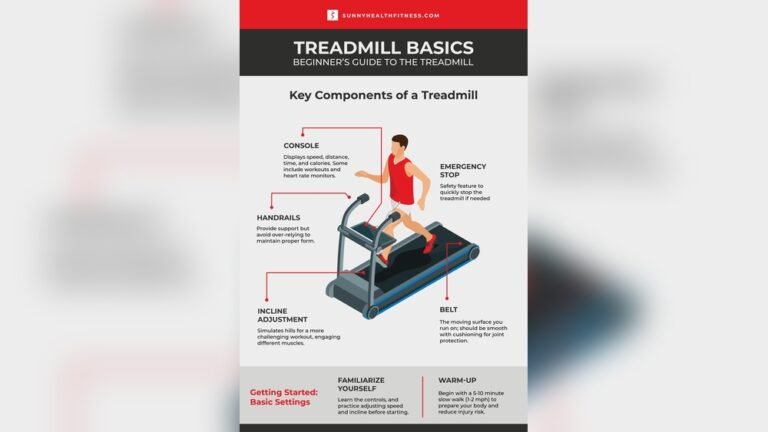
Safety features like emergency stop buttons must work properly. Test these features before each session to avoid accidents. Check the handrails and frame for stability. Faulty parts should be repaired or replaced immediately. Safe equipment protects you and boosts confidence while exercising.
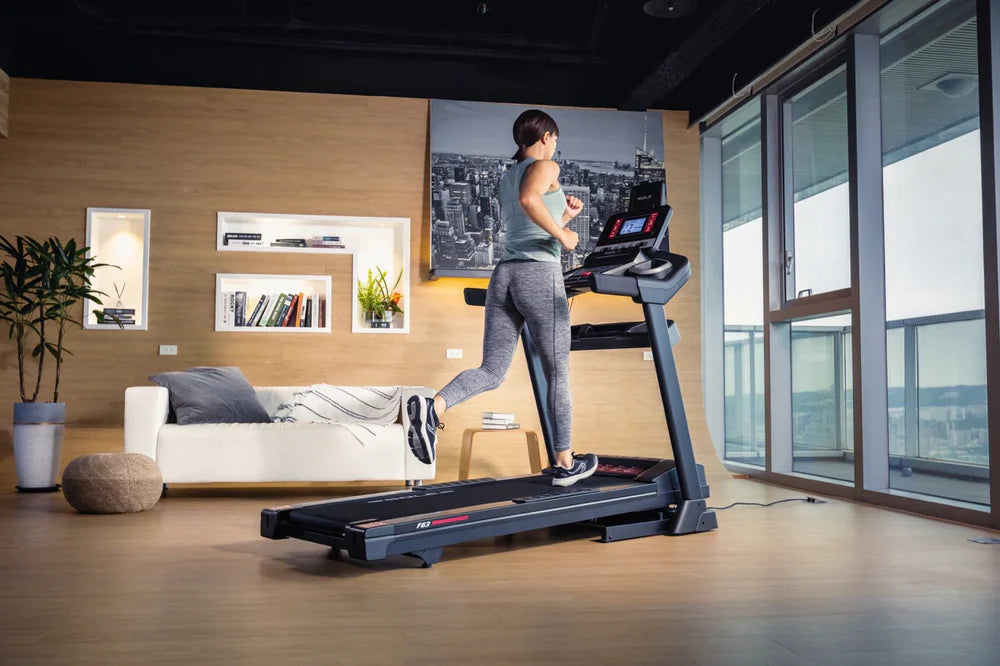
Credit: www.soletreadmills.com
Frequently Asked Questions
What Size Treadmill Do I Need For My Height?
Choose a treadmill belt at least 10 inches longer than your height for walking. For running, add 20 inches for stride comfort. Taller users (6’ and above) need belts 60 inches or longer. Width should be minimum 20 inches to allow natural foot movement.
What Is The 3/12/30 Rule On A Treadmill?
The 3/12/30 rule on a treadmill means walking 3 miles per hour, at a 12% incline, for 30 minutes.
Can You Run On A 55-inch Treadmill?
Yes, you can run on a 55-inch treadmill if it suits your height and stride length. Ensure the belt length supports your running style for safety and comfort.
What Is A Good Treadmill Size?
A good treadmill size typically has a belt length of 55-60 inches and width of 20-22 inches. Taller users need longer belts, around 60 inches. Ensure the treadmill fits your space with at least 2 feet clearance behind and 1 foot on each side for safety.
Conclusion
Choosing the right treadmill size improves your workout experience. Consider your height and available space carefully. A treadmill that fits well helps prevent injuries. Smaller treadmills suit walking, while longer belts benefit runners. Measure your room before buying to avoid issues.
Remember, comfort and safety matter most. Use this guide to pick a treadmill size that fits you best. Enjoy your exercise with confidence and ease.
I am a certified fitness coach with over 10 years of experience helping people improve their strength, endurance, and overall health. Specializes in workout programming, weight training, fat loss, muscle building, home fitness, and evidence-based nutrition.My goal is to make fitness simple and practical through well-researched guides, honest product reviews, and actionable training advice.