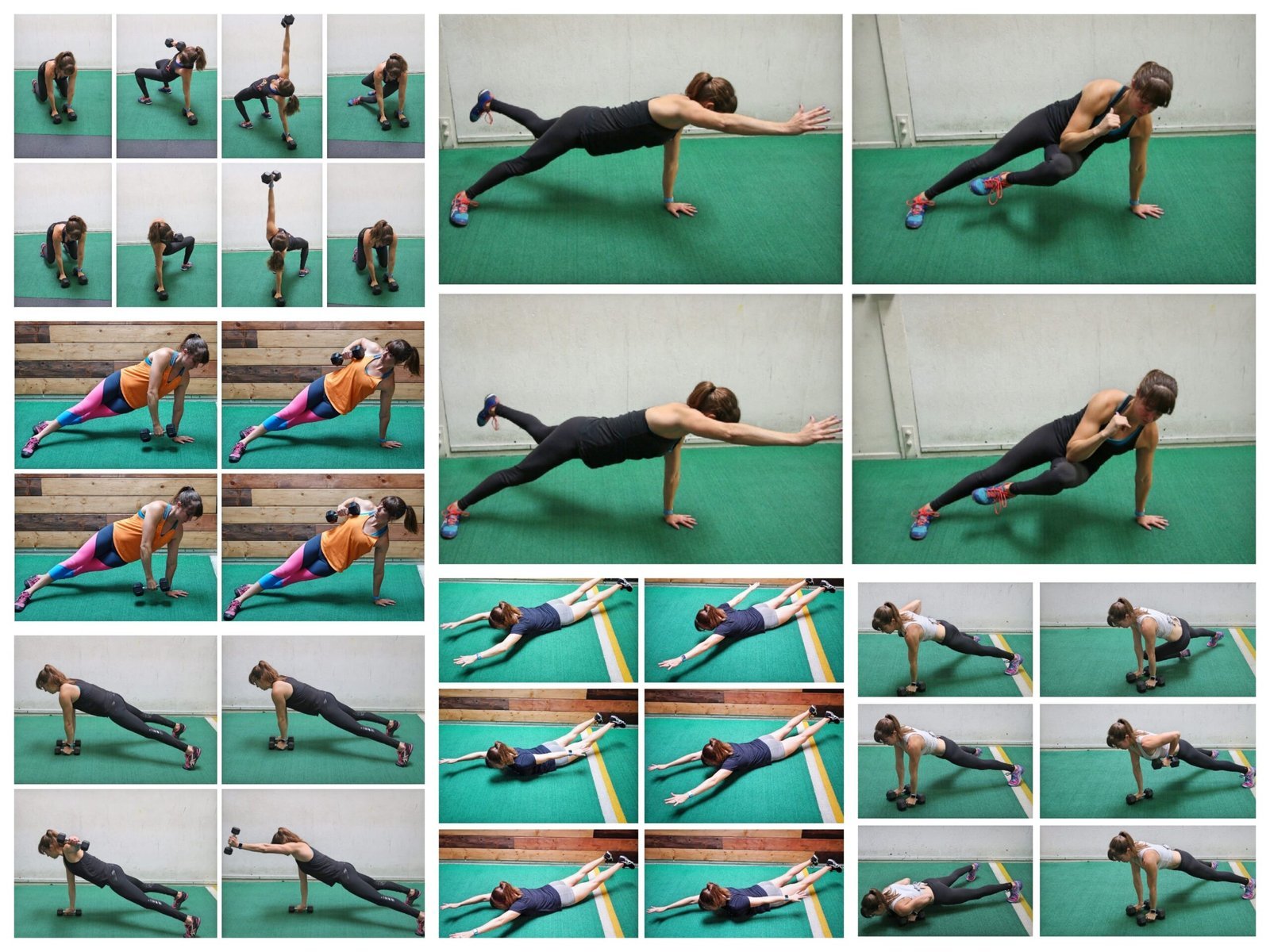
You build upper body workouts around 6 movement patterns: horizontal push, vertical push, horizontal pull, vertical pull, plus one exercise each for shoulders and arms. Do 3-4 sets of 8-12 reps per exercise, 2-3 times a week, with at least 48 hours between sessions for the same muscles.
That’s the short version. The details below cover the exact sets, rest times, and order that make the difference between steady progress and a stalled routine.
What Upper Body Training Really Means
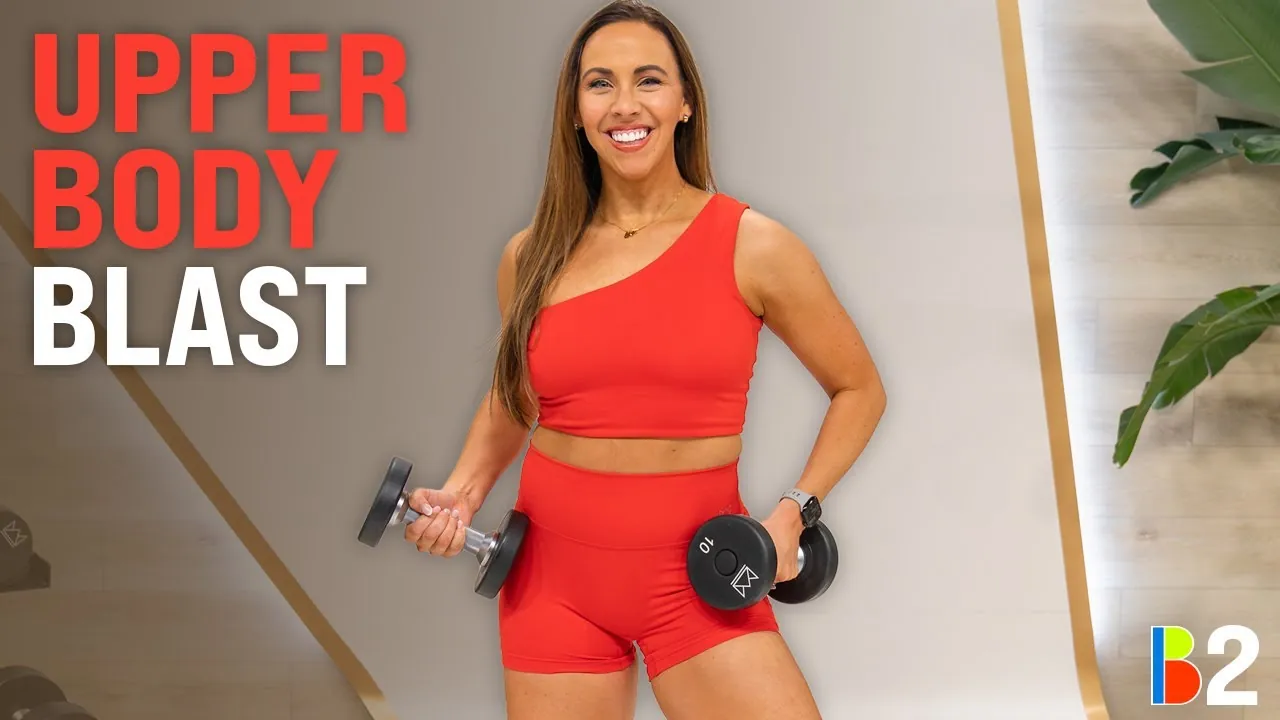
Upper body training means working the muscles above your waist: chest, back, shoulders, biceps, and triceps. It’s for anyone who wants to get stronger, build muscle, or just move better in daily life — lifting groceries, pushing a door, carrying a child.
The one big misconception: people think more exercises equals more results. It doesn’t. A focused plan with 5-6 compound movements beats 15 random ones every time.
One rule worth knowing: muscle grows when you challenge it beyond what it’s used to, then let it recover. The American College of Sports Medicine publishes resistance training guidelines that back this up — progressive overload plus rest is the whole game.
A Simple Upper Body Routine You Can Start Today
- Warm up for 5-8 minutes. Arm circles, band pull-aparts, 10 push-ups at easy pace.
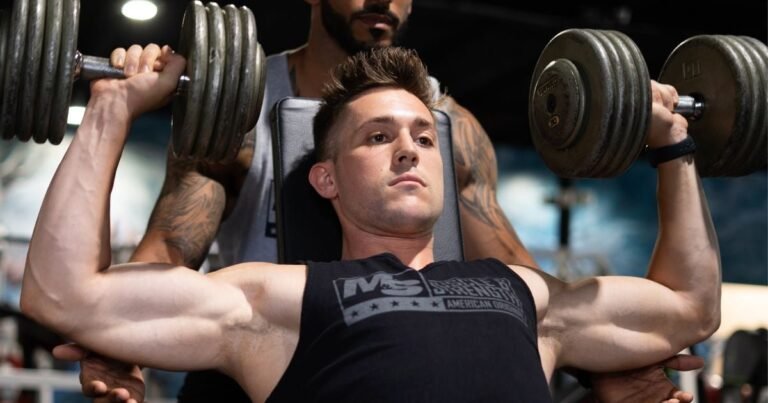
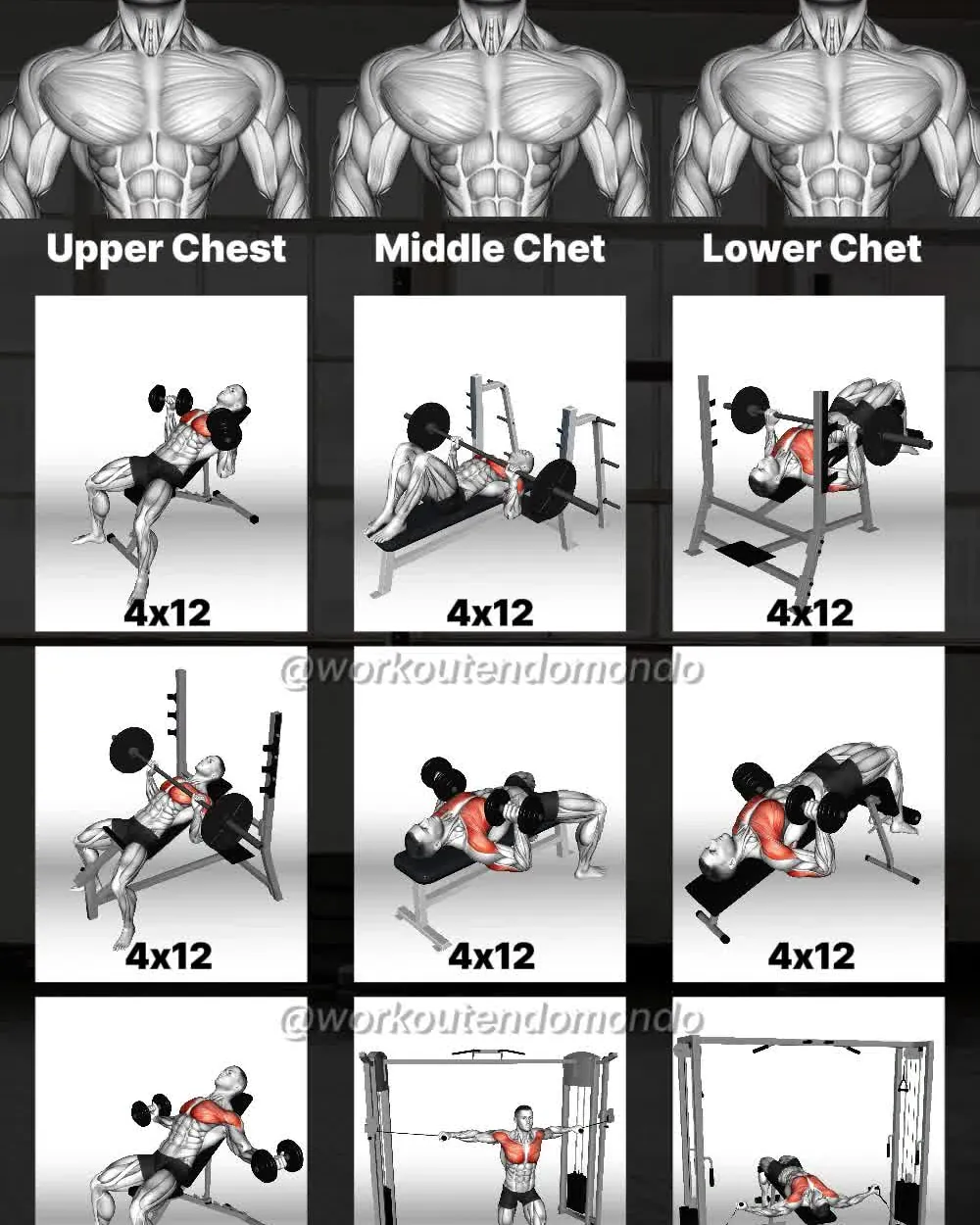
- Bench press or dumbbell press — 4 sets of 8 reps. Rest 90 seconds between sets. Use a weight where the last rep feels hard but doable.
- Bent-over rows — 4 sets of 10 reps. Rest 90 seconds. Keep your back flat, pull to your lower ribs.
- Overhead press — 3 sets of 8 reps. Rest 90 seconds. Start lighter than you think — shoulders tire fast.
- Lat pulldowns or pull-ups — 3 sets of 10 reps. Rest 90 seconds. If pull-ups are too hard, use a band for help.
- Lateral raises — 3 sets of 15 reps. Rest 60 seconds. Light weight, slow and controlled.
- Biceps curls and triceps pushdowns — 3 sets of 12 each. Rest 60 seconds.
The judgement call that matters most: stop 1-2 reps before total failure on every set. Training to failure on every exercise wrecks your recovery and your form. If you can’t control the weight on the way down, it’s too heavy.
If you have a shoulder injury, heart condition, or recent surgery, talk to a doctor or physical therapist before starting. A certified trainer can check your form in person — that’s not something a written plan can do.
The Numbers That Matter Most
| Situation | What to use | How long | What to watch for |
|---|---|---|---|
| Building muscle | 3-4 sets, 8-12 reps, 70-80% of max | 45-60 min session | Stop 1-2 reps before failure |
| Building strength | 4-5 sets, 3-6 reps, 85%+ of max | 60-75 min session | Longer rest — 2-3 min between sets |
| Beginners | 2-3 sets, 10-12 reps, light weight | 30-40 min session | Form first, weight second |
| Fat loss focus | 3 sets, 12-15 reps, shorter rest | 30-45 min session | Keep rest under 60 seconds |
| Older adults (60+) | 2-3 sets, 10-15 reps, moderate weight | 30-40 min session | Slow tempo, full control |
| Home training, no equipment | 3 sets to near-failure, bodyweight | 20-30 min session | Add reps or harder variations weekly |
| Time-crunched (2 days/week) | 3 sets, 8-10 reps, full body split | 40 min session | Hit every muscle group each session |
What Separates Real Progress From Spinning Your Wheels
Experienced lifters do three things differently. First, they log every session — weight, reps, sets.
Second, they order exercises by size. Big compound lifts (bench, row, overhead press) come first, when you’re fresh. Isolation work like curls and lateral raises comes last.
Third, they leave 48 hours between sessions that hit the same muscles.
What they don’t do
They don’t chase soreness. Soreness means you did something new, not that it worked. They also don’t change the whole routine every 2 weeks. A plan needs 6-8 weeks before you can judge if it’s working.
Common Problems and What to Do First
| What you notice | What it usually means | What to do first |
|---|---|---|
| Shoulder pain during pressing | Form issue or too much weight | Drop weight 20%, check elbow angle |
| No strength gain after 4 weeks | Not enough food or sleep | Eat more protein, sleep 7-9 hours |
| Elbow pain during curls | Too heavy, too fast | Slow the lowering phase to 3 seconds |
| Wrist pain on push-ups | Hands too far forward | Move hands under shoulders |
| Always sore, never recovered | Too many sessions, too little rest | Cut to 2 days a week for 2 weeks |
| Bored, skipping sessions | Same routine too long | Change 1-2 exercises, keep the rest |
The Rules and Limits That Apply
The CDC recommends adults get at least 2 days a week of muscle-strengthening activity that works all major muscle groups. That’s the minimum, not the target.
If you’re under 18, get a coach or PE teacher to check your form before loading heavy weights. If you’re pregnant, over 65 with a health condition, or recovering from injury, clear it with your doctor first. Personal trainers and physical therapists handle programming for those cases — not a general guide like this.
Keeping Progress Going After the First Month
Log every session in a notebook or app. Add 2.5-5 pounds to each lift when you hit the top of your rep range with good form. Deload every 6-8 weeks — drop to half your usual sets for one week — when your joints ache or your lifts stall.
If you stop for 2 weeks or more, come back at 60% of your old weights for the first session. Muscle memory is real, but tendons need time to catch up. The sign you’re due for a deload: warm-up weights feel heavy.
When This Approach Isn’t Right
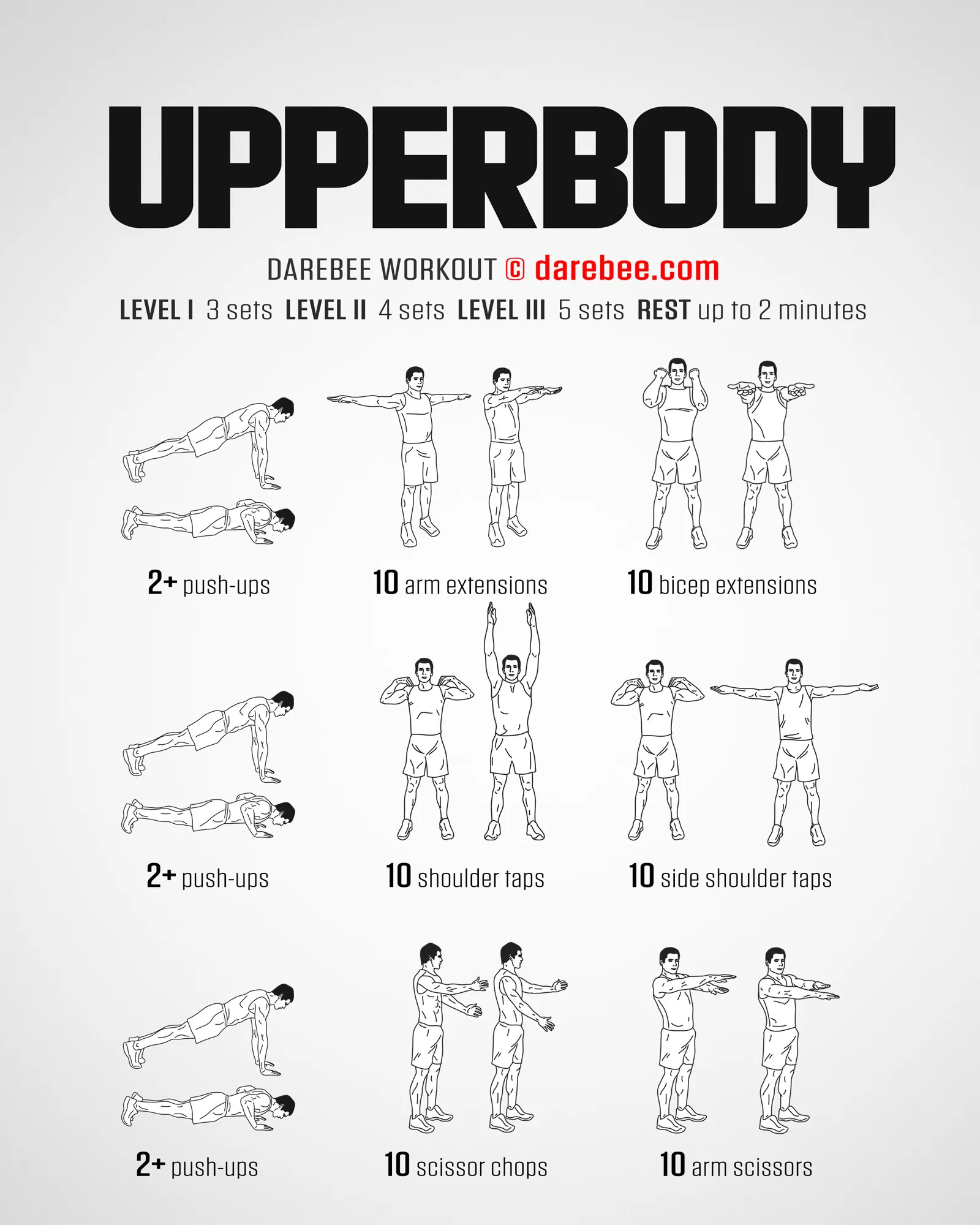
If you have a shoulder, elbow, or wrist injury, skip the pressing movements and see a physical therapist first. If your goal is pure fat loss and you hate lifting, cardio plus a calorie deficit will work — you’ll just lose some muscle too. And if you’re training for a specific sport, a sport-specific coach will program better than any general routine.
Frequently asked questions
How many days a week should I do upper body workouts?
Two to three days a week, with at least 48 hours between sessions that hit the same muscles. Beginners do better with 2 days; experienced lifters can handle 3-4.
How long does it take to see results?
Most people notice strength gains in 4-6 weeks, with visible muscle change around 8-12 weeks. That assumes you train 2-3 times a week and eat enough protein.
Can I build muscle with just bodyweight exercises?
Yes, up to a point. Push-ups, pull-ups, and dips build real muscle if you keep adding reps or harder variations. Once you can do 20+ pull-ups, you’ll need added weight to keep progressing.
Is it safe to train upper body every day?
No. Training the same muscles daily doesn’t give them time to repair. You can train different muscle groups on back-to-back days, but each group needs 48 hours off.
What should I eat before and after?
Eat a meal with protein and carbs 1-2 hours before training. After, aim for 20-40 grams of protein within a couple of hours. Total daily protein matters more than timing.
Why am I not getting stronger?
Check three things: are you adding weight or reps over time, are you eating enough, and are you sleeping 7-9 hours? If all three are fine, you may need a deload week.
What happens if I skip warm-ups?
Cold muscles and joints handle load worse, and your first working sets suffer. Five minutes of arm circles, band pull-aparts, and light push-ups is enough to change that.
Conclusion
Start with the 7-step routine above, log your numbers, and give it 6-8 weeks before you change anything. Progress in upper body training comes from doing the boring basics well, week after week — not from finding a secret exercise.

I am a certified fitness coach with over 10 years of experience helping people improve their strength, endurance, and overall health. Specializes in workout programming, weight training, fat loss, muscle building, home fitness, and evidence-based nutrition.My goal is to make fitness simple and practical through well-researched guides, honest product reviews, and actionable training advice.