A beginner strength program is a plan that makes you stronger by training a few big lifts, 2-3 times a week, for 45-60 minutes a session. Start with 3 sets of 5 reps at a weight you can lift cleanly. Here’s what a full week looks like, plus the numbers that keep you moving.
What a strength plan really is
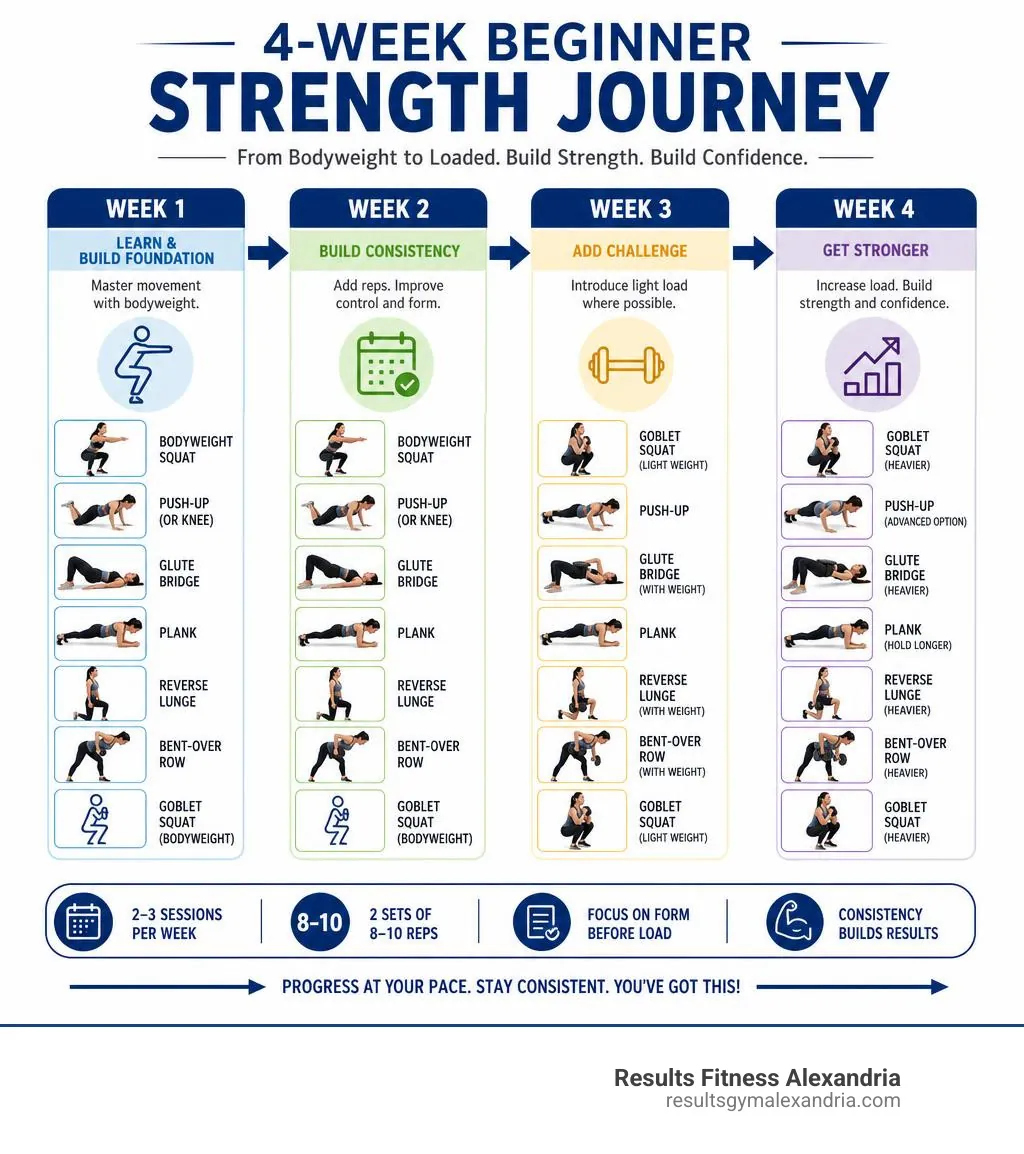
A strength plan is a written schedule of a few compound lifts — squats, presses, rows, deadlifts — done with a barbell, dumbbells, or your body weight. It’s for healthy adults who want to get stronger, not for athletes chasing a competition total. The plan tells you the exercise, the sets, the reps, and when to add weight.
The one misconception to drop: soreness isn’t the goal. Muscle grows and nerves get better at firing when you add a little weight over time. That slow increase is the whole engine. A hard workout that never gets heavier stops working after a few weeks.
How to run your first 8 weeks of the beginner strength program
- Train 3 days a week, with a rest day between each session — Monday, Wednesday, Friday works well.
- Warm up for 5 minutes: easy bike or brisk walk, then 10 bodyweight squats and 10 arm circles.
- Do 3 sets of 5 reps of one squat or leg press, resting 2-3 minutes between sets.
- Do 3 sets of 5 reps of one press (bench or overhead), same rest.
- Do 3 sets of 5 reps of one row or pull-down.
- Add 5 lb to the bar each session for upper body, 10 lb for lower body, while form stays clean.
- Stop 1-2 reps before total failure. Finish with 5 minutes of easy walking.
The judgement call is the last rep. If rep 5 is slow but smooth, add weight next time. If your back rounds or your knees cave in, keep the same weight and repeat it. For a heart condition, a recent injury, or pregnancy, get clearance from your doctor first, and hire a certified coach for the first few sessions if you can.
Key numbers at a glance
Use this as a quick reference. The loads assume a healthy adult with no training history, and the times assume you’re not rushing between sets.
| Situation | What to use | How long | What to watch for |
|---|---|---|---|
| First 2 weeks | Empty bar or light dumbbells, 3×5 | 45 min | Learning the movement, not the weight |
| Weeks 3-8, lower body | Add 10 lb per session | 50-60 min | Depth and a flat back |
| Weeks 3-8, upper body | Add 5 lb per session | 45-50 min | Shoulders staying down and back |
| Missed a rep | Same weight next time | Same session length | Sleep and food that day |
| Two failed sessions in a row | Drop 10% and rebuild | 1-2 weeks | Grip or core giving out first |
| Only dumbbells available | 3×8-12 instead of 3×5 | 45 min | Add reps before adding weight |
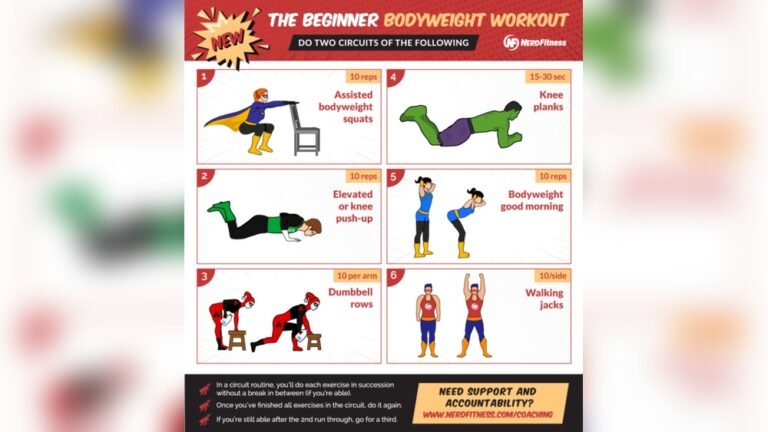
| Bodyweight only | 3×5 push-ups, squats, rows | 30-40 min | Slow the lowering phase to 3 seconds |
What separates good results from bad ones
Experienced lifters treat the first set as a rehearsal. They load the bar, do the reps at a speed they can control, and only then decide whether to add weight. That single habit prevents most stalls.
They also keep a log. Write down the weight, the sets, and the reps every session.
Order and rest
Do the heaviest lift first, when you’re fresh. Rest 2-3 minutes on squats and deadlifts, and 90 seconds to 2 minutes on presses and rows.
What to leave alone
Don’t add exercises in week two. The CDC physical activity guidelines recommend at least 2 days a week of muscle-strengthening activity for adults, which fits this plan exactly.
Common problems and quick fixes
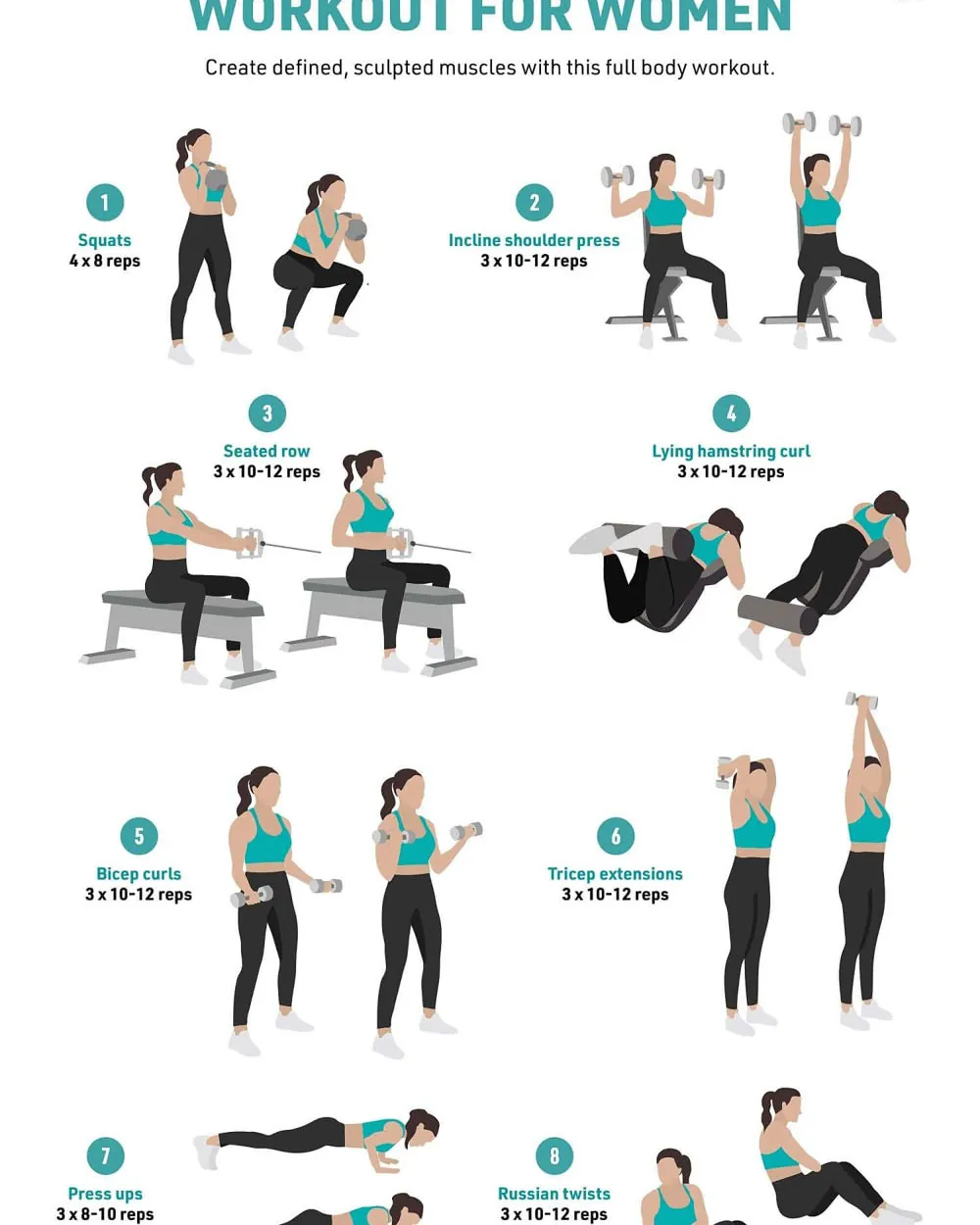
Most early problems have a simple cause. Match what you feel to the row below before you change the whole program.
| What you notice | What it usually means | What to do first |
|---|---|---|
| Weight won’t move up | Not eating or sleeping enough | Add a meal and 1 hour of sleep |
| Lower back aches after squats | Bar drifting forward, or going too deep too fast | Lighten 10% and film one set |
| Elbow or shoulder pain | Grip too wide or too narrow | Move hands one finger width |
| Always exhausted | Too many sets or too little rest | Cut to 3 sets per lift |
| Bored after 6 weeks | Same reps every time | Switch to 3×8 for 3 weeks |
| Knees cave inward | Weak hips, weight too heavy | Drop 20% and push knees out |
The rules that apply
Gyms and coaches follow published safety guidance, and equipment such as barbells, racks, and benches is covered by voluntary consensus standards from organizations like ASTM International. On the health side, the U.S. Department of Health and Human Services publishes the Physical Activity Guidelines for Americans, and it’s the source to check for weekly activity targets.
If you have a medical condition, are pregnant, or are returning from surgery, that’s a conversation for your doctor or a licensed physical therapist, not a training plan.
Keeping it working afterwards
Keep your log, and review it every 4 weeks. When progress stalls, drop the weight by 10% and build back up over 2-3 weeks — that’s a deload, and it works better than pushing through. Store your notes in your phone so you always have last session’s numbers. If a lift hurts in a sharp, joint-level way rather than a muscle-burn way, stop that lift and get it checked.
When this approach isn’t the right fit
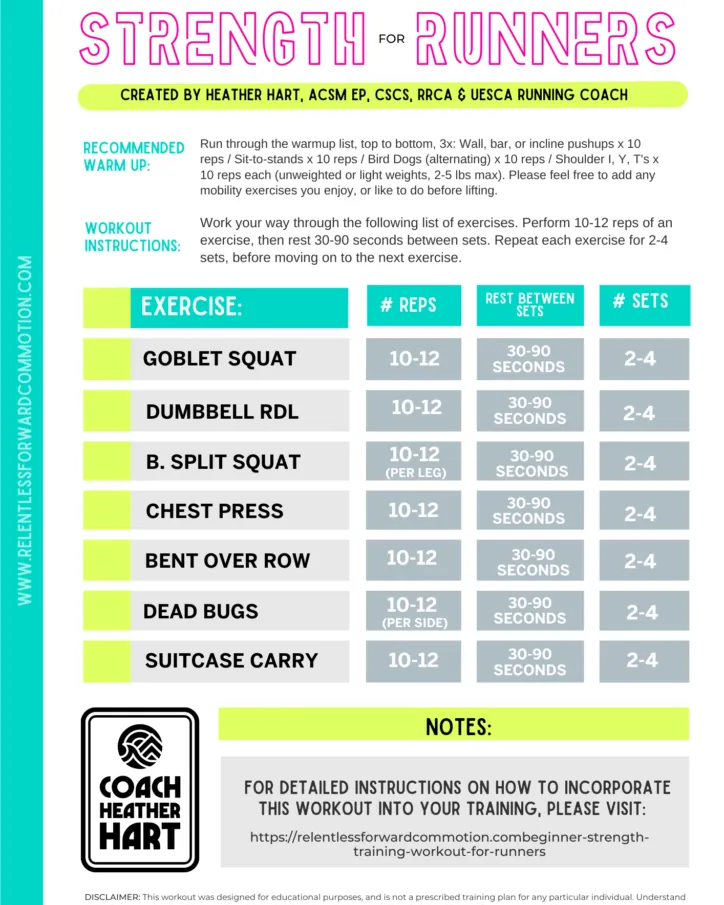
Skip this plan if you’re training for a specific sport season and need sport-specific work instead — a team coach should set that. Skip it if you’re rehabbing an injury; a physical therapist leads that, and loading too early sets you back. And if you only have 20 minutes, twice a week, a full-body circuit fits better than a barbell plan you can’t finish.
Frequently asked questions
How long does it take to see results from a beginner strength program?
Most people add weight to the bar within 2-4 weeks, with visible muscle change around 8-12 weeks. Sleep, food, and showing up 3 times a week decide the exact pace.
Can I do a beginner strength program at home?
Yes, with dumbbells or bodyweight. Use 3 sets of 8-12 reps and add reps before weight. A barbell plan needs a rack and a bench for safety.
Is it safe to lift weights as a total beginner?
Yes, for healthy adults, when you start light and learn form first. Get a doctor’s clearance if you have a heart condition, uncontrolled blood pressure, or a recent injury.
How many days a week should a beginner lift?
Three days a week, with a rest day between sessions. Two days still works if you do full-body sessions. More than 4 days early on usually hurts recovery.
What happens if I miss a week of training?
Nothing serious. Come back at about 90% of your last weight, and you’ll be back to your old numbers within 1-2 weeks. Don’t restart from zero.
Why am I not getting stronger after a month?
Check three things: are you adding weight or reps each week, are you eating enough protein and calories, and are you sleeping 7-9 hours? Fix the weakest one first.
Do I need protein powder on a beginner strength program?
No. Food works fine. Aim for protein at each meal, and check the Dietary Guidelines for Americans for daily targets. Powder is just convenience.
Conclusion
Start with 3 sets of 5, three days a week, and write down every session. The plan is simple — the log is what makes it work.

I am a certified fitness coach with over 10 years of experience helping people improve their strength, endurance, and overall health. Specializes in workout programming, weight training, fat loss, muscle building, home fitness, and evidence-based nutrition.My goal is to make fitness simple and practical through well-researched guides, honest product reviews, and actionable training advice.