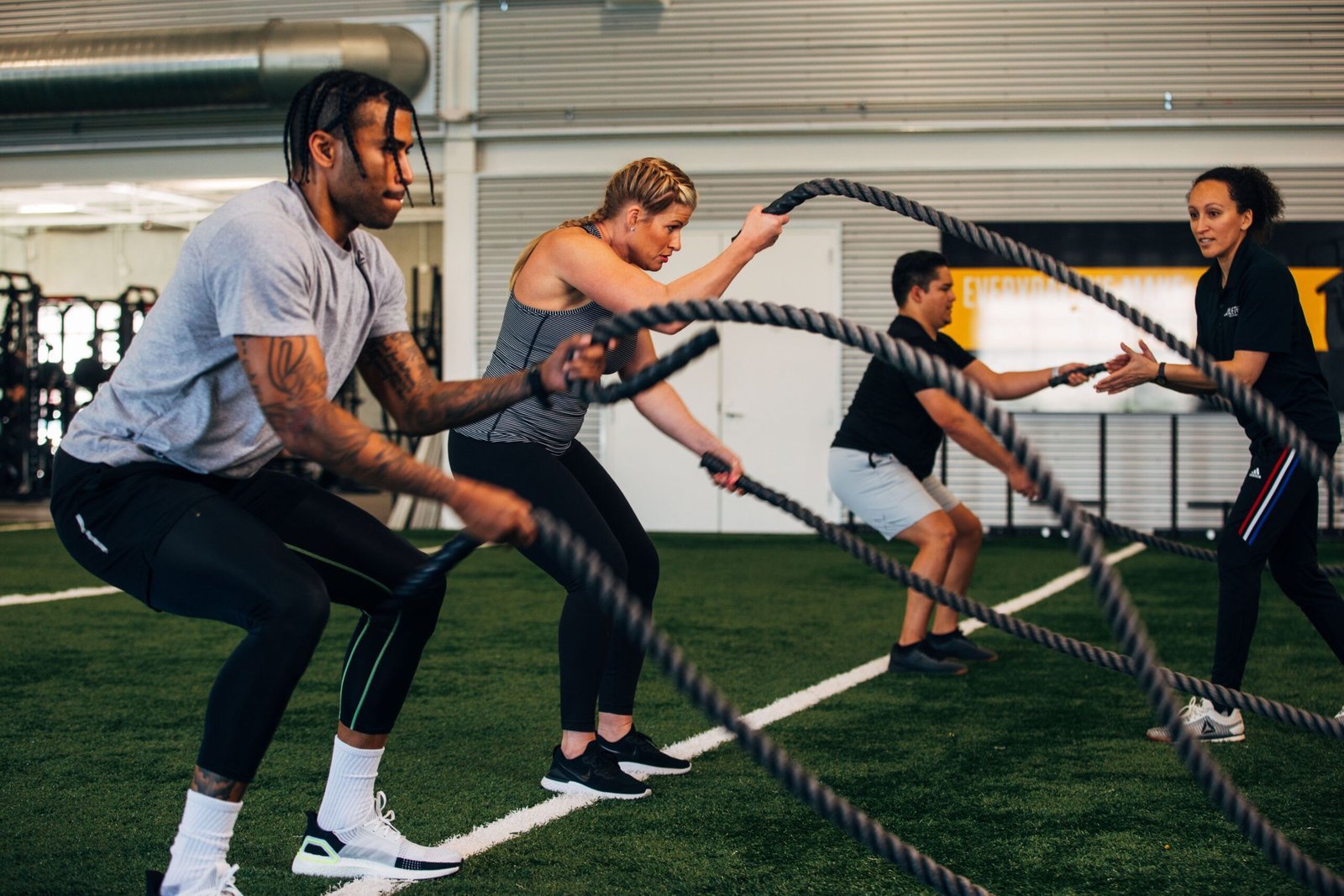
Athlete training is the planned mix of strength, speed, skill and recovery work that raises performance over months, not days. Most programs run 3-6 sessions a week, built around one main goal, with harder weeks followed by easier ones.
What changes that plan is your sport, your training age, and how much time you can honestly give it. This page covers all three, plus the numbers, the rules and the point where you need a coach instead.
Who this page is built for

Three kinds of readers land here. The first is a high school or college athlete who already trains with a team 4-5 days a week and wants to add strength work without wrecking the next day’s practice. The second is an adult recreational athlete — a runner, a club soccer player, a weekend cyclist — who trains alone and wants a plan that fits around a job.
The third is a parent or new coach judging a program. This page serves the first two best. If you’re looking for sport-specific technique coaching, you need a certified coach who can watch you move; a page can’t see your landing mechanics.
What actually decides your results
Training age matters more than any single exercise. Someone in their first year of structured strength work adds load fast; someone in year five grinds for small gains and needs more variation.
The second factor is where you’re in the season. In-season training keeps strength with less volume; off-season builds it. Trying to add heavy volume during competition weeks is the mistake people make most often — it leaves you sore for games that count.
Sleep is the third. Recovery is when adaptation happens, and short sleep blunts it. The National Sleep Foundation lists 8-10 hours for teenagers and 7-9 for adults; treat that as the range your own schedule has to fit.
Fourth is your sport’s demand. A sprinter and a swimmer need different work. Fifth is coaching and equipment access, which decides what you can safely load.
How to build a weekly plan
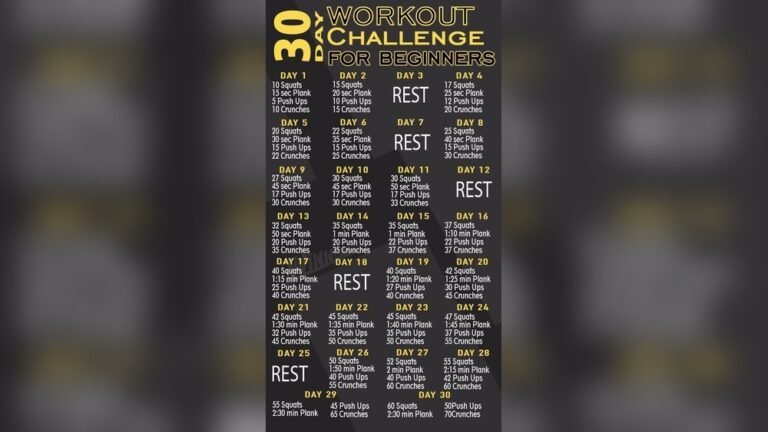
- Write your goal in one sentence. Example: “Add 10 kg to my back squat in 12 weeks.” If you can’t name a number and a date, you’ll drift. Sign it worked: you can read it back without adding words.
- Count your fixed commitments. Practices, games and travel go in first. Whatever’s left is your training window. Sign it worked: the week has no more than 2 open slots you can’t name.
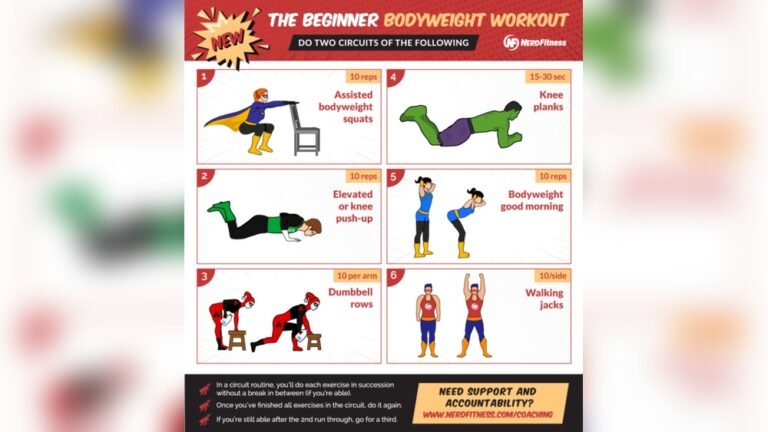
- Pick 3-4 main lifts. One squat pattern, one hinge, one push, one pull. Sign it worked: you can name each lift and the day it falls on.
- Set sets and reps by goal. For strength, 3-5 sets of 3-5 reps at a weight you could lift 6-8 times. For muscle, 3-4 sets of 8-12. Sign it worked: the last rep is hard but clean.
- Add 2-3 short speed or skill blocks. 10-20 minutes each, done fresh, before lifting. Sign it worked: quality stays high to the last rep.
- Schedule one easy week every 4th week. Cut sets by about a third. Sign it worked: you feel better at the end of it, not worse.
- Log every session. Weight, reps, sleep, how you felt. Sign it worked: you can compare this week to last week.
- Test every 8-12 weeks. Retest the same lift or sprint. Sign it worked: the number moved, or you know why it didn’t.
- Reassess and rewrite. Keep what worked, cut what didn’t. Sign it worked: the next block has a clear focus.
The judgement call is load progression. Adding weight every session works for a while, then stops. When your logged reps drop for two sessions in a row, hold the weight instead of pushing — that’s the signal, not your mood.
Common setups compared
| Your situation | What to do | What it takes | What to watch for |
|---|---|---|---|
| In-season team athlete | 2 short full-body sessions | 30-40 min each | Soreness before games |
| Off-season, first year | 3 full-body days | 60 min each | Adding load too fast |
| Adult with a desk job | 3 sessions, evenings | 45-60 min | Skipping warm-ups |
| Returning from injury | Coached rehab first | Varies by injury | Pain during movement |
| Two-sport teenager | One shared strength plan | 2-3 days a week | Total weekly load |
| Time-crunched parent | 2 sessions, big lifts only | 40 min each | Cutting recovery short |
What good athlete training habits look like
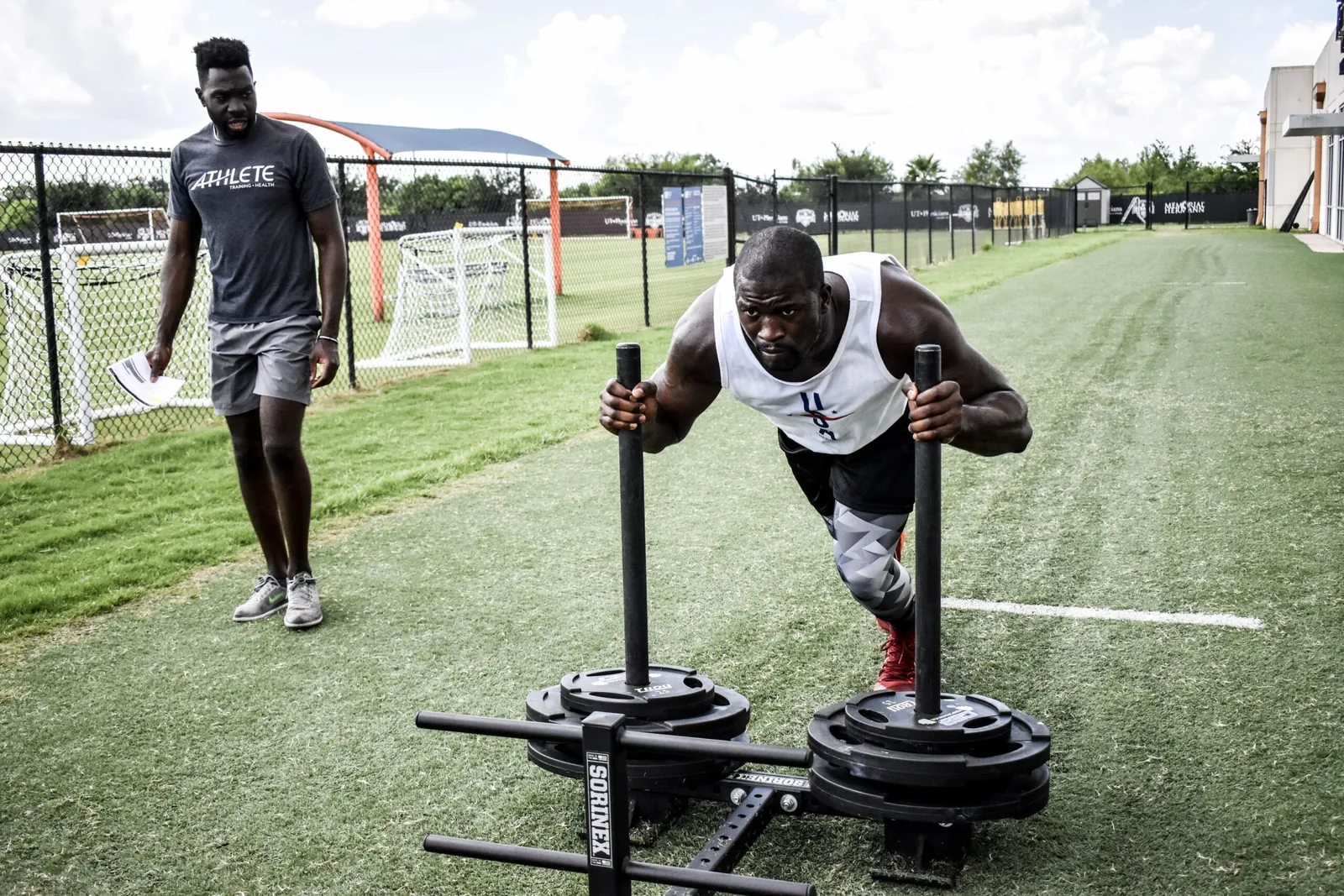
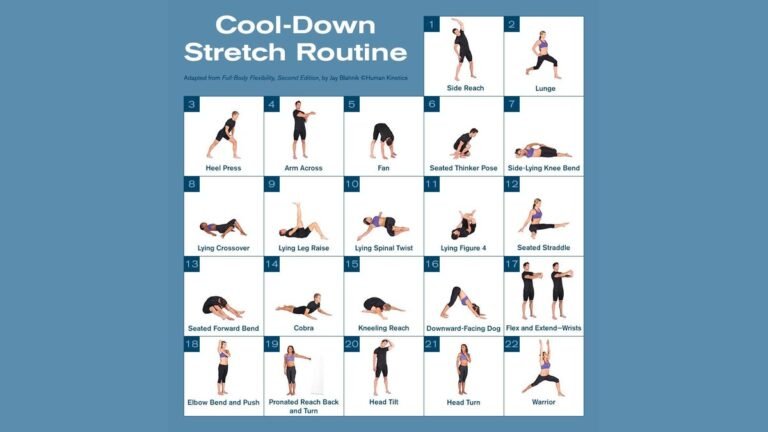
Experienced athletes warm up with the exact movements they’ll load, starting light and adding weight in even jumps until the working set feels familiar. A 5-10 minute ramp that mirrors the session prepares the joints better than static stretching, which can briefly reduce force output before explosive work.
They track, then leave it alone
They write down load, reps and sleep, then change one variable at a time. Beginners change five things at once and learn nothing from the result.
They stop before failure
They finish most sets with 1-2 reps left in the tank, saving true max efforts for testing days. The American College of Sports Medicine’s physical activity guidelines set the general baseline — 150 minutes of moderate activity a week for adults — but competitive training sits well above that, and the extra load needs extra recovery.
When something goes wrong
Progress stalls for a few common reasons, and most of them are fixable without changing your whole program.
| What you notice | What it usually means | What to do first | How to stop it happening again |
|---|---|---|---|
| Weights feel heavy every session | Not enough recovery | Take 3 easy days | Space hard days apart |
| Same weight for 3+ weeks | No progression plan | Add small load weekly | Log every session |
| Sore for 4+ days | Jumped volume too fast | Cut sets by half | Raise volume slowly |
| Nagging joint pain | Load or form issue | Stop that lift, get checked | Film your sets |
| Fast in training, flat in games | Too much weekly volume | Reduce total sessions | Track weekly load |
| Can’t sleep after late sessions | Timing too close to bed | Move training earlier | Keep 2 hours gap |
The rules and limits
Governing bodies set the floor, not the ceiling. The World Anti-Doping Agency publishes the prohibited list that applies to tested athletes, and it’s updated each year — check WADA’s own site for the current version rather than a summary. In the US, college athletes must also follow NCAA eligibility rules on supplements and contact with agents.
For younger athletes, most sports bodies recommend against early single-sport specialization and heavy maximal lifting before puberty. If you’re a minor, your school’s athletic trainer or a physician should sign off on any max-effort program.
What it costs you
The real currency is time, and it’s bigger than most people expect. A serious plan runs 4-6 hours a week across training, warm-ups and travel, plus sleep you can’t trade away. Add 8-10 hours of sleep a night and the schedule gets tight fast.
Money varies widely. Gym access, coaching and equipment range from free at a school to several hundred dollars a month with private coaching, depending on your city and level. Check local rates directly — they change.
The hidden cost is the easy week. Cutting volume by a third every fourth week feels like losing ground, and athletes who skip it usually stall within 2 months.
Keeping progress after the plan ends
Keep your training log — it’s the record that tells you what worked. Store it somewhere you’ll actually open, like a notes app or a paper notebook you carry to sessions.
The sign you need to ease off is simple: resting heart rate up, sleep worse, and the same weights feeling heavy for a week. When that happens, cut volume by a third for 3-5 days rather than stopping completely.
Don’t restart from zero after a break. Come back at about 70% of your old loads and rebuild over 2-3 weeks. You’ll get back faster than you think.
When this isn’t the right plan
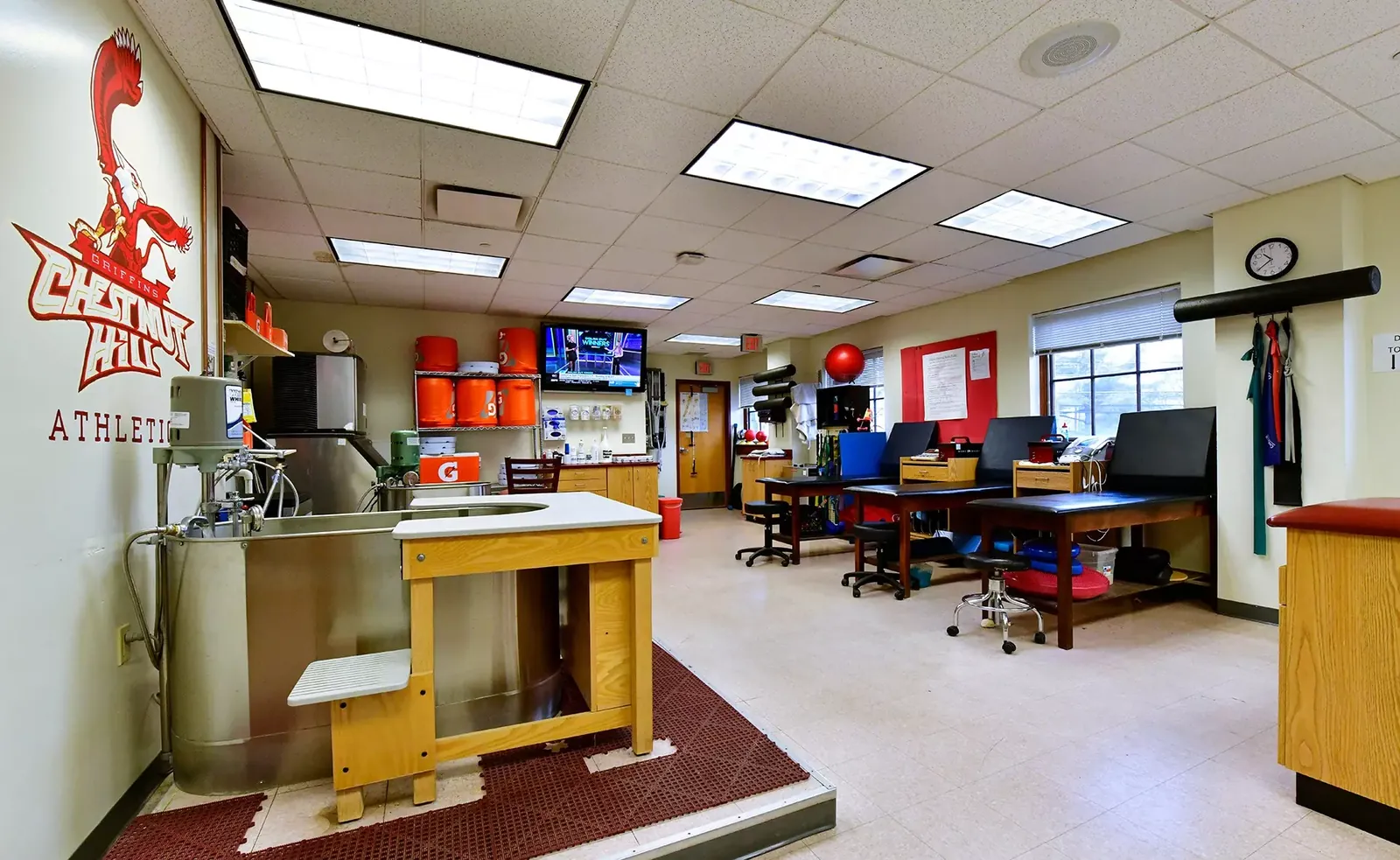
If you’re rehabbing a torn ligament or a stress fracture, this page is the wrong tool. You need a physical therapist or sports medicine doctor to clear each stage.
If you’re a competitive athlete chasing a national standard, a written page can’t replace a coach who watches you weekly. Hire one.
Related guides
Frequently asked questions
How many days a week should an athlete train?
Most athletes train 3-6 days a week, depending on season. Off-season strength work fits in 3-4 days; in-season, 2 short sessions maintain strength alongside practice and games.
Can I train every day?
You can be active daily, but hard sessions need 24-48 hours before repeating the same muscle group. Easy movement, mobility or skill work can fill the gaps between hard days.
How long does it take to see results?
Strength gains show in 4-6 weeks for beginners with consistent training. Visible muscle change takes 8-12 weeks. Speed and skill improvements vary more and depend on your sport.
Is it safe to lift heavy as a teenager?
Yes, with supervision. Most sports bodies support supervised strength training for teens after puberty, using controlled loads and good form. Get a qualified coach and a doctor’s clearance first.
What happens if I skip the easy week?
You’ll usually stall within 4-8 weeks. Fatigue builds faster than fitness, so the same weights feel heavier and sleep gets worse. Take the easy week and you’ll come back stronger.
Does it matter what time of day I train?
Consistency matters more than the clock. Pick a slot you can keep 3-4 times a week. Just keep hard sessions at least 2 hours before bed, since late training can delay sleep.
Why am I sore for days after training?
Soreness lasting 24-72 hours after a new or harder session is normal. Soreness past 4 days usually means you jumped volume too fast — cut sets by half and rebuild.
Do I need supplements to train well?
No. Food and sleep cover most needs. If you compete in a tested sport, check every supplement against WADA’s prohibited list before you take it.
Start with one week
Write your goal, count your real training window, and run 3 sessions this week using the plan above. Expect better sleep and easier working sets within 2-3 weeks — that’s the sign it’s working. If pain lasts more than a few days or you feel dizzy during sessions, stop and see a doctor.

I am a certified fitness coach with over 10 years of experience helping people improve their strength, endurance, and overall health. Specializes in workout programming, weight training, fat loss, muscle building, home fitness, and evidence-based nutrition.My goal is to make fitness simple and practical through well-researched guides, honest product reviews, and actionable training advice.