Senior fitness works best when you train two or three days a week, mixing brisk walking with light strength work, and rest on the days between. That’s the short answer. What a two-line reply can’t cover is the pace, the amounts, and the warning signs that tell you to stop.
What does senior fitness mean?

Senior fitness is planned movement built for an older body — walking, lifting light weights, stretching, and balance drills — used to keep daily tasks easy. It’s for anyone past 60 who wants to carry groceries, climb stairs, or play with grandkids without gasping.
The common misconception is that you need a gym, a trainer, or perfect knees before you start. You don’t. Muscle and balance respond to small, regular doses at any age, and the training effect comes from repeating a load your body can handle, not from one hard session.
How to build a weekly routine
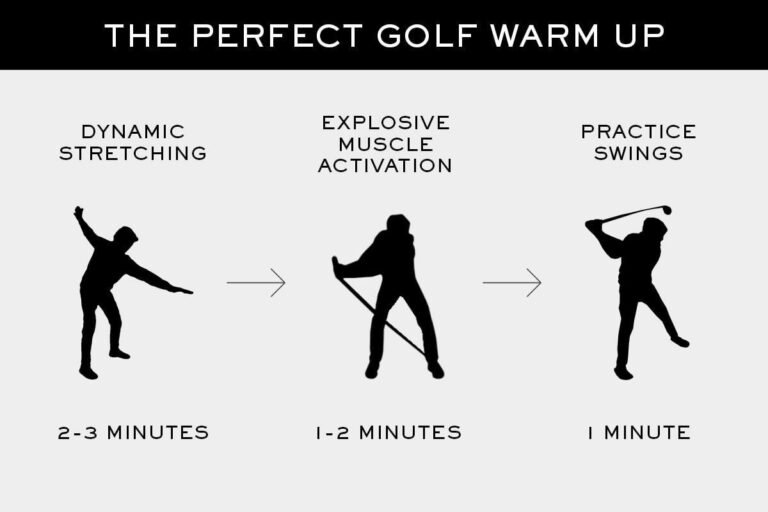
- Warm up for 5 minutes. March in place, roll your shoulders, and circle your ankles. Keep it easy.
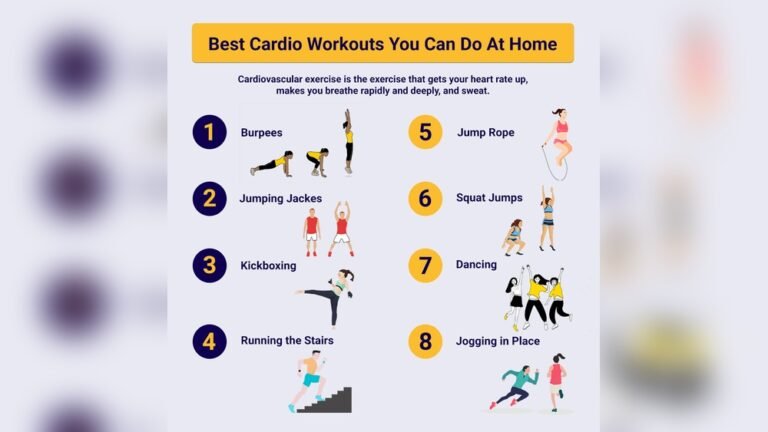
- Walk briskly for 20-30 minutes. You should be able to talk but not sing. Do this 3 days a week.
- Do 8-10 strength moves. Use 2-5 lb dumbbells or a resistance band. Two sets of 10-12 reps each.
- Train balance for 5 minutes. Hold a counter and stand on one foot for 10-20 seconds per side.
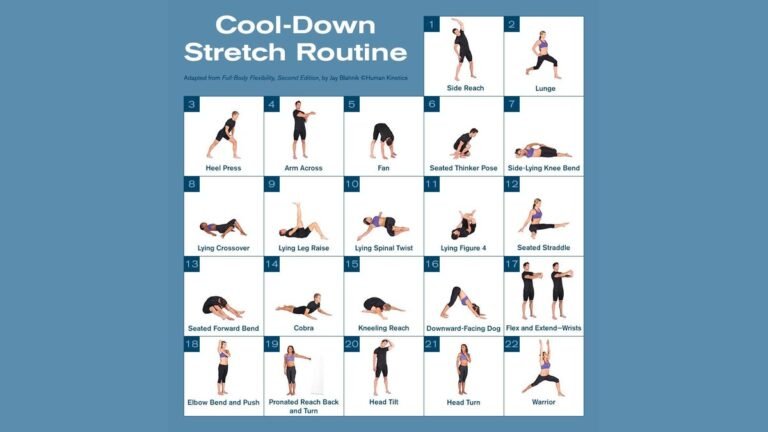
- Stretch for 5 minutes. Hold each stretch 20-30 seconds. Never bounce.
- Cool down and drink water. Sit for 2 minutes and sip 1 glass before you move on.
- Rest the next day. Walk gently or do nothing. Muscle repair continues for a day or more after a session, so rest days help you recover.
The judgement call is load, not effort. If the last two reps feel hard but controlled, stay there. If you’re holding your breath or losing form, drop the weight. If you have heart disease, recent surgery, or a joint replacement, get clearance from your doctor first — a physical therapist or your physician sets safe limits, not a web page.
The numbers to keep beside you
These are working ranges, not rules. Your own safe load depends on your starting strength, your medications, and what your doctor allows.
| Situation | What to use | How long | What to watch for |
|---|---|---|---|
| First week back | Bodyweight only | 10-15 min | Soreness that lasts past 2 days |
| Steady walking | Comfortable shoes, flat path | 20-30 min, 3x weekly | Dizziness or chest tightness |
| Light strength | 2-5 lb dumbbells | 2 sets of 10-12 reps | Joint pain, not muscle burn |
| Balance work | Counter or sturdy chair | 10-20 sec per side | Loss of grip on the counter |
| Band training | Light resistance band | 2 sets of 12 reps | Band snapping from wear |
| Stretching | Mat or carpeted floor | 20-30 sec per stretch | Sharp pain at the joint |
What makes the difference
People who get results keep the same three or four sessions and add a little weight or a little time each week. They don’t chase new workouts. They track what they did last time — reps, weight, minutes — and beat it slightly.
They also warm up every single time, even for a short walk. A warm-up prepares you for movement, and a 5-minute warm-up costs almost nothing.
Preparation and order
Do balance work before strength work, while your legs are fresh. Lift before you walk if walking tires you out. Stretch last, when muscles are warm.
What to leave alone
Skip heavy barbells, deep squats, and fast direction changes unless a professional has trained you. Skip training through joint pain; muscle soreness fades in a day or two, but joint pain gets worse.
Common problems and quick fixes

| What you notice | What it usually means | What to do first |
|---|---|---|
| Dizzy when standing | Blood pressure drop on rising | Stand up slowly, hold something |
| Knee aches after walking | Too much, too soon | Cut to 10 min, add rest day |
| No progress after a month | Same load every session | Add 1 lb or 2 reps |
| Sore for 3+ days | Load was too heavy | Drop weight by half |
| Losing balance in drills | Weak ankles or hips | Hold the counter longer |
| Bored and skipping | Routine too dull | Walk a new route |
The rules that apply
The Physical Activity Guidelines for Americans from the U.S. Department of Health and Human Services recommend at least 150 minutes of moderate activity a week for adults, plus muscle-strengthening work on 2 or more days. That’s about 30 minutes on 5 days, or 22 minutes on 7.
Balance training is added for older adults specifically. If you’ve fallen, have osteoporosis, or take medication that causes dizziness, work with your doctor or a physical therapist before starting — they set limits this page can’t.
Keeping it going
Write down what you did each session — date, exercise, weight, reps. Once a week, check whether you can add 1 lb or 2 reps. If a joint hurts, drop back and hold that level until it settles. Check your shoes for worn soles, since worn soles change how you land. Bring the log to your next doctor visit.
When this routine isn’t the right fit

If you’ve had a recent fall or fracture, see a physical therapist first — a home routine can set healing back. If you have severe arthritis or a heart condition, a supervised cardiac or arthritis program is safer than going alone. And if you simply hate structured exercise, daily gardening, stairs, and walking errands count too.
Frequently asked questions
How many days a week should a 70-year-old exercise?
Aim for 3 days of walking and 2 days of strength work, with rest days between. If you’re new, start with 2 days total and add one each week.
Is it safe to lift weights after 65?
Yes, with light loads and good form. Start at 2-5 lb, do 2 sets of 10-12 reps, and get a doctor’s clearance if you have heart or joint problems.
How long before I see results?
Most people notice easier stairs and less stiffness after a few weeks of consistent training.
Can I do senior fitness at home?
Yes. A chair, a wall, a resistance band, and two light dumbbells cover most of it. No gym membership is needed.
What should I eat before exercising?
Something small with carbs, 30-60 minutes before — half a banana or a slice of toast. Drink a glass of water too.
What happens if I skip a week?
You’ll lose a little strength and stamina, but it comes back fast. Restart with a lighter load than you left off at for the first session.
Why do I feel dizzy during exercise?
Often it’s dehydration, low blood sugar, or standing up too fast. Stop, sit, and drink water. If it repeats, see your doctor.
Conclusion
Two or three steady sessions a week, a written log, and a willingness to stop when something hurts will carry you further than any perfect plan. Start small this week, and let the routine grow with you.

I am a certified fitness coach with over 10 years of experience helping people improve their strength, endurance, and overall health. Specializes in workout programming, weight training, fat loss, muscle building, home fitness, and evidence-based nutrition.My goal is to make fitness simple and practical through well-researched guides, honest product reviews, and actionable training advice.