If you’ve just got an exercise bike or are thinking about using one, you might wonder how to get the most out of it. You want to burn calories, build endurance, and stay comfortable while cycling indoors.
But where do you start? This guide will show you exactly how to set up your bike, maintain the right posture, and choose the best workout routine for your goals. By the time you finish reading, you’ll know how to use your exercise bike safely and effectively—making every pedal stroke count toward a healthier, stronger you.
Keep reading to unlock simple tips that turn your exercise bike sessions into powerful workouts.

Credit: www.decathlon.com
Setting Up The Bike
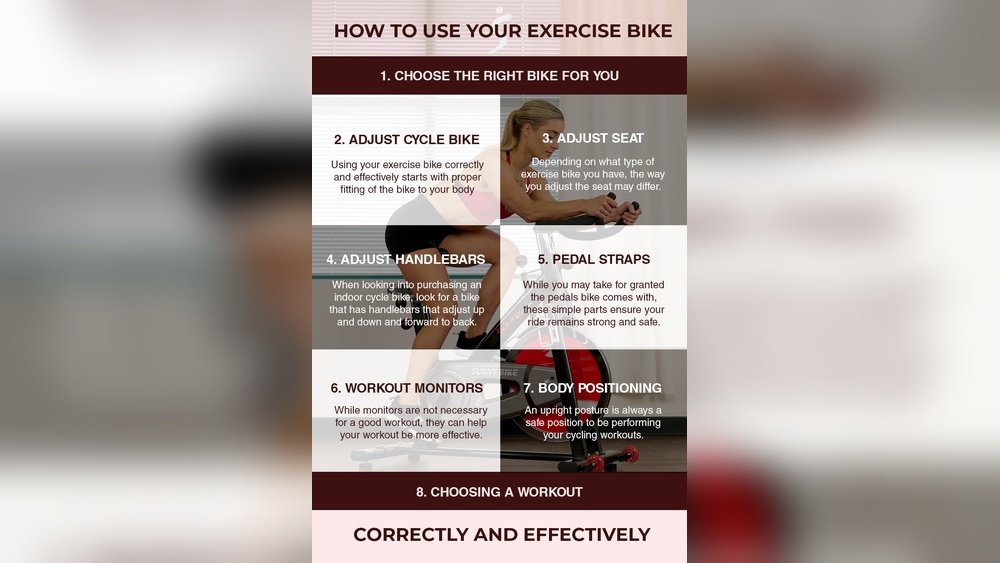
Setting up your exercise bike correctly ensures a safe and effective workout. Proper adjustments help you avoid injury and improve comfort. Follow these simple steps to get started.
Adjusting Seat Height
Stand next to your bike and align the seat with your hip bone. Sit on the bike and place your feet on the pedals. Your knee should bend slightly at the lowest pedal point. Avoid locking your knee to prevent strain. Adjust the seat height until you find this position.
Positioning Handlebars
Handlebars should be level with or slightly higher than the seat. This helps protect your back and neck. Reach for the handlebars with a slight bend in your elbows. Keep your shoulders relaxed and avoid leaning too far forward.
Foot Placement And Straps
Place the ball of your foot in the center of the pedal. Secure your feet using the pedal straps. Tighten the straps enough to keep your feet stable. Do not make them too tight, as this can reduce circulation.
Resistance Settings
Locate the resistance knob or buttons on your bike. Turn the knob clockwise to increase resistance, making pedaling harder. Turn it counterclockwise to lower resistance for an easier ride. Adjust resistance to match your fitness level and workout goals.
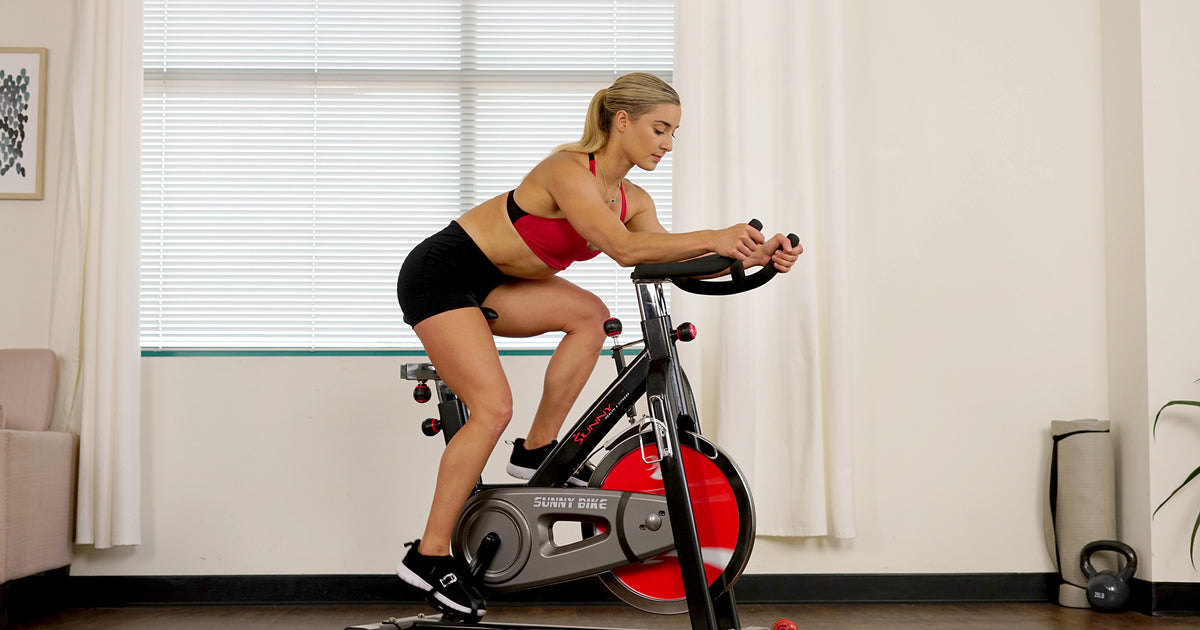
Credit: sunnyhealthfitness.com
Maintaining Proper Form
Maintaining proper form on an exercise bike is key to a safe and effective workout. Good form helps prevent injury and ensures you get the most from your session. It also makes your ride more comfortable and efficient. Focus on posture, pedaling technique, and hand grip to keep your body aligned and moving smoothly.
Posture Tips
Sit tall with your back straight. Avoid slouching or leaning too far forward. Keep your chest lifted and shoulders relaxed. Your elbows should be slightly bent, not locked. Make sure your hips stay level and do not rock side to side while pedaling.
Pedaling Technique
Push the pedals in a smooth, circular motion. Use both the downstroke and upstroke evenly. Avoid stomping or bouncing in the saddle. Keep your knees aligned with your feet to reduce strain. Maintain a steady cadence to build endurance and strength.
Hand Grip
Hold the handlebars lightly. Do not grip too tightly or tense your hands. Keep your wrists straight and relaxed. Change hand positions to avoid fatigue during longer rides. Proper hand grip supports good posture and helps you stay balanced.
Beginner Workout Tips
Starting to use an exercise bike can feel challenging. Simple tips help make workouts easier and more effective. Beginners should focus on building a steady routine. Proper habits reduce injury risk and improve results. This section shares key tips for beginners to start well.
Session Duration
Begin with short sessions lasting 10 to 15 minutes. Increase time by 5 minutes each week. Aim for 20 to 30 minutes per workout eventually. Short sessions help your body adjust without too much strain. Consistency matters more than long rides at first.
Warm-up And Cool-down
Start each session with a 5-minute warm-up at low speed. This prepares your muscles and heart for exercise. After cycling, slow down and pedal lightly for 5 minutes. Cooling down helps your body recover and reduces soreness. Never skip warm-up or cool-down steps.
Pacing And Intensity
Keep a steady pace that feels comfortable yet challenging. Use low to medium resistance to avoid early fatigue. Listen to your body and avoid pushing too hard at first. Increase intensity gradually as your fitness improves. Aim for a pace where talking is possible but not easy.

Credit: www.youtube.com
Safety Measures
Safety is the top priority when using an exercise bike. Proper safety measures protect your joints and muscles. They help prevent injuries and make your workout more effective. Follow these simple tips to stay safe and comfortable during your ride.
Avoiding Knee Lock
Keep a slight bend in your knee at the bottom of the pedal stroke. Do not fully straighten or lock your knee. Locking puts stress on the joint and can cause pain or injury. Adjust your seat height to maintain this gentle bend. This keeps your knees safe and muscles active.
Avoiding Excessive Weights
Start with low resistance to avoid straining muscles. Increase the weight gradually as your strength improves. Using too much resistance can tire you quickly and cause joint pain. Listen to your body and stop if you feel discomfort. Balanced effort leads to better results and fewer injuries.
Adjustments For Comfort
Proper bike setup is key for comfort and safety. Adjust the seat height so your knees bend slightly when pedaling. Set handlebars at a height that lets you hold them with relaxed shoulders. Make sure your feet fit well on the pedals with straps snug but not tight. Comfortable positioning reduces strain and helps you enjoy your workout.
Advanced Training Techniques
Advanced training techniques on an exercise bike help improve fitness faster. These methods increase workout intensity and add variety. They challenge your body in new ways and prevent exercise boredom. Use these techniques to build endurance, strength, and core stability.
Interval Training
Interval training alternates between high and low intensity. Pedal hard for 30 seconds to 1 minute. Then recover by pedaling slowly for 1 to 2 minutes. Repeat this cycle 5 to 10 times. Interval training boosts cardiovascular health and burns more calories. It also improves your speed and power.
Hill Simulation
Hill simulation mimics riding uphill by increasing resistance. Gradually turn the resistance knob to a higher level. Pedal slowly with strong force, as if climbing a hill. Maintain steady effort for 2 to 5 minutes. Then reduce resistance to recover. This technique strengthens your legs and improves stamina.
Core Engagement
Engaging your core improves balance and stability on the bike. Keep your abdominal muscles tight while cycling. Avoid leaning too far forward or backward. Try pedaling without holding the handlebars for short periods. This activates your core muscles more. Strong core support enhances your overall cycling performance.
Tracking Progress
Tracking your progress on an exercise bike helps stay motivated and improve fitness. It gives clear feedback on your performance and achievements. Recording data regularly shows patterns and areas to focus on. Simple tools on the bike make tracking easy and effective.
Using Bike Console
The bike console displays important workout details. It shows time, distance, speed, and calories burned. Many models track total revolutions and resistance level. Use the console to check your session stats anytime. Some consoles store data for later review. This helps compare past workouts and measure improvement.
Monitoring Heart Rate
Heart rate is a key indicator of exercise intensity. Most exercise bikes have built-in heart rate sensors. Grip the handles or wear a compatible chest strap. Watch your heart rate on the console during workouts. Staying in target heart rate zones improves cardiovascular fitness. It also prevents overexertion and injury.
Setting Goals
Set clear, simple goals to guide your workouts. Goals can be distance, time, calories, or heart rate targets. Write down your goals before each session. Adjust resistance or speed to meet your goals. Tracking progress toward goals boosts motivation. Celebrate small wins to keep pushing forward.
Common Mistakes To Avoid
Using an exercise bike effectively requires more than just hopping on and pedaling. Avoiding common mistakes can make your workouts safer and more efficient. These errors often reduce the benefits you get from cycling and may cause discomfort or injury.
Focus on correct setup and form to improve your exercise experience. Below are key mistakes to watch out for and how to fix them.
Incorrect Seat Position
Setting the seat too high or too low affects your pedal stroke. A seat that is too low puts extra strain on your knees. If it is too high, you may rock your hips while pedaling. Align the seat height with your hip bone while standing next to the bike. Your knee should have a slight bend at the pedal’s lowest point. This position helps avoid joint pain and improves power.
Poor Posture
Slouching or leaning too far forward causes back and neck pain. Keep your chest lifted and shoulders relaxed. Avoid hunching over the handlebars. Maintain a slight bend in your elbows to absorb shocks. Good posture supports your spine and allows better breathing during exercise.
Overtraining
Exercising too long or too hard can lead to fatigue and injury. Start with short sessions and gradually increase time and intensity. Rest days help your muscles recover and grow stronger. Listen to your body and stop if you feel pain or extreme tiredness.
Choosing The Right Bike
Choosing the right exercise bike plays a key role in your workout success. The right bike matches your fitness goals and comfort needs. It helps you stay motivated and reduces injury risk. Understand your options before buying. This guide covers the basics to help you pick the best bike.
Upright Vs Recumbent
Upright bikes resemble regular bicycles. They require you to sit straight and engage your core. This style offers a more intense workout for your legs and heart.
Recumbent bikes have a wider seat and back support. They put less strain on your lower back and joints. This bike suits people who want a gentler exercise or have mobility issues.
Both types improve cardiovascular health. Choose upright for a more active ride. Pick recumbent for comfort and lower body support.
Features To Consider
Look for adjustable seat height and handlebar positions. This customization ensures proper posture and comfort during exercise. Check the resistance levels to suit your fitness level. More resistance means a harder workout.
Some bikes have built-in screens and workout programs. These can track your progress and add variety. Quiet operation is important for home use. Check the bike’s weight limit and size to fit your space and body type.
Budget Options
Exercise bikes come in many price ranges. Basic models offer essential features and are perfect for beginners. Mid-range bikes add more comfort and tech options. Higher-end bikes include advanced features like interactive screens and apps.
Set a budget before shopping and compare models within it. Look for sales or used bikes for better deals. Focus on durability and comfort rather than extra bells and whistles. A simple, sturdy bike can deliver great workouts without high cost.
Health Benefits
Using an exercise bike offers many health benefits. It improves your overall fitness and supports your well-being. This low-impact workout suits people of all ages and fitness levels. Regular use helps strengthen your heart, burn calories, and protect your joints. Here are some key health benefits of riding an exercise bike.
Cardiovascular Fitness
Riding an exercise bike boosts your heart and lung health. It raises your heart rate, which strengthens your cardiovascular system. Better circulation delivers more oxygen to your muscles and organs. This helps reduce the risk of heart disease and stroke. Consistent cycling also improves endurance and energy levels for daily activities.
Weight Loss
Exercise bikes help burn calories efficiently. Cycling at a steady pace or doing interval training increases fat burning. This supports weight loss and helps maintain a healthy body weight. You can adjust resistance to make your workout harder and burn more calories. Regular sessions also improve your metabolism, making weight control easier.
Joint-friendly Exercise
Exercise bikes provide a smooth, low-impact workout. They reduce stress on your knees, hips, and ankles. This makes cycling a great option for people with joint pain or arthritis. You avoid harsh impact that comes with running or jumping. This gentle exercise helps maintain joint mobility and reduces stiffness over time.
Frequently Asked Questions
How To Use A Stationary Bike For Beginners?
Adjust the seat so your knee bends slightly at the pedal’s lowest point. Keep handlebars at seat height. Pedal smoothly with a light grip. Start with low resistance and short sessions, gradually increasing time and intensity. Maintain upright posture and avoid locking your knees.
How Long Should A Beginner Use An Exercise Bike?
Beginners should start with 10-15 minutes per session, gradually increasing to 30-45 minutes as endurance builds. Aim for 3-5 sessions weekly.
Is A Stationary Bike Good For Lowering Cholesterol?
Yes, using a stationary bike regularly helps lower cholesterol by improving heart health and boosting good HDL levels.
What Is The Best Exercise Bike For Parkinson’s Disease?
The best exercise bike for Parkinson’s disease is a recumbent bike with adjustable resistance and comfortable seating. It supports balance, reduces joint strain, and improves mobility safely. Choose models with easy-to-use controls and stability features for optimal exercise benefits.
Conclusion
Using an exercise bike regularly helps improve your fitness and health. Start with short sessions and increase time gradually. Keep good posture to avoid pain and injury. Adjust the seat and handlebars for comfort. Change resistance levels to challenge yourself safely.
Stay consistent and enjoy the benefits of cycling indoors. Simple steps lead to steady progress and better well-being. Remember, small efforts add up to big results over time.
I am a certified fitness coach with over 10 years of experience helping people improve their strength, endurance, and overall health. Specializes in workout programming, weight training, fat loss, muscle building, home fitness, and evidence-based nutrition.My goal is to make fitness simple and practical through well-researched guides, honest product reviews, and actionable training advice.