Are you ready to get the most out of your exercise bike while staying safe? Whether you’re a beginner or someone who cycles daily, knowing how to protect yourself during your workout is key.
Small mistakes like improper seat height or skipping warm-ups can lead to discomfort or even injury. You’ll discover simple and effective safety tips that keep your rides smooth and injury-free. Keep reading to make sure every pedal stroke works for you—and not against you!
Bike Setup
Setting up your exercise bike correctly is key to a safe and comfortable workout. Proper bike setup reduces injury risk and improves cycling efficiency. Small adjustments can make a big difference in your riding experience. Focus on three main areas: seat height and position, handlebar adjustment, and pedal and shoe compatibility.
Seat Height And Position
Adjust the seat height so your leg is almost straight at the bottom of the pedal stroke. This prevents knee strain and improves power output. Move the seat forward or backward to align your knee over the pedal spindle. Ensure you feel stable and balanced while seated. A good seat position reduces lower back pain and increases comfort.
Handlebar Adjustment
Set the handlebars at a height that feels natural and relaxed for your upper body. Too high or too low can cause neck and shoulder discomfort. Adjust the distance from the seat to avoid overstretching your arms. Keep a slight bend in your elbows during the ride. Proper handlebar setup supports good posture and breathing.
Pedal And Shoe Compatibility
Use pedals that fit your shoes securely to avoid slipping. Clip-in pedals provide more control but require compatible cycling shoes. Flat pedals work well with most athletic shoes. Check that your shoes are tight but comfortable to protect your feet. Matching pedals and shoes enhances safety and pedaling efficiency.
Pre-workout Checks
Before hopping on your exercise bike, a few quick checks keep your workout safe and smooth. These pre-workout checks help prevent accidents and improve your exercise experience. Spend a few minutes inspecting the bike, securing all levers, and clearing the area around you.
Inspecting The Bike
Look over the bike carefully. Check for loose screws or worn parts. Make sure the pedals spin smoothly and the seat is steady. Inspect the handlebars for any cracks or instability. A well-maintained bike reduces the risk of injury.
Securing Adjustment Levers
Adjust the seat and handlebars to your comfort. Tighten all adjustment levers firmly. Loose levers can slip during your ride and cause falls. Confirm that nothing moves unexpectedly before starting your workout.
Clearing The Surrounding Area
Remove objects around the bike that could cause tripping. Keep pets and children away from the exercise space. A clear area gives you room to move safely. This helps avoid distractions and accidents during cycling.
Proper Riding Form
Maintaining proper riding form on an exercise bike reduces injury risk and improves workout results. Good form helps your muscles work efficiently and keeps your joints safe. Focus on body position, hand placement, and foot alignment for a smooth ride.
Body Posture
Keep your back straight but relaxed. Avoid leaning too far forward or backward. Engage your core to support your spine. Sit tall on the seat, not slouched. This posture helps reduce strain on your lower back.
Hand And Elbow Position
Place your hands lightly on the handlebars. Keep elbows slightly bent, not locked. This position absorbs shock and prevents arm fatigue. Avoid gripping too tight to maintain comfort and control.
Foot Placement
Position the balls of your feet over the pedal centers. Keep your feet flat and stable during pedaling. Use straps or clips if your bike has them. Correct foot placement improves power and avoids ankle strain.
.jpg)
Credit: www.solfoot.com
Workout Planning
Proper workout planning is essential for a safe and effective exercise bike session. It helps prevent injuries and improves your fitness results. A well-structured plan includes warming up, pacing yourself, and cooling down. These steps prepare your body and reduce strain during exercise. Follow these safety tips to enjoy your workout and stay healthy.
Warm-up And Cool-down
Start each session with a warm-up to get your muscles ready. Pedal slowly for five to ten minutes to increase blood flow. This reduces the risk of muscle strain and joint pain. After your workout, cool down by pedaling at a low intensity. Cooling down helps your heart rate return to normal and prevents dizziness.
Pacing And Intensity
Set a pace that matches your fitness level. Avoid starting too fast or pushing too hard. Gradually increase intensity over time to build strength safely. Use the bike’s resistance settings wisely. Keep your breathing steady and comfortable. This approach prevents fatigue and keeps your workout enjoyable.
Avoiding Overexertion
Listen to your body during exercise. Stop if you feel pain, dizziness, or extreme tiredness. Overexertion can cause injuries and delay recovery. Schedule rest days between intense workouts to let your muscles heal. Drink water regularly to stay hydrated and maintain energy levels.
Safety Gear
Wearing the right safety gear protects your body during exercise bike workouts. Proper gear reduces the chance of injury and improves comfort. It also helps you maintain correct form and control. Safety gear is a simple way to make your sessions safer and more effective.
Footwear Recommendations
Choose shoes with firm soles and good grip. Avoid soft or slippery shoes that can cause your feet to slip off pedals. Cycling shoes with clips offer extra stability and power. Make sure your shoes fit well to prevent blisters and discomfort. Replace worn-out shoes to keep your feet secure during rides.
Protective Accessories
Use padded gloves to protect your hands and improve grip. Gloves reduce pressure on your palms and prevent calluses. Consider wearing knee and elbow pads if you have joint issues. A sweatband or headband keeps sweat out of your eyes for better focus. Keep a towel and water nearby to stay dry and hydrated.
Maintenance Tips
Maintaining your exercise bike is key to safe workouts. Proper care keeps the bike working well and prevents accidents. Simple maintenance steps extend the bike’s life and improve your exercise experience. Follow these easy tips to keep your bike in top shape.
Regular Cleaning
Wipe down the bike after each use. Sweat and dust can damage parts over time. Use a soft cloth with mild soap and water. Avoid harsh chemicals that harm surfaces. Clean the seat, handlebars, and pedals thoroughly. Keep the screen and buttons free from dirt. This keeps the bike fresh and ready for your next ride.
Lubrication And Parts Check
Check moving parts regularly for smooth operation. Apply lubricant to chains, pedals, and joints as needed. This reduces friction and noise. Tighten loose screws and bolts to prevent wobbling. Inspect brake pads and belts for wear. Replace worn parts quickly to avoid breakdowns. A well-lubricated bike offers a safer and quieter workout.
Storing The Bike Safely
Place the bike on a flat, stable surface to avoid tipping. Store it in a dry area to prevent rust and corrosion. Keep the bike away from direct sunlight and moisture. Cover the bike with a dust cover if possible. Ensure children and pets cannot access the bike unsupervised. Safe storage protects your investment and prevents accidents.
Child Safety
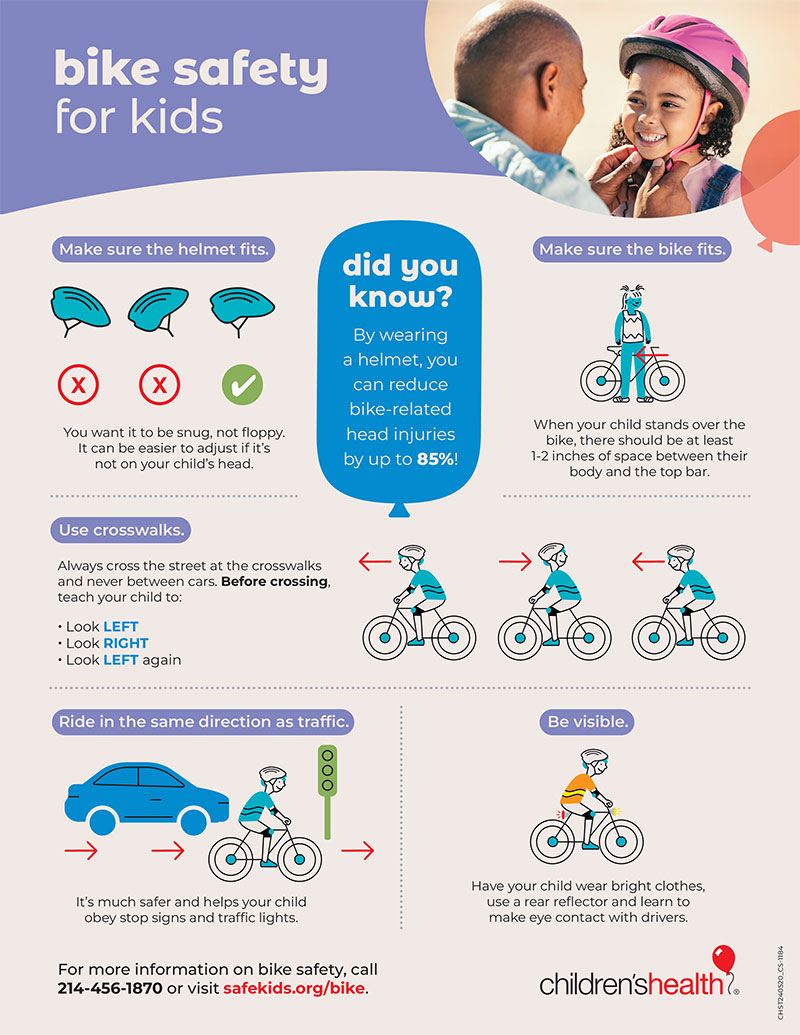
Exercise bikes are a great way to stay fit at home. But they can be risky for children. Kids are curious and may get hurt if they play near the bike. Protecting children around exercise bikes is important. Simple safety steps can keep accidents away.
Keeping Kids Away
Place the exercise bike in a room where children cannot enter. Use a locked door or a safety gate to block access. Teach children that the bike is not a toy. Make sure they understand the dangers of touching moving parts. Always supervise kids around exercise equipment. Never leave them alone near the bike.
Securing Safety Guards
Safety guards cover parts like pedals and chains. These guards prevent fingers or clothes from getting caught. Do not remove or damage any safety guards. Check guards often for cracks or loose parts. Fix or replace guards immediately if broken. Proper guards reduce the risk of injuries. They make the bike safer for everyone in the home.
Credit: www.childrens.com

Credit: www.amazon.com
Frequently Asked Questions
Is A Stationary Bike Ok For Plantar Fasciitis?
A stationary bike is suitable for plantar fasciitis as it offers low-impact exercise. Adjust seat height for comfort and avoid overexertion.
What Is The 75 Rule In Cycling?
The 75 rule in cycling means riding at 75% of your maximum effort to boost endurance and improve performance efficiently.
What Are Some Common Stationary Bike Mistakes?
Common stationary bike mistakes include setting the seat too low, improper saddle distance, and handlebars too high. Skipping warm-up or cool-down also harms performance. Avoid unplanned workouts and wearing wrong shoes. These errors reduce effectiveness and increase injury risk.
Is Cycling Ok For Hip Pain?
Cycling can relieve hip pain by improving joint mobility and strengthening muscles. Adjust your bike properly to avoid strain. Stop if pain worsens.
Conclusion
Staying safe on your exercise bike helps you enjoy workouts longer. Always check your bike settings before riding. Wear comfortable shoes and keep your feet secure. Start slow, then increase speed as you feel ready. Keep your posture straight to avoid pain or injury.
Take breaks and drink water to stay hydrated. Regularly clean and maintain your bike for smooth use. Following these simple tips protects your health and fitness journey. Safety first, progress always!
I am a certified fitness coach with over 10 years of experience helping people improve their strength, endurance, and overall health. Specializes in workout programming, weight training, fat loss, muscle building, home fitness, and evidence-based nutrition.My goal is to make fitness simple and practical through well-researched guides, honest product reviews, and actionable training advice.