
Are you ready to get the most out of your spin bike workouts without risking injury? Whether you’re a beginner or a seasoned rider, knowing how to stay safe while spinning can make all the difference in your fitness journey.
From setting up your bike just right to avoiding common mistakes that can cause pain or accidents, these safety tips are designed with you in mind. Keep reading to discover simple, practical steps that will help you pedal with confidence and protect your body every time you ride.
Your spin sessions will never feel the same once you master these essential safety habits!
Bike Setup
Setting up your spin bike correctly is key for a safe and effective workout. A good setup helps prevent injuries and improves comfort. Small adjustments can make a big difference in your riding experience.
Check your bike setup before every session. It ensures that your body moves in the right way. Follow these simple steps to get started.
Adjust Seat Height
Set the seat height so your leg has a slight bend at the bottom of the pedal stroke. Avoid locking your knee. The right height reduces strain on your joints and muscles. Use a ruler or tape to measure. Your hip should stay level when seated.
Position Handlebars
Handlebars should be at a comfortable height for you. They can be level with the seat or slightly higher. This position reduces pressure on your back and shoulders. Keep a relaxed grip. Avoid reaching too far forward to prevent pain.
Check Pedal Alignment
Make sure pedals are tight and aligned with your feet. Loose pedals can cause slips and injuries. Use straps or clip-in shoes to keep feet secure. Align your foot so the ball of your foot is over the pedal axle. This helps power transfer and keeps your knees safe.
Credit: regenpilates.com
Proper Riding Posture
Proper riding posture is key to a safe and effective spin bike workout. It helps prevent injuries and boosts your performance. Keeping the right form reduces strain on muscles and joints. It also makes your ride more comfortable and enjoyable.
Engage Core Muscles
Activate your core to stabilize your body while riding. A strong core supports your lower back and improves balance. Keep your abdominal muscles tight but relaxed. This helps maintain control and power through each pedal stroke.
Maintain Knee Bend
Keep a slight bend in your knees at the bottom of each pedal stroke. Locking your knees can cause joint pain and injury. A proper knee bend absorbs impact and protects your joints. Adjust your seat height to achieve this natural bend.
Keep Neutral Spine
Maintain a neutral spine by avoiding excessive arching or rounding of your back. Your back should stay straight but relaxed. This posture reduces pressure on your spine and prevents discomfort. Look forward and keep your shoulders down and relaxed.
Warm-up And Cool Down
Warming up and cooling down are key steps for a safe spin bike workout. These steps prepare your body for exercise and help prevent injuries. They also improve your overall performance and recovery.
Spinning with a cold body can cause muscle strain. Cooling down helps your heart rate return to normal slowly. It also reduces muscle soreness after your session.
Start With Light Resistance
Begin your warm-up by pedaling with light resistance. This action increases blood flow to your muscles. It wakes up your joints and raises your heart rate gently. Pedal at an easy pace for five to ten minutes. Avoid heavy resistance or fast speeds right away. This approach lowers the risk of strains and sprains.
Stretch After Riding
Stretch your muscles after you finish riding. Focus on your legs, hips, and lower back. Hold each stretch for 15 to 30 seconds. Stretching helps reduce tightness and improves flexibility. It also aids in muscle recovery and prevents stiffness. Never skip this step after a spin bike workout.

Credit: bionmart.in
Resistance And Speed Control
Controlling resistance and speed on a spin bike is key for a safe workout. Proper adjustment protects your joints and muscles. It also helps you avoid injury and fatigue. Pay attention to how you change resistance and speed during your ride. This section shares important safety tips to keep your session effective and secure.
Avoid No Resistance Riding
Riding without resistance can strain your knees and hips. The bike’s flywheel spins too fast with no control. This sudden speed may cause loss of balance. Always keep some resistance to maintain steady pedal motion. Light resistance helps build strength and improves control.
Increase Resistance Gradually
Raise resistance slowly to prevent muscle strain. Sudden high resistance can stress your legs and back. Gradual increase allows muscles to warm up and adjust. Listen to your body and stop if you feel pain. Step up resistance in small amounts during your workout.
Monitor Cadence
Cadence means how fast you pedal per minute. Too fast or too slow can cause injury. Aim for a steady and controlled pedaling speed. Use a cadence monitor if your bike has one. This helps keep your workout safe and efficient.
Safety Precautions
Safety precautions are essential for a safe and effective spin bike workout. Taking simple steps can prevent injuries and keep your exercise routine smooth. Focus on protecting yourself from common hazards around the bike.
Keep Clear Of Moving Parts
Stay away from the bike’s chain, pedals, and flywheel while it moves. These parts can cause serious injury if touched during operation. Always check that your hands and feet are clear before starting your session.
Use Proper Footwear
Wear shoes with firm soles and good grip to avoid slipping off the pedals. Avoid sandals or barefoot riding. Proper footwear helps maintain control and reduces the risk of foot injury during intense cycling.
Secure Loose Clothing
Loose clothes can get caught in the bike’s moving parts. Wear fitted workout clothes and tuck in any loose fabric. This practice prevents accidents and keeps your focus on the workout.
Hydration And Breaks
Hydration and breaks play a vital role in a safe and effective spin bike workout. Keeping your body well-hydrated helps maintain energy and prevents cramps. Taking regular breaks allows your muscles to recover and reduces fatigue. Both factors improve performance and reduce injury risks during spinning sessions.
Stay Hydrated
Drink water before, during, and after your spin workout. Sweating causes fluid loss that can lead to dehydration. Carry a water bottle close to your bike for easy access. Sip water frequently in small amounts instead of gulping large quantities. Proper hydration keeps your muscles working well and your focus sharp.
Take Regular Breaks
Pause your workout every 15 to 20 minutes to rest. Use breaks to stretch your legs and relax your muscles. Short rests help reduce muscle stiffness and improve blood flow. Avoid pushing yourself too hard without breaks. Listen to your body and stop if you feel dizzy or too tired.
Maintenance Tips
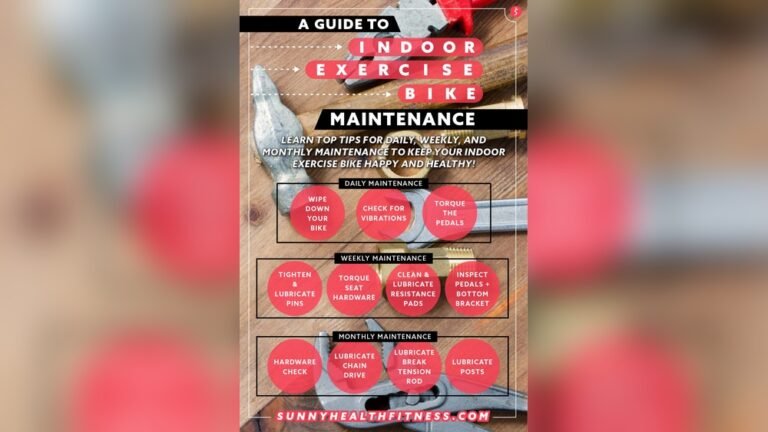
Proper maintenance keeps your spin bike safe and working well. Regular care prevents breakdowns and accidents. It also helps your bike last longer and perform better. Follow these simple maintenance tips to keep your spin bike in top shape.
Clean Bike Regularly
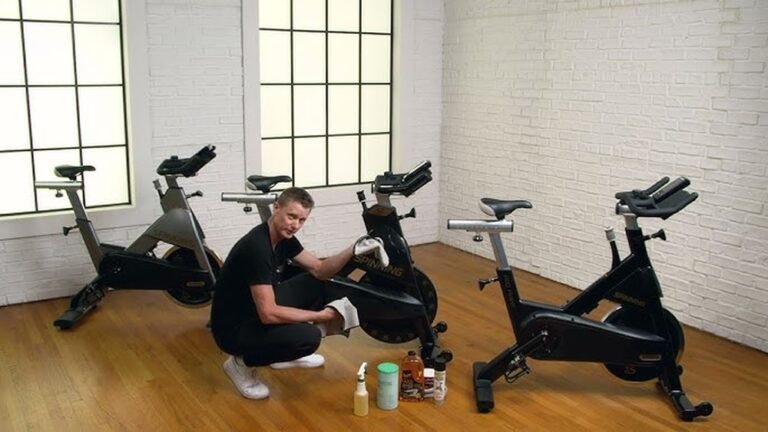
Wipe down your bike after every use. Sweat can cause rust and damage parts. Use a soft cloth and mild cleaner. Avoid harsh chemicals that can harm the bike’s finish. Keep pedals, handles, and seat clean to avoid slipping.
Inspect For Wear And Tear
Check your bike often for loose bolts or parts. Look for cracks or worn-out components. Pay attention to pedals, straps, and the flywheel. Replace damaged parts immediately. This stops small problems from becoming big safety risks.
Lubricate Moving Parts
Keep chains and joints smooth by applying lubricant. Use bike-specific oil for the best results. Avoid over-lubricating as it attracts dust and dirt. Lubricate every few weeks or after heavy use. This reduces noise and prevents parts from wearing out fast.

Credit: www.pregactive.com
Common Injuries And Prevention
Spin biking is a popular workout that boosts fitness and burns calories. Yet, improper use can cause injuries. Knowing common injuries and how to prevent them helps you stay safe and enjoy your rides.
Simple habits can reduce risks and keep your body strong. Focus on correct form and listen to your body’s signals during exercise.
Avoid Knee Strain
Knee strain is a common issue for spin bike users. It happens when the bike seat is too high or too low. Your knee should bend slightly at the bottom of each pedal stroke.
Keep your knees aligned with your feet while pedaling. Avoid pushing the pedals too hard or riding with stiff knees. Warm up your knees before starting your workout.
Prevent Lower Back Pain
Lower back pain can occur if you lean too far forward on the bike. Maintain a straight back and engage your core muscles for support. Adjust the handlebar height to a comfortable level to reduce strain.
Take breaks if your back feels tight. Stretch your lower back and hips regularly after riding. Proper posture is key to avoiding pain and injury.
Handle Muscle Fatigue
Muscle fatigue affects your legs, hips, and lower back during long rides. Build endurance gradually by increasing workout time in small steps. Stay hydrated and rest between sessions to help muscles recover.
Use smooth, steady pedaling motions. Avoid sudden bursts of speed or resistance that tire muscles quickly. Listen to your body and stop if you feel sharp pain or extreme tiredness.
Frequently Asked Questions
What Is The 75% Rule In Cycling?
The 75% rule in cycling means maintaining 75% of your maximum heart rate during training. It optimizes endurance and fat burning effectively.
Is 30 Minutes Of Stationary Bike The Same As 30 Minutes Of Walking?
Thirty minutes on a stationary bike often burns more calories than walking due to higher intensity. Both improve cardiovascular health but differ in muscle engagement and impact level. Choose based on fitness goals and joint comfort.
What Is The 80% Rule In Cycling?
The 80% rule in cycling suggests training at 80% of your maximum effort to improve endurance and avoid burnout.
Is Cycling Good For Hip Arthritis?
Cycling is excellent for hip arthritis as it reduces joint stress and improves mobility. It strengthens muscles and eases stiffness safely.
Conclusion
Spinning on a bike can improve fitness and mood. Always adjust your seat and handlebars for comfort. Wear proper shoes to keep your feet secure. Keep your back straight and core engaged while riding. Start slow and increase speed gradually to avoid strain.
Take breaks if you feel dizzy or tired. Regularly check your bike for loose parts or damage. Stay hydrated before, during, and after your workout. Following these simple tips keeps your spin sessions safe and enjoyable. Ride smart, stay safe, and have fun every time.
I am a certified fitness coach with over 10 years of experience helping people improve their strength, endurance, and overall health. Specializes in workout programming, weight training, fat loss, muscle building, home fitness, and evidence-based nutrition.My goal is to make fitness simple and practical through well-researched guides, honest product reviews, and actionable training advice.