Choosing the right rowing machine size is crucial for your comfort, workout efficiency, and overall experience. If you’ve ever wondered, “What size rowing machine do I need?” you’re in the right place.
This guide will help you understand how to pick the perfect rowing machine that fits your body and space. Whether you’re a beginner or upgrading your home gym, knowing the right size ensures you get the most out of every stroke.
Keep reading to find out how to measure yourself, what dimensions to consider, and which features matter most so you can row your way to better health with confidence.
Choosing Rowing Machine Size
Choosing the right rowing machine size is key for a comfortable workout. The correct size helps you row smoothly and avoid injury. It also fits better in your home space. Consider your body and room space before buying.
Factors Influencing Size
Your height and leg length impact the rowing machine size. Taller users need longer rails for full leg extension. Weight capacity is also important for safety and durability. Check the machine’s maximum user weight. Resistance type can affect machine length and bulk. Magnetic and air rowers differ in size.
Measuring Your Inseam
Inseam length helps find the right rowing machine rail size. Sit with your back straight and legs extended. Measure from your crotch to the floor. This gives the minimum rail length you need. A longer rail allows full leg movement without restriction. Compare your inseam to the machine’s rail length specs.
Checking Space Requirements
Measure the room where you will place the rowing machine. Allow extra space for rowing motion and storage. Most rowing machines are about 6 to 9 feet long. Add at least 2 feet on each side for comfort. Check ceiling height if you plan to store the machine vertically. Clear space improves safety and workout ease.
Credit: godfrey.co.uk
Types Of Rowing Machines
Rowing machines come in different types based on resistance systems. Each type offers a unique workout feel and benefits. Understanding these types helps you choose the right one for your space and fitness goals.
Air Resistance Models
Air resistance rowers use a flywheel that spins through the air. The harder you row, the more resistance you feel. These machines mimic the feeling of rowing on water. They offer smooth, natural resistance and good airflow to keep you cool.
Magnetic Resistance Models
Magnetic rowers use magnets near the flywheel to create resistance. You can adjust the resistance level easily with a dial or button. These machines run quietly and need less maintenance. They are great for home use, especially in small spaces.
Hydraulic Resistance Models
Hydraulic rowing machines use pistons filled with fluid for resistance. They are usually smaller and more affordable than other types. Resistance can be adjusted by changing the piston settings. These machines are ideal for beginners and limited spaces.
Foot Placement And Strap Fit
Proper foot placement and strap fit are essential for a comfortable rowing workout. They improve your stability and power during each stroke. Incorrect positioning can cause discomfort or reduce efficiency. Adjusting these elements helps you row with better form and less risk of injury.
Adjusting Foot Position
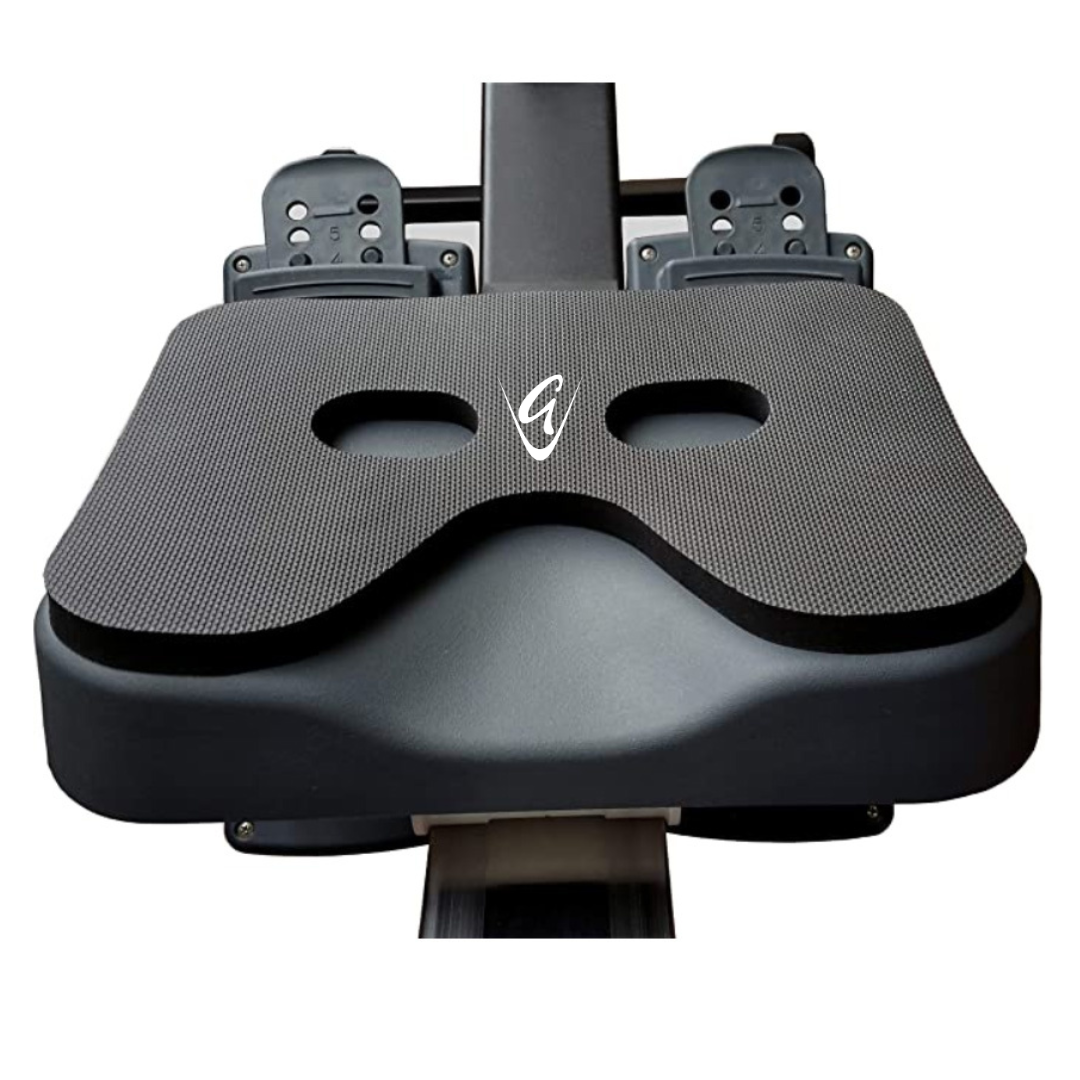
Place your feet flat on the footrests. Align the ball of your foot with the widest part of the footplate. This position offers the best leverage for each stroke. Slide your feet forward or backward until you feel stable. Check that your heels can lift slightly during the rowing motion. This allows a full range of movement.
Selecting Proper Strap Tightness
Straps should hold your feet firmly but not too tight. Tight straps can cause discomfort and restrict blood flow. Loose straps may let your feet slip during rowing. Secure the straps so your feet stay in place but can still move slightly. Adjust the tightness after a few strokes to find the best fit.
Matching Foot Size And Flexfoot
Choose the flexfoot position based on your foot size. Larger feet usually need the flexfoot set lower on the footplate. Smaller feet may require a higher setting for better support. This adjustment helps maintain a natural foot angle. Correct flexfoot placement reduces strain on your ankles and calves. Experiment with settings to find your most comfortable position.
Rowing Machine Dimensions
Understanding the dimensions of a rowing machine is essential before making a purchase. These machines vary in size, affecting where you can place them and how comfortable your workouts will be. Knowing the length, width, and height helps you prepare your space properly. It also ensures you have enough room to use the machine safely and effectively.
Length And Width Considerations
Rowing machines usually range from 6 to 9 feet in length. This depends on the model and type of resistance used. The width typically falls between 18 to 24 inches. Make sure to measure your available floor space to fit the machine comfortably. Leave extra space around it for movement during exercise. Keep in mind the length when you plan to store the machine upright.
Height And Clearance Needs
The height of a rowing machine is often around 12 to 20 inches. This is important for user comfort and proper rowing form. Also, consider the clearance above the machine. You need enough room for the handle to move freely without hitting the ceiling or nearby objects. A ceiling height of at least 7 feet is recommended for most rowing machines.
Storage Space Tips
Some rowing machines fold or stand upright for easy storage. Check if the model you choose has this feature. Folding machines save floor space and fit better in small rooms. Always measure the storage area to make sure the machine fits when folded. Keep the space free from clutter to avoid damage to the machine or injury while moving it.
Sizing For Beginners
Choosing the right size rowing machine is important for beginners. The right fit helps you row comfortably. It also prevents injuries. This guide helps new users find the best size for their body and skill level. Proper sizing makes workouts more effective and enjoyable.
Starting With Adjustable Models
Adjustable rowing machines are great for beginners. They allow changes in seat height and footrest position. This flexibility helps fit different body sizes. Beginners can experiment to find a comfortable setting. Adjustable models grow with your skill and fitness level. They provide a good start without needing a perfect fit at first.
Common Mistakes To Avoid
Many beginners choose machines that are too small or too large. A machine too small limits your leg extension. Too large makes rowing awkward and reduces control. Another mistake is ignoring foot strap adjustments. Loose straps cause slipping, while tight straps restrict movement. Avoid rushing the sizing process. Take time to measure and test before buying.
Fitting For Different Body Types
Rowing machines suit most body types with the right adjustments. Taller users need longer rail length for full leg stretch. Shorter users benefit from adjustable footrests and seat height. People with wider hips should check seat width and handle reach. Beginners with limited flexibility should choose models with smooth resistance. Proper fit ensures a natural rowing motion and reduces strain.

Credit: www.dimensions.com
Optimizing Rowing Form
Optimizing your rowing form enhances workout effectiveness and reduces injury risk. Proper technique targets muscles correctly and improves endurance. Small adjustments in your movement can lead to big improvements in your rowing sessions.
Handle And Wrist Position
Keep your wrists straight, not bent, during each stroke. Hold the handle firmly but avoid gripping too tight. The handle should move in a smooth line, close to your body. This position prevents strain and helps maintain control.
Leg And Hip Movement
Start the stroke by pushing with your legs, not pulling with your arms. Extend your hips fully as you drive back. Your legs provide most of the power in rowing. Avoid locking your knees at the end of the stroke to protect your joints.
Posture And Angles
Maintain a tall, straight back throughout the stroke. Lean slightly backward at the finish without slouching. Keep your shoulders relaxed and down. The correct angles between your body parts reduce stress and improve efficiency.
Health Benefits Of Proper Fit
Choosing the right size rowing machine is key for a proper fit. A good fit improves comfort and makes workouts safer. It also helps your body move naturally during rowing. This section explains how the correct size supports your health and fitness goals.
Reducing Joint Strain
A rowing machine that fits well lowers stress on your joints. Proper seat height and handle reach prevent overextension. This reduces pressure on knees, hips, and shoulders. Less joint strain means less pain and better recovery after workouts.
Improving Workout Efficiency
When your rowing machine fits your body, each stroke feels smoother. You use your muscles more effectively with correct positioning. This leads to a stronger, more balanced workout. You burn more calories and build strength faster with proper fit.
Supporting Injury Prevention
A proper fit helps keep your posture correct during rowing. Good posture protects your back and neck from strain. It also lowers the risk of muscle strains and joint injuries. Staying injury-free lets you row consistently and reach your goals.
Credit: www.etsy.com
Frequently Asked Questions
What Size Rowing Machine Do I Need?
Choose a rowing machine that fits your space and body size. Typical length ranges from 6 to 9 feet. Ensure enough room for full leg extension and comfortable movement. Measure your inseam and add extra space for clearance. Compact models suit small areas; larger machines offer smoother workouts.
What Do The Numbers 1 And 10 Mean On A Rowing Machine?
The numbers 1 and 10 on a rowing machine indicate resistance levels. Level 1 offers the least resistance, while level 10 provides the highest resistance for a tougher workout. Adjusting these numbers controls workout intensity and simulates different rowing conditions.
Can Rowing Lower Cholesterol?
Rowing effectively lowers cholesterol by boosting heart health and improving blood circulation. It combines cardio and strength training. Regular rowing reduces LDL (bad cholesterol) and raises HDL (good cholesterol). This full-body exercise supports weight management and overall cardiovascular fitness, aiding cholesterol control naturally.
Is A Rowing Machine Good For Hip Arthritis?
A rowing machine provides low-impact exercise, reducing joint stress and improving hip arthritis mobility. Use proper form and start slowly.
Conclusion
Choosing the right rowing machine size helps improve your workout comfort. Measure your space and body before buying. A proper fit supports better posture and movement. This guide simplifies your decision process. Enjoy a smooth rowing experience with the correct size.
Stay consistent, and your fitness will improve steadily. Remember, comfort and space matter most for home use.
I am a certified fitness coach with over 10 years of experience helping people improve their strength, endurance, and overall health. Specializes in workout programming, weight training, fat loss, muscle building, home fitness, and evidence-based nutrition.My goal is to make fitness simple and practical through well-researched guides, honest product reviews, and actionable training advice.