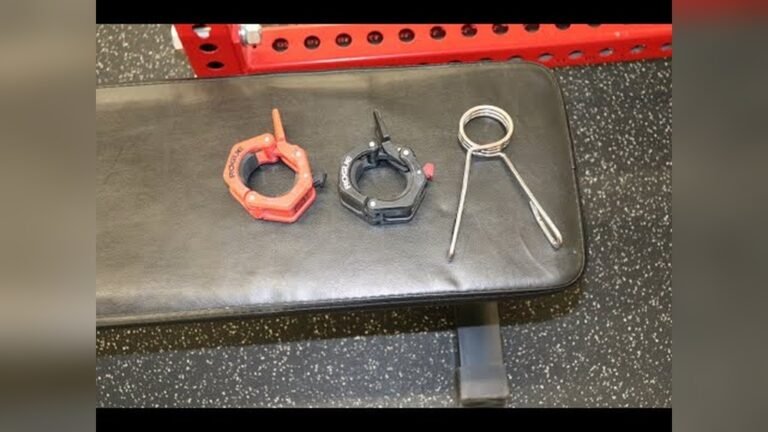
You rely on your barbell collars to keep your weights secure and your workouts safe. But are you giving them the care they deserve?
Over time, dirt, sweat, and rust can build up, making your collars less effective and even dangerous during lifts. If you want to keep your barbell collars working smoothly and extend their lifespan, you need simple yet effective maintenance tips.
You’ll discover easy ways to clean, lubricate, and inspect your collars so they perform like new every time you hit the gym. Keep reading to protect your gear—and your gains.
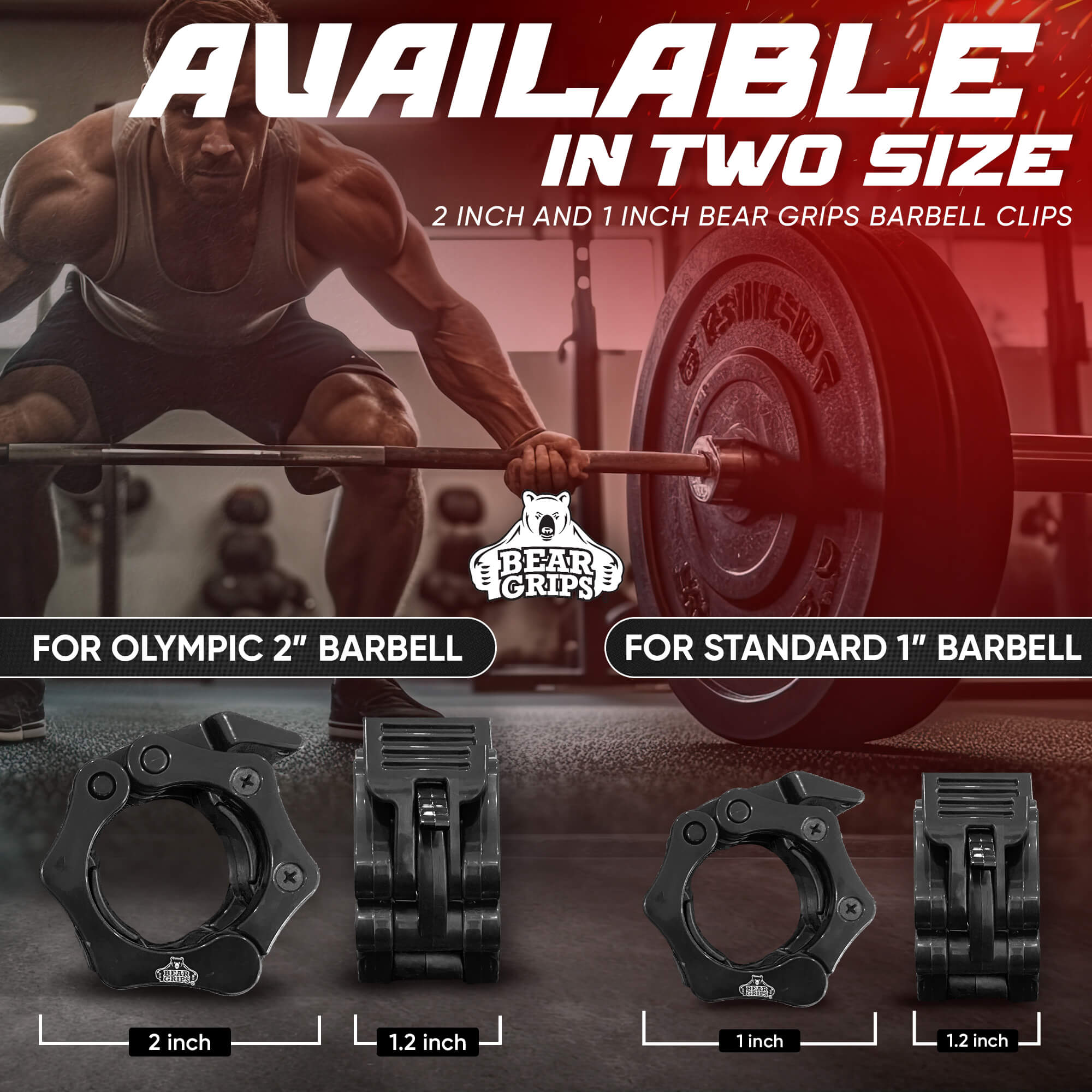
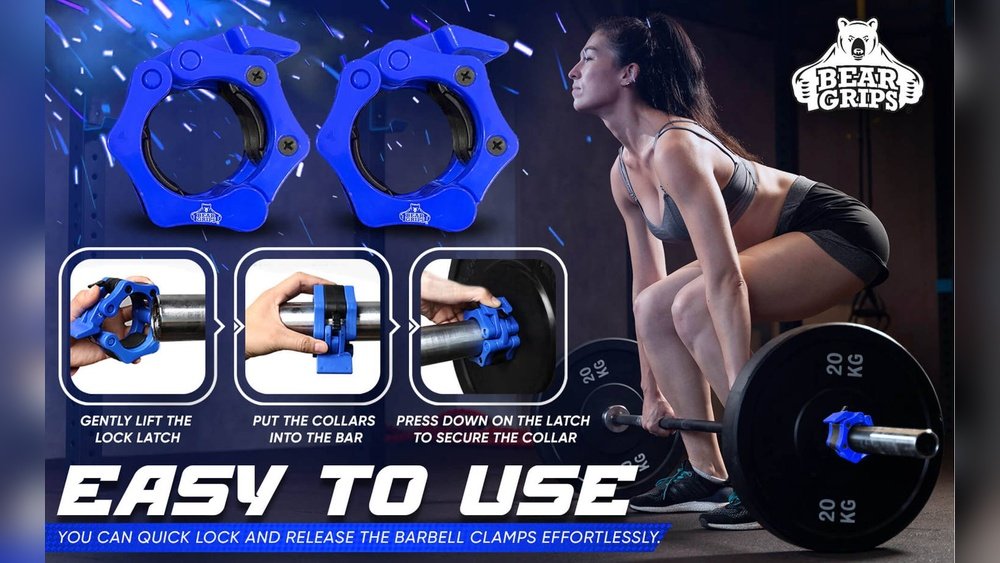
Credit: www.beargrips.com
Cleaning Techniques
Proper cleaning techniques keep your barbell collars working well. Dirt, chalk, and sweat build up fast. Regular cleaning stops rust and damage. Simple tools and methods help maintain grip and function. Follow these easy cleaning tips to extend collar life and keep workouts safe.
Using Stiff Brushes
Use a stiff brush to remove tough grime. A wire or nylon brush works well. Scrub the collars gently but firmly. Focus on hard-to-reach spots and textured areas. This removes chalk, dust, and dirt that hide deep inside. Avoid using brushes that are too harsh. They can scratch or weaken the collars.
Wiping With Microfiber Cloths
After brushing, wipe collars with a microfiber cloth. These cloths pick up fine dust and moisture. Dampen the cloth slightly for better cleaning. Wipe all surfaces thoroughly to remove leftover debris. Microfiber cloths prevent scratching and absorb sweat. Keep your collars dry to stop rust forming.
Removing Chalk And Debris
Chalk clogs the collar’s locking parts quickly. Blow compressed air or tap collars to loosen debris. Use a small brush or toothpick to clear tight spaces. Avoid harsh chemicals that damage metal or plastic. Clean collars after every workout to avoid buildup. This keeps collars locking securely and working smoothly.

Credit: www.fitarc.co.za
Lubrication Practices
Proper lubrication keeps barbell collars working smoothly and lasting longer. It reduces friction and prevents rust. Using the right lubricant and applying it correctly protects bushings and bearings. Regular care improves your lifting experience by ensuring collars spin freely and securely hold weights.
Oiling Bushings And Bearings
Apply a few drops of oil at the seam between the collar sleeve and shaft. This helps oil reach the bushings or bearings inside. Rotate the collar several times to spread the oil evenly. Avoid over-oiling to prevent dirt build-up and sticky residue.
Choosing Between Oil And Grease
Oil is thin and flows easily into tight spaces. It suits collars with bushings or exposed parts. Grease is thicker and stays longer but may attract dust. Use grease for collars with sealed bearings or heavy-duty use. Select lubricants designed for metal parts and fitness equipment.
Frequency Of Lubrication
Lubricate collars every one to three months depending on use and conditions. Frequent lifters should oil monthly. Check collars for squeaks or stiff rotation to know when to lubricate. Clean collars before applying lubricant to remove dust and chalk.
Rust Prevention
Rust is a common problem for barbell collars. It weakens the metal and affects performance. Preventing rust keeps your collars safe and reliable. Simple steps stop rust from forming and extend the life of your equipment.
Applying Light Oil Coats
Use light oil to protect metal surfaces. A thin coat blocks moisture and air. Apply oil after cleaning the collars. Use a clean cloth or spray for even coverage. Avoid thick layers that attract dust. Repeat this regularly to keep rust away.
Storage Tips To Avoid Moisture
Store barbell collars in dry places only. Avoid damp basements or outdoor areas. Use sealed containers or plastic bags for extra protection. Keep collars away from water spills and humidity. Proper storage reduces the chance of rust forming.
Regular Inspections For Corrosion
Check your collars often for rust spots or damage. Look closely at joints and moving parts. Catching rust early stops it from spreading. Remove small rust patches with a wire brush. Regular inspections keep your collars in top shape.
Disassembly And Reassembly
Disassembling and reassembling barbell collars is essential for proper maintenance. It helps keep the collars working smoothly and extends their lifespan. Careful handling during these steps prevents damage and ensures safety during workouts.
Removing Circlips And Collars
Start by locating the circlips that hold the collar parts together. Use circlip pliers or a flat screwdriver to carefully pry them off. Gently slide the collar away from the barbell sleeve. Avoid forcing the parts to prevent bending or breaking. Keep small pieces like circlips in a safe place to avoid losing them.
Cleaning Internal Components
Once the collar is disassembled, clean all internal parts thoroughly. Use a soft brush to remove dirt, chalk, and rust from inside the collar. Wipe down all surfaces with a cloth dampened with mild soap and water. Dry each piece completely to stop rust from forming. Clean parts ensure smooth collar movement and better grip on the barbell.
Proper Reattachment Methods
Line up all collar components correctly before reassembling. Slide the collar back onto the barbell sleeve carefully. Replace the circlips securely in their grooves using pliers. Check that the collar snaps in place without wobbling or looseness. Test the collar by twisting it gently to confirm it holds tight during lifts.
Common Maintenance Mistakes
Maintaining barbell collars properly ensures safety and extends their lifespan. Many users make simple mistakes that cause damage or reduce effectiveness. Recognizing these common maintenance errors helps keep your equipment in top shape.
Neglecting Regular Cleaning
Skipping cleaning allows dirt and sweat to build up. This buildup causes rust and weakens metal parts. Regular cleaning removes chalk, dust, and sweat. Use a soft brush and mild cleaner for best results. Clean collars after each workout to avoid corrosion.
Over-lubricating
Applying too much lubricant attracts dust and grime. Excess oil can clog moving parts and reduce performance. Use only a small drop of lubricant on joints or hinges. Wipe off any extra oil after application. Proper lubrication keeps collars working smoothly.
Using Improper Tools
Using wrong tools can scratch or damage collars. Avoid sharp or heavy tools that harm the finish. Use soft brushes and cloths for cleaning. For tightening, use the correct wrench or hand pressure. Proper tools protect collars and maintain their function.
Extending Collar Lifespan
Extending the lifespan of your barbell collars helps save money and keeps your workouts safe. Proper care prevents damage and wear over time. Small daily habits can make a big difference in how long your collars last.
Maintaining collars is simple but requires attention. Regular cleaning, careful handling, and knowing when to replace worn parts all play a role. Use the tips below to keep your collars in top shape for years.
Routine Care Schedules
Clean collars after each workout to remove sweat and chalk. Use a dry cloth or soft brush to wipe them down. Avoid harsh chemicals that can damage the material. Check for cracks or loose parts regularly. Tighten any screws or bolts as needed to keep collars secure.
Set a weekly deep cleaning routine. Remove collars from the bar and wash with mild soap and water. Dry them fully before use. This prevents rust and dirt buildup, which can cause collars to fail early.
Handling And Storage Best Practices
Handle collars gently to avoid drops or impacts. Rough treatment can cause cracks or weaken locking mechanisms. Store collars in a dry place, away from moisture and extreme temperatures. Use a dedicated storage box or shelf to keep them organized and protected.
Do not leave collars on the barbell if not in use. This reduces unnecessary stress on the locking system. Avoid stacking heavy items on top of collars to prevent deformation.
When To Replace Collars
Replace collars if you see cracks, broken parts, or if they no longer lock tightly. Loose collars can cause plates to slip, risking injury. Also, replace collars if the locking mechanism jams or feels stiff despite cleaning and lubrication.
Wear and tear from long use affects collar safety. Inspect them often, especially if used in a busy gym. Better safe than sorry—replace worn collars promptly to ensure a secure and safe lift every time.

Credit: www.beargrips.com
Frequently Asked Questions
How To Clean Barbell Collars?
Use a stiff brush to remove dirt and chalk from barbell collars. Wipe them with a damp cloth. Dry thoroughly to prevent rust. Apply a light coat of oil on metal parts to maintain smooth movement and avoid corrosion. Clean regularly for best performance.
Do Barbells Need To Be Oiled?
Barbells with bushings or exposed sleeves need occasional oiling to maintain smooth rotation. Apply a few drops at the sleeve-shaft seam and rotate. Avoid oil on sealed bearing bars. Regular cleaning and light oiling prevent rust and ensure optimal barbell performance.
How To Prevent Barbell Rusting?
Clean your barbell with a brass brush to remove chalk and dirt. Wipe it dry, then apply a light oil coat. Store in a dry place to prevent rust. Repeat after each use for best protection.
What Are Common Mistakes In Barbell Cleans?
Common barbell clean mistakes include bent elbows, standing too far from the bar, lifting the chest early, shrugging too soon, and double knee bends.
Conclusion
Proper care keeps barbell collars safe and long-lasting. Clean collars regularly to remove chalk and dirt. Use a brush to scrub away grime gently. Apply a light oil layer to prevent rust and wear. Check collars for damage before each workout.
Tighten or adjust them to ensure a secure fit. Small steps protect your equipment and improve safety. Maintaining collars saves money by avoiding replacements. Stay consistent with these tips for better lifting sessions. Healthy barbell collars support your fitness progress every day.
I am a certified fitness coach with over 10 years of experience helping people improve their strength, endurance, and overall health. Specializes in workout programming, weight training, fat loss, muscle building, home fitness, and evidence-based nutrition.My goal is to make fitness simple and practical through well-researched guides, honest product reviews, and actionable training advice.