Choosing the right size exercise bike can make all the difference in your workout comfort and effectiveness. If your bike is too big or too small, you might find yourself struggling with discomfort or even risking injury.
That’s why understanding how to properly size your exercise bike is key to getting the most out of every pedal stroke. In this guide, you’ll discover simple tips and clear steps to find the perfect fit for your body. Keep reading, and you’ll be ready to set up your bike like a pro and enjoy smoother, safer, and more enjoyable rides every time.
Credit: stogagirlssoccer.com
Choosing The Right Exercise Bike Size
Choosing the right exercise bike size is key for comfort and effective workouts. A bike that fits well helps prevent injury and boosts performance. It also makes exercising more enjoyable. Understanding how to find the correct size saves time and effort.
Importance Of Proper Fit
A proper fit ensures your body moves naturally while cycling. It reduces strain on knees, hips, and back. You can pedal with full power without discomfort. Good fit improves your posture and cycling efficiency. It also lowers the risk of long-term pain or injury.
Common Sizing Methods
Several simple methods help find the right bike size. Measure your height and inseam length to match bike dimensions. Seat height adjustment is crucial; it should align with your hip bone. Test the reach to handlebars to avoid overextending arms. Use manufacturer size charts for guidance. Trying the bike before buying gives the best fit sense.
Measuring For Seat Height
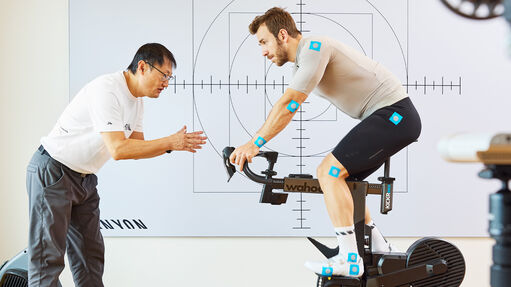
Measuring for seat height is key to a comfortable ride on your exercise bike. Proper seat height helps prevent strain on your knees and back. It also boosts your pedaling efficiency. You can adjust the seat height by using simple body landmarks as guides.
Using Hipbone As Reference
Stand next to your bike with your feet flat on the ground. Place your hands on your hips to find the hipbone. This bone feels firm and rounded. Adjust the seat so it aligns roughly with this hipbone level. This position helps keep your legs at a natural angle while pedaling.
Adjusting For Comfort
Start pedaling slowly after setting the seat height. Your knee should bend slightly at the bottom of each pedal stroke. Avoid locking your knee or feeling too cramped. Raise or lower the seat in small steps until you find a comfortable fit. Comfort ensures longer and safer workouts.
Frame Dimensions And Space
Choosing the right exercise bike means understanding its frame size. Frame dimensions affect comfort, performance, and space needs. This section covers key measurements to consider before buying.
Knowing the height, width, and depth of the bike helps you pick a model that fits your area. It also ensures safe and effective workouts.
Height, Width, Depth Considerations
Height affects how well the bike suits your body size. Adjustability in seat and handlebars helps fit different users.
Width is important for stability and space. A wider frame offers more balance but takes up more room.
Depth shows how far the bike extends front to back. This matters in tight spaces or rooms with limited floor area.
Measure the bike’s full dimensions, including pedals and handlebars, to avoid surprises.
Ensuring Adequate Room At Home
Check your available space before buying. Leave extra room for easy mounting and dismounting.
Allow space around the bike for movement and safety. Crowded areas can cause accidents.
Consider the bike’s storage needs if you plan to move it often. Wheels or foldable frames help save space.
Proper placement boosts your workout comfort and keeps your home organized.
Credit: www.canyon.com
Sizing Based On Rider Height
Choosing the right exercise bike size based on rider height is essential for comfort and effective workouts. Proper sizing ensures correct posture and reduces injury risk. It also helps you pedal efficiently and enjoy longer sessions without discomfort. This section explains how to match bike size with rider height and adjust for different body types.
Height Ranges And Corresponding Sizes
Exercise bikes come in various sizes to fit different heights. For riders under 5 feet, a small or compact bike usually works best. Those between 5 feet and 5 feet 7 inches fit medium-sized bikes well. Riders from 5 feet 8 inches to 6 feet need large or extra-large bikes. Bikes often list recommended height ranges to guide your choice. Selecting the right size helps maintain proper leg extension during pedaling.
Adjustments For Different Body Types
Body shape affects bike fit beyond height alone. People with longer legs might need a higher seat position. Those with shorter legs benefit from a lower seat height. The handlebar distance and height should also adjust to avoid leaning too far forward. Many bikes offer adjustable seats and handlebars to accommodate these differences. These features improve comfort and reduce strain on your back and knees.
Recumbent Vs Upright Bike Sizes
Choosing the right size for an exercise bike is essential for a safe and effective workout. Recumbent and upright bikes differ in size and shape. Understanding these differences helps select the best fit for your space and comfort needs.
Differences In Frame Design
Recumbent bikes have a larger, wider frame. Their design supports a reclined seating position with a backrest. This makes the bike bulkier but more comfortable for long sessions.
Upright bikes feature a compact, vertical frame. They mimic traditional bicycles with a smaller footprint. The seat is higher, and the rider leans forward slightly, saving space.
Choosing Based On Comfort And Space
Recumbent bikes suit users who want extra back support and a relaxed posture. They need more floor area and are ideal for home gyms with space.
Upright bikes fit smaller rooms or tight spaces. They offer a more intense workout but less comfort. Perfect for those with limited room and who prefer a classic cycling feel.
Setting Up Your Exercise Bike
Setting up your exercise bike correctly is key to a safe and effective workout. A proper setup helps avoid discomfort and injury. It also improves your performance and endurance.
Spend time adjusting your bike before starting your routine. Small changes can make a big difference in comfort and efficiency.
Proper Seat And Handlebar Positioning
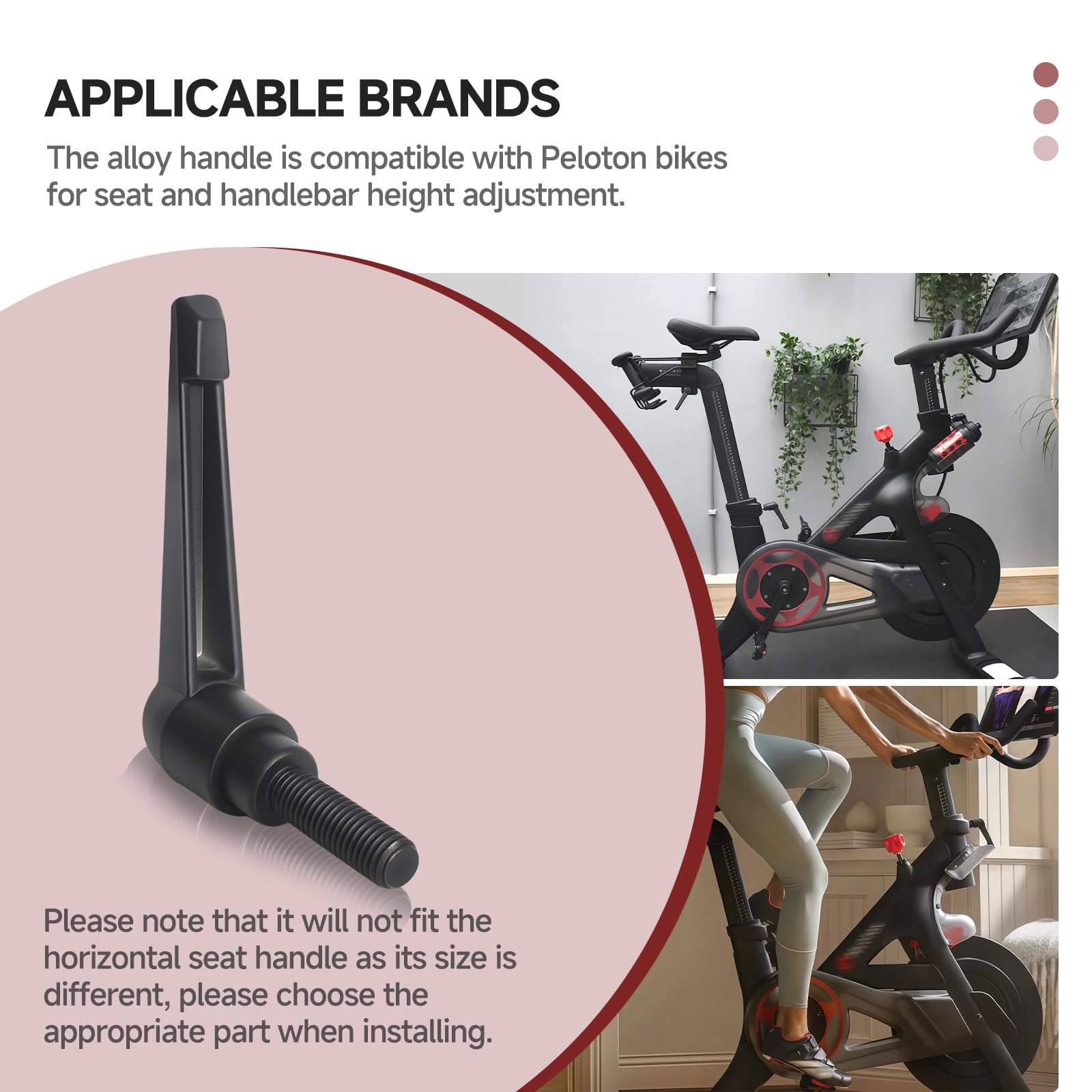
Start by adjusting the seat height. Stand next to the bike and set the seat level with your hip bone. This ensures your legs extend properly while pedaling.
Check the seat position forward or backward. Your knees should be slightly bent at the bottom of each pedal stroke. Avoid locking your knees.
Set the handlebars at a height that feels comfortable. They should not cause you to hunch your back or stretch too far forward. Your arms should be relaxed.
Fine-tuning For Efficiency
After initial adjustments, test your riding position. Pedal slowly and notice any pressure points or discomfort.
Adjust the seat angle slightly if you feel too much pressure on your sit bones. Tilt it forward or backward just a few degrees.
Check your pedal straps or clip-ins. Secure your feet firmly but not too tight. This helps maintain a smooth pedal stroke.
Make small changes and test again. A well-fitted bike helps you pedal longer with less fatigue.
Health Benefits Of Correct Sizing
Choosing the correct size for your exercise bike affects your workout quality and health. A properly sized bike supports your body well during exercise. It helps you maintain good posture and reduces strain on muscles and joints. This leads to better results and fewer problems.
Correct sizing also makes pedaling easier and more comfortable. This encourages longer and more frequent workouts. The health benefits extend beyond fitness to overall well-being.
Improving Heart Health
Using a bike that fits you improves your heart workout. You can pedal smoothly and maintain a steady pace. This consistent activity strengthens your heart muscle. It also improves blood circulation and lowers blood pressure. A well-sized bike helps keep your heart healthy and reduces disease risk.
Reducing Injury Risks
Incorrect bike size can cause pain and injuries. A bike too tall or short forces your body into awkward positions. This stresses your knees, hips, and back. Proper sizing aligns your joints and muscles correctly. It lowers the chance of strains and overuse injuries. Staying safe means you can keep exercising regularly.

Credit: www.frogbikes.com
Using Size Charts And Guides
Using size charts and guides helps you pick the right exercise bike. It ensures comfort and prevents injuries. A well-fitted bike improves workout efficiency. It also keeps your posture correct during exercise.
Size charts show measurements like height, inseam, and seat height. Guides explain how to use these charts. Knowing where to find reliable charts and how to read them is important.
Where To Find Reliable Charts
Check the official websites of bike brands. They often provide detailed size charts. Sports stores and fitness equipment retailers offer useful guides too. Some fitness blogs and review sites share expert advice. Always choose charts that match your bike model.
How To Interpret Size Recommendations
Look for your height and inseam on the chart. Match these with the suggested bike size. Note the seat height and handlebar adjustment ranges. Choose a size that allows easy pedal reach. Make sure you can adjust the seat for comfort.
Follow the guide steps carefully to avoid guesswork. Proper sizing leads to better workouts and less strain. Use the chart as a starting point and test the bike if possible.
Tips For Testing Bike Fit
Testing the fit of an exercise bike is key to a comfortable workout. Proper fit helps avoid pain and injury. It also improves your exercise efficiency. Use these tips to check if the bike suits your body.
Trial Rides And Adjustments
Start with a short trial ride. Adjust the seat height so your knees bend slightly when pedaling. Set the handlebars at a comfortable level to avoid straining your back or shoulders. Make small changes and ride again. Repeat until you feel balanced and stable. Pay attention to how your legs and arms move. Smooth motion means good fit.
Listening To Your Body
Notice any discomfort during or after riding. Soreness in knees or hips signals poor seat height. Tightness in shoulders or neck means handlebars need adjusting. Your feet should rest flat on the pedals without strain. Stop if you feel sharp pain. Comfort is a sign the bike fits well. Trust your body’s signals to guide your setup.
Frequently Asked Questions
How To Size An Exercise Bike?
Adjust the seat height to align with your hip bone while standing next to the bike. Ensure your feet touch the pedals comfortably. Check the handlebar height for comfort. Confirm the bike frame fits your leg length for smooth pedaling.
Test ride to verify overall comfort and fit.
Is A Stationary Bike Good For Heart Patients?
A stationary bike strengthens the heart, improves circulation, and supports healthy blood pressure. Always consult a doctor before starting.
What Size Bike Should I Get Based On My Height?
Choose a bike size by matching your height to frame size: 4’10”-5’2″ = 13-15″, 5’3″-5’7″ = 16-18″, 5’8″-6’0″ = 19-21″, 6’1″+ = 22″+. Adjust seat height for comfort and efficient pedaling.
What Is The Best Exercise Bike For Parkinson’s Disease?
The best exercise bike for Parkinson’s disease is a recumbent bike with adjustable resistance and sturdy support. It ensures comfort and stability.
Conclusion
Choosing the right exercise bike size matters for comfort and safety. Adjust the seat height to match your hip bone level. Check the handlebar position to avoid strain while riding. A well-fitted bike helps you pedal smoothly and reduces injury risk.
Take your time measuring before buying. Enjoy your workouts with a bike that fits you well. Small details make a big difference in your exercise routine. Stay active and healthy with the proper bike size.
I am a certified fitness coach with over 10 years of experience helping people improve their strength, endurance, and overall health. Specializes in workout programming, weight training, fat loss, muscle building, home fitness, and evidence-based nutrition.My goal is to make fitness simple and practical through well-researched guides, honest product reviews, and actionable training advice.