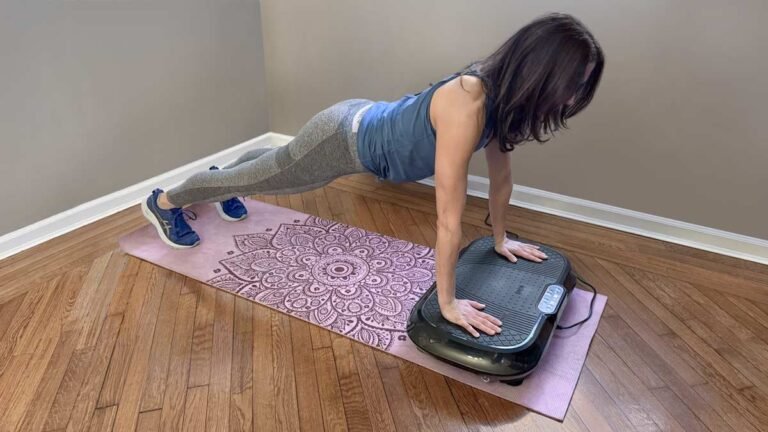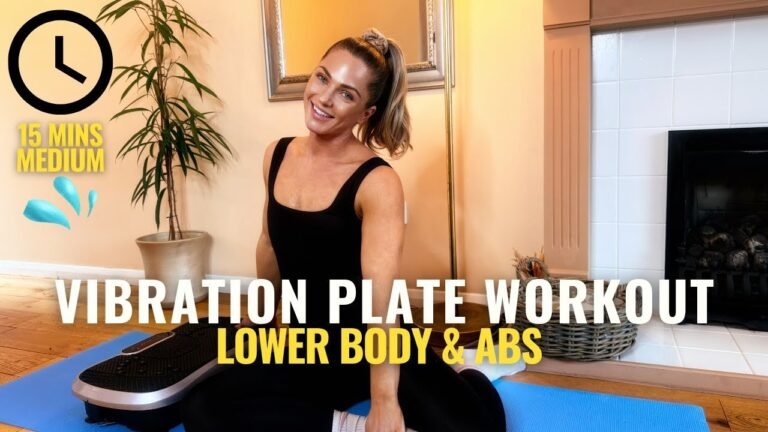
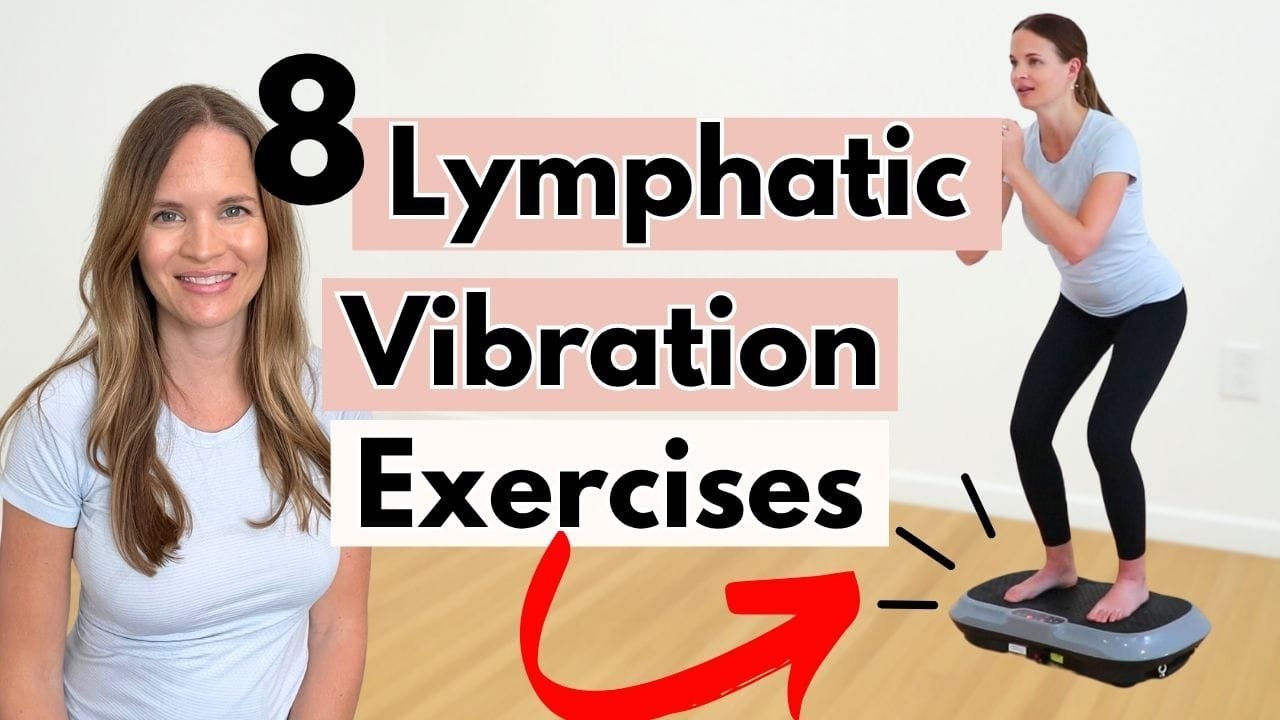
A vibration plate leg workout takes 15 to 20 minutes: 6 to 8 moves, 30 to 60 seconds each, with 30 seconds rest between sets. Set the plate to 30 Hz or lower if you’re new. This routine suits healthy adults who already walk or train a little.
What you need before you start
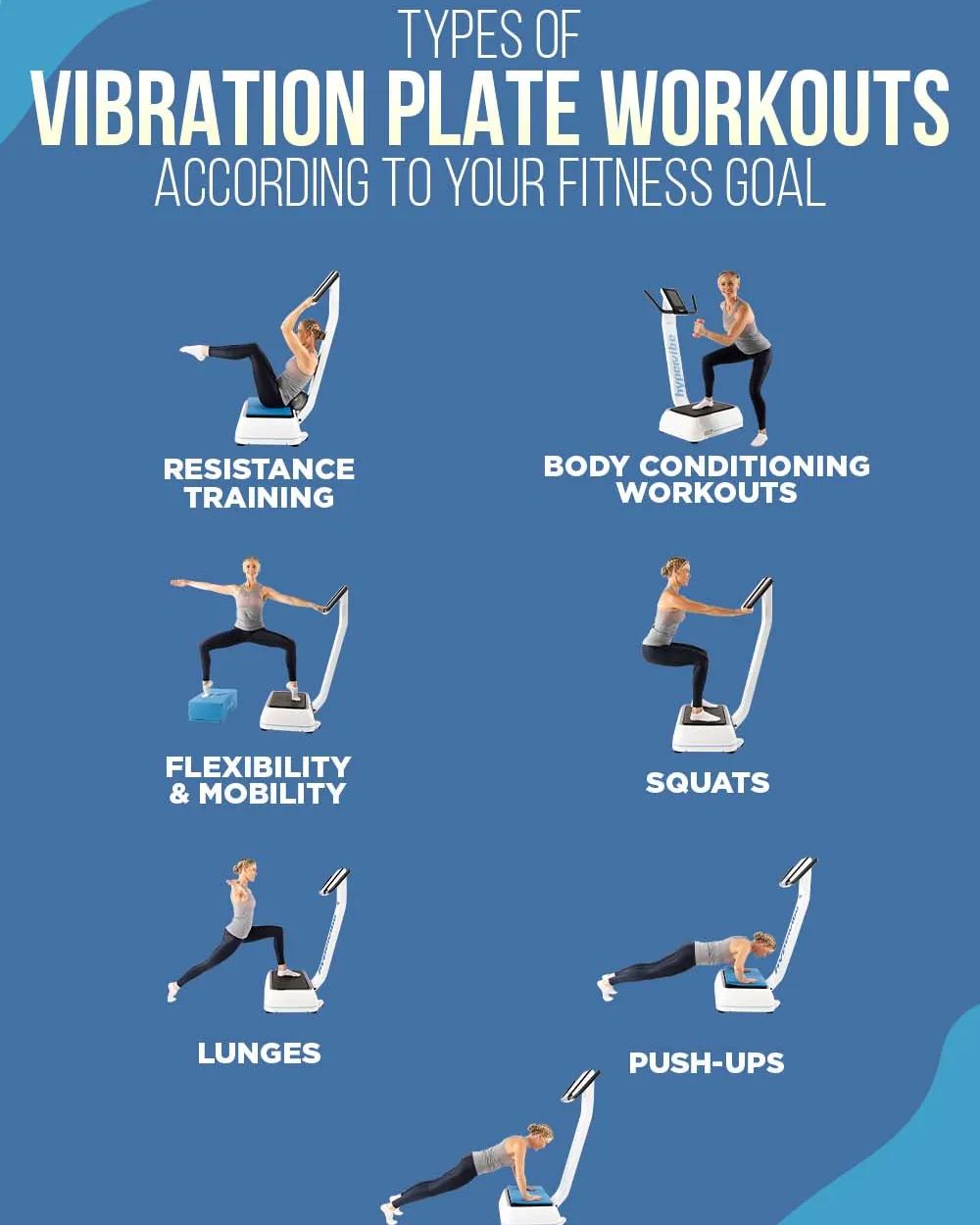
- A vibration plate — a vertical or pivotal model with a speed dial or preset levels. A plate with no adjustable speed won’t work for this.
- Sturdy shoes or bare feet — bare feet give better balance on most plates. Check your plate’s manual first, since some makers ask for shoes.
- A wall, chair or counter — within arm’s reach for balance in the first two weeks.
- A water bottle — you’ll sweat more than you expect.
- A timer or phone — for the 30 to 60 second intervals.
- A mat — for the floor work between plate sets.
- A doctor’s OK — if you’re pregnant, have a joint replacement, a hernia, or a heart condition. Ask your physician before you stand on a plate.
A chair works fine instead of a counter for balance. A wobble board doesn’t — it moves under you and adds a second balance problem you don’t need.
The leg workout, step by step
- Set the plate to its lowest speed and stand on it with both feet hip-width apart for 60 seconds. This is your warm-up. If your plate shows Hz, start at 20 to 30 Hz.
- Do 3 sets of 30-second partial squats. Bend your knees to about 45 degrees, keep your chest up, and hold. Add 10 seconds per set each week, up to 60 seconds.
-
Do 3 sets of 30-second calf raises. Rise onto the balls of your feet, hold at the top for 2 seconds, then lower slowly. Tip: Keep one hand on the wall for the first week. Balance fails before your legs do.
-
Do 2 sets of 30-second standing lunges, one leg forward, one back, on the plate. Switch legs between sets. If your knees hurt, shorten the stance.
- Do 2 sets of 30-second side steps, stepping on and off the plate at a slow, controlled pace.
-
Do 2 sets of 30-second glute bridges with your feet on the plate and your back on the floor. This is the safest move for anyone with balance problems. Careful: Never lock your knees straight on a plate. Keep a soft bend the whole time.
-
Cool down for 2 minutes with slow walking on the floor, then stretch your calves and thighs.
Stop and see a doctor if you feel dizzy, get a headache, or have joint pain that doesn’t settle within a day. Vibration plates aren’t a do-it-yourself tool for anyone with a spinal injury or a recent fracture.
How the routine changes with your situation
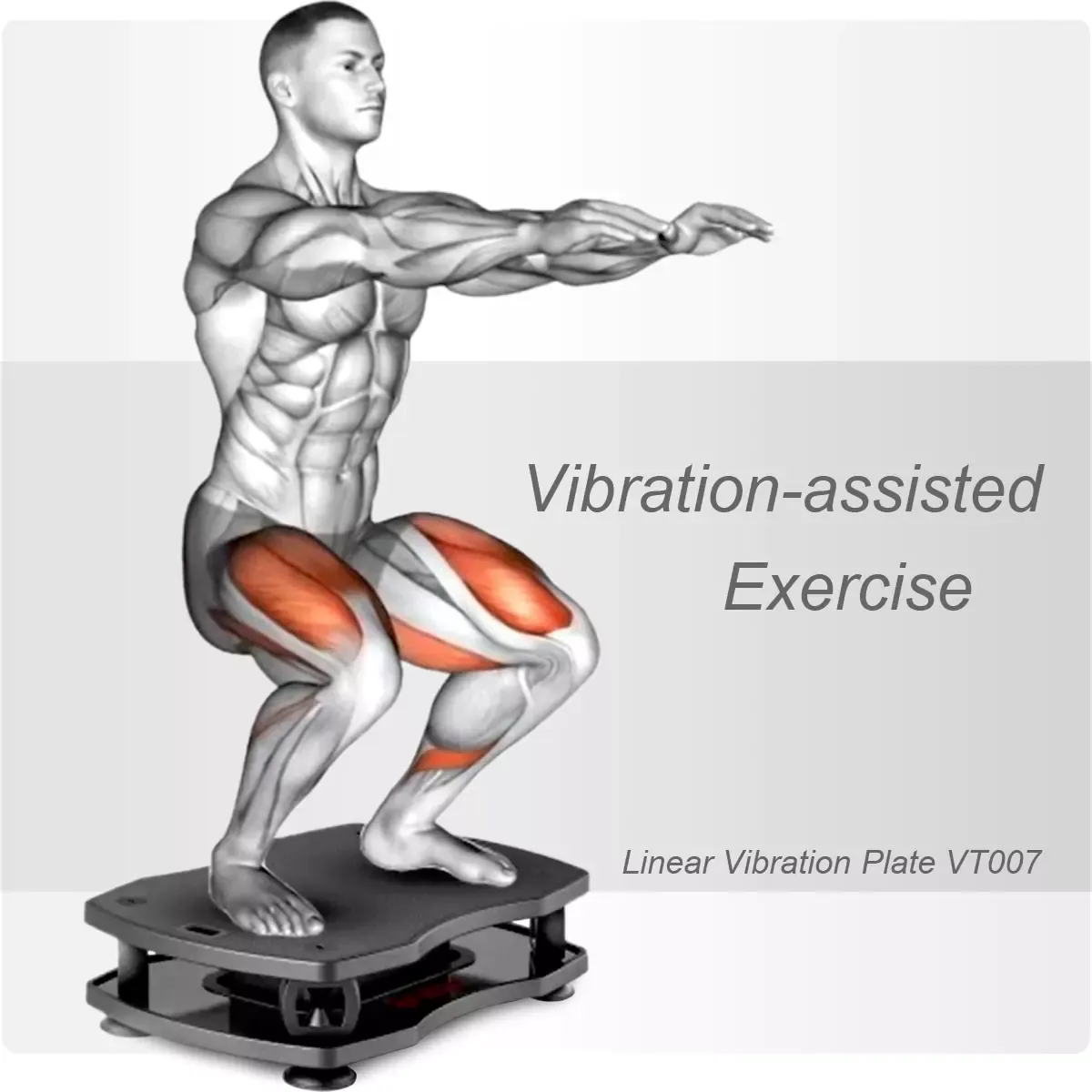
A beginner and a regular runner need very different settings on the same machine. The table below shows how time and effort shift with where you’re starting from.
| Your situation | Time per session | What’s different | What to watch |
|---|---|---|---|
| Complete beginner | 10-12 min | Lower speed, 20-25 Hz, more rest | Dizziness in the first 2 minutes |
| Already walks or lifts | 15-20 min | Standard speed, 30-40 Hz | Sore calves for 2-3 days |
| Over 60 or balance issues | 10 min | Seated or holding support | Foot numbness on the plate |
| Knee or hip problems | 8-10 min | Glute bridges only, no squats | Sharp pain, not muscle burn |
| Training for sport | 20-25 min | Higher speed, longer holds | Overtraining in week one |
Start with the shortest session your situation allows and add time only when the last one felt easy. Overshooting on day one costs you a week of sore legs and a lost habit.
Checking your form
A good session leaves your legs tired but steady, with no joint pain the next morning.
The common quality problem here is leaning on the handles or the wall for the whole set. Three things prevent it: keep your grip light, drop the speed one level, and shorten each hold by 10 seconds.
If your feet tingle during a set, step off and shake them out. That’s a sign the speed is too high for you right now.
Rules, cleanup and how long results last
Vibration plates carry a safety standard, and the U.S. Consumer Product Safety Commission publishes recalls and warnings for fitness equipment — check its site for your model before first use. After each session, wipe the plate with a damp cloth and unplug it. Put your mat and water back where they live, so the next session takes seconds to start.
Leg strength gains from this routine will gradually fade if you stop. Two sessions a week holds what you’ve built; three builds more. If your plate needs a repair, use the maker’s service — don’t open the housing yourself.
Other ways to get the same result

Swap the plate for bodyweight only
Drop the machine and do the same moves on the floor. It takes 5 minutes longer and builds strength without the vibration, but you lose the balance challenge.
Add light dumbbells
Hold 2 to 5 lb weights during squats and lunges on the plate. Sessions get harder in the same 15 minutes, but your balance gets shakier, so keep the wall close.
Book a physiotherapist
A physiotherapist can build a plate routine around an old injury or a weak knee. It costs more and takes a referral, but the plan fits your body instead of a general template.
Frequently asked questions
How long should a vibration plate leg workout be?
15 to 20 minutes for most healthy adults, at 30 to 40 Hz. Beginners should stay at 10 to 12 minutes and 20 to 25 Hz for the first two weeks, then add 2 minutes per week.
Can you build leg muscle on a vibration plate?
Yes, but less than with heavy weights. The plate adds a balance and reflex challenge to squats and lunges. Expect tone and endurance rather than big size gains.
Is a vibration plate safe for your knees?
For healthy knees, yes, at low speed with a soft knee bend. Skip it if you have an unhealed injury, a knee replacement, or pain that gets worse during the set. Ask your doctor first.
Why do my legs itch on a vibration plate?
Itching usually comes from blood flow returning to muscles that aren’t used to the work. It fades in a few sessions. If it comes with a rash or swelling, stop and see a doctor.
How often should you do it?
Two to three times a week, with a rest day between sessions. Daily use at high speed raises your risk of sore tendons and doesn’t build legs any faster.
What happens if you use it every day?
Daily high-speed sessions can leave your calves and shins sore and slow your recovery. Daily low-speed use for 10 minutes is usually fine.
Do you need shoes on a vibration plate?
Check your plate’s manual. Many makers say bare feet or socks work best for balance and grip. Others ask for shoes. Follow the maker’s instruction for your model.
Conclusion
The routine works best when you treat it as one part of a week that already has walking or lifting in it. Keep the speed low, keep the holds short, and add time only when the last session felt easy. Your legs will tell you if you went too fast.
I am a certified fitness coach with over 10 years of experience helping people improve their strength, endurance, and overall health. Specializes in workout programming, weight training, fat loss, muscle building, home fitness, and evidence-based nutrition.My goal is to make fitness simple and practical through well-researched guides, honest product reviews, and actionable training advice.