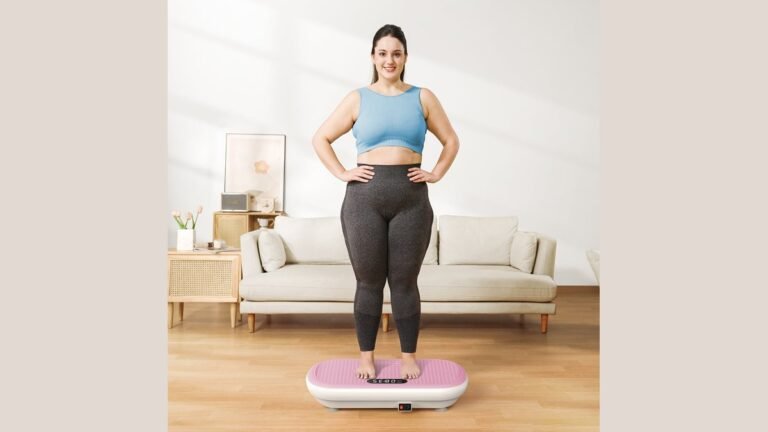
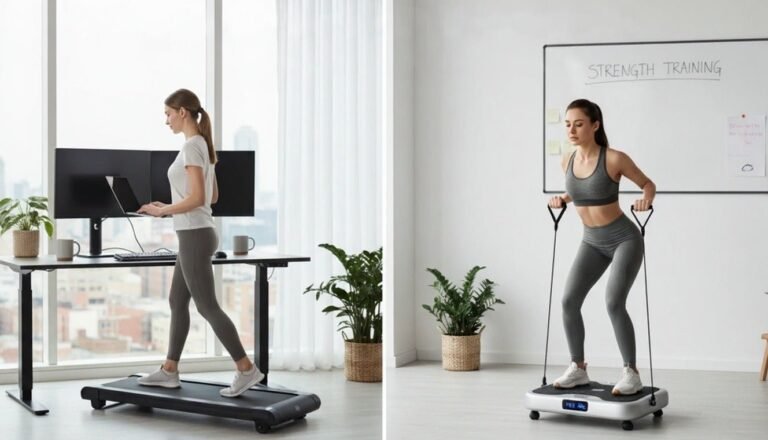
The vibration plate NASA origin story starts with a real problem: astronauts lose bone and muscle fast in weightlessness, and NASA-funded researchers tested whether standing on a vibrating platform could slow that loss.
What’s inside a vibration plate

A vibration plate looks simple, but every part has one job. Here are the parts that matter most.
| Part or input | What it does | What you notice when it goes wrong |
|---|---|---|
| Motor | Creates the shaking force under your feet | Weak or uneven shaking, burning smell |
| Platform deck | Carries your weight and passes vibration into your body | Cracks, creaking, wobbling at the edges |
| Frequency setting | Controls how many shakes happen each second, in Hz | Too harsh on joints, or no feeling at all |
| Amplitude setting | Controls how far the platform moves each shake | Too strong, tingling in feet, or barely a buzz |
| Rubber feet or dampers | Keep the shaking in the plate, not your floor | Loud noise, the plate “walks” across the room |
| Control panel or remote | Lets you pick time, frequency and amplitude | Buttons stop responding, timer cuts out early |
How a session actually works
One full session follows the same path every time. The exact numbers below assume a typical home plate with a 10–15 Hz low end and a 40–60 Hz high end; cheaper or heavier machines sit lower, so check the sticker on your own plate.
- Set the machine on a hard floor with all four rubber feet flat; this takes under a minute and stops most noise problems.
- Choose a session length; most home routines run 10 minutes, and beginners often start with 5.
- Pick a starting frequency; first-timers usually stay between 10 and 20 Hz, where the movement feels gentle.
- Stand on the deck with bare feet or thin shoes, knees slightly bent, so your legs absorb the movement.
- The motor ramps up over a few seconds and the deck begins oscillating at your chosen setting.
- Your muscles tense and relax reflexively many times per second; you’ll feel it in your calves and thighs first.
- Shift your stance or add positions — squat, calves, hands for arms — spending 1–2 minutes on each.
- The timer ends the session and the deck winds down; step off and let any tingling in your feet settle.
Why NASA gets credit for the vibration plate

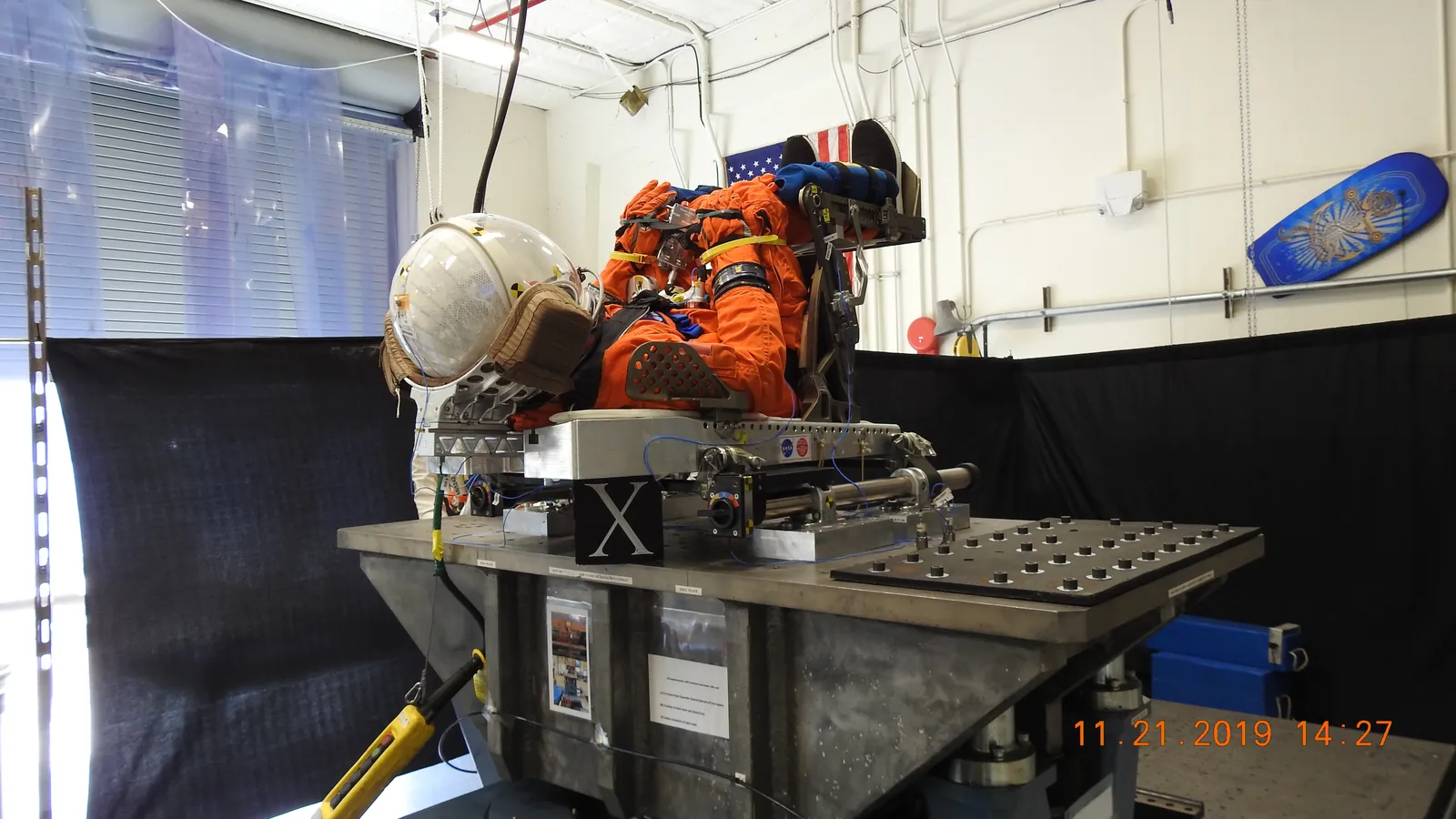
In weightlessness, bones and muscles lose the daily loading they need. NASA-funded researchers asked whether mechanical vibration could stand in for that missing load. In a well-known study published in The FASEB Journal in 2010, rats that received brief daily vibration sessions kept more bone and muscle than animals that got none.
That’s the honest link: space research made vibration a serious scientific question, and consumer companies ran with it. But the home plates you can buy aren’t the medical machines used in those labs. Lab studies used controlled frequencies and measured doses; a home plate gives you a motor and a timer.
What you can change, and what you can’t
You control more than you might think, but some things are fixed by design.
What you control:
- Session length — 5 to 15 minutes covers almost every home routine; more isn’t better.
- Frequency — start low, around 10–20 Hz, and only raise it if it feels comfortable.
- Your stance — bent knees soften the shake; locked knees send it straight up your spine.
- Position variety — calves, squats, hands on the deck for arms.
- When you use it — before gentle exercise as a warm-up, or on its own.
What’s fixed by design:
- The motor’s maximum frequency and amplitude — you can’t exceed what the plate was built for.
- The deck size — a small plate limits your stance, period.
- The machine’s weight limit — check the plate’s own label or manual; exceeding it damages the deck.
- The dose the research actually tested — lab protocols don’t transfer one-to-one to home plates.
One line you shouldn’t cross: if you’re pregnant, have a pacemaker, recent surgery, blood clots, or severe osteoporosis, vibration therapy isn’t a do-it-yourself decision. Talk to your doctor first — that’s their job, not the manual’s.
Getting more out of your plate
A few habits follow straight from how the machine works. Keep sessions to 10 minutes unless your plate’s manual says more. Keep your knees soft, because locked legs pass the shake into your back. Stand on the deck, not the floor beside it. Check the rubber feet monthly. If your feet tingle or your knees ache afterwards, drop the frequency by 5 Hz next time.
Related guides
- Weight Plates Kg Vs Lbs Conversion
- How to Store Stair Stepper for Space-Saving
- Weight Plates Workout Routines for Beginners at Home
Frequently asked questions
Did NASA invent the vibration plate?
No. Vibration exercise existed before NASA’s research — Russian teams used vibration training with cosmonauts decades earlier. NASA-funded studies added scientific weight, but consumer plates came from the fitness industry.
Why do astronauts need vibration exercise?
In weightlessness, bones and muscles lose strength. Researchers tested vibration as mechanical stimulation without weights. It’s one of several approaches.
How long should you stand on a vibration plate?
About 10 minutes per session is the common home routine. Your plate’s manual sets the cap for your model.
Is it safe to use every day?
For most healthy adults, short daily sessions are generally fine. If you have osteoporosis, a pacemaker, are pregnant, or recently had surgery, ask a doctor.
What happens if you use a vibration plate too long?
You risk sore joints, tingling feet, and strain on your back and knees. The research doses were short and controlled, so longer sessions mostly buy discomfort.
Does it matter what frequency you use?
Yes. Lower settings around 10–20 Hz suit beginners; higher settings above 40 Hz feel much stronger. The right value shakes your muscles without jarring your joints.
Can a vibration plate replace exercise?
No. It can support a routine, but it doesn’t replace walking, strength work, or cardio. Treat it as one tool, not the whole toolbox.
Conclusion
The NASA story is worth knowing because it sets the right expectation: vibration was studied seriously, under lab conditions, for a medical problem. Use it gently, briefly and often, and you’ll get what it can actually give.

I am a certified fitness coach with over 10 years of experience helping people improve their strength, endurance, and overall health. Specializes in workout programming, weight training, fat loss, muscle building, home fitness, and evidence-based nutrition.My goal is to make fitness simple and practical through well-researched guides, honest product reviews, and actionable training advice.