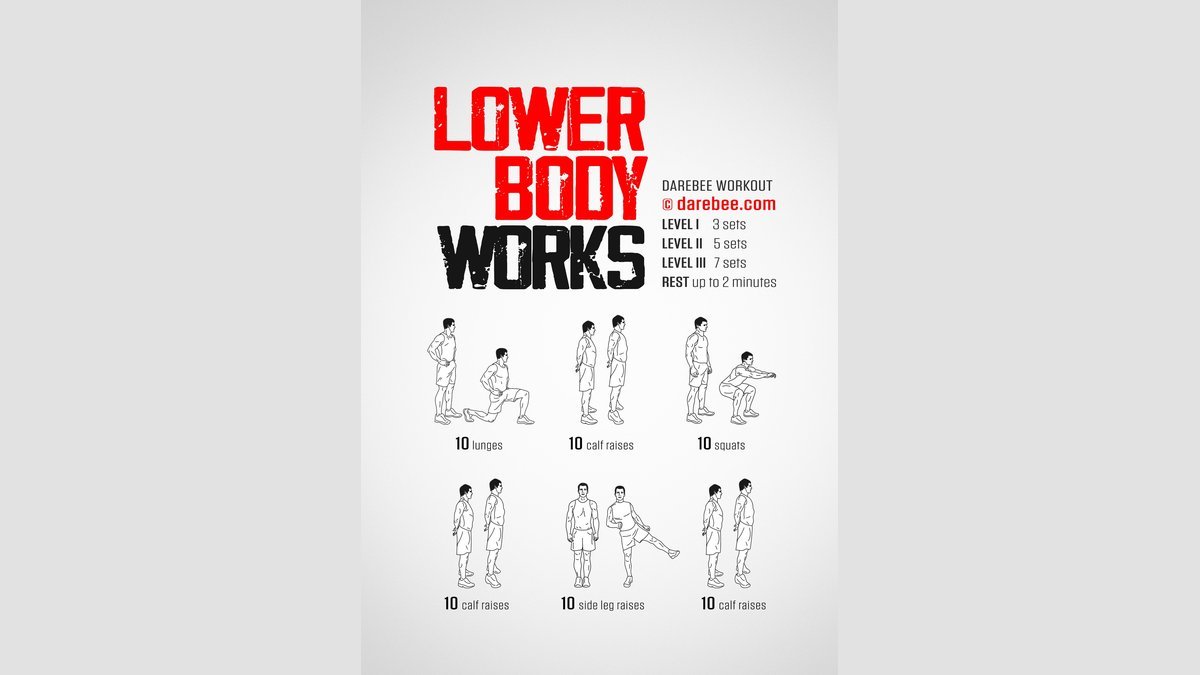
Lower body workouts train your legs, hips, and glutes, and most people get good results with 2 to 3 sessions a week. Each session needs 3 to 5 exercises, 2 to 4 sets each, and 6 to 15 reps per set. This guide covers the method, the numbers, and the fixes.
What lower body training really is
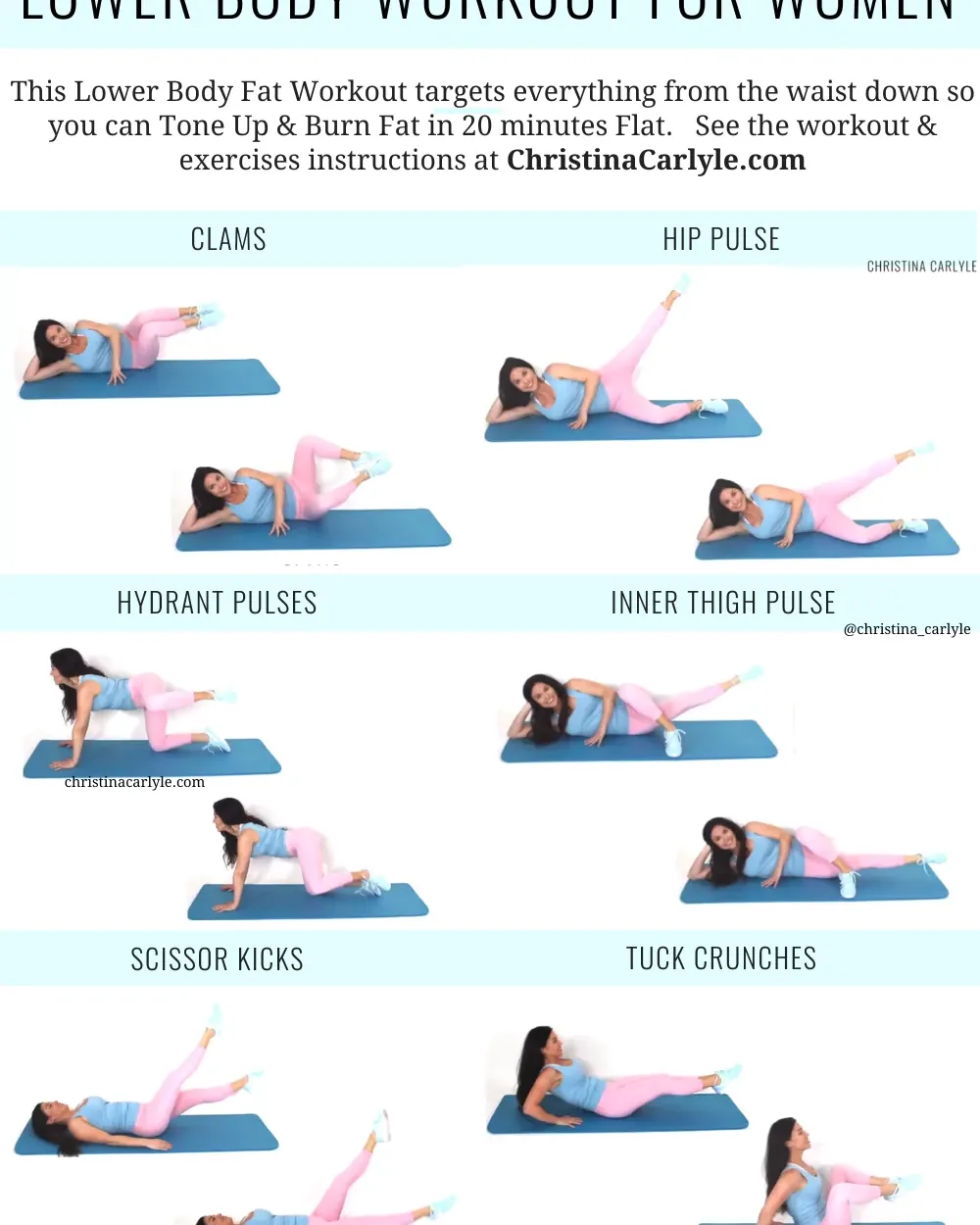
Lower body workouts are strength sessions that target your quads, hamstrings, glutes, calves, and hips. You use them to build muscle, get stronger, or improve how you move in daily life and sport.
They’re for anyone who can walk, squat to a chair, and hold a stable position. Beginners start with bodyweight. People with gym access add barbells and machines.
The big misconception is that leg day is only for looks. Strong legs carry your whole body, and that’s the part people skip. Muscle grows when you load it and then let it recover, so rest days aren’t lost days.
How to run a lower body session
- Warm up for 5 to 10 minutes: walk, cycle, or do 10 bodyweight squats and 10 hip bridges.
- Do a squat pattern first, while you’re fresh: 3 sets of 8 to 12 reps.
- Add a hip hinge: Romanian deadlifts or good mornings, 3 sets of 8 to 10 reps.
- Train one leg at a time: split squats or step-ups, 2 to 3 sets of 8 to 12 reps per side.
- Finish with a hip thrust or glute bridge, 3 sets of 10 to 15 reps.
- Add calves last: 3 sets of 12 to 20 reps.
- Cool down for 5 minutes and stretch what feels tight.
Rest 60 to 90 seconds between sets on lighter work, and 2 to 3 minutes on heavy squats or deadlifts.
The judgement call is load, not exercise choice. Pick a weight where the last 2 reps feel hard but your form still holds. If your knees cave in or your back rounds, the weight is too heavy. Heavy barbell work needs coaching — a certified trainer or a physiotherapist is the right person to teach it.
Lower body numbers at a glance
Use this as a starting point and adjust up or down based on how you feel in the last set.
| Situation | What to use | How long | What to watch for |
|---|---|---|---|
| Complete beginner | Bodyweight only | 20-25 min | Stop 2 reps before failure |
| Building muscle | Barbell or dumbbells, 8-12 reps | 45-60 min | Slow, controlled lowering phase |
| Getting stronger | Heavy load, 3-5 reps | 60-75 min | Needs a spotter or rack safeties |
| Home, no equipment | Bands and single-leg moves | 25-35 min | Don’t rush the reps |
| Knee pain | Shallow range, machines | 30-40 min | Pain that sharpens means stop |
| Time-crunched | 3 compound lifts | 20-30 min | Cut rest, not warm-up |
| Older adult | Chair squats, light load | 20-30 min | Balance before load |
What good form looks like
Experienced lifters spend their warm-up on the movement they’re about to load. They do 2 or 3 ramp-up sets at lighter weight before the first working set.
They also keep the same order every week. Compound lifts first, isolation last.
Partway through, they check one thing: is the target muscle doing the work, or is my lower back taking over? If the back takes over, they drop the weight and slow down.
What they leave alone
They don’t chase soreness. Soreness isn’t a scorecard, and training hard while still very sore raises injury risk. They also don’t change exercises every week. Repeating a lift for 4 to 6 weeks is how you actually get better at it.
Common problems and quick fixes
| What you notice | What it usually means | What to do first |
|---|---|---|
| Knees cave inward on squats | Load is too heavy for your control | Drop the weight 20% and push knees out |
| Lower back aches after hinging | Hips are moving before the bar | Relearn the hip hinge with a light bar |
| No soreness at all | Range is short or load is light | Add 2 reps per set or slow the lowering |
| Sharp knee pain | Something is irritated | Stop and see a doctor or physio |
| Progress stalled for weeks | Same weight, same reps | Add 2.5 kg or 1 rep per week |
The rules and safety limits
Form beats weight every time, and pain isn’t part of the plan. The American College of Sports Medicine recommends resistance training for most adults, and its physical activity guidelines set out the weekly targets. If you have a heart condition, a joint replacement, or you’re pregnant, get clearance from your doctor before you start loading. A physiotherapist handles knee, hip, or back pain that doesn’t settle.
Keeping progress going
Track your sets, reps, and weight in a notebook or app, and review it every week. Add a small amount — 1 rep or 2.5 kg — when you hit the top of your rep range with good form. If you stop for 2 weeks or more, come back at about 70% of your old weight for the first session. Muscle keeps some memory, so you’ll rebuild faster than the first time.
When lower body workouts are wrong
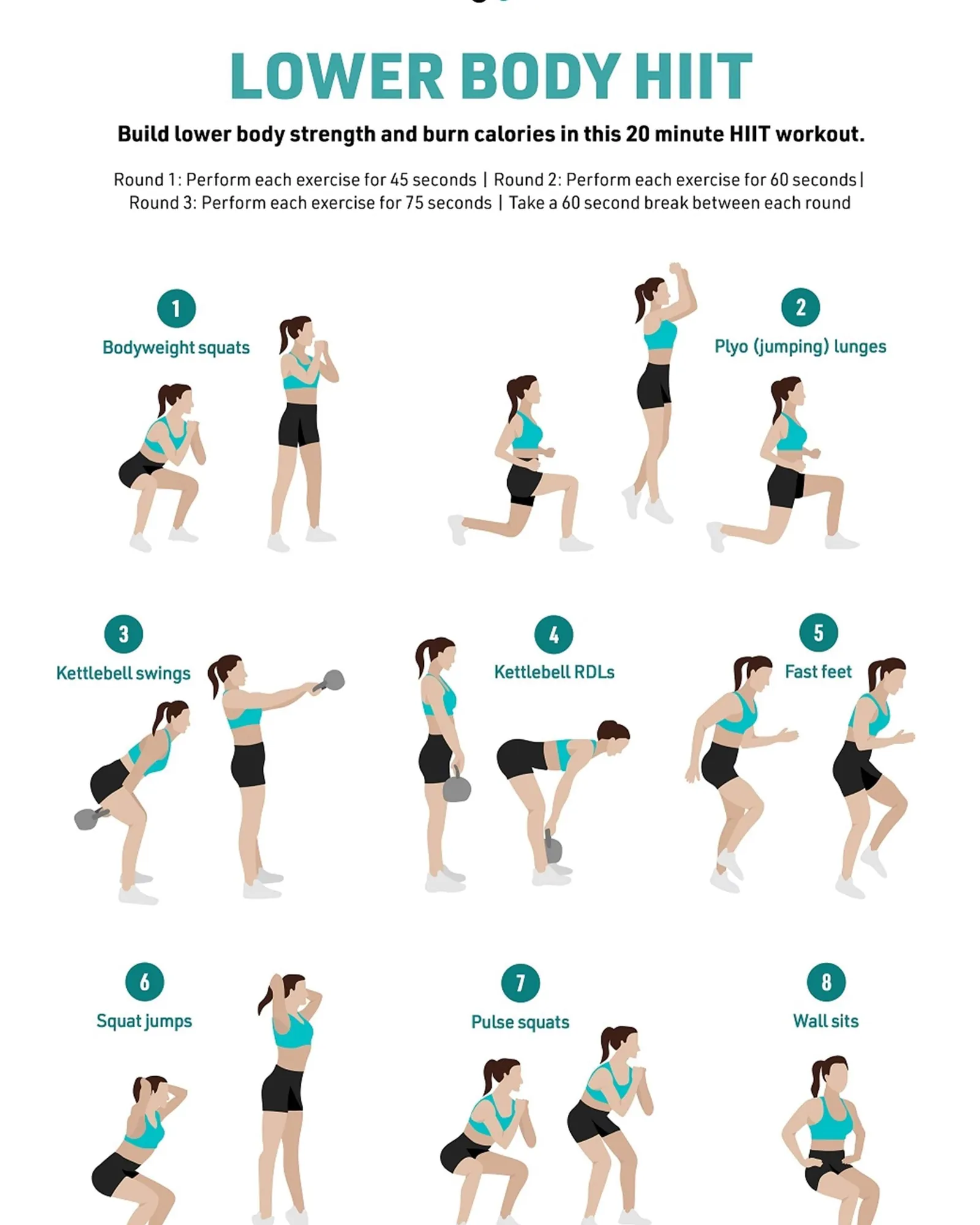
Skip loaded leg work if you have an untreated injury, a recent fracture, or a joint that’s swollen and hot — see a doctor first. If your goal is pure fat loss, diet drives that more than any single workout. And if you’re training for a marathon, heavy leg day close to a long run hurts both. Do light legs or move it further from race day.
Related guides
- 30-Day Workout Plan for Fast Results & Total Body Fitness
- Best Barbell Set for Body Pump: Top Adjustable Weights for Home Workouts
- Best Weight Bench Set for Home With Weights: Ultimate Full-Body Workout Guide
Frequently asked questions
How many lower body workouts should I do a week?
Two to 3 sessions a week works for most people, with at least one rest day between them. Beginners can start with 2 and add a third after 4 weeks.
How long does a lower body workout take?
About 45 to 60 minutes for a full session with 5 exercises, including warm-up. A short version with 3 lifts takes 20 to 30 minutes.
Is it safe to train legs every day?
No. Your muscles need 48 hours to recover between hard sessions. Daily light movement like walking is fine, but heavy lifting every day isn’t.
Why am I not sore after leg day?
Soreness fades as your body adapts, so no soreness doesn’t mean no progress. Check your log instead — if reps or weight are going up, you’re improving.
What happens if I skip leg day for a month?
You’ll lose some strength and muscle, but it comes back faster than it built the first time. Restart at about 70% of your old weight.
Can I build legs at home without weights?
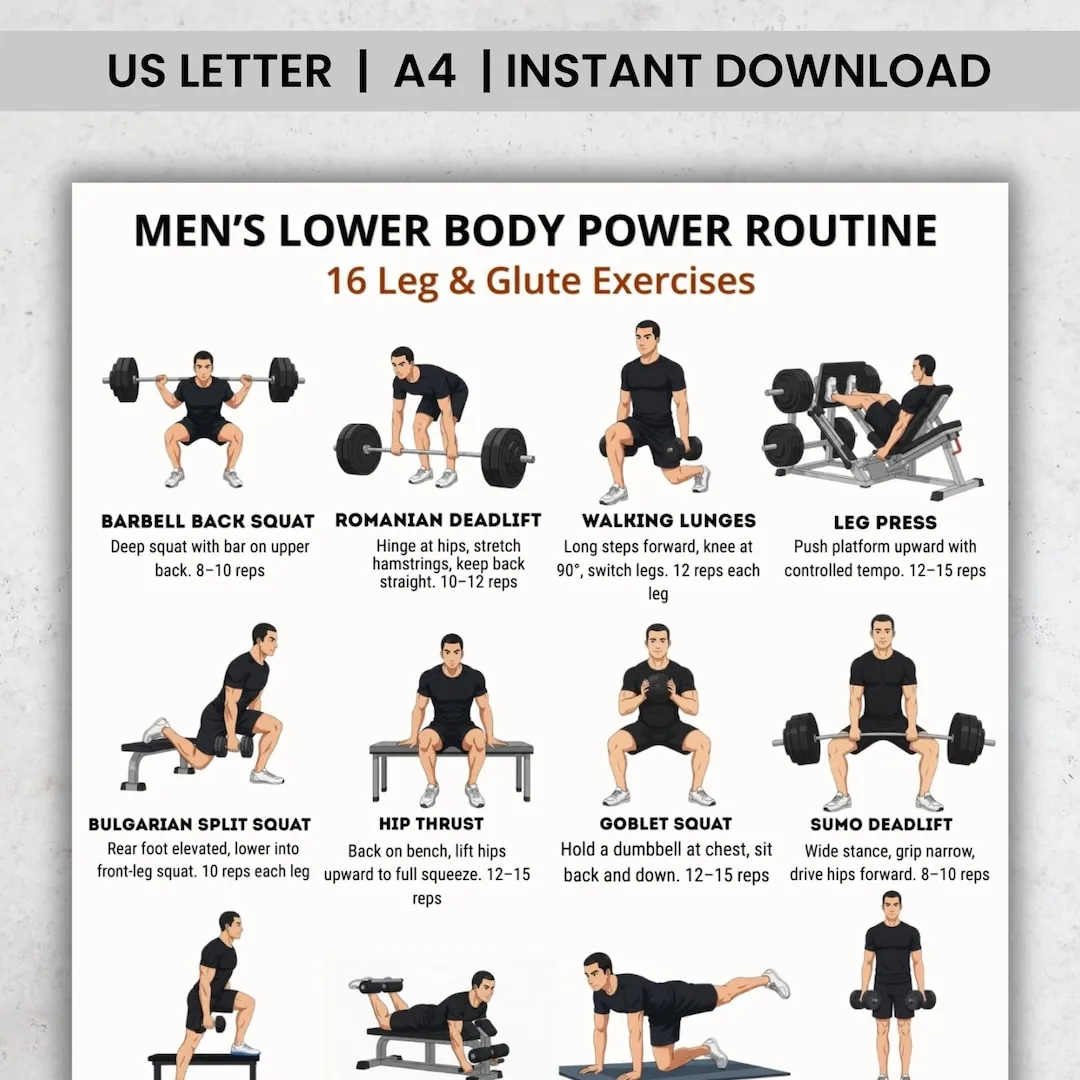
Yes. Single-leg squats, step-ups, hip thrusts, and bands all add load. Progress by adding reps, slowing the lowering phase, or using a harder band.
Should I do cardio before or after legs?
After, or on a separate day. Hard cardio first tires your legs and cuts the weight you can lift, which lowers the training effect.
Conclusion
Pick 4 to 6 exercises you can repeat every week, add weight slowly, and let the rest days do their job. The plan that works is the one you can still follow in three months.

I am a certified fitness coach with over 10 years of experience helping people improve their strength, endurance, and overall health. Specializes in workout programming, weight training, fat loss, muscle building, home fitness, and evidence-based nutrition.My goal is to make fitness simple and practical through well-researched guides, honest product reviews, and actionable training advice.