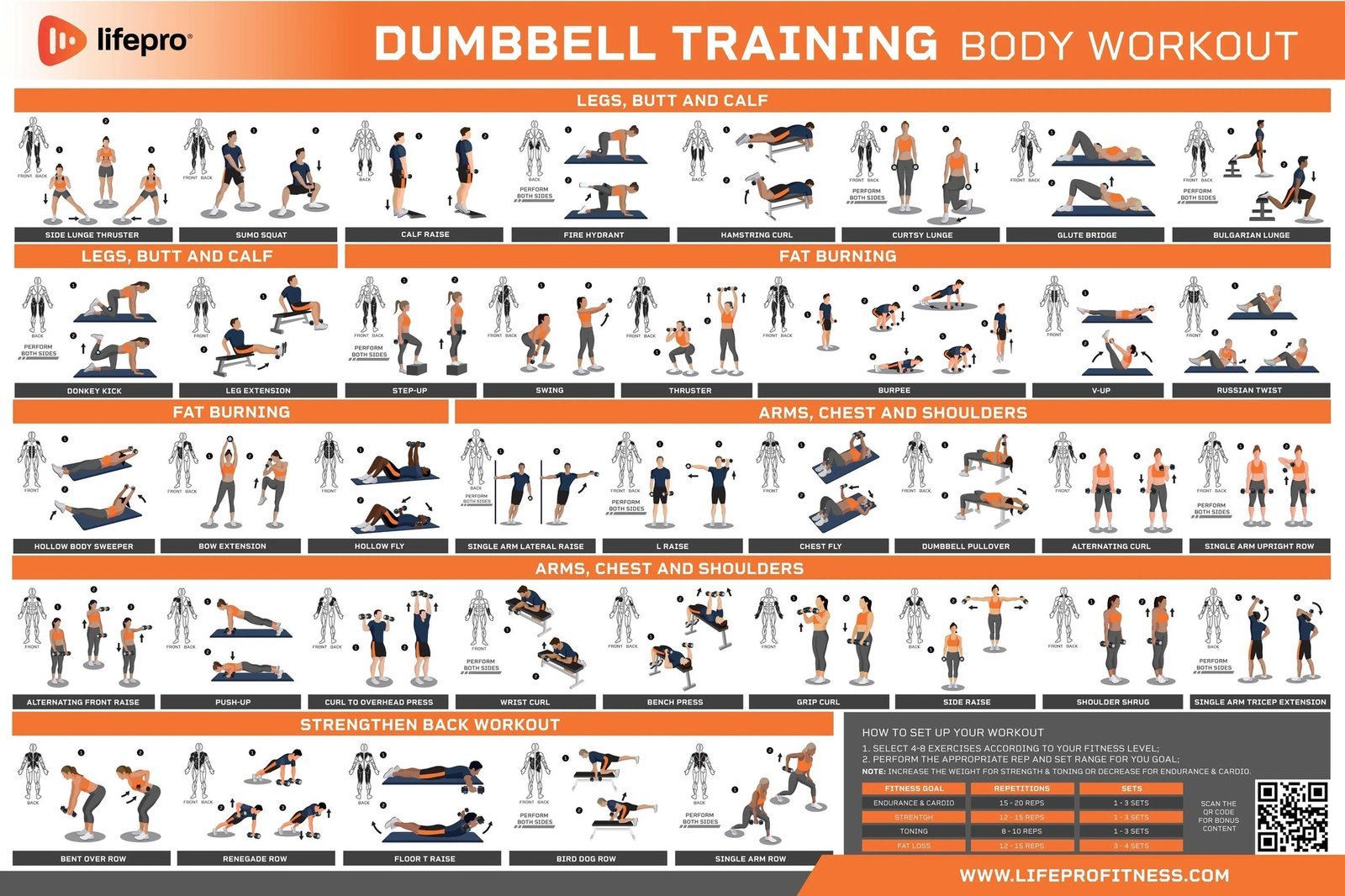
A good home gym program trains your whole body three days a week, with rest days between sessions, and you can run it with nothing more than a set of adjustable dumbbells, a bench, and about 40 minutes each time. That’s the whole answer. Everything below shows you how to set it up, run it, and fix it when it stalls.
If you have no equipment at all, the same program works with bodyweight moves — you’ll just outgrow it faster. If you already have a rack or a barbell, you can swap the dumbbell presses for barbell versions.
What you need before you start
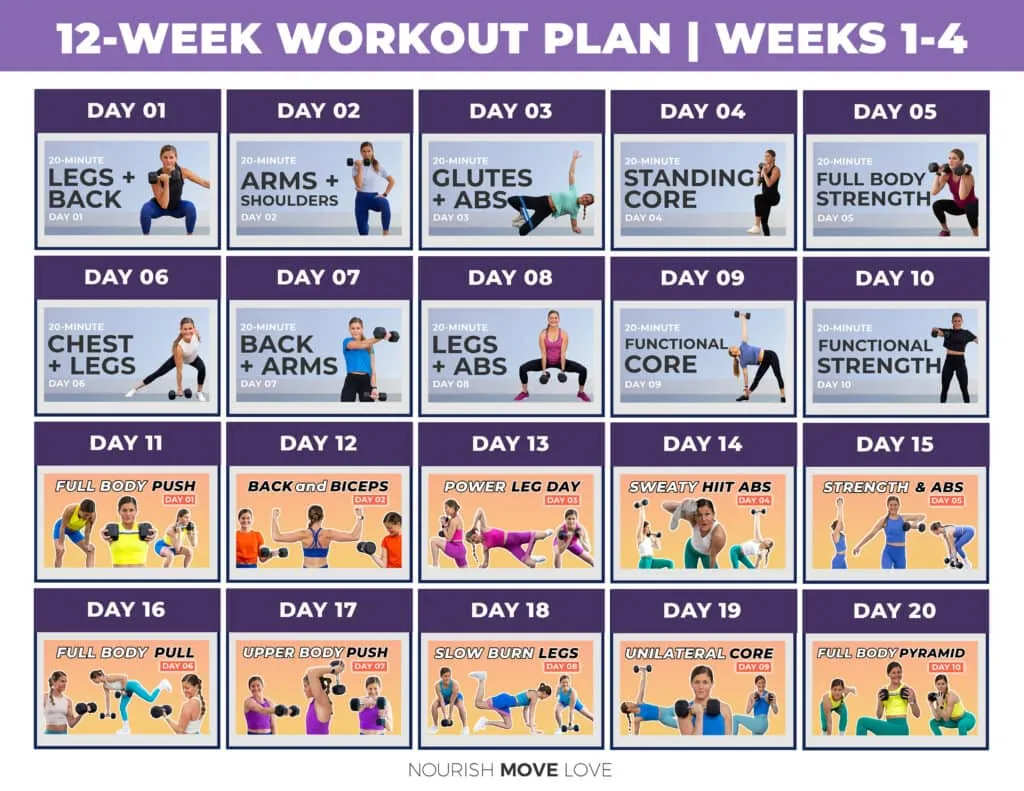
You don’t need much floor space — about 2 by 2.5 metres clears most moves. Here’s the full kit list, with what you can and can’t substitute.
| Item | How much | Why it’s needed | A substitute |
|---|---|---|---|
| Adjustable dumbbells | 1 pair, up to 20 kg each | Main resistance for every lift | Fixed dumbbell sets |
| Flat bench | 1, sturdy | Presses, rows, step-ups | Any stable bench-height surface |
| Exercise mat | 1 | Floor work, comfort | Thick carpet or towel |
| Pull-up bar | 1, door-mounted | Back and arm work | Resistance-band pulldowns |
| Resistance bands | 2-3, light to heavy | Warm-ups, assisted pull-ups | none — don’t swap this |
| Timer or phone | 1 | Tracking rest periods | Wall clock |
| Water bottle | 1 | Rest-day hydration | Any cup |
The one thing you must have before starting isn’t equipment — it’s clear floor space where nothing can roll under your feet mid-set. That’s how ankles get hurt.
Getting your space ready first
Preparation takes ten minutes and prevents most of the trouble. Do these before your first session.
- Clear the floor of cords, pets’ toys, and rugs that slide — a slipping mat is the most common home-gym injury.
- Check the ceiling height if you’ll press overhead; you need about 30 cm above your standing reach.
- Move anything glass or fragile out of a dumbbell’s drop radius, roughly one arm’s length around you.
- Tell someone in the house you’re training, or keep your phone within reach in case you’re alone and something goes wrong.
- One thing people skip: checking the bench or chair holds their weight without wobbling. Test it unloaded first.
Your weekly home gym program
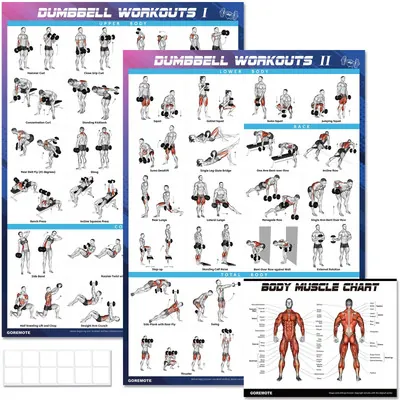
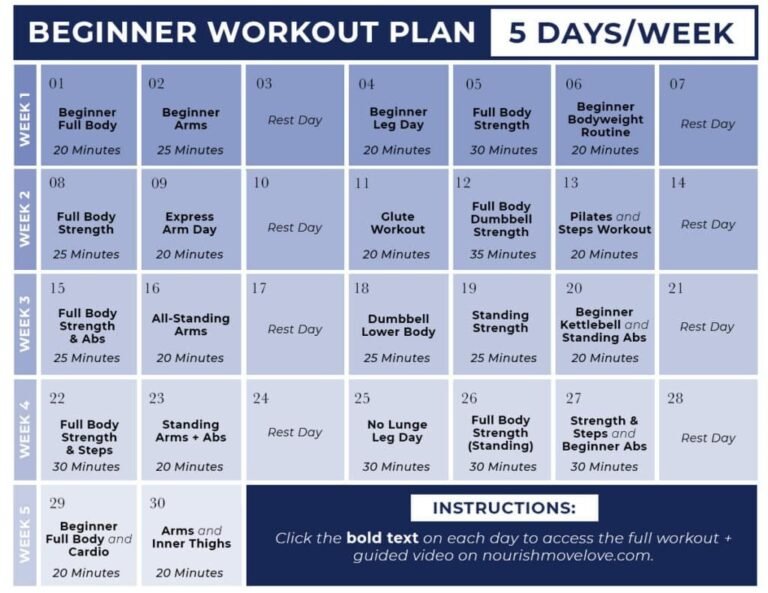
Three sessions a week — say Monday, Wednesday, Friday — with a rest day between each. Each session takes about 40 minutes. Rest 60-90 seconds between sets.
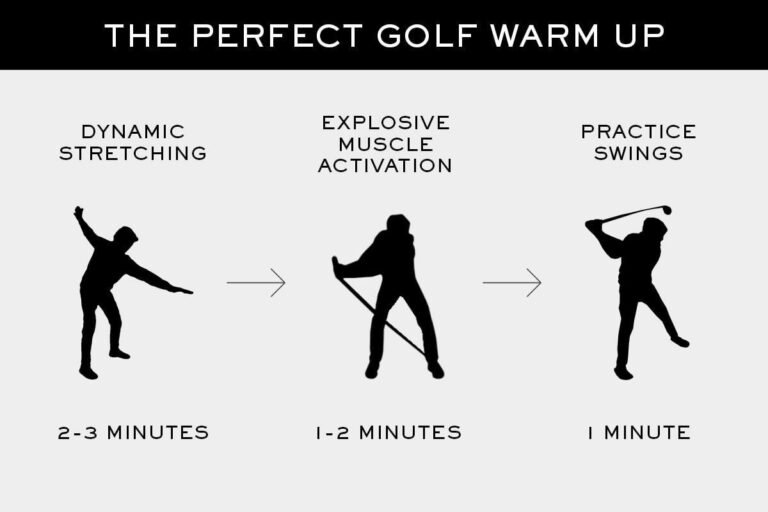
- Warm up, 5 minutes. March in place or skip rope, then swing your arms and hips. You’re warm when you’re breathing harder but can still talk.
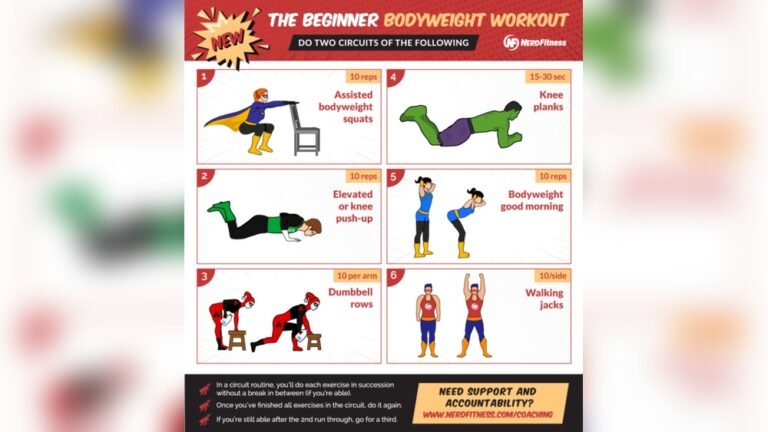
- Goblet squat, 3 sets of 8-12. Hold one dumbbell at your chest, squat until your thighs are near parallel. Stop when your form slows, not when you collapse.
- Push-up or dumbbell bench press, 3 sets of 8-12. Chest touches near the floor, or dumbbells reach chest level. If you can’t do 8 push-ups, put your knees down.
- One-arm dumbbell row, 3 sets of 8-12 per side. Brace on the bench, pull the weight to your hip. You’ve done it right when your shoulder blade moves, not just your arm.
- Romanian deadlift, 3 sets of 8-12. Hinge at the hips with a flat back, feel the stretch behind your thighs. Stop when your back starts rounding.
- Overhead press, 2 sets of 8-12. Press dumbbells straight up, ribs down. If the ceiling is low, do a seated press instead.
- Pull-up or band-assisted pull-up, 2 sets to near your limit. Chin over the bar counts. No bar? Use rows with a heavy band.
- Plank, 2 holds of 20-40 seconds. Flat back, elbows under shoulders. Done when you shake or your hips drop.
- Stretch, 3-5 minutes. Hit the thighs, chest, and hamstrings while you’re still warm. Hold each stretch about 20-30 seconds.
That’s one session. Repeat it three times a week, adding a little weight or a rep whenever the top of the range feels easy.
Signs the program is working
The clearest sign is the numbers: within 3-4 weeks you should add reps or weight to most exercises while keeping the same form. Recovery improves too — less next-day soreness by week three. If two weeks pass with no rep progress and you’re sleeping badly or dreading sessions, you need an easier week: cut the weights back about 20% for one week, then build again.
Health authorities recommend adults get at least 150 minutes of moderate activity a week plus two muscle-strengthening days — see the CDC physical activity guidelines for the full targets. This program covers the strength half; a brisk walk on rest days covers the rest.
When something goes wrong
Most problems here have simple fixes. Match your problem to the row below.
| What happened | Why | What to do |
|---|---|---|
| Sharp joint pain mid-set | Weight too heavy or form broke | Stop the set, drop weight 20%, retest next session |
| No progress after 3 weeks | Not enough food or sleep, or reps stuck low | Check sleep first, then add reps before weight |
| Dumbbells feel too light | You outgrew the starting weight | Slow the lowering phase to 3 seconds per rep |
| You keep skipping sessions | Program doesn’t fit your week | Move sessions; 2 a week still works |
| Wrist or lower-back ache | Core not braced on lifts | Lighten the load, practise bracing, see a physio if it lasts |
That last row matters: pain that lasts more than a few days, or pain that’s sharp rather than dull, is a stop sign. A physiotherapist or doctor should look at it before you train through it.
How often to train and when to change it
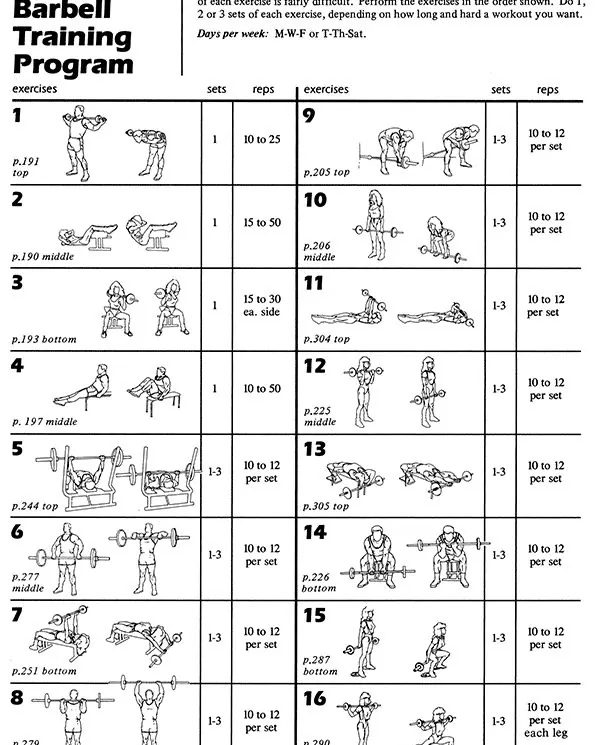
Three sessions a week on non-consecutive days is the standard, and it works for most people for months. Two things move that number. If you’re over 50, sore for two days after each session, or new to training, start with two sessions a week. Once three sessions feel easy for four straight weeks, add a fourth short one or add weight.
Related guides
- The Best Barbell Weight Set for 5X5 Strength Training at Home
- Best Dumbbells for Weight Training: Top Picks for Home Gym Strength
Frequently asked questions
How long does a home gym workout take?
About 40 minutes per session, including a 5-minute warm-up and a short stretch. If you’re short on time, cut to two sets per exercise and you’ll finish in roughly 25 minutes.
Can you build muscle with just dumbbells at home?
Yes. Dumbbells train every major muscle group, and muscle grows from progressive overload, not from a specific machine. You’ll eventually want heavier weights or harder variations to keep progressing.
Is it safe to work out at home alone?
Yes, if you skip lifts you can’t safely fail out of and keep your phone nearby. Don’t attempt heavy barbell presses without a spotter or safety arms — that’s the one real risk in a home setup.
What happens if I miss a week?
Almost nothing. Strength holds for about two weeks of rest. Resume at roughly 80% of your last weights for the first session back, then return to normal.
Does it matter what time of day I train?
No. Performance differences between morning and evening are small compared with the difference between training and not training. Pick the time you’ll actually keep.
How heavy should my dumbbells be?
Heavy enough that 8 reps feel hard but doable with good form. For most beginners that’s somewhere in the 5-15 kg range per hand, but the rep test decides it, not a number on a chart.
How long before I see results?
Strength gains show in 2-4 weeks; visible muscle changes usually take 8-12 weeks of consistent training. Photos every four weeks tell you more than the mirror does.
Conclusion
Start this week with session one, even if the only weight you own is a filled backpack. The program works because you repeat it, not because you perfect it — and the first three sessions matter far more than the perfect plan you never start.
I am a certified fitness coach with over 10 years of experience helping people improve their strength, endurance, and overall health. Specializes in workout programming, weight training, fat loss, muscle building, home fitness, and evidence-based nutrition.My goal is to make fitness simple and practical through well-researched guides, honest product reviews, and actionable training advice.