Fat burning comes down to one simple idea: your body burns stored fat for fuel when you take in fewer calories than you use. That gap, plus steady movement, does most of the work. How fast it happens depends on your size, your food, your sleep, and how much you move each day.
What fat burning really means
Fat burning is your body pulling energy out of fat cells instead of using the food you just ate. Your body stores extra energy as fat, then releases it when you need fuel and food isn’t coming in fast enough.
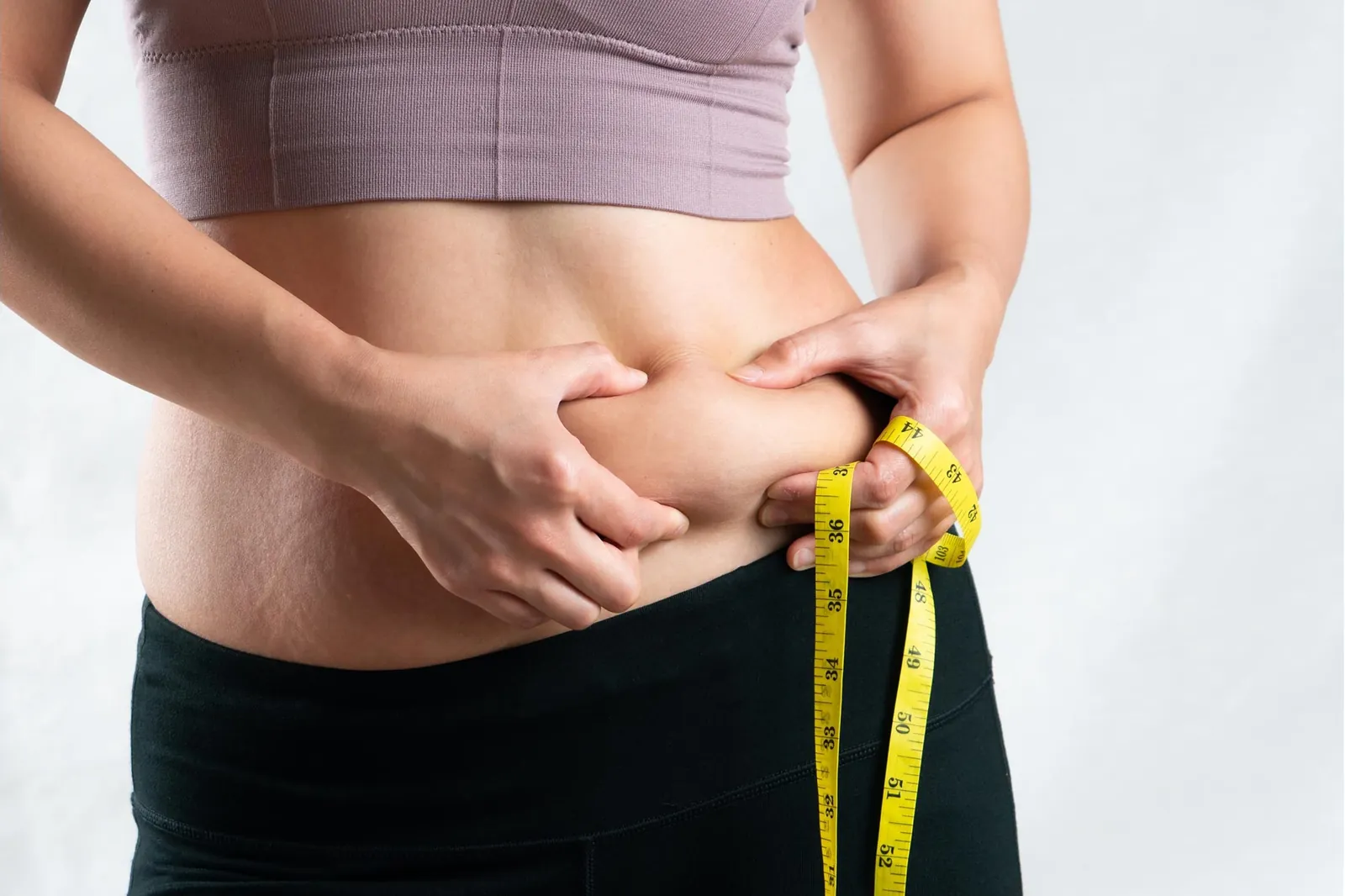
It’s for anyone who wants less body fat, not just athletes. The common mistake is thinking you can target one spot — doing 100 sit-ups won’t melt belly fat. Fat leaves the whole body at once, and where it comes off first is mostly genetic.
How to start burning fat
- Work out your daily calorie needs, then eat about 300 to 500 calories below that number. A safe loss is roughly 0.5 to 1 kg (1 to 2 lb) per week.
- Eat 1.6 to 2.2 grams of protein per kilo of body weight daily. Protein keeps muscle and keeps you full.
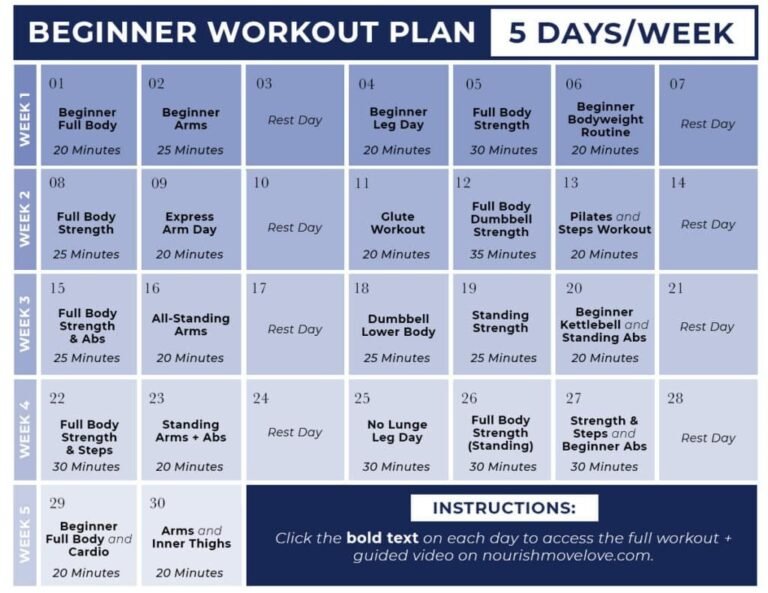
- Do 150 minutes of moderate cardio each week — brisk walking, cycling, or swimming. Split it into 30 minutes, 5 days.
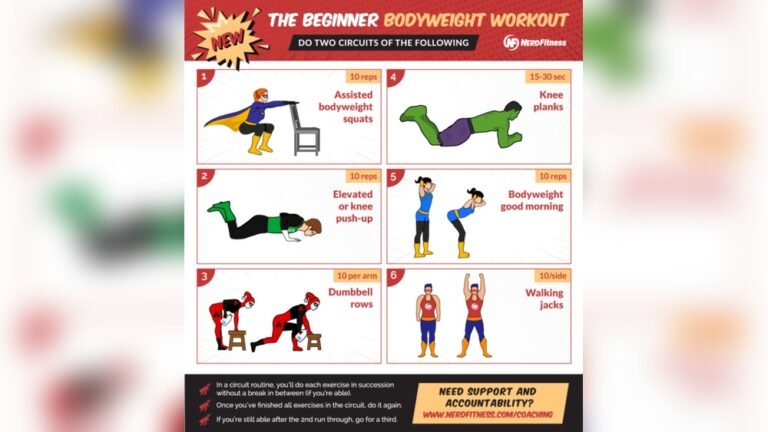
- Add 2 full-body strength sessions a week. More muscle burns more calories at rest.
- Sleep 7 to 9 hours. Short sleep raises hunger and makes you eat more.
- Walk 7,000 to 10,000 steps a day on top of your workouts.
- Track your food for 2 weeks, then stop once you know your portions.
The judgement call is pace. Lose weight too fast and you lose muscle, feel tired, and quit. Slow and steady holds.
If you have a health condition, take medication, or you’re pregnant, talk to your doctor before you change your diet or training.
Fat burning at a glance
These are starting points for a healthy adult. Adjust up or down based on your size and how your body responds after 2 weeks.
| Situation | What to use | How long | What to watch for |
|---|---|---|---|
| Desk job, new to exercise | 30 min brisk walk, 5 days | 150 min/week | Sore legs at first |
| Already active | 45 min cardio, 4 days + 2 strength days | 6 days/week | Overtraining, poor sleep |
| Want to keep muscle | Higher protein, slower deficit | 300 cal gap/day | Strength dropping |
| Short on time | 20 min intervals, 3 days | 60 min/week | Too hard too soon |
| Over 50 | Strength 2x + walking | 150 min/week | Joint pain, slow recovery |
| Plant-based diet | Beans, tofu, lentils for protein | Daily | Low protein intake |
What separates good results from bad ones
People who succeed prepare first. They weigh food for 2 weeks to learn portions, then stop. They plan meals before shopping, so junk food never enters the house. They pick one cardio type they don’t hate, because the best workout is the one you repeat.
They also work in a set order: strength first, cardio after, food tracked all day. Mid-week they check the scale and their energy. If strength is dropping, they eat a little more. If weight won’t move after 2 weeks, they trim 100 to 200 calories.
What they leave alone matters too. They don’t weigh daily and panic — water weight swings 1 to 2 kg. They don’t cut carbs to zero. They don’t add fat burners, which don’t do the work food and movement do.
Common problems and quick fixes
| What you notice | What it usually means | What to do first |
|---|---|---|
| Weight stuck for 2 weeks | Eating more than you think | Weigh food for 3 days |
| Always hungry | Too little protein or fiber | Add protein to each meal |
| Tired in workouts | Deficit too big | Eat 200 more calories |
| Strength dropping | Losing muscle | Raise protein, slow the deficit |
| Poor sleep | Late caffeine or training | Stop caffeine by 2 pm |
The rules that apply
Safe weight loss is 0.5 to 1 kg (1 to 2 lb) a week, according to the CDC’s healthy weight loss guidance. Faster than that raises your risk of muscle loss and gallstones. The CDC also notes that losing 5 to 10% of your body weight already brings real health gains.
Keeping it working afterwards
Once you hit your goal, don’t go back to old habits. Raise your calories slowly — about 100 a week — until your weight holds steady. Keep the strength sessions; they protect the muscle you built. Weigh yourself once a week, same day, same time. If you gain 2 kg back, return to tracking for 2 weeks. That’s your early warning sign, not a failure.
When fat burning isn’t the goal
If you’re underweight, pregnant, or recovering from an eating disorder, cutting calories is the wrong move — talk to a doctor or dietitian instead. If you have a medical condition like diabetes or thyroid disease, your doctor should guide any weight plan. And if you want to gain muscle, eat at or slightly above your calorie needs, not below.
Frequently asked questions
How long does it take to burn fat?
You’ll see the first changes in 2 to 4 weeks with a 300 to 500 calorie daily gap. Visible fat loss usually shows in 6 to 12 weeks.
Can you burn fat without exercise?
Yes, a calorie deficit alone burns fat. But exercise protects muscle and speeds results, so combining both works better.
Is fat burning safe?
Yes, at 0.5 to 1 kg (1 to 2 lb) a week. Faster loss, crash diets, and unregulated supplements carry real risks.
Why am I not losing fat?
Most often you’re eating more than you think, sleeping too little, or not moving enough. Track food for 3 days to check.
Do you burn more fat on an empty stomach?
No clear advantage. Total daily calories and activity matter far more than when you eat.
How much protein do I need to burn fat?
About 1.6 to 2.2 grams per kilo of body weight daily. It keeps muscle and keeps you full during a deficit.
What happens if I eat too few calories?
Your body slows down, you lose muscle, and you feel tired. Keep the gap at 300 to 500 calories, not more.
Conclusion
Fat burning isn’t a trick or a pill. It’s a steady calorie gap, enough protein, regular movement, and sleep you protect. Pick your numbers, hold them for 2 weeks, then adjust once. Small changes you keep beat big ones you quit.

I am a certified fitness coach with over 10 years of experience helping people improve their strength, endurance, and overall health. Specializes in workout programming, weight training, fat loss, muscle building, home fitness, and evidence-based nutrition.My goal is to make fitness simple and practical through well-researched guides, honest product reviews, and actionable training advice.