Kettlebell swings are a hip-hinge exercise: you push your hips back, snap them forward, and let that force float the bell to chest height. One set takes about 30 seconds; most people start with 3 sets of 10–15 reps using a 16 kg (35 lb) bell. It suits anyone who can hinge at the hips without pain.
What you need before your first swing
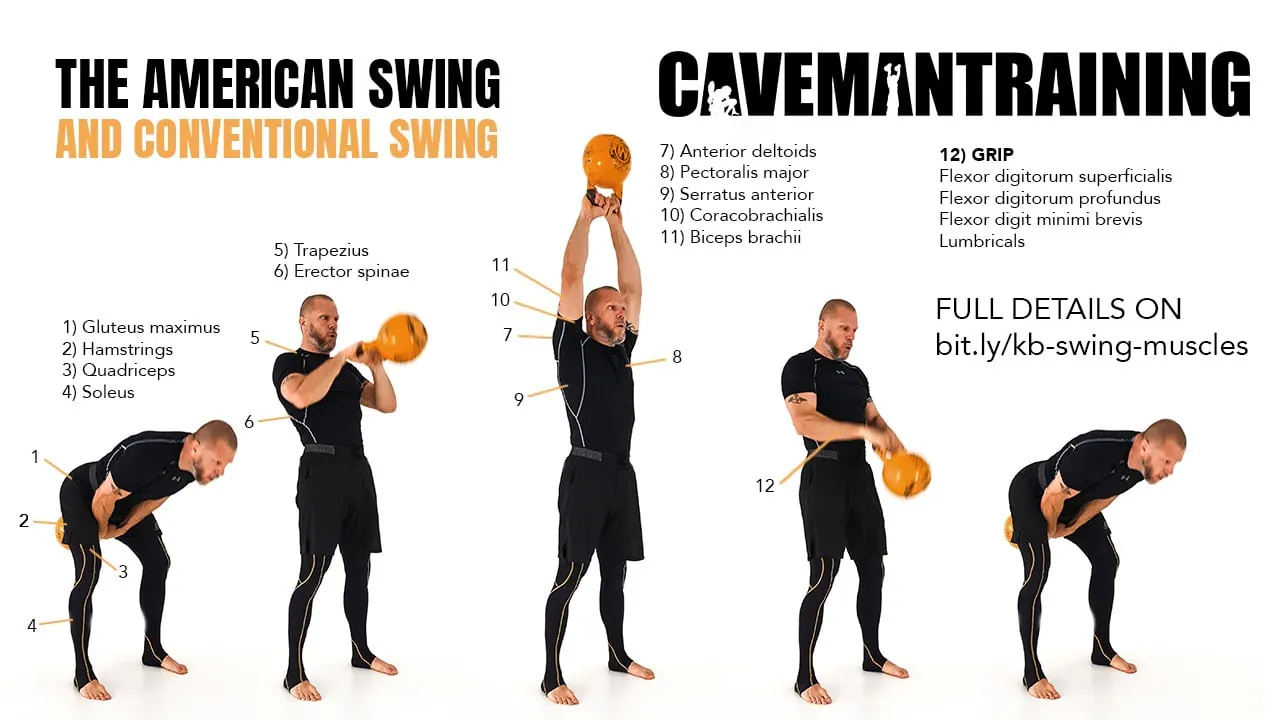
- One kettlebell — 16 kg (35 lb) for most men, 8–12 kg (18–26 lb) for most women. A bell that’s too light flies up and pulls you off balance.
- Flat, non-slip shoes or bare feet on a firm floor. Running shoes with soft heels tip you forward.
- A clear space about 2 meters (6.5 ft) wide and 2.5 meters (8 ft) high. The bell travels forward and back, not up.
- Chalk or a towel if your hands sweat. A wet grip is how bells get dropped.
- A mirror or phone camera at hip height, side-on. You can’t feel a rounded back.
- A trainer’s check if you’ve had back, hip, or shoulder surgery. A physiotherapist or certified coach should clear you first.
A dumbbell won’t work — the handle sits wrong and the bell won’t rotate. A heavier bell than listed is fine once your hinge is solid, but not before.
How to do a kettlebell swing, step by step
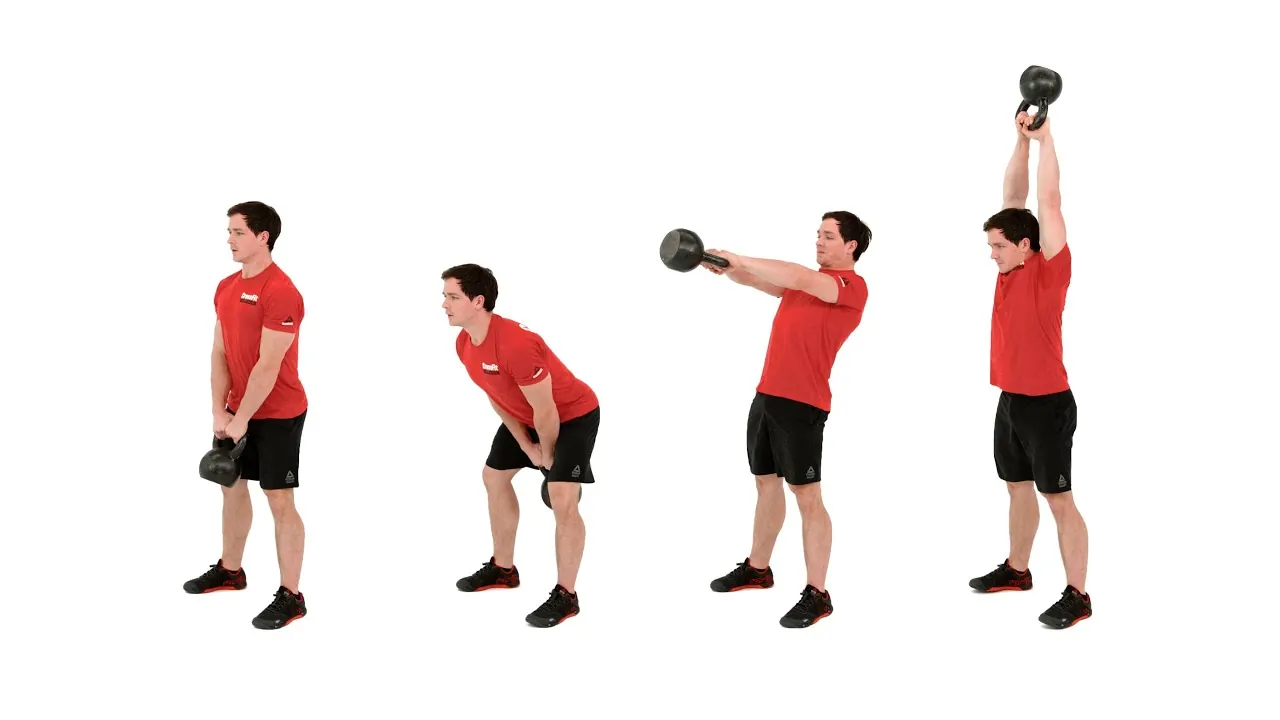
- Stand with feet shoulder-width apart, bell on the floor about 30 cm (12 in) in front of you. Toes point slightly out.
- Hinge at the hips and grab the handle with both hands. Keep your back flat, chest up, shins near vertical. Your hips go back — your knees barely bend.
-
Hike the bell back between your legs like a football snap. Aim it at your knees, not your feet. Keep your arms straight and loose. Tip: If your arms bend, you’re lifting with them. They’re ropes, not levers.
-
Snap your hips forward and stand tall. Squeeze your glutes hard at the top. The bell floats to about chest height on its own. Careful: Don’t lift the bell with your shoulders. If your arms are doing the work, the bell won’t reach chest height and your lower back will ache tomorrow.
-
Let the bell fall and hinge again as it passes your knees. Absorb it with your hips, not your spine. That’s one rep.
- Breathe in on the backswing, out on the snap. Two short breaths per rep works well. Holding your breath raises blood pressure.
- Stop the set when your hinge slows down. Usually 10–15 reps. Put the bell down by hinging and setting it on the floor — never drop it from height.
If you have a heart condition, uncontrolled blood pressure, or you’re pregnant, get clearance from your doctor before starting. A certified instructor (look for SFG or RKC) can watch your first session in person.
How the numbers change with your situation
The table below assumes a standard 16 kg bell and a healthy adult with no back issues. Scale the reps, not the speed.
| Your situation | Time per set | What’s different | What to watch |
|---|---|---|---|
| Complete beginner | 20–30 sec, 3×10 | Learning the hinge, light bell (8–12 kg) | Back rounding on the backswing |
| Fit, new to swings | 30–40 sec, 4×15 | Bell reaches chest height easily | Grip failing before hips do |
| Returning after a break | 25–35 sec, 3×12 | Start one bell size lighter | Soreness in the lower back, not glutes |
| Training for power | 20 sec on, 40 sec rest, 8 rounds | Heavier bell (24 kg+), fewer reps | Form breaking down in later rounds |
| Older adult (60+) | 30 sec, 2–3×8 | Lighter bell, slower tempo | Balance and foot placement |
Start with the smallest set your ego allows. You can always add reps next session — you can’t undo a strained back in the same week.
Checking your swing form
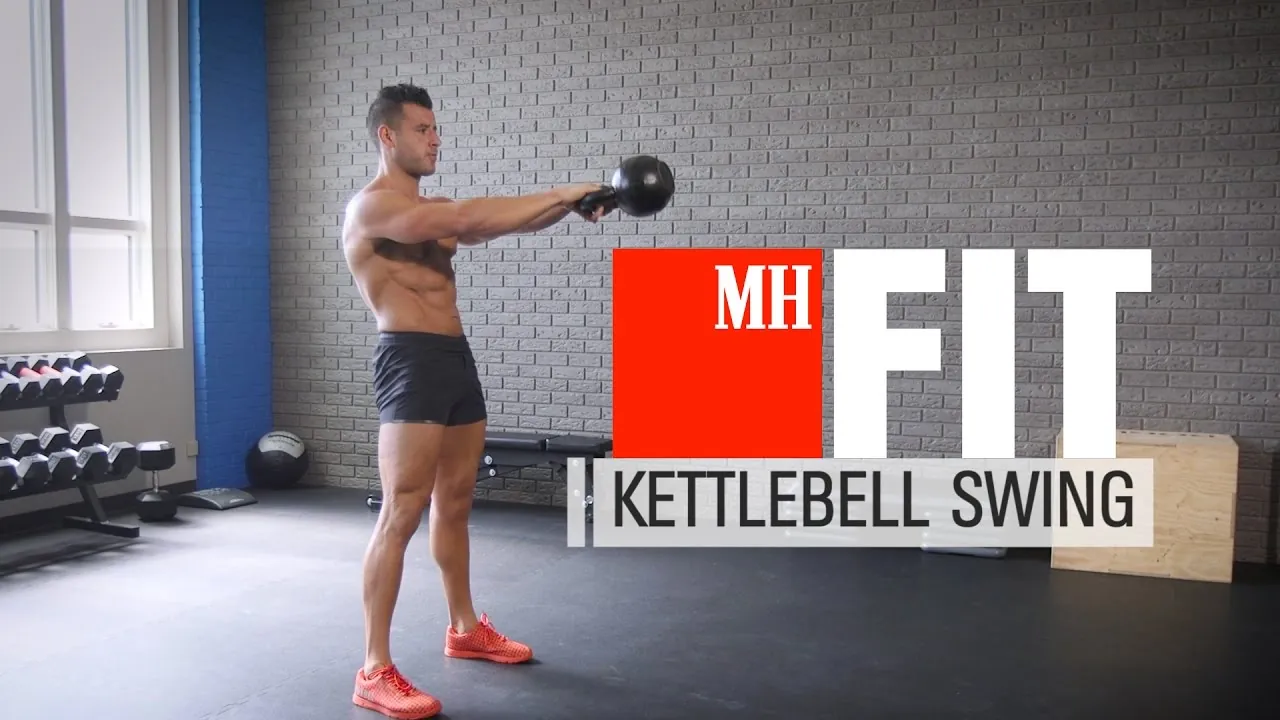
A good swing looks like a hip snap with a floating bell. Your glutes and hamstrings do the work, your arms stay straight, and the bell reaches chest height without you lifting it. A poor swing looks like a squat with a front raise — knees bent, arms pulling, bell at waist height.
The common quality problem is hinging too late. When the bell drops and you don’t push your hips back fast enough, your lower back rounds to reach it. Fix it by hinging the moment the bell passes your chest on the way down, keeping your neck neutral, and filming one set from the side every few weeks.
Rules, cleanup, and how long it lasts
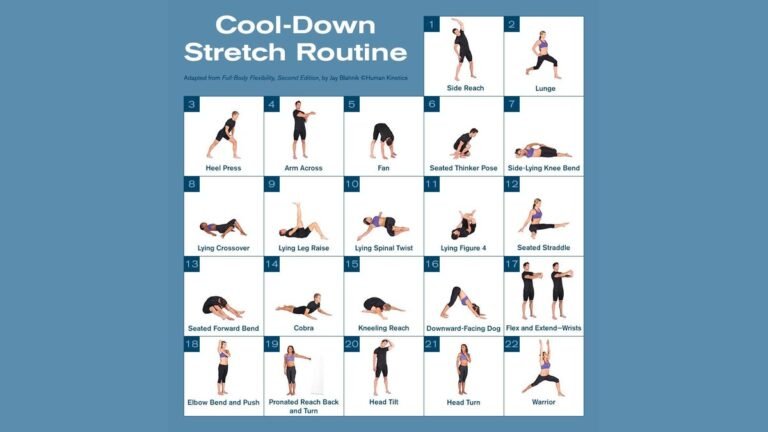
The American Council on Exercise lists kettlebell swings as an advanced move, not a beginner one — so learn the hip hinge with a broomstick first, and get a coach to check it before adding load. After your set, wipe the bell handle, put it back on the floor (never on a rack above waist height), and stretch your hamstrings and hip flexors for 30 seconds each.
Strength gains from swings fade in about 2–3 weeks if you stop. Train 2–3 times a week to keep them.
Other ways to get the same result
Swap the bell for a dumbbell
A dumbbell swing works the same muscles, but the handle is shorter and the weight doesn’t rotate. Expect a slightly awkward grip and a lower float height. Time and reps stay the same.
Do the hinge without weight
A bodyweight hip hinge or a Romanian deadlift with an empty bar teaches the same pattern with zero risk of dropping anything. Slower progress, but you can practice daily.
Book a certified coach
One or two sessions with an SFG or RKC instructor costs more than a YouTube video, but they’ll fix your hinge in person. Best value if you’ve had a back injury or you’re over 50.
Frequently asked questions
How many kettlebell swings should I do a day?
Start with 30–45 total reps (3 sets of 10–15) per session, 2–3 days a week. That assumes a 16 kg bell and good form. More than 100 reps a day raises injury risk before your hinge is solid.
Can kettlebell swings hurt your back?
Yes, if you lift with your arms or round your spine. The fix is a hip hinge, not a squat. If your lower back hurts after a set, your form is off — drop the weight and get it checked.
How long do kettlebell swings take to show results?
Most people notice better hip strength and stamina in 4–6 weeks with 2–3 sessions a week. Visible muscle change takes longer and depends on your diet and overall training.
Is it safe to do kettlebell swings every day?
No — your hip hinge muscles need rest. Two to three sessions a week is enough for most people. Daily swings raise the chance of a strain, especially in the lower back and grip.
What happens if I use a kettlebell that’s too heavy?
Your arms take over, your back rounds, and the bell drops. You’ll feel it in your shoulders and lower back instead of your glutes. Drop one size and rebuild the hinge.
Why does my kettlebell swing feel like a squat?
You’re bending your knees instead of pushing your hips back. Think “close a car door with your butt.” Keep your shins near vertical and your chest up through the whole rep.
Do kettlebell swings build muscle?
They build hip and core strength and burn calories, but they’re not a muscle-building exercise on their own. Pair them with squats, rows, and presses if size is your goal.
Conclusion
Learn the hinge first, keep the bell light, and stop the set when your form slips. Ten clean swings beat thirty sloppy ones every time.

I am a certified fitness coach with over 10 years of experience helping people improve their strength, endurance, and overall health. Specializes in workout programming, weight training, fat loss, muscle building, home fitness, and evidence-based nutrition.My goal is to make fitness simple and practical through well-researched guides, honest product reviews, and actionable training advice.