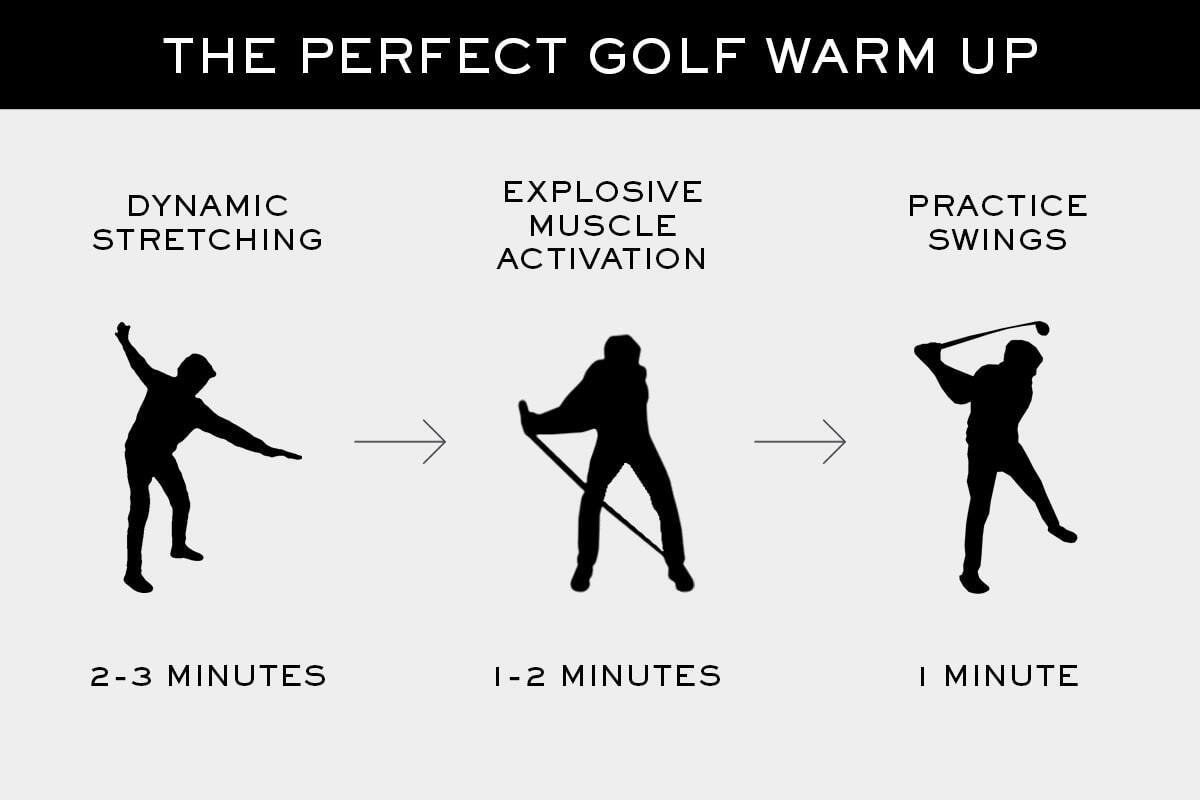
A warm-up routine gets your body ready in 5 to 10 minutes: 3 to 5 minutes of easy movement to raise your heart rate, then 5 to 8 moves that take your joints and muscles through the range you’ll use. Warm-up routines suit anyone about to train, play, or lift — not just athletes.
What to have ready before you start
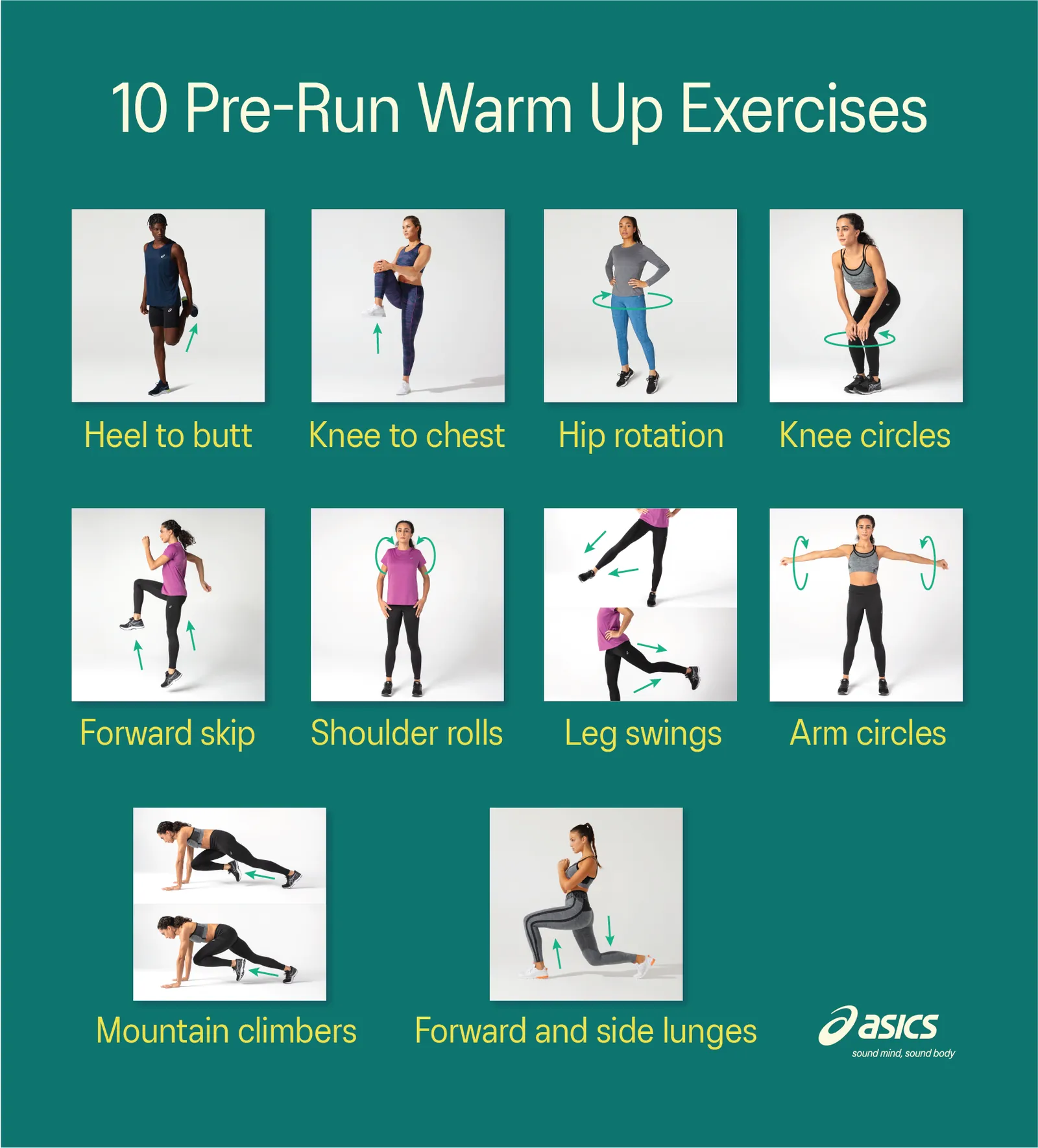
You don’t need a gym for this. Clear a space about the size of a yoga mat, and check the floor isn’t slippery.
- Space: 2 meters by 2 meters of clear, flat floor
- Clothes: loose layers you can move and sweat in
- Shoes: trainers with grip for running or jumping; flat shoes or bare feet for lifting
- Water: a bottle within arm’s reach
- Timer: phone stopwatch or a wall clock with a second hand
- Mat: optional, for floor moves like hip bridges
- A plan: the exact moves you’ll do, written down or on your phone
A foam roller or resistance band can replace nothing here — they’re extras, not substitutes. If you have a heart condition, an old injury, or you’re pregnant, check with your doctor before you start.
How to do warm-up routines step by step
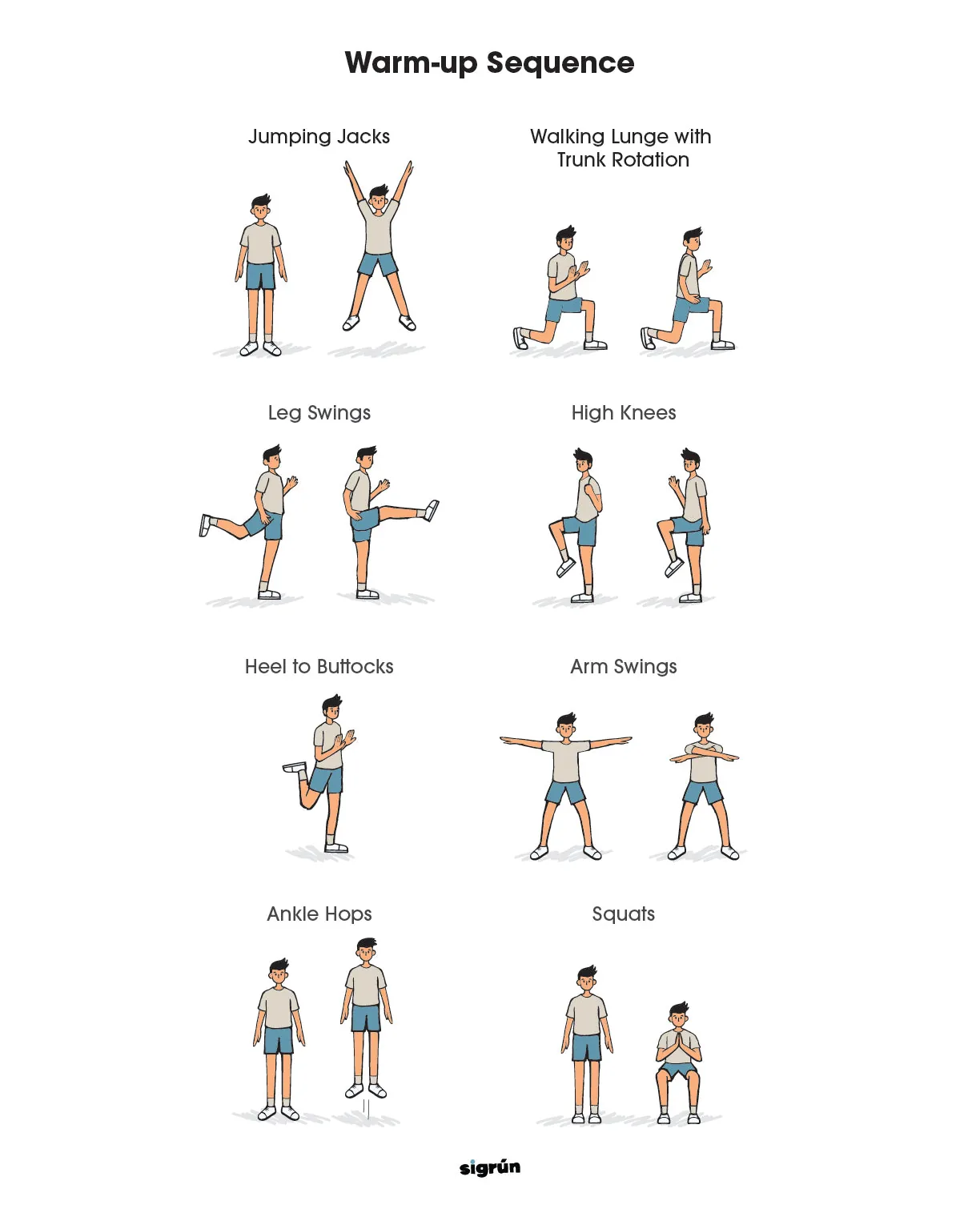
- Walk in place for 2 minutes. Lift your knees to hip height. This raises your heart rate and warms your muscles.
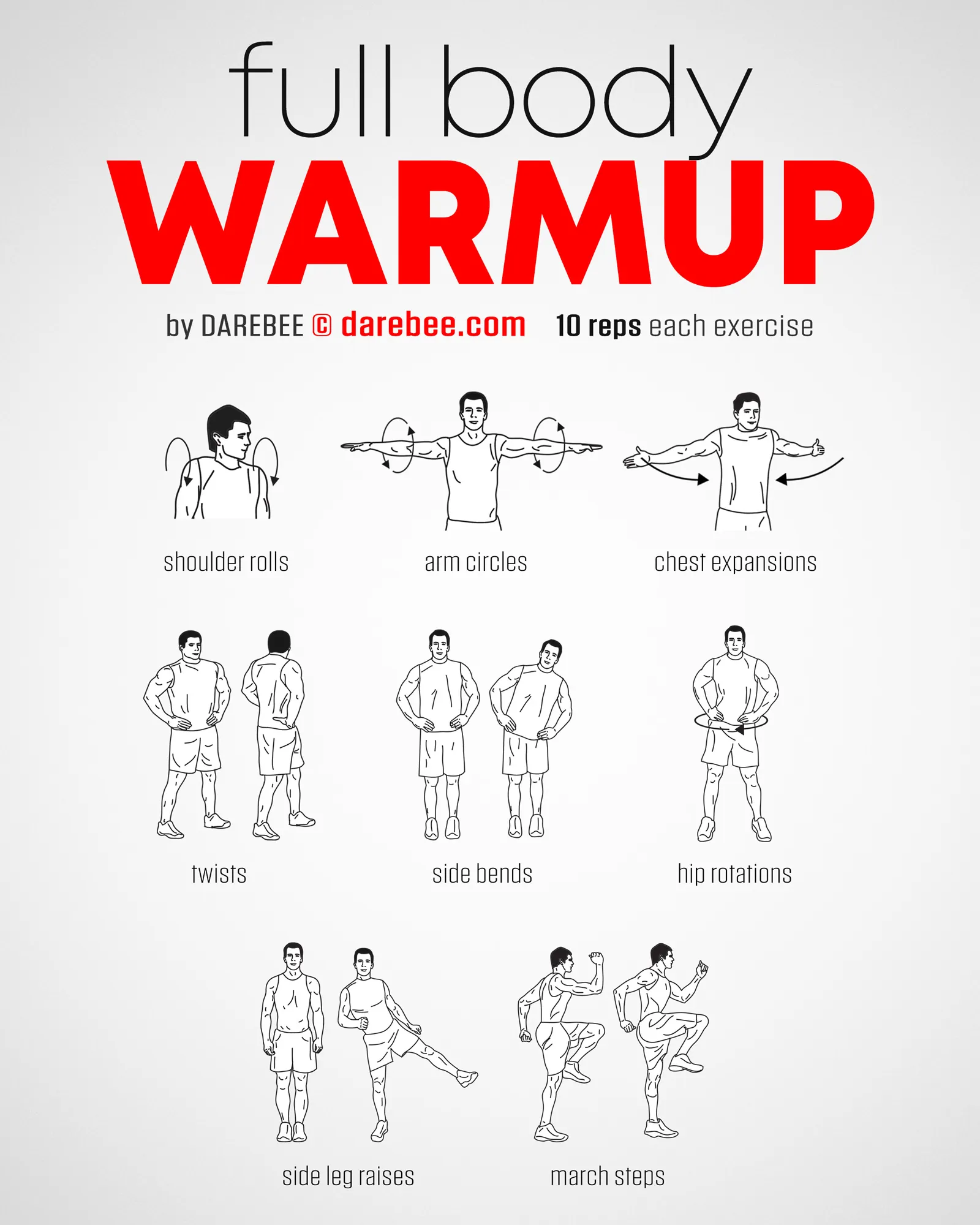
- Circle your arms 10 times forward, 10 times back. Start small and grow the circles. Stop if your shoulder pinches.
- Roll your shoulders 10 times each way, then tilt your head side to side 5 times. Keep the head tilt gentle — no forcing.
- Do 10 bodyweight squats. Go down until your thighs are near parallel to the floor. If your knees hurt, stop at half depth.
- Do 10 hip hinges with a light bend in the knees. Push your hips back, keep your back flat, feel it in your hamstrings.
- Do 10 walking lunges, 5 each leg. Hold a wall if balance is an issue.
- Do 10 arm swings across your chest, then 10 leg swings each side. Hold a wall for the leg swings.
- Finish with 5 minutes of the exact activity at half speed. Jog slowly, shadow-box lightly, or lift an empty bar.
Tip: Step 8 matters most. A warm-up that doesn’t match your sport leaves the right muscles cold.
Careful: Static stretches — holding a stretch for 30 seconds — are best saved for after training. Long holds right before power or speed work may slightly reduce your power output for that session.
Careful: If you feel dizzy, short of breath, or chest pain, stop at once. That’s a doctor’s visit, not a warm-up problem.
How the time changes with your session
The harder and longer your main session, the longer the warm-up needs to be. A short easy jog needs less; a heavy lift or a sprint session needs more.
| Your session | Warm-up time | What changes | What to watch |
|---|---|---|---|
| Easy 20-min jog | 5 min | Short, mostly walking and easy jogging | Don’t skip it — cold muscles pull |
| Gym lifting, light | 8 min | Add empty-bar reps for each lift | Add one warm-up set per exercise |
| Heavy lifting | 12–15 min | Ramp sets: bar, then 50%, 70%, 85% of your working weight | Rest 1–2 min between ramp sets |
| Sprint or team sport | 15–20 min | Add short bursts at 70–80% speed | Build speed slowly, not all at once |
| Cold weather (under 10°C) | Add 5 min | Body takes longer to warm up | Wear layers you can remove |
Start with the short version and add more only if you still feel stiff. Overshooting leaves you tired before the real work starts.
How to tell your warm-up worked
A good warm-up leaves you warm, loose, and slightly out of breath — not tired. Your joints move freely through their full range, and your first real set or sprint feels smooth, not shocking.
A poor one leaves you cold in the legs, tight in the shoulders, or already breathing hard before the main session. The common quality problem is doing the moves too fast and too shallow — people rush through 10 reps in 5 seconds and never reach the range they need. Slow each rep down, use full range, and match the last 5 minutes to your actual sport. Those three fixes solve most of it.
Rules of thumb and what to do after
The American College of Sports Medicine (ACSM) advises a warm-up of light-to-moderate activity before vigorous exercise. Check ACSM’s own published guidance for the full detail — don’t take a number from any article, including this one, without it.
After training, cool down for 5 minutes with easy walking, then do your static stretches. Put your equipment back, log what you did, and drink water. A warm-up works for that session only — you’ll need a fresh one every time you train.
Other ways to get ready
Not every session needs the same routine. Pick the version that fits your time and your body today.
The 3-minute express version
For a short walk, a light bike ride, or a busy morning. March in place, circle your arms, do 10 squats, and go.
The sport-specific version
For team sports, martial arts, or tennis. Add 5 minutes of the actual movements — passing, footwork drills, shadow swings — at half speed.
The trainer-led version
For beginners, or anyone coming back from injury. A certified trainer builds a routine around your body and any limits. Check local rates, as prices vary.
Related guides
Frequently asked questions
How long should a warm-up be?
5 to 10 minutes for most sessions. For heavy lifting or sprint work, allow 12 to 15 minutes. In cold weather under 10°C, add about 5 minutes.
Can I skip the warm-up if I’m short on time?
You can shorten it to 3 minutes, but don’t skip it. Cold muscles and joints are more likely to strain. March in place, do 10 squats, and start slowly for the first few minutes.
Is it safe to stretch before exercise?
Static stretching right before power or speed work may slightly lower your power output. Save long holds for after training. Gentle movement-based stretches are fine before.
What happens if I warm up too hard?
You’ll start your main session tired and your performance drops. Keep the warm-up at light to moderate effort — you should be warm and breathing faster, but not gasping.
Why do I still feel stiff after warming up?
Your warm-up was probably too short or too shallow. Add 3 to 5 more minutes and slow each rep down. If stiffness lasts days or comes with pain, see a doctor or physiotherapist.
Do I need to warm up before walking?
For a slow, short walk, no — just start easy for the first few minutes. For a fast or long walk, 3 minutes of marching and arm circles helps.
How often should I change my warm-up?
Change it when your training changes — a new sport, a new injury, or a new goal. Otherwise, keep the same routine for 4 to 6 weeks so it becomes automatic.
Conclusion
A warm-up isn’t the exciting part of training, but it’s the part that keeps you training. Five honest minutes, matched to what you’re about to do, beats an hour of rehab later.

I am a certified fitness coach with over 10 years of experience helping people improve their strength, endurance, and overall health. Specializes in workout programming, weight training, fat loss, muscle building, home fitness, and evidence-based nutrition.My goal is to make fitness simple and practical through well-researched guides, honest product reviews, and actionable training advice.