When it comes to choosing a treadmill, you might feel overwhelmed by all the options out there. But understanding the different types of treadmills can make your decision easier—and help you find the perfect fit for your fitness goals.
Whether you want to walk while working, run intense sprints, or simply stay active at home, knowing how each treadmill works and what it offers will save you time and money. You’ll discover the key types of treadmills available, what makes each one unique, and how to pick the right one for your lifestyle.
Keep reading to find the treadmill that’s designed just for you.
Manual Treadmills
Manual treadmills offer a simple, effective way to exercise indoors. They do not use a motor. Instead, the belt moves only when you push it with your feet. This design makes the workout more natural and challenging.
These treadmills are popular for their affordability and compact size. Many users enjoy the control they have over speed and effort. Manual treadmills suit various fitness levels and goals.
How They Work
Manual treadmills rely on your own movement. When you walk or run, your feet push the belt backward. The belt rolls over a set of rollers without any motor power. The harder you push, the faster the belt moves.
This self-powered system means you control the pace completely. There is no preset speed or automatic incline. You can stop anytime by simply stepping off the treadmill.
Benefits For Hiit And Sprinting
Manual treadmills respond quickly to your speed changes. This makes them ideal for high-intensity interval training (HIIT) and sprinting. You can shift from slow walking to fast running instantly.
The lack of motor means no lag in speed. This helps improve your reaction time and speed control. The treadmill also challenges your muscles more during sprints, increasing workout intensity.
Improving Running Form
Manual treadmills promote a natural running style. They encourage a mid-foot or forefoot strike instead of heel striking. This can reduce joint impact and improve efficiency.
You must maintain good posture to keep the belt moving smoothly. This helps develop balance and core strength. Manual treadmills also improve cadence and stride length over time.
Curved Treadmills
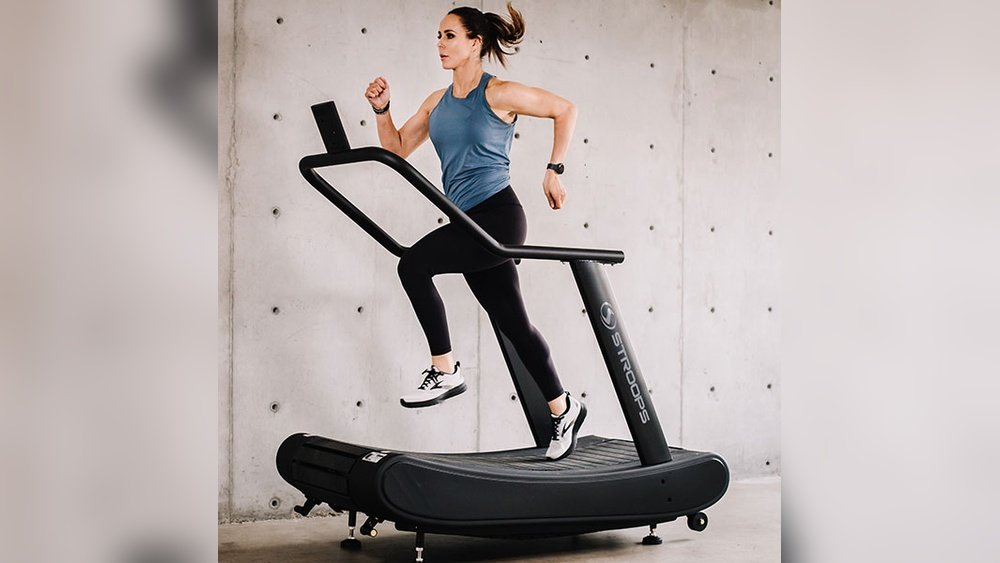
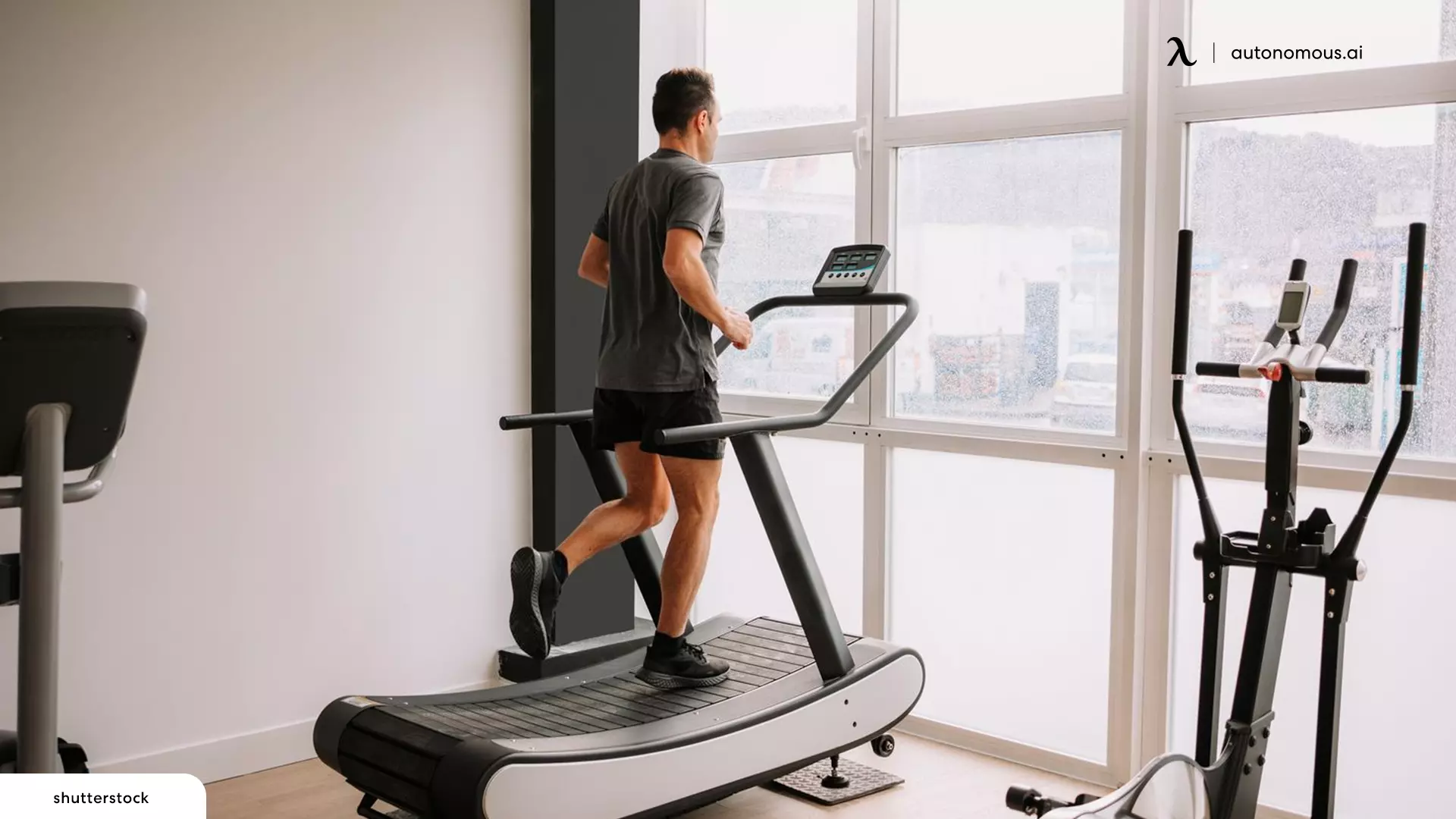
Curved treadmills offer a unique approach to running. Unlike traditional treadmills, their running surface is shaped like a gentle arc. This design changes how you run and how your body works during exercise.
These treadmills do not use motors. Instead, the belt moves by your own effort. This feature makes curved treadmills very different from standard models.
Self-powered Design
Curved treadmills rely on the runner’s movement to operate. The belt moves only when you push it with your feet. This means you control the speed naturally. There is no need for buttons or settings to start running.
This design saves electricity and reduces machine wear. It also allows for smooth speed changes. You can slow down or speed up instantly by adjusting your pace.
Advantages For Intense Workouts
Curved treadmills are excellent for high-intensity training. They engage more muscles compared to flat treadmills. Your legs and core work harder to keep balance and push the belt.
This makes workouts more effective and burns more calories. The curved surface also encourages proper running form. It reduces impact on joints, lowering injury risk during intense sessions.
User Experience
Users often find curved treadmills challenging but rewarding. The self-powered belt gives a natural running feel. It mimics outdoor running more closely than motorized treadmills.
Many runners enjoy the control over speed and effort. The design also motivates users to maintain good posture. Overall, curved treadmills offer a fresh and engaging workout option.
Motorized Treadmills
Motorized treadmills are popular for home gyms and fitness centers. They use a motor to move the belt, allowing users to walk or run at various speeds. These machines offer smooth and consistent motion, making workouts more comfortable and effective. Motorized treadmills suit all fitness levels, from beginners to advanced runners.
Features And Functions
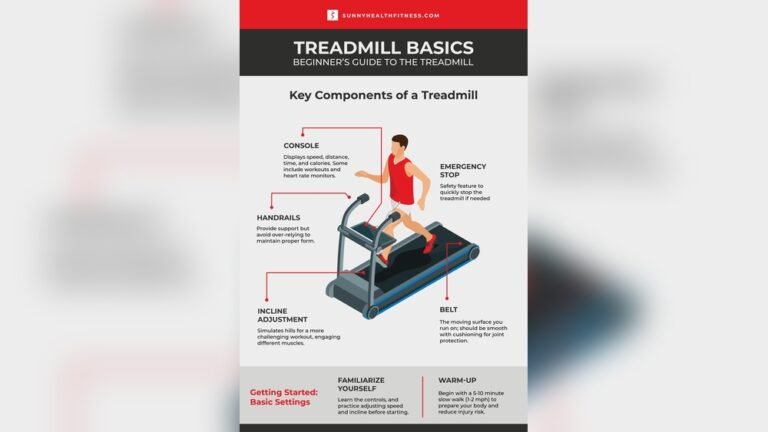
Motorized treadmills come with a built-in motor that controls belt speed. They often include digital displays showing time, distance, speed, and calories burned. Many models have heart rate sensors to monitor your pulse during workouts. Safety features like emergency stop buttons add protection. Some treadmills have built-in workout programs for variety and guidance.
Incline And Speed Options
These treadmills allow you to adjust speed easily, from slow walking to fast running. Incline levels can also be changed to simulate uphill walking or running. Increasing incline makes workouts more challenging and boosts calorie burn. Speed and incline controls help customize workouts to meet fitness goals. Some models offer automatic incline adjustments during workouts for added variety.
Suitable Workout Types
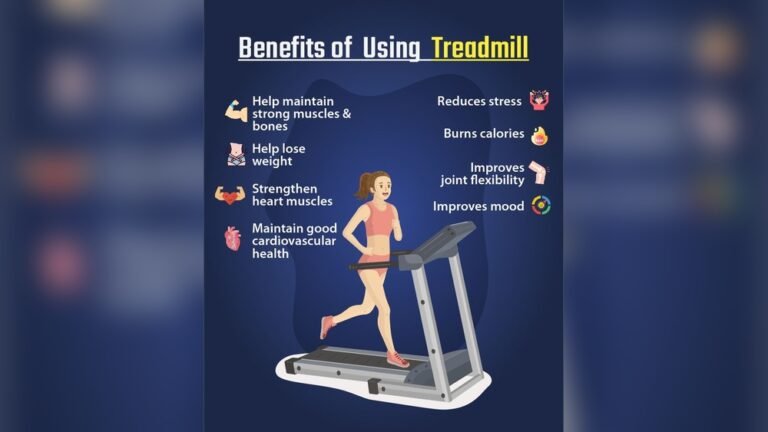
Motorized treadmills fit many workout styles. They work well for steady-state cardio, interval training, and hill workouts. Beginners can start with slow walking and progress to jogging or running. Advanced users can do high-intensity interval training or endurance runs. These treadmills support weight loss, endurance building, and heart health improvement.

Credit: amwealth-new.tessellagrid.com
Walking Pads
Walking pads offer a simple and effective way to stay active indoors. These devices are smaller than standard treadmills. They fit easily in tight spaces and allow walking at a steady pace. Walking pads are ideal for light exercise during work or leisure time.
Compact And Portable Design
Walking pads have a slim and lightweight frame. Most models fold flat for easy storage under a bed or desk. Their portability lets users move them between rooms or even take them outdoors. This compact design suits small apartments and offices well.
Best Uses And Settings
Walking pads work best for walking at low to moderate speeds. They are perfect for casual walking, warm-ups, or cool-downs. Many users place them under a standing desk to walk while working. Settings typically include speed control and sometimes a timer. They are not meant for running or intense workouts.
Pros And Cons
Walking pads save space and are easy to carry. They provide gentle exercise and improve daily movement. They use less electricity than full-size treadmills. On the downside, walking pads offer limited speed and no incline options. They lack the stability and features of larger treadmills. Not suitable for high-impact running or heavy training.
Foldable Treadmills
Foldable treadmills offer a smart solution for home workouts. They combine functionality with convenience. These machines fold up, saving room in any living space. Perfect for apartments or homes with limited space. Folding design does not compromise performance. Users enjoy the benefits of a full treadmill without the bulk.
Space-saving Benefits
Foldable treadmills take up less floor space. You can fold the running deck vertically. This reduces the treadmill’s footprint by more than half. Ideal for small rooms or shared spaces. Folding also frees up space for other activities. A great choice for compact homes.
Ease Of Storage
Storing a foldable treadmill is simple and quick. Most models have wheels for easy movement. You can roll it to a closet or corner. Some foldable treadmills fit under beds or desks. This makes them easy to hide away. No need to sacrifice space for fitness gear.
Ideal User Profiles
Foldable treadmills suit many users well. Small space dwellers benefit the most. People who want to keep their home tidy. Users with limited workout time enjoy quick setup. Also great for seniors who need easy access. Fitness beginners find them less intimidating. These treadmills fit active lifestyles without clutter.

Credit: www.treadmillreviewguru.com
Commercial Treadmills
Commercial treadmills serve heavy use in gyms and fitness centers. They provide reliable performance for many users daily. These machines meet high standards of strength and technology. They keep up with intense workouts and long hours. Choosing the right commercial treadmill ensures safety and efficiency in public settings.
Durability And Build Quality
Commercial treadmills use strong materials like steel frames. Their parts resist wear and tear over time. The belts and motors are designed for continuous use. They handle high weight capacities without breaking down. These treadmills last longer than home models. Maintenance is easier because of quality parts.
Advanced Features
Many commercial treadmills offer built-in workout programs. They include heart rate monitors and touchscreens. Some have internet access for streaming classes. Speed and incline controls are very precise. These machines often come with safety features like emergency stops. They improve user experience and workout variety.
Gym Vs Home Use
Commercial treadmills suit gyms due to durability and power. Home treadmills usually have fewer features and lower cost. Gym machines can support many users in one day. They often require more space and professional installation. Home users prefer compact and quieter models. Choosing depends on usage frequency and space availability.
Specialty Treadmills
Specialty treadmills serve unique needs beyond typical workouts. They cater to specific users or purposes. These machines often include features designed for focused goals.
Specialty treadmills make exercise easier and safer for different groups. They support rehabilitation, multitasking, or intense training. Understanding these types helps choose the right model.
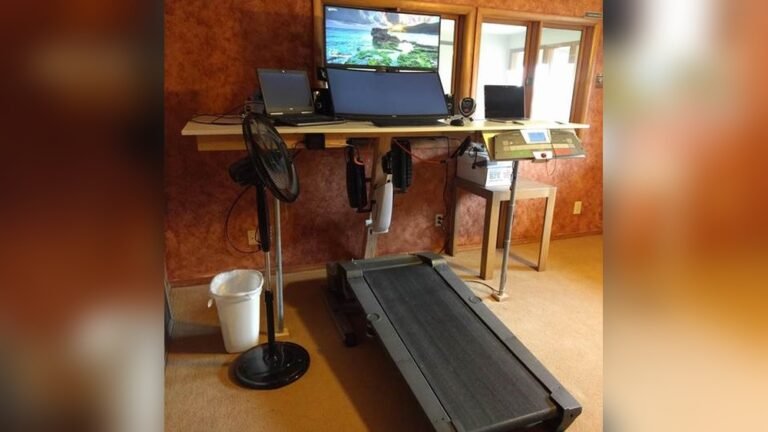
Under-desk Models
Under-desk treadmills fit under work desks. They allow walking while working or studying. These models are compact and quiet. They promote movement during long sitting hours. Ideal for office or home use.
Rehabilitation Treadmills
Rehabilitation treadmills assist recovery after injury or surgery. They offer slow speeds and extra support. Many have handrails and adjustable incline. These treadmills help regain strength and balance safely. Used in clinics and therapy centers.
High-performance Racing Treadmills
High-performance racing treadmills suit serious runners and athletes. They have powerful motors and wide belts. These treadmills handle fast speeds and steep inclines. Many include advanced tracking and training programs. Perfect for intense cardio and sprint training.
Choosing The Right Treadmill
Choosing the right treadmill matters for your fitness journey. The perfect treadmill fits your space, meets your workout needs, and matches your budget. Making a thoughtful choice helps you stay motivated and enjoy every session.
Consider Your Space
Measure the area where you plan to place the treadmill. Check ceiling height and floor strength. Folding treadmills save space and are easy to store. Ensure enough room for safe use and movement around the machine.
Assess Workout Goals
Decide what you want from your workouts. Walkers need simpler models with lower speeds. Runners require sturdy machines with higher speed and incline options. Some treadmills offer preset programs for variety and motivation.
Budget And Features Comparison
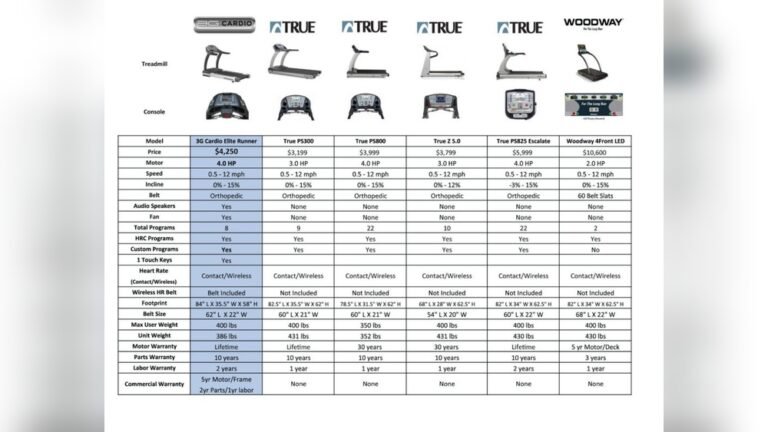
Set a budget before shopping. Basic models cover essential needs at a lower price. Advanced treadmills include screens, heart rate monitors, and connectivity. Compare features carefully to get the best value for your money.
Credit: www.autonomous.ai
Frequently Asked Questions
Are There Different Types Of Treadmills?
Yes, treadmills come in various types, including manual, motorized, curved, and folding models. Each suits different workout needs and spaces.
What Is The Difference Between A Treadmill And A Walkingpad?
A walking pad is compact, portable, and suited for light walking. A treadmill is larger, sturdier, and designed for running with advanced features. Walking pads fit small spaces; treadmills support intense workouts and offer more stability.
Which Kind Of Treadmill Is Best?
The best treadmill depends on your needs. Motorized models suit running and varied workouts. Manual or curved treadmills excel in HIIT and form training. Choose based on space, workout intensity, and features like incline or programs.
What Is The 30 Rule On The Treadmill?
The 30 rule on the treadmill means walking or running for 30 minutes daily to improve fitness and burn calories effectively.
Conclusion
Choosing the right treadmill depends on your workout needs. Motorized treadmills offer steady speeds and various programs. Manual and curved treadmills rely on your own effort. They help improve running form and build strength. Consider space, budget, and fitness goals before buying.
Each type serves different fitness levels and styles. Understanding these options makes your choice easier. Enjoy your fitness journey with the treadmill that fits you best.
I am a certified fitness coach with over 10 years of experience helping people improve their strength, endurance, and overall health. Specializes in workout programming, weight training, fat loss, muscle building, home fitness, and evidence-based nutrition.My goal is to make fitness simple and practical through well-researched guides, honest product reviews, and actionable training advice.