Are you ready to make the most out of your treadmill workouts? Whether you’re new to treadmills or looking to improve your routine, this Usage Guide for Treadmill will help you step on with confidence and get the best results.
You’ll learn how to start safely, maintain proper posture, and use smart tips to boost your fitness without risking injury. Imagine feeling stronger, burning calories efficiently, and enjoying every minute on your treadmill. Keep reading to discover simple steps and expert advice that will turn your treadmill time into your favorite part of the day.
Treadmill Setup
Setting up your treadmill correctly is essential for a safe and effective workout. Proper setup ensures comfort and reduces injury risks. Pay attention to the space, your safety measures, and what you wear.
Choosing The Right Spot
Place the treadmill on a flat, stable surface. Avoid areas with direct sunlight or moisture. Leave enough space around for easy access and emergency exit. A quiet, ventilated room helps you stay comfortable during workouts.
Safety Clip Usage
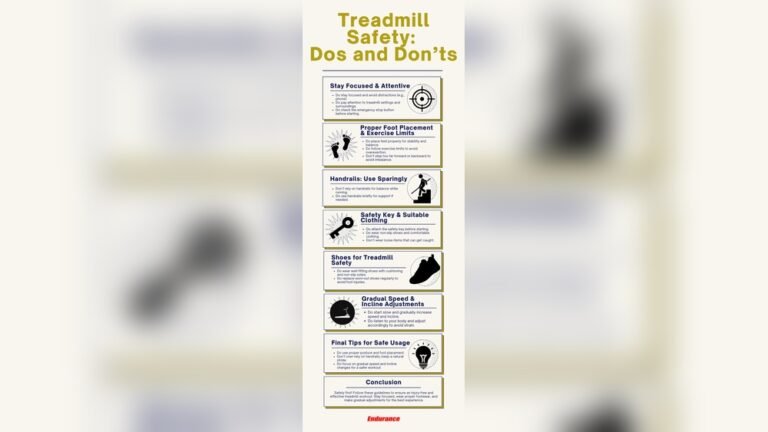
Always attach the safety clip to your clothing before starting. It stops the treadmill if you fall or lose balance. This simple step protects you from serious injuries. Check the clip works properly every time.
Proper Footwear
Wear supportive shoes designed for walking or running. Avoid sandals, slippers, or bare feet. Good shoes provide grip and cushion, reducing strain on your feet and ankles. Replace worn-out shoes regularly to maintain support.
Warm-up Essentials
Warming up before using a treadmill prepares your body for exercise. It reduces the risk of injury and improves performance. A proper warm-up increases blood flow to your muscles. It also raises your heart rate slowly, making your workout safer and more effective.
Light Walking Techniques
Start with a slow walk on the treadmill. Keep your steps light and even. Swing your arms gently to increase circulation. Focus on good posture: stand tall with shoulders relaxed. Avoid holding the treadmill handles tightly. Walk for 3 to 5 minutes to warm up your muscles.
Stretching Before Exercise
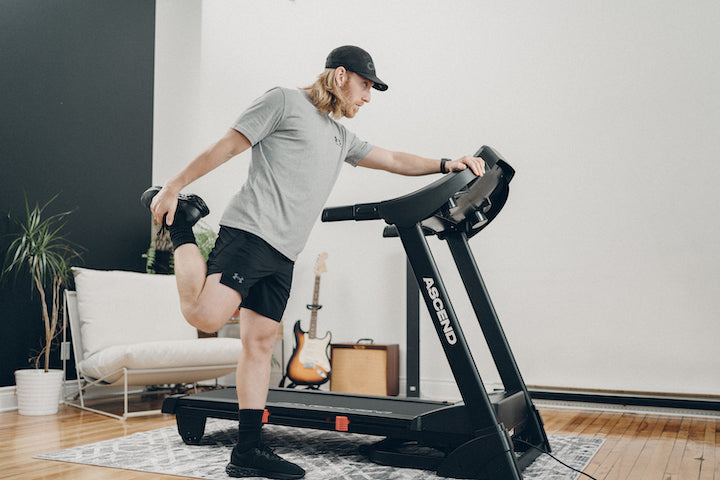
Stretching loosens tight muscles and improves flexibility. Perform dynamic stretches, like leg swings or walking lunges. Avoid static stretches before exercise, as they may reduce muscle strength. Focus on your calves, hamstrings, and quads. Spend 5 minutes stretching to prepare your body for the treadmill workout.
Posture Tips
Maintaining good posture on the treadmill improves workout efficiency and prevents injuries. Proper posture helps your body move naturally and reduces strain. Focus on alignment, hand placement, and core engagement for the best results.
Back And Shoulder Alignment
Keep your back straight and avoid slouching. Shoulders should stay relaxed and down. Do not lean forward or backward. This keeps your spine in a neutral position. Good alignment reduces back pain and improves breathing.
Hand Placement
Let your arms swing naturally at your sides. Avoid holding the treadmill handles tightly. Lightly touch the handles only if needed for balance. Holding on too much lowers your workout intensity. Keep your hands loose and relaxed.
Engaging The Core
Tighten your abdominal muscles gently while walking or running. A strong core supports your spine and improves balance. Avoid arching your lower back. Keep your core active to boost stability and posture. This helps you move more efficiently on the treadmill.
Credit: www.extraspace.com
Workout Techniques
Using a treadmill effectively means choosing the right workout techniques. These methods help improve fitness and keep exercises interesting. Each technique targets different goals like endurance, speed, or strength. Understanding these can make treadmill sessions more productive and enjoyable.
Steady-state Walking And Running
This technique involves maintaining a consistent speed for the entire workout. It builds endurance by keeping the heart rate steady. Beginners should start with walking before moving to running. Steady pace workouts improve cardiovascular health safely and steadily.
Interval Training
Interval training mixes short bursts of high speed with slower recovery periods. This approach boosts metabolism and burns more calories in less time. Intervals challenge your body, increasing stamina and speed. Adjust the speed and duration to match your fitness level.
Incline Adjustments
Changing the treadmill incline simulates uphill walking or running. It strengthens leg muscles and increases workout intensity without raising speed. Start with a low incline and gradually increase it. Incline workouts improve muscle tone and cardiovascular fitness.
Pace Progression
Pace progression means gradually increasing your speed during a session. It helps improve running speed and endurance over time. Begin at a comfortable pace, then speed up in small steps. This technique prevents burnout and builds confidence on the treadmill.
Cool-down Methods
Cooling down after a treadmill workout helps your body recover safely. It lowers your heart rate and prevents dizziness. Use cool-down methods to ease your muscles and reduce stiffness. These simple steps improve overall workout benefits and keep you comfortable.
Gradual Speed Reduction
Slow down your walking or running speed step by step. Reduce the speed every minute until you reach a slow walk. This gradual change helps your heart rate return to normal. Avoid stopping suddenly to prevent feeling lightheaded or weak.
Lower Incline Walking
Set the treadmill to a lower incline for your cool-down walk. Walking on a flat or slightly sloped surface relaxes your leg muscles. It also helps blood flow smoothly and reduces muscle soreness. Keep a slow pace and breathe deeply during this time.

Credit: www.youtube.com
Listening To Your Body
Listening to your body is key to a safe and effective treadmill workout. It helps prevent injuries and keeps your progress steady. Your body sends signals through feelings of tiredness or discomfort. Pay close attention to these signals to adjust your workout accordingly.
Recognizing Fatigue
Fatigue can show up as heavy legs, short breath, or slower pace. It may feel like your muscles are weak or your heart is beating fast. These signs mean your body needs a break or a slower speed. Ignoring fatigue can lead to injury or burnout. Stop and check how you feel often during your treadmill session.
When To Rest
Resting is as important as exercising. Take a break if you feel dizzy, sharp pain, or extreme tiredness. Pause the treadmill and breathe deeply. Rest helps muscles recover and prevents overuse injuries. Plan rest days in your weekly routine. This balance improves your strength and endurance over time.
Workout Variations
Using a treadmill offers many ways to vary your workouts. Changing your routine keeps exercise fun and effective. Different styles target strength, speed, and endurance. Try these variations to get the most from your treadmill sessions.
Fartlek Style
Fartlek means “speed play” in Swedish. It mixes fast running with slow jogging or walking. Switch speeds without stopping. For example, run fast for one minute, then jog for two. This variation improves speed and stamina. It also adds excitement to your workout.
Halftime Recovery
Halftime recovery breaks your workout into two parts. Run hard for the first half, then slow down for recovery in the second. This method helps your body adjust to intense effort. It also lowers injury risk. Use it to build endurance and strength gradually.
Distance Adaptations
Adjust your treadmill workout to fit different distances. For short distances, focus on speed and power. For longer distances, keep a steady, comfortable pace. Change your speed and incline to match your goals. This approach helps improve both sprinting and long runs.
Health Benefits
Using a treadmill regularly offers many health benefits. It supports fitness goals for all ages and levels. Treadmill workouts improve heart health, muscle tone, and joint function. This section explores key health advantages of treadmill exercise.
Cardiovascular Improvements
Walking or running on a treadmill raises your heart rate. This strengthens the heart and improves blood flow. Regular cardio exercise lowers blood pressure and reduces heart disease risk. It also boosts lung capacity and stamina. Consistent treadmill use helps maintain a healthy weight and energy level.
Strengthening Key Muscle Groups
Treadmill workouts target major leg muscles like quads, hamstrings, and calves. It also engages glutes and core muscles for balance. Adjusting speed and incline challenges muscles in new ways. Stronger muscles improve posture and reduce injury risk. Building muscle on a treadmill supports daily activities and sports.
Joint Health Advantages
Treadmills provide a cushioned surface that reduces impact on joints. This makes it safer than running on hard pavement. Low-impact exercise helps maintain joint flexibility and strength. It can reduce pain from arthritis and other joint issues. Regular treadmill use supports long-term joint health and mobility.
Common Mistakes
Using a treadmill is an excellent way to improve fitness and build stamina. Many users make mistakes that reduce the benefits or cause discomfort. Avoiding these common errors helps you get the most from your workout. Focus on correct habits for better results and safety.
Overgripping Handles
Holding the treadmill handles too tightly limits your movement. It reduces your natural arm swing and affects your balance. Gripping hard can cause tension in your shoulders and arms. Use the handles lightly or not at all, unless you need support. This helps maintain good posture and engages your core muscles.
Ignoring Proper Footwear
Wearing the wrong shoes can lead to foot pain and injury. Avoid sandals, slippers, or worn-out sneakers. Use shoes designed for walking or running with good arch support. Proper footwear absorbs impact and protects your joints. It also improves your grip on the treadmill belt for safer exercise.
Skipping Warm-up Or Cool-down
Starting your workout suddenly can strain muscles and joints. Skipping warm-up increases injury risk and reduces performance. Begin with slow walking to prepare your body. Cooling down after exercise helps your heart rate return to normal. It prevents stiffness and aids muscle recovery. Always include these steps in your treadmill routine.
Credit: movewithascend.com
Frequently Asked Questions
What Is The 12-3-30 Rule On A Treadmill?
The 12-3-30 rule on a treadmill means walking at a 12% incline, 3 mph speed, for 30 minutes. It boosts fat burn and cardiovascular health.
What Is The Proper Way To Use A Treadmill?
Attach the safety clip, start at a slow walk, maintain upright posture, avoid gripping handles, wear supportive shoes, and finish with a cool-down walk.
What Is The 5 4 3 2 1 Method Of Running?
The 5 4 3 2 1 running method involves counting steps or breaths in descending order to boost focus and pacing during runs.
Is 30 Minutes A Day On A Treadmill Enough To Lose Weight?
Yes, 30 minutes daily on a treadmill can aid weight loss. Combine with a balanced diet and varied intensity for best results.
Conclusion
Using a treadmill regularly helps improve fitness and health. Start slow and increase speed gradually. Keep good posture to avoid injury and get better results. Wear proper shoes for support and comfort. Always warm up before and cool down after workouts.
Listen to your body and rest when needed. With these simple tips, treadmill exercise becomes safe and effective. Enjoy your workouts and stay consistent for best benefits.
I am a certified fitness coach with over 10 years of experience helping people improve their strength, endurance, and overall health. Specializes in workout programming, weight training, fat loss, muscle building, home fitness, and evidence-based nutrition.My goal is to make fitness simple and practical through well-researched guides, honest product reviews, and actionable training advice.