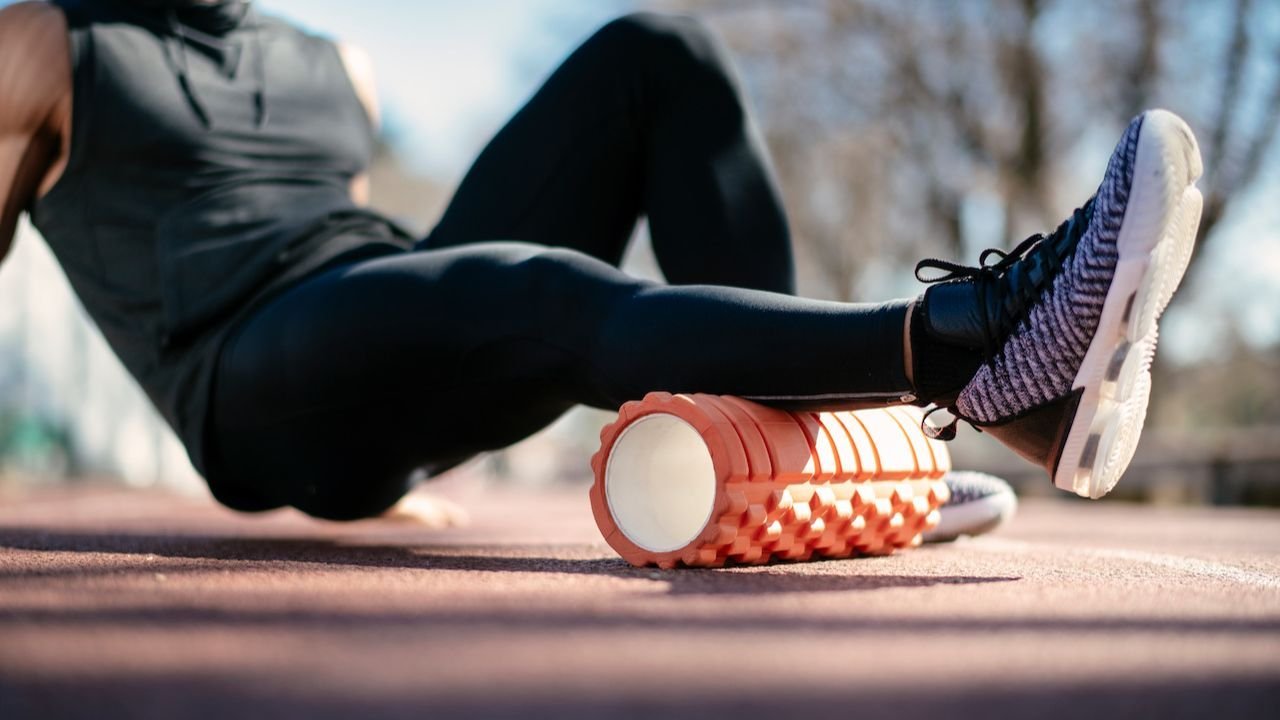
Foam rolling uses a dense foam cylinder to press into tight muscles; a basic session takes 5 to 10 minutes.
What to have ready before you roll
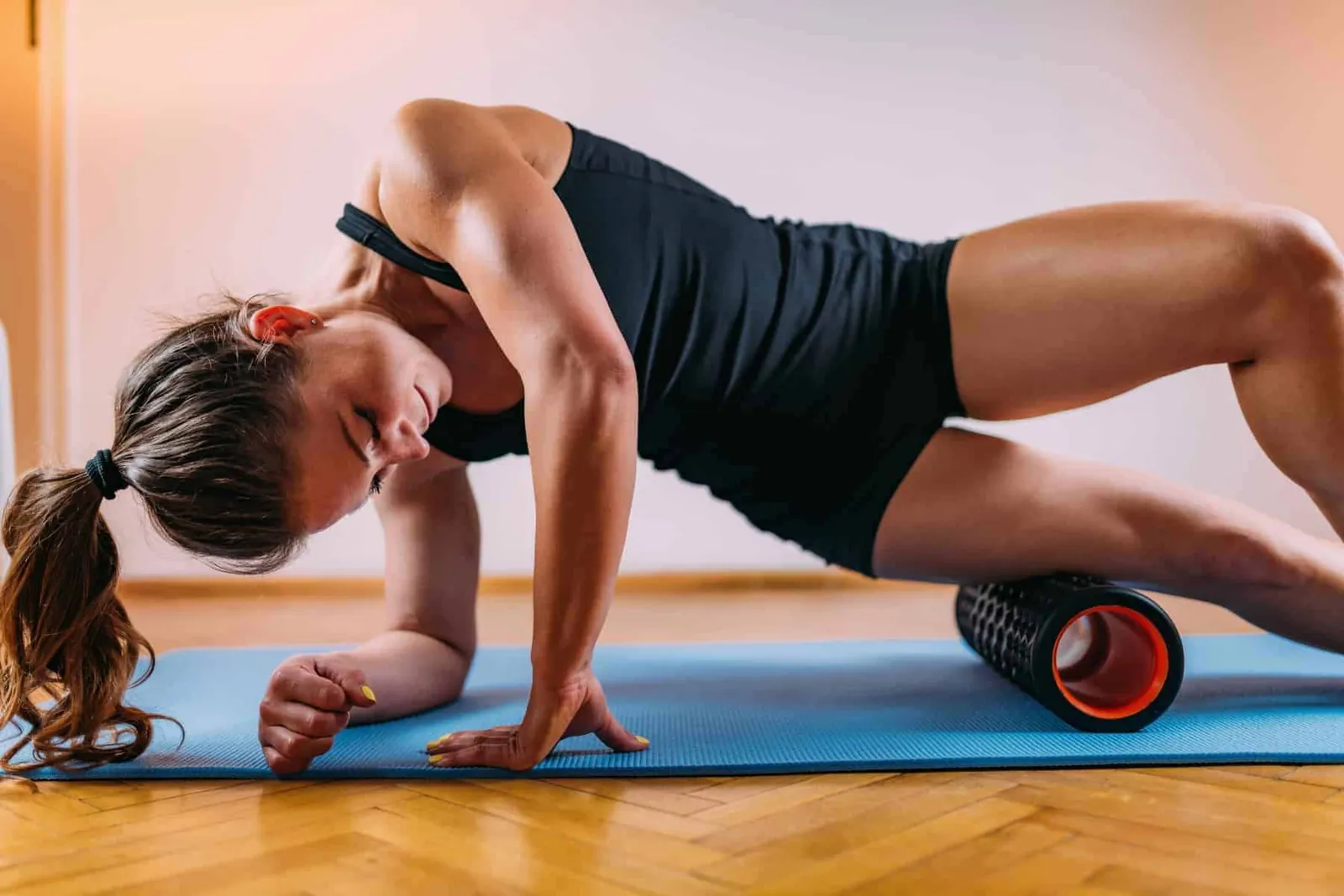
Gather these items before you start.
- A foam roller — a 36-inch smooth roller for legs and back, or a 12-inch one for arms and calves. A soft roller is for beginners; a dense or textured one is for people who already roll often.
- A mat or carpet — something that won’t slide under your hands.
- Loose shorts or leggings — thick seams dig in when you press down.
- A wall or sturdy chair — for balance during calf and quad work.
- A water bottle — drink before and after.
- A timer or phone — 30-second holds are hard to count in your head.
A tennis ball works for small spots like the glutes, but a hard lacrosse ball is too much for most people. If you have a diagnosed injury, get clearance from a physical therapist first.
How to foam roll step by step
- Warm up for 3 to 5 minutes first. Walk, march in place, or do light squats. Cold muscle doesn’t respond well to pressure.
- Place the roller under the target area and lower your body weight onto it. Start with about half your weight — keep one leg or one hand on the floor for support.
- Move slowly, about 1 inch per second. Rolling fast skips the tissue you’re trying to reach.
- Pause on any tender spot for 20 to 30 seconds. Breathe out slowly. The discomfort should ease while you hold.
- Roll the full length of the muscle 5 to 10 times. For quads and hamstrings, that’s roughly 6 inches of travel each way.
Tip: If a spot is too painful to hold, back off and press with less body weight. Sharp pain means stop.
- Switch sides and repeat. Keep total time per muscle group under 2 minutes.
- Stand up and move around. Walk for a minute to let the area settle.
Careful: Never roll directly over a joint, the lower back, the neck, or a fresh bruise. For the lower back, use a ball against a wall instead, or see a physical therapist.
Careful: Skip the roller entirely on an acute injury, a swollen area, or a numb or tingling limb. That’s a job for a doctor or physical therapist, not a foam roller.
How the time and effort change
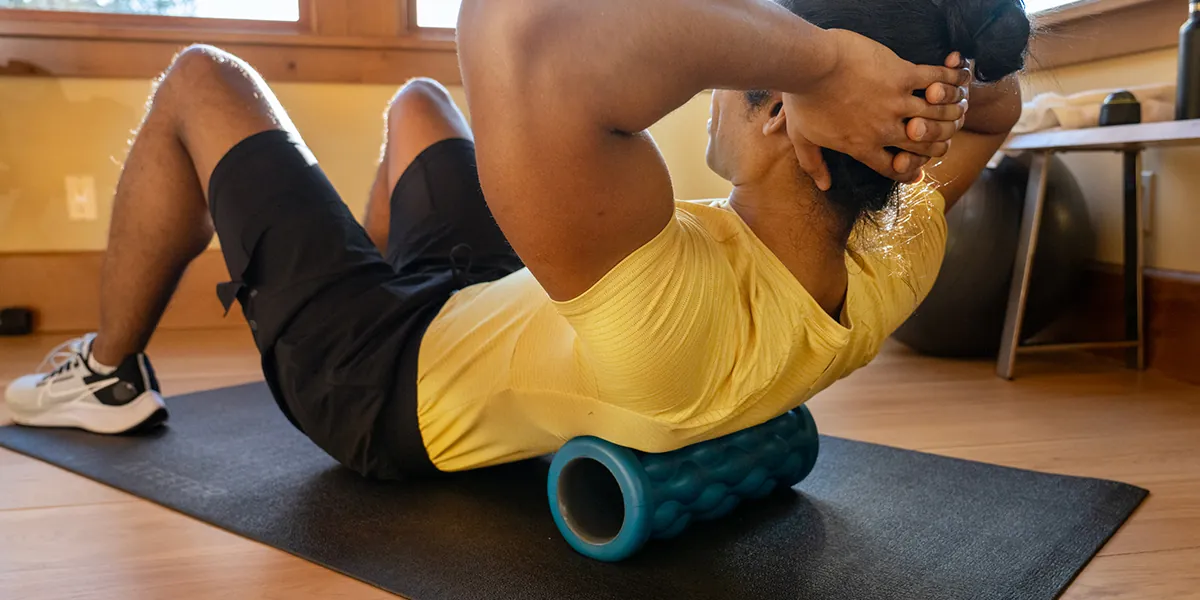
The table below shows how a session shifts with your body weight, the roller you own, and the area you’re working on.
| Your situation | Time per area | What’s different | What to watch |
|---|---|---|---|
| Light body weight, soft roller | 1 to 2 minutes | Less pressure reaches deep tissue | You may need more passes to feel it |
| Higher body weight, dense roller | 30 to 60 seconds | Pressure builds fast | Ease off sooner; bruising is easy |
| Calves and shins | 1 to 2 minutes | Small area, quick work | Don’t roll over the shin bone itself |
| Quads and IT band | 2 to 3 minutes | Large, often tender | Expect more discomfort here |
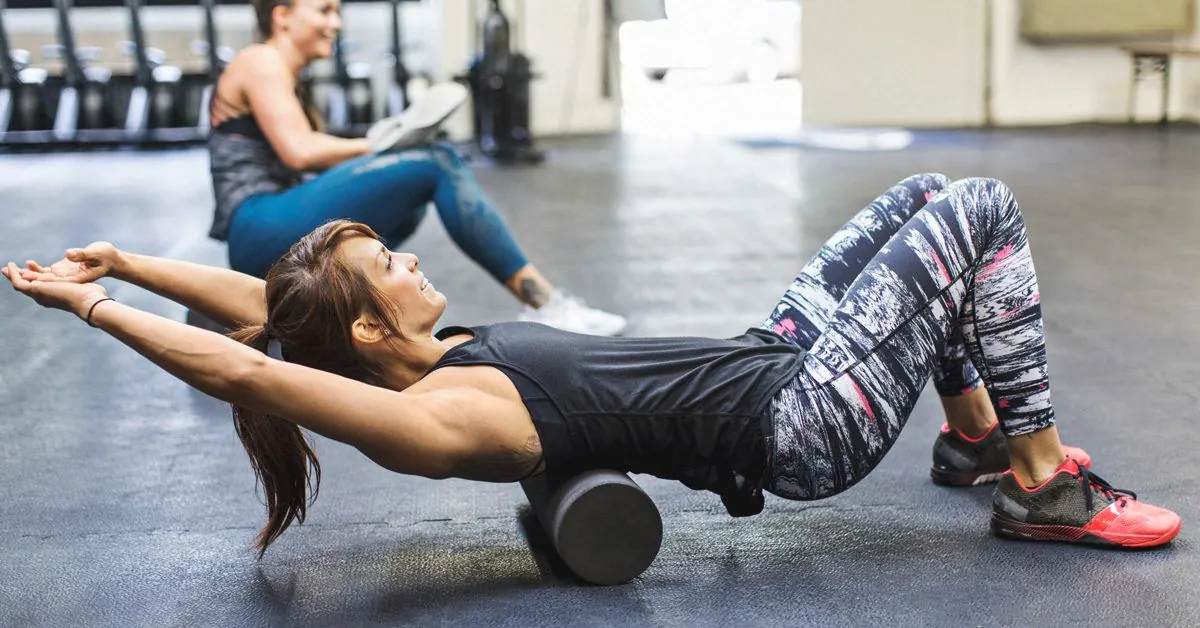
| Upper back | 1 to 2 minutes | Roller sits across the spine | Keep hips on the floor, don’t arch |
Start with one short pass per area and add more next time.
Checking your result
A good session leaves the area feeling looser and warmer, with mild soreness that fades within a day. A poor result is sharp pain during rolling, bruising after, or tightness that’s worse the next morning.
The common quality problem is pressing too hard too soon. It happens because dense rollers concentrate your full body weight into a small spot, and the tissue reacts by tightening up. Three things prevent it: use a softer roller at first, keep one limb on the floor to control your weight, and hold tender spots instead of grinding over them.
Rules and what to do after
The standard advice from the American Council on Exercise and most physical therapy clinics is to keep each muscle group under 2 minutes and avoid rolling a spot for more than 30 seconds. Check the guidance from ACE on foam rolling if you want the full breakdown.
After you finish, wipe the roller down, put it away, and drink some water. The looser feeling usually lasts a few hours. For lasting change, roll most days — three to four sessions a week is a common target. If you have a chronic condition or a recent injury, ask a physical therapist to set your plan.
Other ways to get the same result
Use a massage ball or peanut
A ball reaches small spots the roller can’t, like the glutes and upper back. It’s cheaper and more precise, but you’ll spend more time finding the right position.
Book a sports massage
A therapist works deeper than you can safely do alone, and they’ll spot problems you’d miss. It costs more and needs an appointment, but one session can cover what takes you a week.
Try a percussion massage gun
A gun saves you getting on the floor and works well on the calves and quads. It’s louder and pricier than a roller, and you still need to aim it carefully around joints.
Frequently asked questions
How long should I foam roll?
5 to 10 minutes total for a full session, with 1 to 2 minutes per muscle group. If you’re short on time, pick the two tightest areas and give each 90 seconds.
Can I foam roll every day?
Yes, most people can roll daily without problems. Keep each area under 2 minutes and skip any spot that’s bruised or swollen. If you’re sore the next day, cut back to every other day.
Why does foam rolling hurt so much?
Pressure on tight tissue triggers a pain response, and dense rollers concentrate more of your body weight into a small area. It should feel like firm pressure, not sharp pain. Ease off if it’s sharp.
Is it safe to foam roll my lower back?
No, rolling the lower back directly isn’t recommended. The roller can’t support the spine’s curve, and pressing there can cause injury. Use a ball against a wall, or see a physical therapist.
What happens if I roll too hard?
You can bruise the tissue and leave the area sorer for a day or two. Stop if you see bruising, and use a softer roller or less body weight next time.
How often should I replace my foam roller?
It depends on the material and how often you use it. A foam roller that’s lost its shape, feels soft in the middle, or crumbles at the edges needs replacing. Check the maker’s guidance for your model.
Conclusion
Foam rolling is a cheap, simple tool, but it’s not a cure. Use it to loosen tight spots between workouts, keep the pressure moderate, and see a professional when pain doesn’t fade. A few minutes most days beats one long, hard session.

I am a certified fitness coach with over 10 years of experience helping people improve their strength, endurance, and overall health. Specializes in workout programming, weight training, fat loss, muscle building, home fitness, and evidence-based nutrition.My goal is to make fitness simple and practical through well-researched guides, honest product reviews, and actionable training advice.