
You’ve invested in quality barbell collars to keep your weights secure during every lift. But once your workout is done, how do you store those collars so they stay in great shape and ready for your next session?
If you’re like most lifters, you might toss them in a drawer or leave them scattered around your gym space. That can lead to lost collars, damage, or wasted time searching for them when you need them most. You’ll discover simple, smart ways to store your barbell collars that save space, protect your gear, and make your workouts smoother.
Keep reading to transform your storage habits and get the most from your equipment every time you train.

Credit: www.alaska.it
Types Of Barbell Collars
Barbell collars come in different types, each with unique features. Knowing these types helps in proper storage and use. Proper storage keeps collars in good shape and ready for your next workout. Let’s explore the main types of barbell collars.
Spring Collars
Spring collars use a simple spring mechanism. They squeeze open to fit on the barbell. These collars are lightweight and easy to use. Store them in a small box or hang on a pegboard. Their flexible nature means they can get lost if not kept in one place.
Lock-jaw Collars
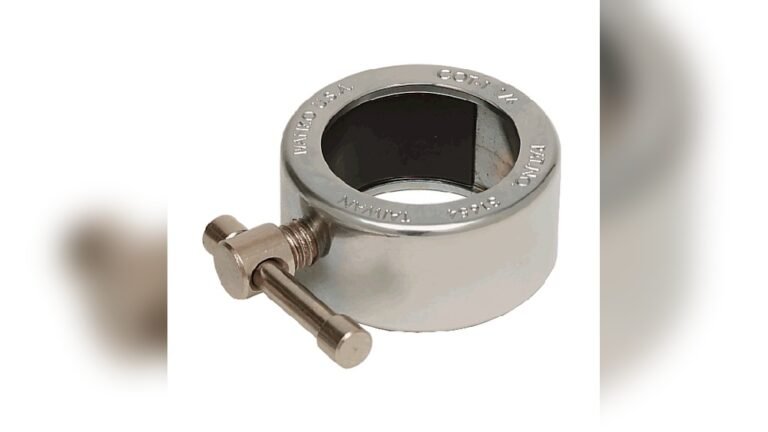
Lock-jaw collars have a lever that locks the collar tightly. They offer a secure hold on the weights. These collars are popular in gyms for safety reasons. Store them on hooks or in bins to avoid damage. Their sturdy design means they last longer with proper care.
Screw-on Collars
Screw-on collars twist to tighten on the barbell. They provide a very firm grip on plates. These collars are heavier and more durable. Keep them on shelves or in toolboxes to protect the threads. Avoid dropping them to maintain their functionality.
Magnetic Collars
Magnetic collars use strong magnets to hold plates in place. They are quick to attach and remove. These collars are less common but very convenient. Store them on metal racks or in padded containers. Magnets can attract metal dust, so keep them clean.
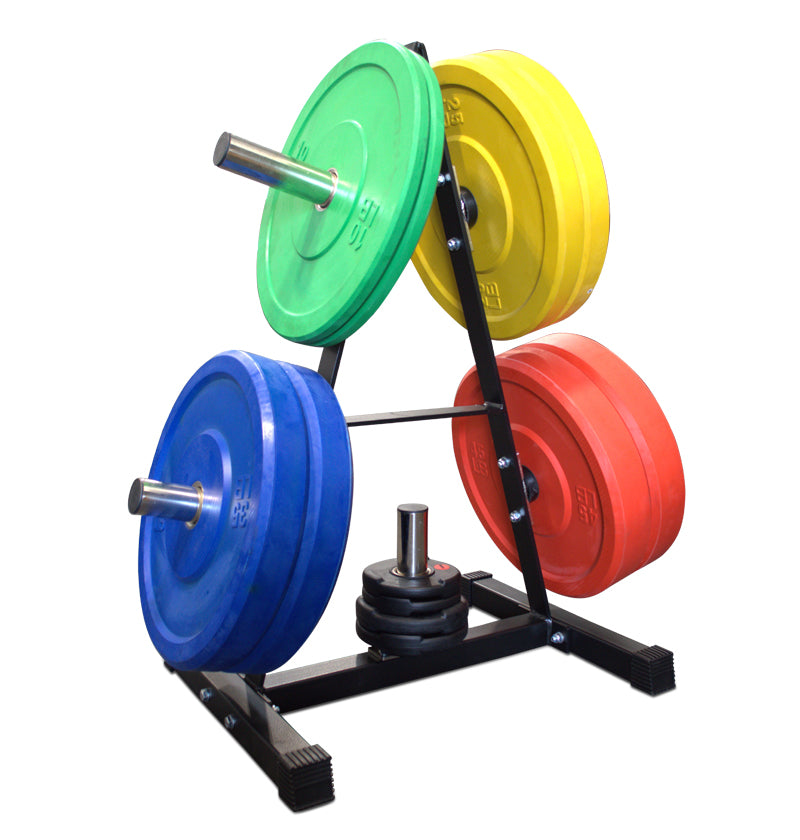
Credit: extremetrainingequipment.com
Common Storage Challenges
Storing barbell collars properly can be tricky. Many face common challenges that affect both space and equipment condition. Understanding these obstacles helps keep collars safe and ready for use. Here are the typical storage problems and ways to handle them.
Space Limitations
Barbell collars are small but can clutter your workout area. Limited space makes organizing them tough. Storing collars in a crowded gym or garage requires smart solutions. Using wall hooks or small bins can save floor space. Compact storage keeps collars in one place and easy to find.
Avoiding Damage
Barbell collars often get scratched or broken if stored carelessly. Dropping them or piling them up causes wear and tear. Damage reduces their grip and safety. Keep collars in padded containers or on soft surfaces. Proper storage protects collars and extends their life.
Preventing Collar Loss
Collars are easy to misplace during workouts. Losing one disrupts your lifting routine and may cause safety issues. Storing collars together in a dedicated spot stops loss. Labeling storage areas or using magnetic holders keeps them visible. This simple step saves time and avoids frustration.
Ideal Storage Solutions
Proper storage for barbell collars keeps your gym tidy and safe. It also extends the life of your equipment. Ideal storage solutions save space and make collars easy to grab. Here are some simple and effective ways to store barbell collars.
Wall-mounted Hooks
Wall-mounted hooks hold barbell collars off the floor. They keep collars visible and accessible. Hooks are easy to install on any gym wall. Use sturdy hooks that support the collar weight. Group hooks close to your workout area for convenience.
Pegboard Systems
Pegboards provide flexible storage with many hanging options. You can add hooks or small bins to hold collars. Pegboards allow quick reorganization as your gym grows. They also make collars easy to find and grab. Mount the pegboard at a comfortable height for easy reach.
Dedicated Shelves
Dedicated shelves offer a simple way to store collars in one place. Choose shelves wide enough to hold multiple collars side by side. Use small bins or trays on shelves to keep collars organized. Shelves can fit in corners or above other gym gear to save space.
Magnetic Storage Racks
Magnetic racks hold metal barbell collars securely on the wall. They keep collars off the floor and reduce clutter. Choose strong magnets to hold collars safely. Magnetic racks are great for metal collars but not for plastic types. Place racks near your lifting station for easy access.
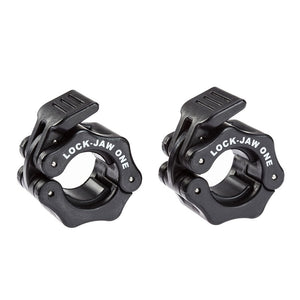
Credit: store.mossa.net
Diy Storage Ideas
DIY storage ideas help keep barbell collars neat and easy to find. Creating your own storage saves money and fits your space. Simple items around the house can become practical holders. Custom racks offer tailored solutions for heavy use. Organize your gym area with these smart ideas.
Using Plant Holders
Plant holders can hold barbell collars securely. Their round shape fits the collars well. Hang a few on the wall for easy access. This method uses vertical space effectively. Choose sturdy holders that support the collars’ weight. It also adds a unique look to your gym.
Repurposing Household Items
Look for empty jars or small buckets to store collars. Old shoe racks or toolboxes work well too. These items keep collars in one place and prevent loss. Label each container for quick identification. Using things you already have cuts down on clutter. It also keeps collars off the floor safely.
Custom Rack Builds
Build a custom rack to fit your exact needs. Use wood or metal to create sturdy holders. Design slots or pegs sized for barbell collars. Mount the rack on a wall or place it on the floor. This option keeps collars organized and easy to grab. A custom rack looks professional and lasts long.
Maintaining Collar Integrity
Maintaining the integrity of your barbell collars is key to their long life and safe use. Proper care prevents damage and keeps them working well. Simple habits can protect your collars from wear and tear over time.
Cleaning And Drying
Clean your collars after each use. Wipe off sweat and dirt with a dry cloth. Use mild soap and water for deeper cleaning. Avoid harsh chemicals that can damage materials. Always dry collars completely before storing. Moisture can cause rust or weaken parts.
Avoiding Excessive Dropping
Never drop your collars on hard floors. Dropping causes cracks or breaks in plastic or metal parts. Handle collars gently when removing or placing them on bars. Use a soft surface or mat during workouts. This reduces impact and helps collars last longer.
Regular Inspection
Check your collars regularly for signs of damage. Look for cracks, loose springs, or worn-out areas. Replace collars immediately if you find any problems. Inspecting often helps avoid accidents during lifting. Keeping collars in good shape ensures your safety.
Storage Tips For Different Gym Setups
Storing barbell collars properly keeps your gym organized and safe. Different gym setups need different storage solutions. Proper storage prevents damage and saves space. Here are tips for home gyms, commercial gyms, and garage gyms.
Home Gyms
Use wall-mounted hooks or small shelves to hold collars. Keep them near your barbell rack for easy access. A pegboard with labeled spots helps keep collars tidy. Use bins or containers to group similar collars together. Avoid piling collars on the floor to prevent damage.
Commercial Gyms
Install heavy-duty wall racks or pegboards for durability. Label storage areas to help users find collars quickly. Use locking cabinets if theft is a concern. Place collars near each lifting station for convenience. Regularly check and clean storage areas to maintain order.
Garage Gyms
Use sturdy hooks or brackets attached to wall studs for support. Consider magnetic strips to hold metal collars securely. Store collars inside plastic bins if dust or dirt is an issue. Keep collars off concrete floors to avoid rust. Create a dedicated collar zone to keep your garage neat.
Safety Practices
Storing barbell collars safely protects you and your equipment. Following key safety practices reduces accidents and keeps collars in good shape. Proper handling and storage prevent damage and extend the life of your gear.
Securing Collars Before Storage
Always lock collars tightly before putting them away. Loose collars can fall off and cause injury. Check each collar for a secure grip on the bar. Store collars in a dry place to avoid rust and damage.
Proper Barbell Handling
Lift barbells with care to avoid dropping them. Dropping bars can damage collars and the bar itself. Use both hands and keep a firm grip. Place barbells gently on racks or storage areas.
Avoiding Equipment Damage
Keep collars and barbells separated during storage. Avoid stacking heavy items on top of collars. Use dedicated hooks or shelves to prevent scratches and dents. Regularly inspect collars for wear and replace if needed.
Frequently Asked Questions
How Should Barbells Be Stored?
Store barbells horizontally on a gun rack or wall-mounted rack to save space and protect the bar. Avoid dropping them. Use vertical racks only if space allows. Keep collars nearby for convenience and prevent damage by ensuring proper support along the bar’s length.
How To Store Dog Collars?
Store dog collars on wall hooks, shelves, or pegboards to save space and keep them organized. Avoid tangling by hanging each collar separately. Clean collars before storing to maintain their condition and prevent odors. Choose a dry, cool area away from direct sunlight for longer collar life.
Why Should You Not Drop An Empty Barbell?
Dropping an empty barbell damages its rotating sleeves and metal components. This reduces lifespan and increases replacement costs. Always place barbells down gently to maintain their function and avoid costly repairs.
Where To Store Ez Curl Bar?
Store your EZ curl bar horizontally on a rack or wall-mounted hooks to save space and prevent damage. Avoid vertical storage to protect its coating.
Conclusion
Properly storing barbell collars keeps your gym organized and safe. Use hooks, shelves, or dedicated holders to keep them accessible. Avoid tossing collars on the floor to prevent damage and loss. Regularly check your storage setup to ensure collars stay secure and easy to find.
A simple storage solution saves time during workouts and extends collar life. Keep your space tidy and your equipment ready for every lift.
I am a certified fitness coach with over 10 years of experience helping people improve their strength, endurance, and overall health. Specializes in workout programming, weight training, fat loss, muscle building, home fitness, and evidence-based nutrition.My goal is to make fitness simple and practical through well-researched guides, honest product reviews, and actionable training advice.