When you’re lifting weights, keeping your plates secure is crucial, not just for your safety but also for maintaining focus and confidence during your workout. That’s where barbell collars come in.
But did you know there are different types of barbell collars, each designed to suit various training styles and preferences? Whether you’re just starting out or looking to upgrade your home gym, understanding the differences between spring collars, clamp collars, and lockjaw collars can make a big impact on your lifting experience.
You’ll discover which type matches your needs best and why choosing the right collar matters more than you might think. Keep reading, and get ready to lift smarter and safer!
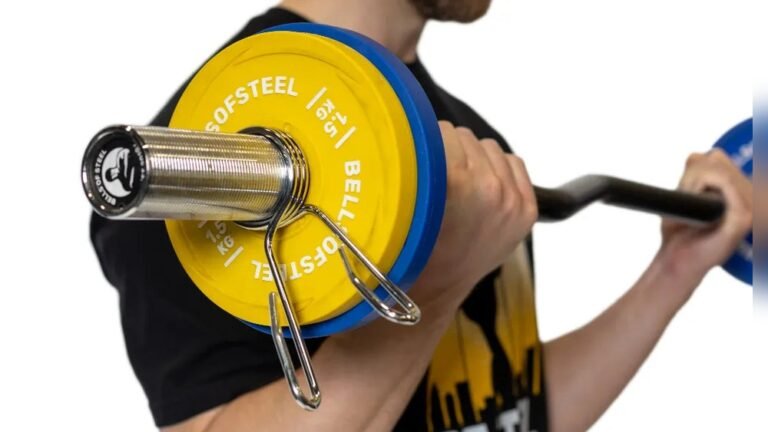
Spring Collars
Spring collars are the simplest type of barbell collars. They use a metal spring to grip the barbell sleeve tightly. These collars keep weight plates secure during lifting. Their design allows for quick and easy attachment and removal. Many beginners and casual lifters choose spring collars for their convenience.
Design And Mechanism
Spring collars consist of a coiled metal wire bent into a circular shape. The ends have handles to squeeze and open the collar. When squeezed, the collar expands to slide onto the barbell sleeve. Releasing the handles lets the spring clamp firmly around the plates. The tension of the spring keeps the plates from moving.
Pros And Cons
Spring collars are lightweight and inexpensive. They are easy to use and quick to remove. Their simple design means fewer parts can break or wear out.
These collars may not hold as tightly with very heavy weights. The spring tension can weaken over time. They may slip if the barbell sleeve is oily or dusty.
Best Uses
Spring collars work well for light to moderate weightlifting. They suit home gyms and beginners who need fast changes. These collars are great for exercises with less intense movement. They are less ideal for heavy powerlifting or Olympic lifts. Spring collars keep your workouts safe and efficient at lighter loads.
Clamp Collars
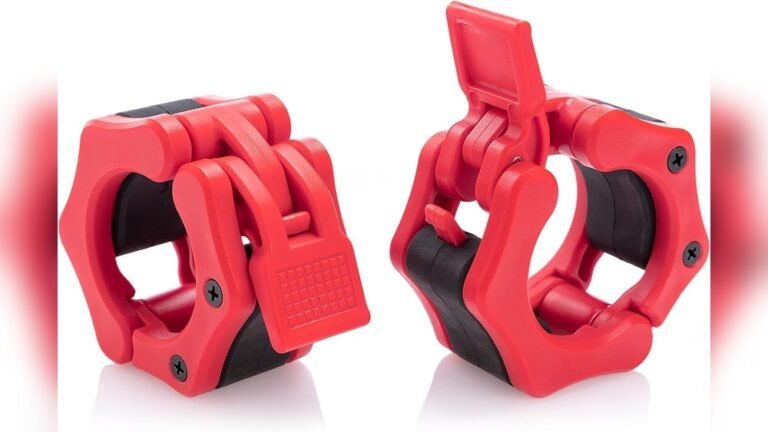
Clamp collars are a popular choice for securing weight plates on barbells. They use a strong lever to lock tightly around the barbell sleeve. This design offers better stability than simple spring collars. Clamp collars are easy to use and provide a firm hold, which helps prevent plates from slipping during lifts.
Lever Mechanism
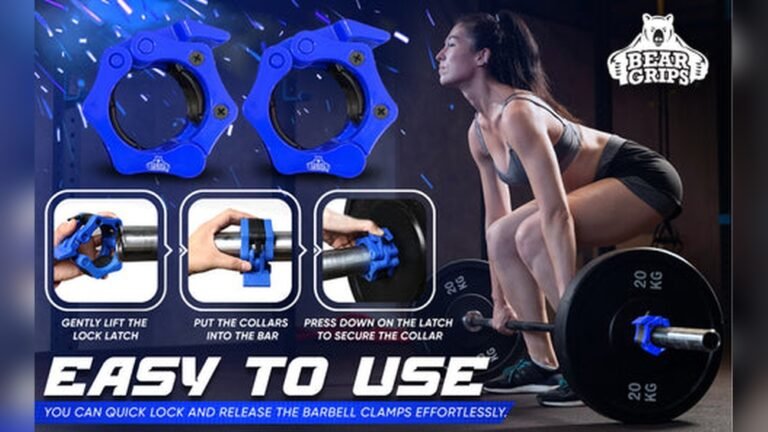
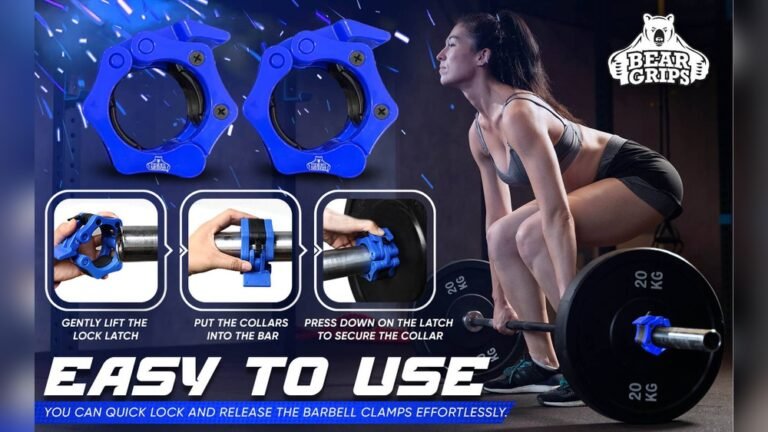
The key feature of clamp collars is the lever mechanism. This lever clamps down on the barbell sleeve with strong pressure. It creates a tight grip that keeps plates secure even during heavy lifts. The lever is simple to operate, making it quick to attach and remove the collar.
Security And Grip
Clamp collars provide excellent security for weight plates. Their firm grip stops plates from moving or sliding. This reduces the risk of accidents or uneven weight distribution. The lever lock also stays tight, so there is little chance of loosening mid-workout.
Ideal Scenarios
Clamp collars work best for heavy lifting and Olympic style bars. They suit powerlifters and weightlifters who need a strong hold. These collars are also good for fast-paced workouts where quick plate changes matter. They fit most standard and Olympic barbell sleeves.
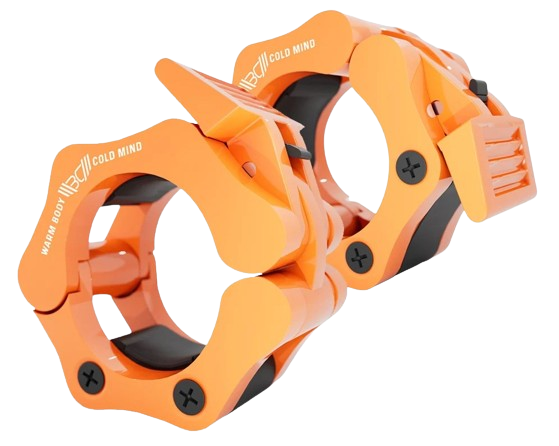
Lockjaw Collars
Lockjaw collars are popular barbell collars known for their strong grip and quick-release design. They fit tightly around the barbell sleeve to keep weight plates secure during workouts. These collars are favored by many weightlifters for their ease of use and reliability.
Locking Features
Lockjaw collars use a lever mechanism to clamp down firmly. The lever locks the collar in place with a simple flip. This design allows fast installation and removal. The tight grip prevents the collar from slipping under heavy loads. No tools are needed to operate these collars, saving time during workouts.
Durability And Safety
Made from high-quality metal, lockjaw collars resist wear and tear. Their sturdy build stands up to heavy lifting sessions. The lever system secures the collar tightly, reducing the risk of plates moving. This stability improves safety during exercises like squats and deadlifts. Many lockjaw collars also feature protective padding to prevent bar damage.
When To Choose
Choose lockjaw collars for quick and secure plate locking. They suit lifters who change weights often. These collars work well for both home and commercial gyms. Use them when lifting heavy or doing fast-paced workouts. Their reliable hold helps maintain focus and safety during training.
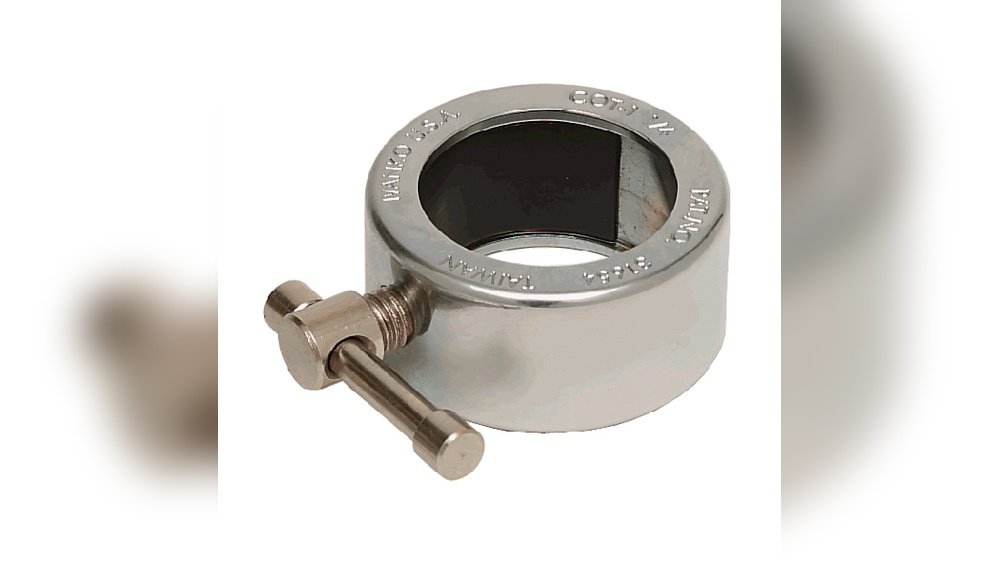
Spin Lock Collars
Spin lock collars are a classic choice for securing weight plates on a barbell. They screw onto the threaded ends of the barbell sleeves. This design helps keep plates tightly in place during lifting. Spin lock collars offer a reliable hold for many types of workouts.
Threaded Design
Spin lock collars feature a simple threaded design. The collar screws onto the barbell sleeve’s threads. This threading creates a tight grip on the plates. The design prevents plates from sliding off during exercise. It works well with standard barbells that have threaded ends.
Ease Of Use
Using spin lock collars is straightforward. You twist the collar clockwise to tighten it. To remove, twist counterclockwise. This process is quick but requires care to avoid cross-threading. The collars fit snugly and rarely loosen during workouts. They suit lifters comfortable with screwing collars on and off.
Weight Capacity
Spin lock collars can hold a moderate amount of weight. Their grip depends on how tightly you screw them on. They work well for home gym lifting and moderate loads. For very heavy lifting, some prefer other collar types. Still, spin lock collars provide solid security for most strength training.
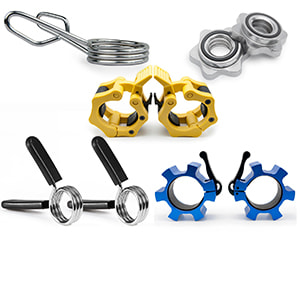
Snap Lock Collars
Snap lock collars are popular among weightlifters for their ease and speed of use. They provide a quick way to secure weight plates on a barbell. These collars snap into place and hold firmly during workouts. Their design balances convenience with a strong grip, making them a favorite in many gyms.
Clip Mechanism
Snap lock collars use a simple clip mechanism. The collar opens wide to fit around the barbell sleeve. When released, the clip snaps shut, locking the collar tightly. This mechanism keeps the plates from sliding off. It works without needing tools or extra adjustments.
Advantages
Snap lock collars are very fast to put on and take off. They save time during workouts with quick changes. Their secure grip reduces the risk of plates moving. Many models are lightweight and easy to carry. This type is good for both beginners and experienced lifters.
Limitations
Snap lock collars may wear out with heavy use. The clip can lose tension, making the collar less secure. Some models fit only specific barbell sizes. They might not hold as tightly as clamp collars for very heavy lifts. Regular checks are needed to ensure safety.
Credit: www.alohamuscle.com
Magnetic Collars
Magnetic collars are a modern option for securing weights on barbells. They use magnets to attach firmly to the barbell sleeves. This design allows quick and easy changes during workouts. Magnetic collars provide a strong hold without the need for twisting or clamping motions.
Unique Features
Magnetic collars use strong magnets to grip the barbell tightly. They are lightweight and compact. These collars do not require manual tightening or springs. The smooth surface reduces wear on the barbell sleeves. Their quick-release design saves time during weight changes.
User Experience
Users find magnetic collars simple and fast to use. They slide easily onto the barbell sleeves. The magnetic hold feels secure during lifts. Removing them takes just a quick pull. Many appreciate the convenience compared to traditional collars.
Suitability
Magnetic collars suit lifters who change weights often. They work well for moderate to heavy lifting. Ideal for home gyms and fitness classes. Less suited for very heavy or competitive lifting. Great for those who want ease and speed in workouts.
Material Types
Barbell collars come in different materials that affect their performance and feel. Choosing the right material ensures safety and ease during workouts. Materials also influence the collar’s weight, grip, and durability. This section explains the main material types used for barbell collars.
Metal Vs Plastic
Metal collars are strong and provide a secure hold on the barbell. They often have a heavier feel and can last longer. Plastic collars are lighter and easier to handle. They may not be as durable as metal but work well for lighter weights. Metal collars suit heavy lifting, while plastic collars fit casual workouts.
Durability Factors
Metal collars resist damage from drops and impacts. They rarely crack or break under pressure. Plastic collars can wear out faster and may crack over time. High-quality plastic collars use reinforced materials to improve strength. Durability depends on the quality of the material and how you use the collar.
Grip And Comfort
Metal collars can feel cold and hard on hands. Some metal collars have rubber grips for better comfort. Plastic collars often have textured surfaces that improve grip. They feel lighter and less sharp during quick changes. Comfort matters for fast workouts and frequent collar adjustments.
Choosing Collars For Safety
Choosing collars for safety is vital for any weightlifting session. Proper collars secure weight plates and prevent accidents. Selecting the right collar depends on several factors. Consider the weight, barbell type, and your experience level. Each affects how well the collar performs and keeps you safe.
Weight And Load Considerations
Heavier weights need collars with a strong grip. Spring collars work well for light loads but may slip under heavy pressure. Clamp collars provide a tighter hold, ideal for medium to heavy weights. Lockjaw collars offer the highest security for very heavy lifting. Match the collar strength with your training load to avoid plate movement.
Barbell Compatibility
Not all collars fit every barbell. Olympic barbells require collars designed for their sleeve diameter. Standard barbells need smaller collars that fit snugly. Some collars are adjustable, fitting multiple bar sizes. Check the collar size before purchase to ensure a secure fit. Proper fit prevents collar slippage during lifts.
User Skill Level
Beginners benefit from simple, easy-to-use collars like spring collars. They are quick to put on and remove. Intermediate lifters may prefer clamp collars for extra security. Experienced lifters often choose lockjaw collars for the best hold during heavy lifts. Match collar type with skill level for safe and efficient workouts.
Budget Options
Budget options for barbell collars offer a practical way to secure weights without spending too much. These collars work well for beginners or those who train casually. While they may lack some advanced features, they still provide reliable support during workouts. Choosing budget collars can help you save money and still keep your weight plates safe.
Affordable Choices
Spring collars are the most affordable type available. They use simple metal springs to grip the barbell sleeves. These collars are light and easy to use. Clamp collars come next in price and offer a firmer hold. They use a lever to lock plates in place. Both options suit light to moderate weight lifting.
Performance Trade-offs
Budget collars may not hold as tightly as premium models. Spring collars can slip under heavy loads. Clamp collars need more effort to open and close. They might wear out faster with frequent use. These trade-offs matter if you lift very heavy weights often. For casual workouts, they still perform well enough.
Best Value Picks
Look for collars made from durable steel or strong plastic. Some spring collars have improved grips for easier handling. Clamp collars with solid levers provide better security. Brands with good reviews often balance price and quality well. These picks offer the best value for budget-conscious lifters.

Credit: www.littleblokefitness.com.au
High-end Collars
High-end barbell collars offer advanced solutions for serious lifters. They provide superior grip and safety during heavy lifts. These collars combine quality materials with precise engineering. They ensure plates stay firmly in place without slipping. Investing in high-end collars improves workout confidence and performance.
Premium Features
High-end collars feature durable metals like aluminum or steel. They often include quick-release levers for fast adjustments. Many have rubber or silicone padding to protect barbell sleeves. Some models offer ergonomic designs for easy handling. These features reduce workout interruptions and increase convenience.
Longevity And Warranty
These collars are built to last through intense use. Their strong materials resist rust and wear over time. Many brands back their products with extended warranties. This protects your investment and shows manufacturer confidence. High-end collars maintain performance even after years of training.
Top Brands
Rogue Fitness is a popular name for high-end collars. They offer solid build quality and reliable locking systems. Another trusted brand is OSO, known for innovative designs. Lock-Jaw collars also stand out with strong grips and easy use. Choosing a reputable brand ensures you get a quality product.
Maintenance Tips
Proper maintenance of barbell collars ensures safety and durability during workouts. Regular care keeps collars functioning well and extends their lifespan. Simple habits can prevent damage and improve performance.
Cleaning Methods
Wipe barbell collars with a damp cloth after each use. Remove dirt, sweat, and dust to avoid buildup. Use mild soap and water for deeper cleaning. Avoid harsh chemicals that may damage materials. Dry collars completely before storage to prevent rust.
Storage Suggestions
Store collars in a dry, cool place away from direct sunlight. Keep them off the floor to avoid moisture and dirt. Use a dedicated container or shelf to organize collars. Avoid stacking heavy objects on top, which can deform the collars. Proper storage helps maintain shape and function.
When To Replace
Inspect collars regularly for signs of wear or damage. Replace if the locking mechanism becomes loose or fails. Look for cracks, bends, or rust that affect performance. Do not use collars that do not hold weights securely. Timely replacement prevents accidents and ensures safety.
Credit: blog.warmbody-coldmind.com
Frequently Asked Questions
What Are The Different Types Of Barbell Collars?
Barbell collars include spring collars, clamp collars, and lockjaw collars. Spring collars use metal springs. Clamp collars tighten with a lever. Lockjaw collars lock securely with a mechanism. Each type offers varying security and ease of use for holding weight plates.
What Are The Three Types Of Collars?
The three types of collars are flat, standing, and rolled. Flat collars lie flat at the neckline. Standing collars stand upright. Rolled collars have a curved edge for a softer look.
What Is The Most Secure Barbell Collar?
The most secure barbell collar is the lockjaw or clamp collar. It uses a locking lever for a tight, reliable grip. These collars prevent weight plates from slipping during heavy lifts, ensuring safety and stability. Many athletes prefer them for their strong hold and ease of use.
What Type Of Collars Are Typically Used On Olympic Barbells?
Olympic barbells typically use clamp collars, also known as Olympic collars, which secure plates firmly with a lever mechanism. These collars provide a more secure hold than spring collars, ideal for heavy lifting. Screw-lock and spring collars are less common but still used in some setups.
Conclusion
Choosing the right barbell collar depends on your workout needs. Spring collars suit light lifting and quick changes. Clamp collars offer strong grip for heavier weights. Lockjaw collars combine ease and security for varied workouts. Each type has benefits and limits to consider.
Pick collars that match your barbell and training style. Safe workouts start with collars that hold plates firmly. Stay consistent and protect your progress with the best fit. Barbell collars keep your gym sessions safe and effective.
I am a certified fitness coach with over 10 years of experience helping people improve their strength, endurance, and overall health. Specializes in workout programming, weight training, fat loss, muscle building, home fitness, and evidence-based nutrition.My goal is to make fitness simple and practical through well-researched guides, honest product reviews, and actionable training advice.