If you’re ready to boost your workout and add some serious power to your routine, a foam plyo box is exactly what you need. But how do you use it safely and effectively?
This guide is designed just for you—to walk you through everything from the basics to advanced moves. Whether you’re a beginner or looking to sharpen your technique, you’ll discover simple tips that make a big difference. Keep reading to unlock the full potential of your foam plyo box and transform your fitness game step by step.
Foam Plyo Box Basics
Understanding the basics of a foam plyo box helps you use it safely and effectively. This fitness tool supports many exercises to build strength and agility. Knowing its features and sizes guides you to the right choice for your workouts.
Start with simple moves and increase difficulty as you gain confidence. Foam plyo boxes fit well in home gyms and fitness centers. Let’s explore the essentials of foam plyo boxes below.
What Is A Foam Plyo Box
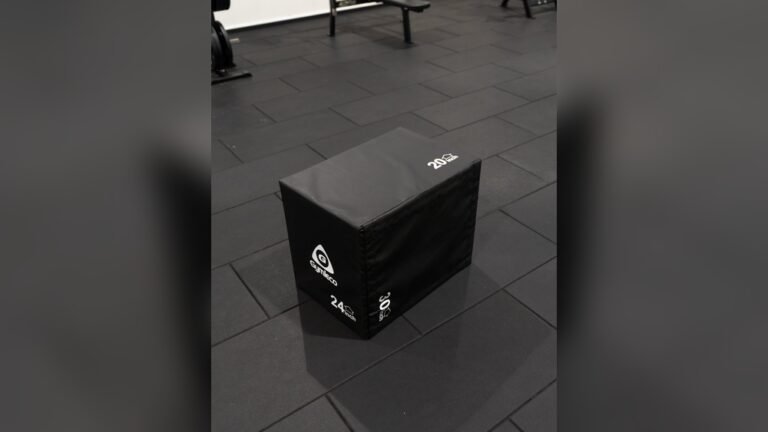
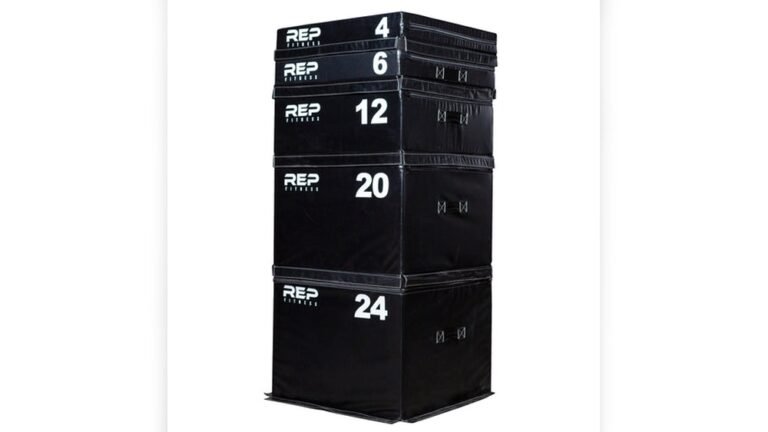
A foam plyo box is a soft, padded platform for jump training. It helps improve explosive power and coordination. Unlike wooden boxes, foam versions reduce injury risk. They offer a safe landing surface for plyometric exercises.
Common exercises include box jumps, step-ups, and lateral jumps. The foam structure absorbs impact, protecting knees and ankles. This makes it ideal for beginners and advanced athletes alike.
Key Features And Benefits
Foam plyo boxes have several important features. They are lightweight and easy to move. Their soft surface cushions joints during high-impact landings. The boxes often have non-slip covers for secure footing.
They help increase speed, power, and balance. Using them regularly improves muscle strength and endurance. Foam plyo boxes also reduce noise compared to wooden boxes. This benefit suits shared or quiet workout spaces.
Different Sizes And Materials
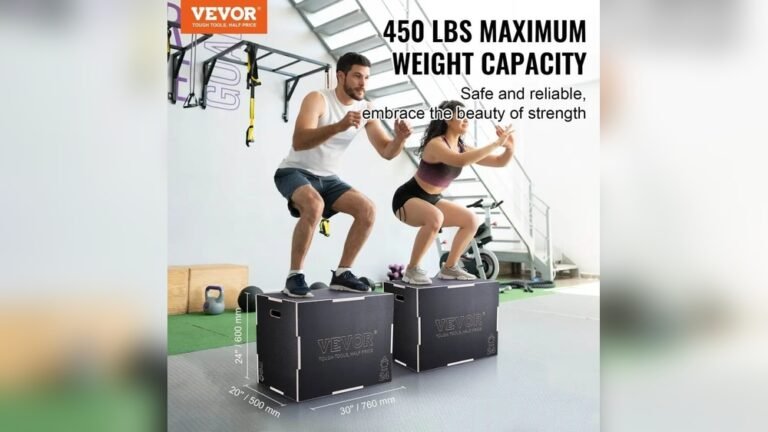
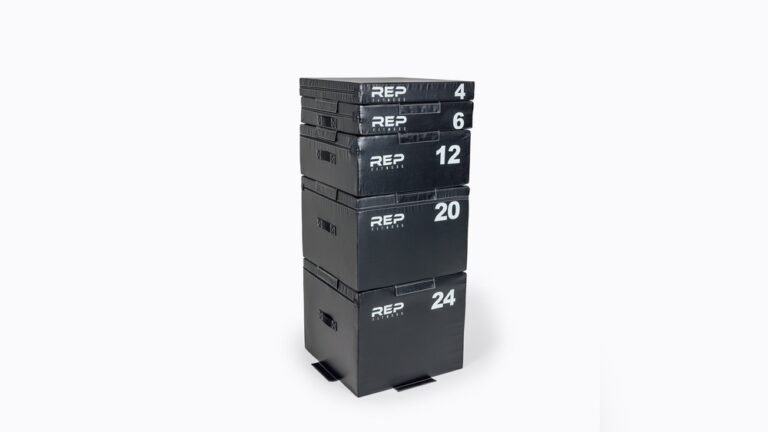
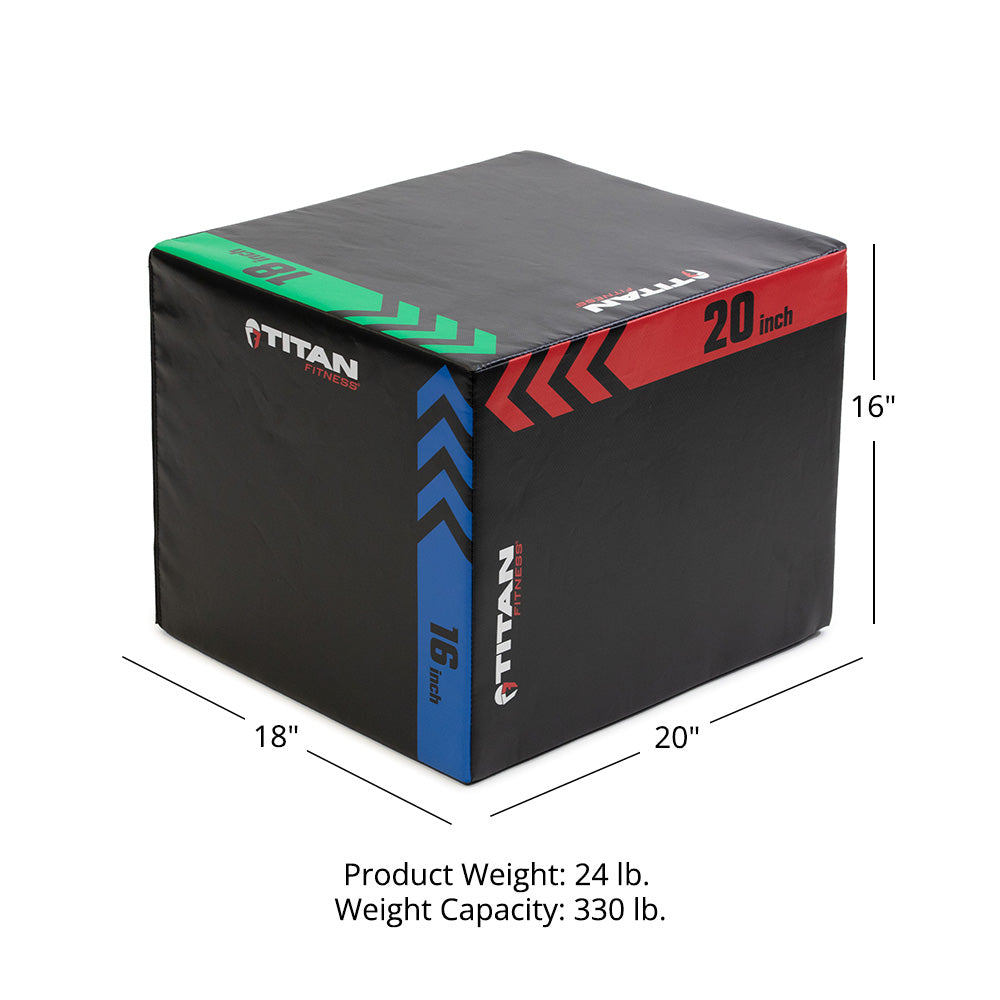
Foam plyo boxes come in various sizes to match fitness levels. Common heights include 12, 18, and 24 inches. Some boxes offer a three-sided design with multiple height options. This allows easy adjustment for different exercises.
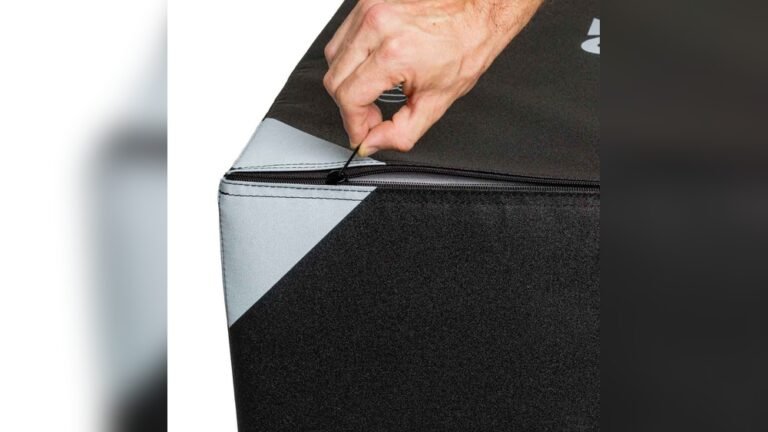
Materials used include high-density foam and durable vinyl covers. The foam provides firm support while remaining soft enough to prevent injury. Vinyl covers resist sweat and are easy to clean. Choose a size and material that fits your workout space and goals.
Choosing The Right Box
Choosing the right foam plyo box is essential for effective and safe workouts. The correct box supports your fitness goals and prevents injuries. This guide helps you pick the best plyo box based on size, material, and safety factors.
Selecting Size For Your Goals
Pick a size that fits your workout needs and skill level. Beginners should start with lower boxes to build confidence. Taller boxes increase difficulty and improve explosive power. Consider adjustable boxes for versatile training. Your height and jumping ability guide size choice. Always test the box height before use.
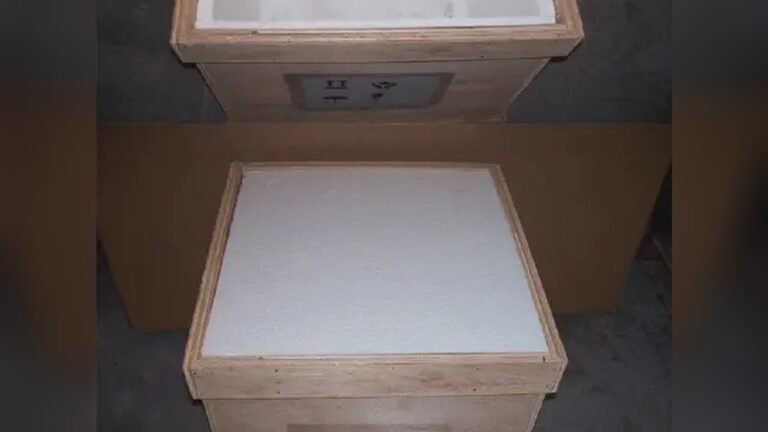
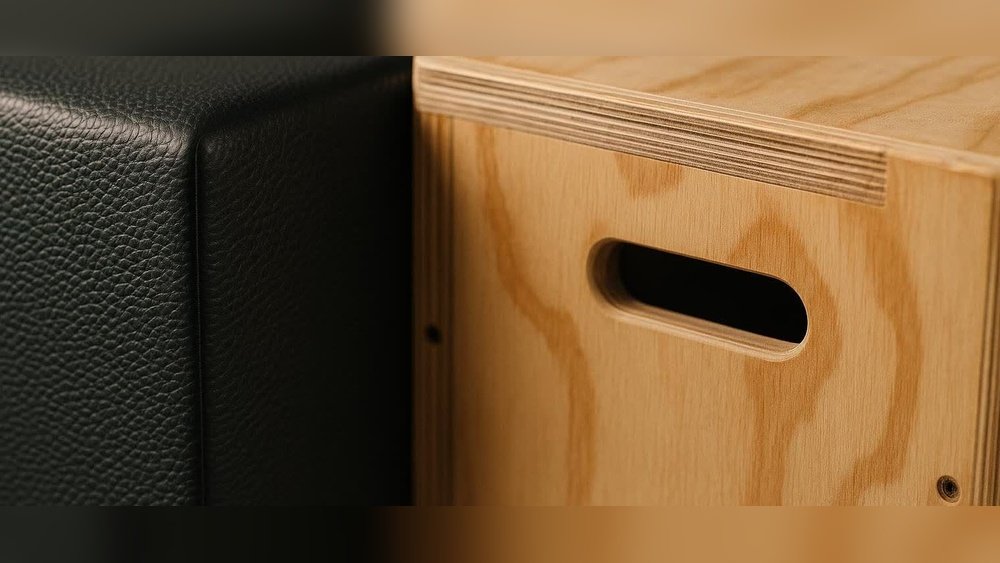
Comparing Foam Vs. Wooden Plyo Boxes
Foam boxes offer soft landings and reduce injury risk. They are lightweight and easy to move. Wooden boxes provide firm surfaces and last longer. They may be heavier and harder on joints. Foam is ideal for beginners and rehab exercises. Wood suits advanced athletes seeking stability. Choose based on workout style and comfort.
Safety Considerations
Check the box for sturdy construction and no sharp edges. Use non-slip surfaces to avoid slipping during jumps. Always place the box on flat, stable ground. Inspect foam boxes for tears or wear before each use. Never jump if you feel unsure or tired. Proper footwear improves grip and support. Safety ensures consistent progress and prevents setbacks.
Setting Up Your Workout Space
Creating the right workout space is key for safe foam plyo box training. The area needs to support your movements and provide stability. Planning your space helps avoid injuries and improves performance.
Keep the space clear of clutter and distractions. A calm, focused environment helps you stay on track. The setup should encourage consistent use and easy access to your plyo box.
Ideal Surface And Environment
Choose a flat, non-slip surface to place your foam plyo box. Hardwood floors, gym mats, or rubber flooring work well. Avoid uneven or slippery floors that increase fall risk.
Make sure the area has enough room around the box. You need space to jump, land, and move freely. Good lighting helps you see clearly and stay safe.
Proper Footwear And Attire
Wear shoes with good grip and cushioning. Running or cross-training shoes offer support and protect your feet. Avoid worn-out shoes that reduce stability.
Choose comfortable clothes that allow free movement. Breathable fabrics help keep you cool during workouts. Avoid loose clothing that can catch on the box or floor.
Warm-up Tips
Start with light cardio like jogging or jumping jacks. This raises your heart rate and warms your muscles. Stretch key areas like calves, quads, and hamstrings.
Perform dynamic stretches such as leg swings or lunges. These prepare your body for jumping and landing. Spend 5 to 10 minutes warming up before using the plyo box.
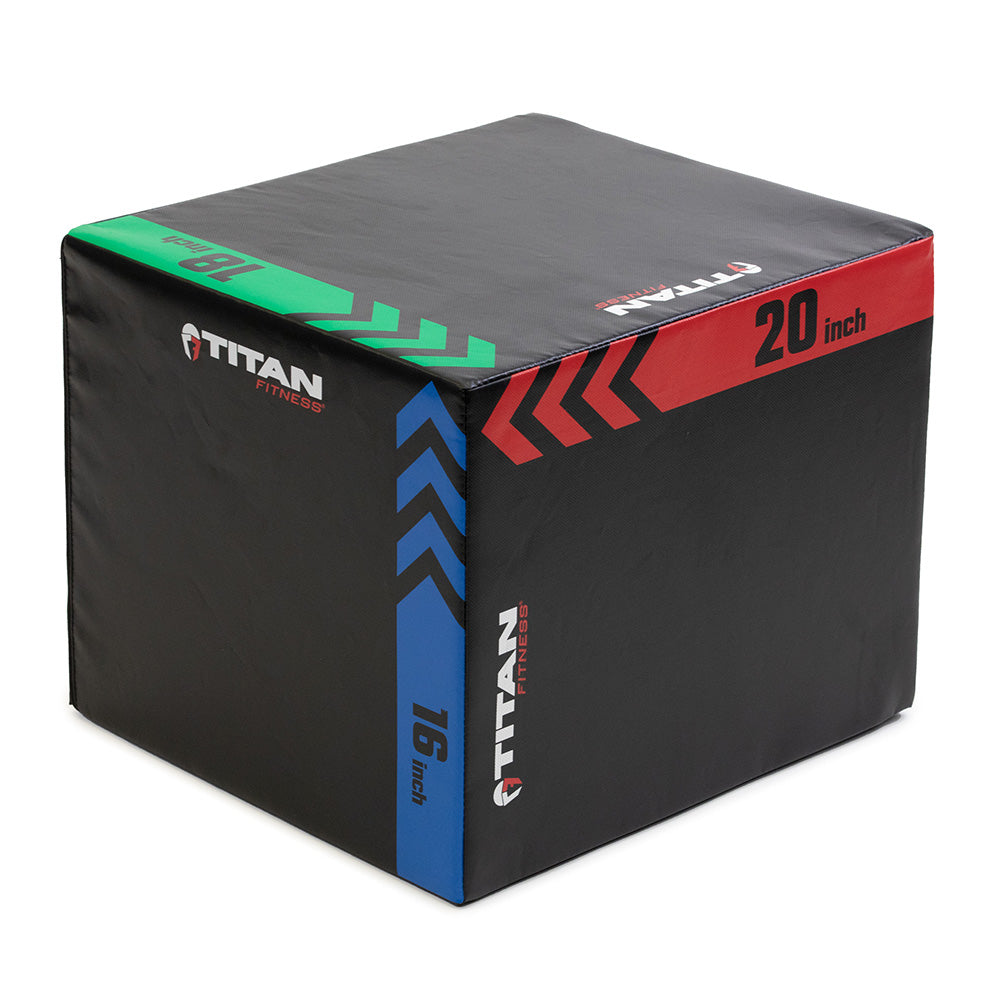
Credit: titan.fitness
Basic Foam Plyo Box Exercises
Basic foam plyo box exercises build strength, balance, and coordination. These workouts suit beginners and improve overall fitness. Start with simple moves to gain confidence and avoid injury.
Use the foam plyo box for low-impact, controlled motions. It is soft, stable, and safe for home or gym use. Focus on form and steady progress.
Step-ups And Step-downs
Stand facing the box with feet shoulder-width apart. Step one foot onto the box and push through the heel. Bring the other foot up and stand tall. Step down one foot at a time. Repeat on each leg. This exercise strengthens legs and improves balance.
Box Jumps For Beginners
Stand close to the box with feet hip-width apart. Bend knees slightly and swing arms back. Jump softly onto the box, landing with both feet flat. Step down carefully. Start with a low box to build power and confidence. This improves explosive strength and agility.
Lateral Jumps
Stand beside the box with feet together. Bend knees and jump sideways over the box. Land softly with knees bent. Jump back to the starting side. Keep your core tight and eyes forward. Lateral jumps increase side-to-side agility and coordination.
Advanced Explosive Moves
Advanced explosive moves with a foam plyo box build power and speed. These exercises push your limits and improve athletic performance. Use the box to train your muscles for fast, strong jumps. Focus on control and landing softly to avoid injury.
Depth Jumps
Start by standing on the foam plyo box. Step off and land softly on the ground. Immediately jump upward as high as you can. This move trains your muscles to react quickly after landing. It improves your jump height and strength. Keep your knees bent when you land to absorb impact.
Single-leg Box Jumps
Stand on one foot in front of the plyo box. Jump onto the box using only that foot. Land softly and keep your balance. This exercise builds strength in each leg separately. It helps fix muscle imbalances and improves stability. Switch legs after each jump for equal training.
Bounding And Plyometric Circuits
Create a circuit with different plyo box exercises. Include bounding jumps, box jumps, and step-downs. Move quickly from one exercise to the next without resting. This type of training boosts endurance and explosive power. It also increases coordination and agility. Use the foam box for safety and comfort during fast moves.

Credit: www.amazon.com
Form And Technique Tips
Using a foam plyo box correctly reduces injury risk and improves results. Good form and technique keep your body safe and help you get stronger. Focus on how you land, align your knees and hips, and control your breathing and timing. These tips make your workouts better and more effective.
Landing Softly
Always aim to land softly on the box. Bend your knees slightly to absorb impact. Avoid stiff legs to protect your joints. Soft landings reduce stress on ankles and knees. Landing quietly shows control and balance. Practice landing gently to improve your plyo workout.
Knee And Hip Alignment
Keep your knees aligned with your hips and feet. Avoid letting knees collapse inward. Proper alignment prevents knee pain and injury. Engage your core to maintain balance. Straight knees and hips help you jump higher and land safely. Check your form in a mirror if possible.
Breathing And Timing
Breathe deeply and steadily during exercises. Exhale when you jump or push off the box. Inhale as you prepare to land or rest. Good breathing boosts your energy and focus. Timing your jumps with your breath helps maintain rhythm. Controlled breathing supports better endurance and power.
Common Mistakes To Avoid
Using a foam plyo box can boost your workout results. Avoiding common mistakes helps you stay safe. These errors often cause injury or slow progress. Focus on correct form and smart habits to get the best results.
Pay attention to how you jump, land, and prepare. Small changes make a big difference in your training.
Overjumping And Overreaching
Do not jump too far or too high beyond your skill level. Overjumping risks falling or hurting your ankles. Overreaching stretches your muscles too much and can cause strains. Choose a box height that matches your strength. Gradually increase the height as you improve.
Ignoring Warm-up
Skipping warm-up can lead to muscle pulls and joint pain. Warm muscles perform better and reduce injury risk. Spend five to ten minutes warming up with light cardio and stretching. Prepare your legs, hips, and ankles before jumping.
Poor Landing Mechanics
Landing incorrectly stresses your knees and joints. Avoid landing stiff or on straight legs. Always bend your knees and absorb impact softly with your feet flat. Keep your body balanced and controlled during landing. Good landing technique protects your body and improves performance.
Safety And Injury Prevention
Using a foam plyo box can boost your workout power and speed. Safety and injury prevention matter most. Follow simple rules to protect yourself. These tips help you train smarter and avoid harm.
Stay alert and cautious during each jump or step. Proper care makes your workout safe and effective.
Using Spotters And Supports
Spotters can catch you if you lose balance. They add safety when trying new or high jumps. Use supports like walls or bars for extra help. These aids reduce the risk of falling. Never jump higher than you can control.
Listening To Your Body
Your body tells you when to stop. Feel pain or tightness? Pause your workout. Fatigue lowers your focus and increases injury risk. Pay attention to aches, strains, or unusual discomfort. Rest or modify exercises to avoid damage.
When To Progress Or Rest
Progress slowly to build strength safely. Increase height or reps only after mastering basics. Rest days help muscles recover and grow. Avoid pushing through pain or extreme tiredness. Balance effort with recovery to stay injury-free.
Sample Foam Plyo Box Workouts
Sample Foam Plyo Box Workouts offer a great way to improve strength, agility, and coordination. These workouts suit different fitness levels and help build explosive power safely. Using the foam plyo box reduces injury risk and adds variety to your routine.
Try these sample workouts to get started or to challenge yourself further. Each routine targets key muscle groups and enhances your jumping and landing skills.
Beginner Routine
Start with simple steps to build confidence and form. Stand facing the foam plyo box. Step up with your right foot, then your left. Step down one foot at a time. Repeat for 10 reps.
Next, try box taps. Quickly tap one foot on the box, then switch feet. Keep your pace steady for 20 reps. Finish with seated box dips to strengthen your arms. Place hands on the box and lower your body slowly. Do 10 reps.
Intermediate Circuit
Begin with jump-ups. Jump onto the foam plyo box with both feet. Step down carefully. Do 15 reps. Follow with lateral box jumps. Jump sideways over the box, landing softly on each side. Complete 12 jumps per side.
Include incline push-ups using the box. Place hands on the box and lower your chest. Perform 15 reps. End with box step-downs, stepping down from the box slowly. Do 10 reps per leg.
Explosive Power Session
Focus on powerful movements to boost speed and strength. Start with depth jumps. Step off the box, land softly, then jump immediately upward. Perform 8 reps.
Next, do single-leg box jumps. Jump onto the box using one leg, landing with control. Alternate legs for 10 reps each. Finish with plyo push-ups on the box. Push off the box explosively, clapping hands if possible. Complete 12 reps.
Credit: titan.fitness
Maintaining Your Foam Plyo Box
Maintaining your foam plyo box ensures safety and extends its lifespan. Regular care keeps the box in good shape and ready for intense workouts. Simple steps can prevent damage and preserve its performance. Follow these tips to keep your foam plyo box reliable and durable.
Cleaning And Storage
Wipe down the foam plyo box after each use. Use a damp cloth and mild soap for cleaning. Avoid harsh chemicals that can damage the foam. Store the box in a dry, cool place away from direct sunlight. Keeping it dry prevents mold and mildew growth.
Inspecting For Wear
Check your foam plyo box regularly for tears or cracks. Look for soft spots or damaged edges. These signs indicate the foam is breaking down. Replace the box or repair any damage to avoid injury. Regular inspections help maintain workout safety.
Extending Durability
Use the foam plyo box on flat, even surfaces to prevent uneven wear. Avoid jumping on the edges or corners to reduce damage. Rotate the box’s position to distribute wear evenly. Cover the box with a protective mat during high-impact exercises. Proper use and care increase the box’s lifespan.
Frequently Asked Questions
What Is A Foam Plyo Box Used For?
A foam plyo box is designed for plyometric exercises that improve power, agility, and explosive strength. It provides a soft, safe platform for jumping, stepping, and other dynamic movements, reducing injury risk compared to wooden boxes.
How Do I Choose The Right Foam Plyo Box Size?
Select a foam plyo box based on your fitness level and exercise goals. Typical heights range from 12 to 24 inches. Beginners should start with a lower box to build confidence and progress gradually.
What Are Beginner Plyo Box Exercises?
Beginner exercises include step-ups, box jumps, and lateral jumps. These moves improve leg strength and coordination. Always start slow, focus on form, and use a foam box for added safety.
How Do I Safely Use A Foam Plyo Box?
Stand with feet shoulder-width apart, bend knees, and jump softly onto the box. Land with bent knees to absorb impact. Avoid jumping backward and maintain control throughout each movement.
Conclusion
Using a foam plyo box can boost your workout safely and effectively. Start slow and focus on good form to avoid injury. This tool helps build strength, speed, and agility. Choose the right size and height for your fitness level.
Regular practice will improve your jumps and balance over time. Keep your movements controlled and land softly to protect your joints. A foam plyo box fits well in any home gym setup. Enjoy your training and stay consistent to see results.

I am a certified fitness coach with over 10 years of experience helping people improve their strength, endurance, and overall health. Specializes in workout programming, weight training, fat loss, muscle building, home fitness, and evidence-based nutrition.My goal is to make fitness simple and practical through well-researched guides, honest product reviews, and actionable training advice.