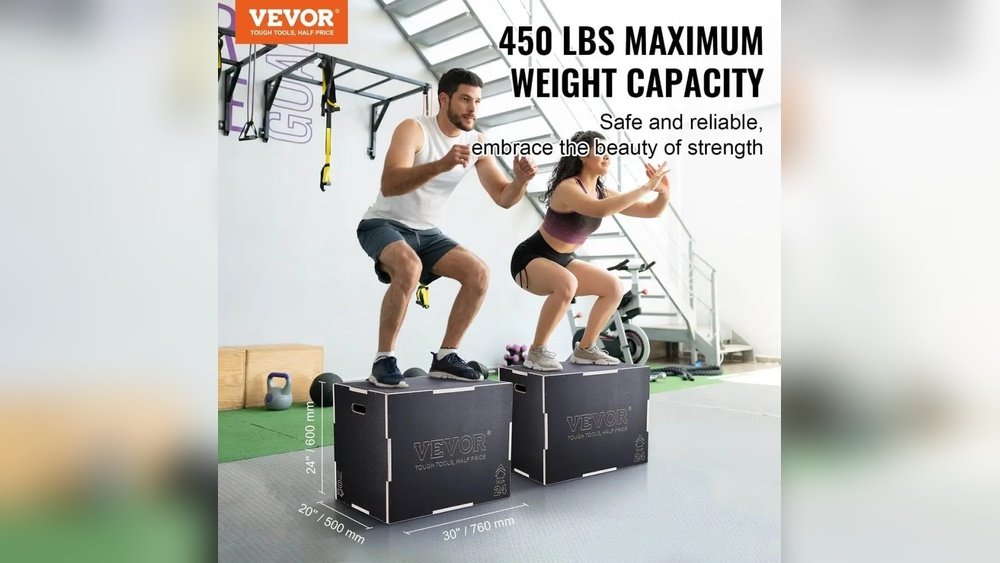
Choosing the right foam plyo box can make a big difference in your workout effectiveness and safety. But with so many sizes and options available, how do you know which one fits your needs best?
Whether you’re aiming to boost your explosive power, improve your jump technique, or add variety to your training, picking the perfect plyo box size is key. In this guide, you’ll discover how to select the ideal foam plyo box that matches your fitness level and goals—so you can jump higher, land safer, and get the most out of every rep.
Keep reading to find the size guide that will transform your workouts.
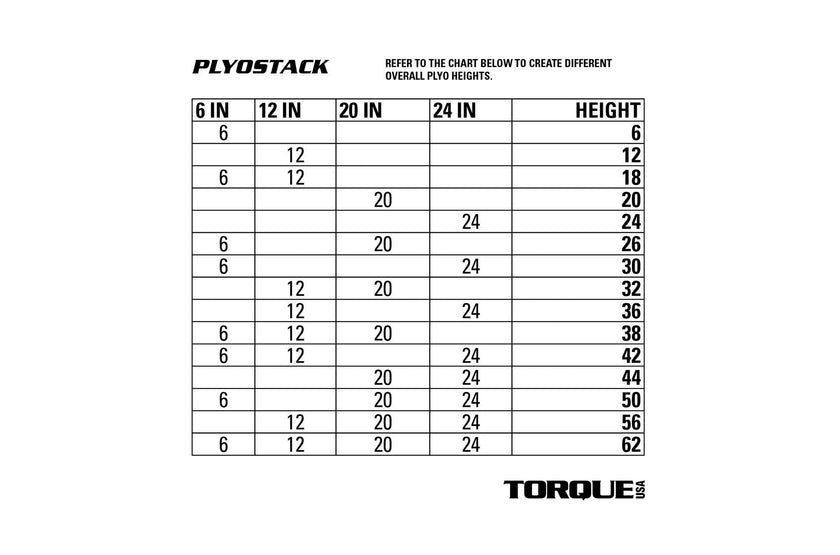
Credit: www.torquefitness.com
Choosing The Right Plyo Box
Selecting a plyo box is key for safe, effective workouts. The right box supports your training style and body weight. It should be sturdy, stable, and fit your workout space. Understanding materials and weight limits helps you pick the best option. Let’s explore the main features to consider.
Material Options
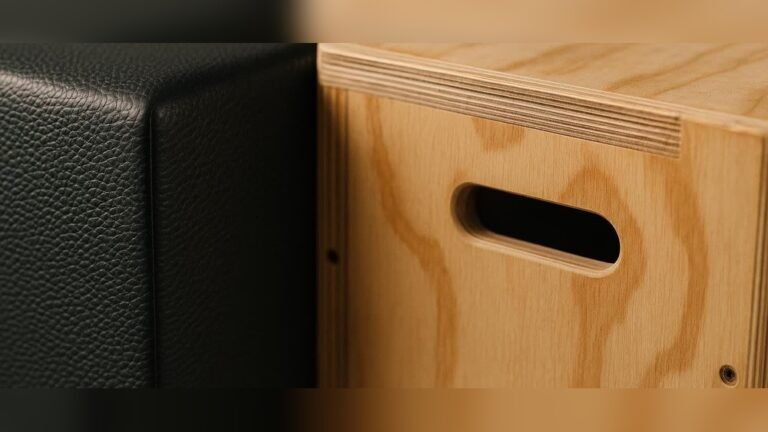
Plyo boxes come in foam, wood, and steel. Foam boxes offer a soft surface that reduces injury risk. Wood boxes provide a solid, stable platform. Steel boxes are very durable and often used in gyms. Choose a material that matches your workout intensity and safety needs.
Weight Capacity
Each plyo box has a maximum weight limit. Check the capacity to ensure it supports your body weight safely. Heavier users need boxes with higher weight ratings. Overloading a box can cause damage or injury. Always pick a box rated above your weight for safety.
Foam Vs Wood Vs Steel
Foam plyo boxes are lightweight and gentle on joints. They are ideal for beginners and rehab exercises. Wood boxes are sturdy and provide a firm surface for advanced jumps. They may be less forgiving on landing. Steel boxes are the strongest and last longest. They suit heavy use and professional gyms.

Credit: lulive.com
Ideal Plyo Box Sizes
Choosing the right size for your foam plyo box is key for safe and effective workouts. The ideal plyo box size helps you improve strength, speed, and agility without risking injury. Different exercises and skill levels require different heights. Understanding the standard sizes and options available will guide you to the best fit for your training needs.
Standard Dimensions
Most foam plyo boxes come in three standard heights: 12 inches, 18 inches, and 24 inches. These sizes cover a wide range of fitness levels and exercises. The 12-inch box suits beginners and warm-ups. The 18-inch box works well for intermediate users aiming to build power. The 24-inch box challenges advanced athletes and explosive movements.
Height Variations
Some foam plyo boxes offer additional height options beyond the standard sizes. Boxes with 20-inch or 30-inch heights cater to specific training goals. Taller boxes increase jump difficulty and build greater explosive strength. Shorter boxes allow for safer landings and better control. Choosing the right height depends on your experience and workout plan.
Adjustable Foam Boxes
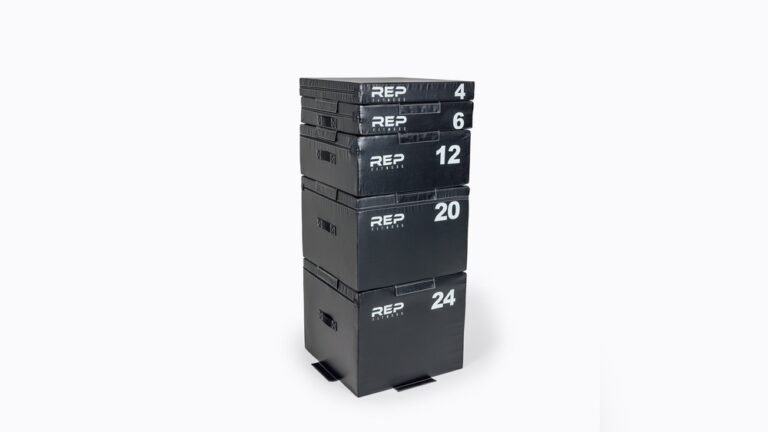
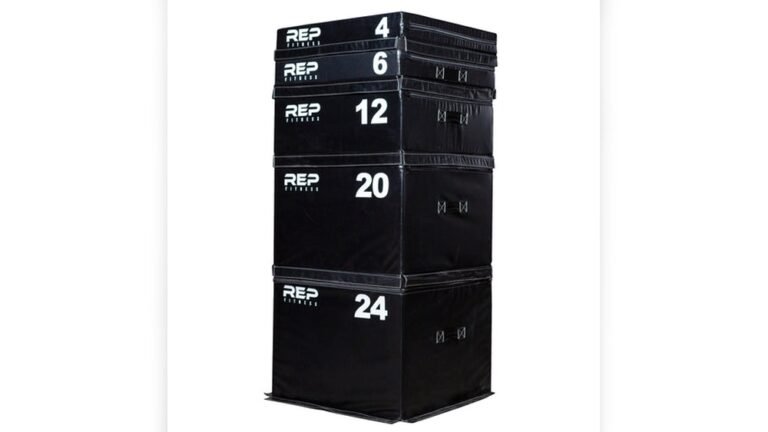
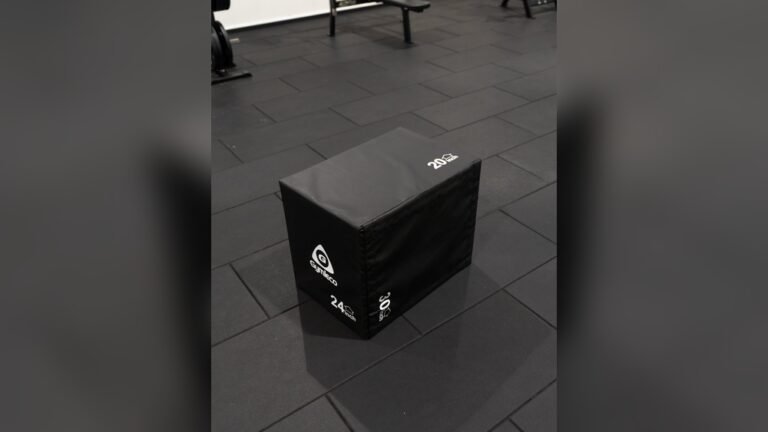
Adjustable foam plyo boxes provide multiple height settings in one unit. They often have stackable layers or foldable parts to change box height quickly. This flexibility suits users who want variety without buying multiple boxes. Adjustable boxes save space and cost while supporting progressive training. They adapt easily to changing skill levels and workout types.
Matching Box Size To Skill Level
Choosing the right foam plyo box size is essential for safe and effective workouts. Matching the box height to your skill level helps improve performance and reduce injury risk. The right size lets you focus on form and build strength progressively.
Beginner Recommendations
For beginners, start with low heights around 12 to 16 inches. These sizes help build confidence and proper jumping technique. A lower box reduces the chance of strain and injury. Focus on controlled landings and steady progress.
Intermediate Heights
Intermediate users can use boxes from 18 to 24 inches tall. These sizes increase the challenge and build explosive power. At this level, you should land softly with bent knees to protect joints. Intermediate heights develop strength and agility safely.
Advanced Plyometric Training
Advanced athletes often train with boxes 24 inches or taller. These heights demand strong muscles and excellent form. Use advanced boxes only after mastering lower heights. Proper landing and controlled movements are vital to avoid injury.
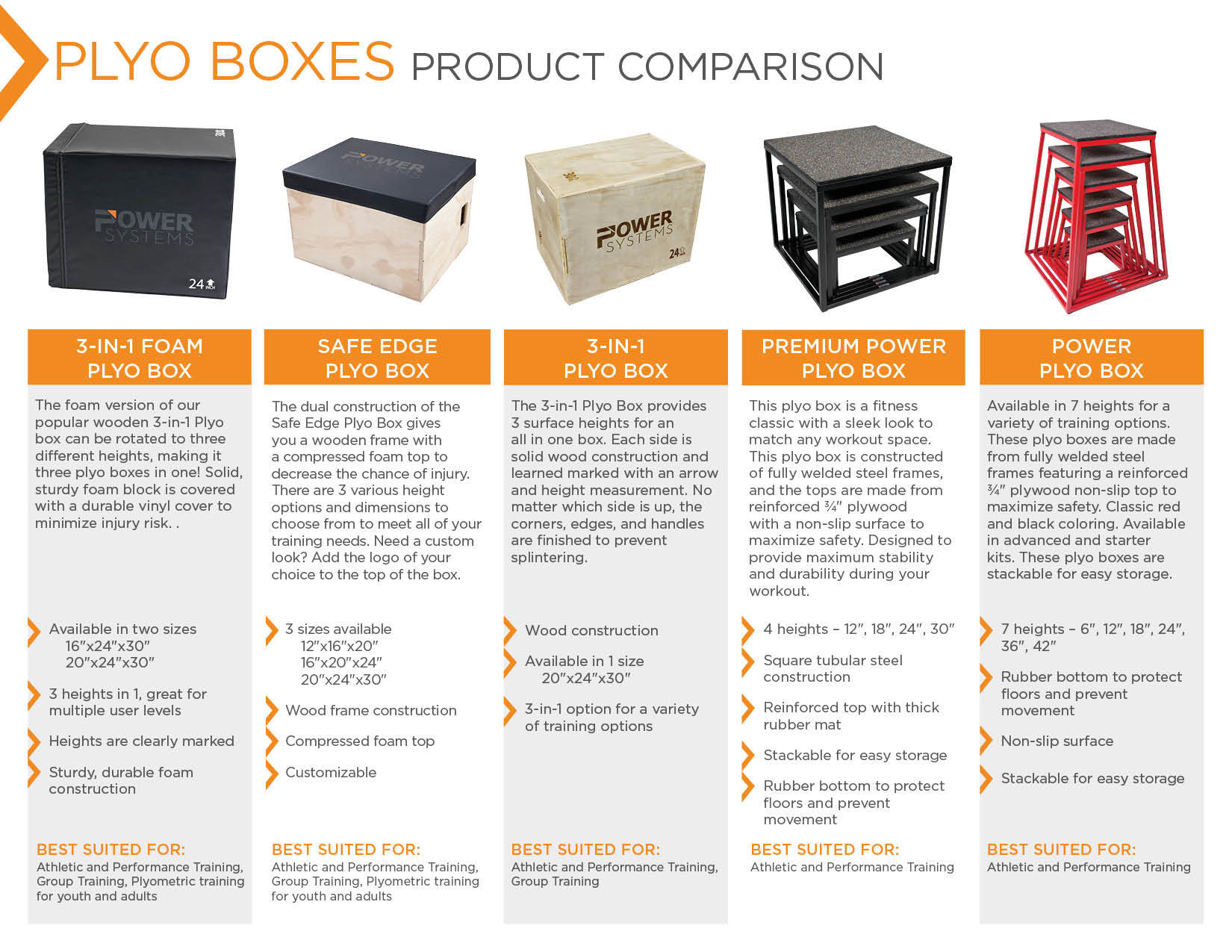
Credit: blog.powersystems.com
Key Features Of Foam Plyo Boxes
Foam plyo boxes offer many benefits for fitness enthusiasts and athletes. They are designed to support various training styles safely and effectively. Understanding their key features helps users pick the right box for their workouts. These features focus on safety, ease of use, and long-term durability.
Safety Benefits
Foam plyo boxes reduce injury risk during jumps. Their soft foam surface cushions hard landings. The sturdy core prevents the box from tipping over. Non-slip covers add extra grip for secure footing. These features make foam plyo boxes ideal for all skill levels.
Portability And Storage
Foam plyo boxes are lightweight and easy to move. Their soft material makes carrying simple. Many models stack neatly to save space. This portability suits home gyms and crowded fitness centers. Users can quickly adjust their workout setup.
Durability And Maintenance
High-quality foam boxes resist tears and dents. Their covers clean easily with mild soap and water. Foam maintains shape even after repeated jumps. This durability ensures long-lasting use. Minimal upkeep helps keep the box safe and functional.
Proper Box Jump Techniques
Proper box jump techniques ensure safety and effectiveness when using a foam plyo box. Correct form helps prevent injuries and improves workout results. Each jump should focus on control, power, and smooth movement. Practicing good habits builds confidence and strength over time.
Landing Mechanics
Land softly with bent knees to absorb impact. Keep your feet flat and hips back. Avoid locking your knees. Use your arms to balance and stay steady. A strong landing protects your joints and prepares you for the next jump.
Avoiding Common Mistakes
Do not jump too far or too high for your skill. Avoid landing with stiff legs or flat feet. Do not lean forward or round your back. Keep your head up and eyes on the box. These small errors increase injury risk and reduce power.
Building Explosive Power
Start with lower boxes to build strength and confidence. Focus on quick, powerful jumps using your hips and legs. Swing your arms to add momentum. Practice regularly to improve speed and height. Explosive power helps in many sports and daily activities.
Maximizing Training With Foam Plyo Boxes
Foam plyo boxes are a versatile tool for many workouts. They help improve strength, speed, and balance. Using the right size box enhances safety and effectiveness.
Training with foam plyo boxes challenges muscles in new ways. They reduce impact on joints compared to hard boxes. This makes them ideal for all fitness levels.
Workout Variations
Jumping onto the box builds explosive leg power. Step-ups improve balance and single-leg strength. Lateral jumps increase agility and coordination.
Try incline push-ups using the box for upper body strength. Sit-to-stands from the box help improve core stability. Mix different moves to keep workouts fresh.
Progression Strategies
Start with a low box height to master form. Increase height gradually to build power safely. Add speed to improve fast-twitch muscle response.
Combine jumps with short rests for endurance. Use one leg at a time for added challenge. Track progress and set new goals regularly.
Combining With Other Equipment
Pair foam plyo boxes with resistance bands for added tension. Use dumbbells or kettlebells to increase workout difficulty. Incorporate mats for floor exercises after box jumps.
Combine with agility ladders to boost foot speed. Use medicine balls for explosive throws off the box. Variety creates balanced strength and prevents boredom.
Top Brands And Models
Choosing the right foam plyo box means knowing the best brands and models. Quality matters for safety and performance during workouts. Trusted brands offer durable, stable, and well-sized plyo boxes. This section highlights popular models, key features, and price ranges. It helps you find the perfect plyo box for your fitness needs.
Popular Foam Plyo Boxes
Some brands stand out for their foam plyo boxes. Escape Fitness offers the Plyosoft Box, known for its soft yet firm foam and different size options. Rogue Fitness produces durable foam plyo boxes with strong covers and non-slip surfaces. Titan Fitness also has reliable models that balance firmness and comfort. These brands provide options for beginners and experienced athletes alike.
Features To Look For
Look for foam plyo boxes with high-density foam that holds shape well. A non-slip surface ensures safe landings during intense jumps. Lightweight design helps with easy moving and storage. Multi-height boxes add versatility, letting users adjust jump difficulty. Check for firm stitching and durable covers that resist wear and tear.
Price Ranges
Foam plyo boxes cost between $50 and $200 depending on size and brand. Basic single-height models start near $50. Mid-range boxes with adjustable heights or added padding typically cost $100 to $150. Premium models with extra durability and features can reach $200 or more. Choose a plyo box that fits your budget and workout goals.
Maintenance And Safety Tips
Maintaining your foam plyo box ensures it lasts longer and stays safe to use. Regular care helps prevent accidents and keeps workouts effective. Follow these maintenance and safety tips to protect your investment and yourself.
Cleaning Foam Boxes
Wipe the foam box with a damp cloth after each use. Use mild soap and water for deeper cleaning. Avoid harsh chemicals that can damage the foam surface. Let the box air dry completely before storing it. Keeping the box clean prevents dirt buildup and extends its life.
Inspecting For Wear
Check the box regularly for tears or holes in the foam. Look for loose seams or damaged covers that might cause injury. Replace or repair any worn parts immediately. Regular inspection ensures the box remains safe for jumping and landing.
Safe Workout Environment
Place the plyo box on a flat, non-slip surface. Clear the area around the box of any obstacles. Use proper footwear to prevent slipping during exercise. Avoid using the box if you feel tired or unsteady. A safe environment reduces the risk of falls and injuries.
Frequently Asked Questions
How To Choose The Right Plyo Box?
Choose a plyo box made of sturdy wood or steel for durability. Check weight capacity and select a height that matches your fitness level and goals. Opt for non-slip surfaces to ensure safety during workouts.
What Size Box Jump Do I Need?
Choose a box jump height matching your skill and safety. Beginners start at 12-18 inches, intermediate at 18-24 inches, and advanced athletes at 24-30 inches. Ensure the box is sturdy and supports your weight for effective, injury-free workouts.
Is A 50 Inch Box Jump Impressive?
A 50-inch box jump is impressive and shows advanced explosive power. Most athletes find 30-36 inches challenging. Proper form matters more than height.
What Are The Dimensions Of The Plyosoft Box?
The Plyosoft box measures 20 inches long, 24 inches wide, and 30 inches high. It offers sturdy, safe plyometric training.
Conclusion
Choosing the right foam plyo box size improves workout safety and effectiveness. Start with a height that matches your current ability. Gradually increase the box height as your strength and skill grow. Use proper form to avoid injuries and gain power.
Remember, comfort and stability matter most during jumps. A well-sized plyo box helps build explosive strength and confidence. Keep practicing regularly to see steady progress in your training.
I am a certified fitness coach with over 10 years of experience helping people improve their strength, endurance, and overall health. Specializes in workout programming, weight training, fat loss, muscle building, home fitness, and evidence-based nutrition.My goal is to make fitness simple and practical through well-researched guides, honest product reviews, and actionable training advice.