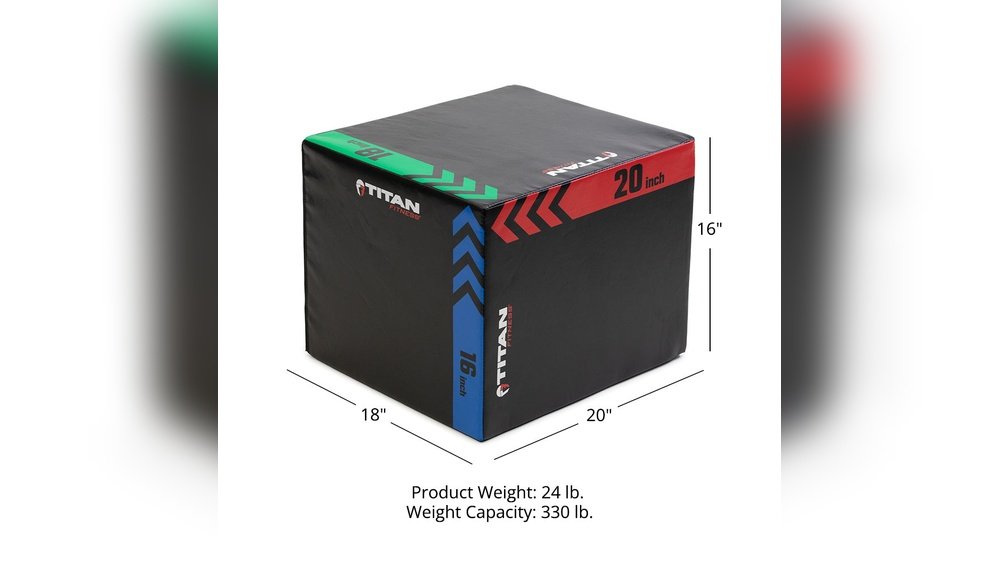
If you use a foam plyo box for your workouts, you know how important it is to keep it in top shape. Your safety and performance depend on it.
But how do you make sure your foam plyo box stays durable and reliable day after day? You’ll discover simple maintenance tips that protect your investment and help you avoid accidents. From cleaning tricks to storage advice, these easy steps will keep your box ready for every jump, step, and landing.
Keep reading to learn how to extend the life of your foam plyo box and get the most from your training sessions.
Choosing The Right Foam
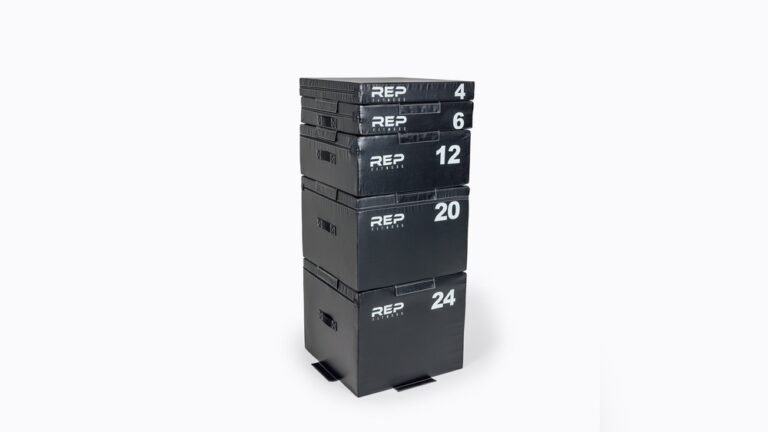
Choosing the right foam for your foam plyo box is key for safety and performance. The foam affects how the box feels during jumps and how long it lasts. Picking foam that balances comfort and firmness helps prevent injuries. It also keeps the box sturdy for repeated use. Understanding foam properties makes maintenance easier and extends the box’s life.
Density And Firmness
Density shows how much material is packed in the foam. Higher density means stronger and more durable foam. Foam with proper density prevents deep dents after jumps. Firmness controls how soft or hard the foam feels. Too soft foam can cause instability during workouts. Firm foam supports your weight without sinking too much. Choose foam with moderate firmness for safety and comfort.
Cover Material Options
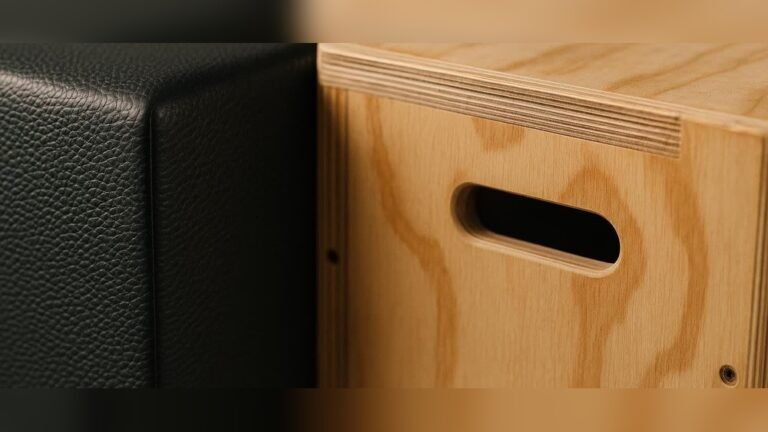
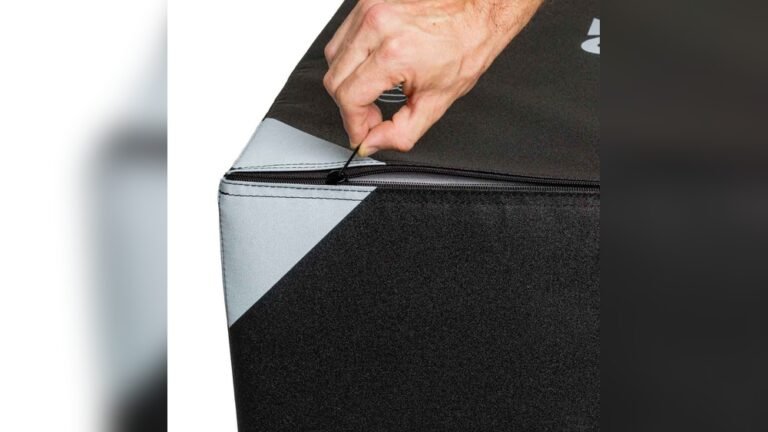
The foam cover protects the foam and makes cleaning simple. Vinyl covers are common because they resist sweat and dirt. They wipe clean easily and do not absorb moisture. Canvas covers are durable but harder to clean. Look for covers with strong stitching to avoid tears. Covers with non-slip surfaces improve grip and reduce slipping risks. A good cover helps keep your plyo box fresh and long-lasting.
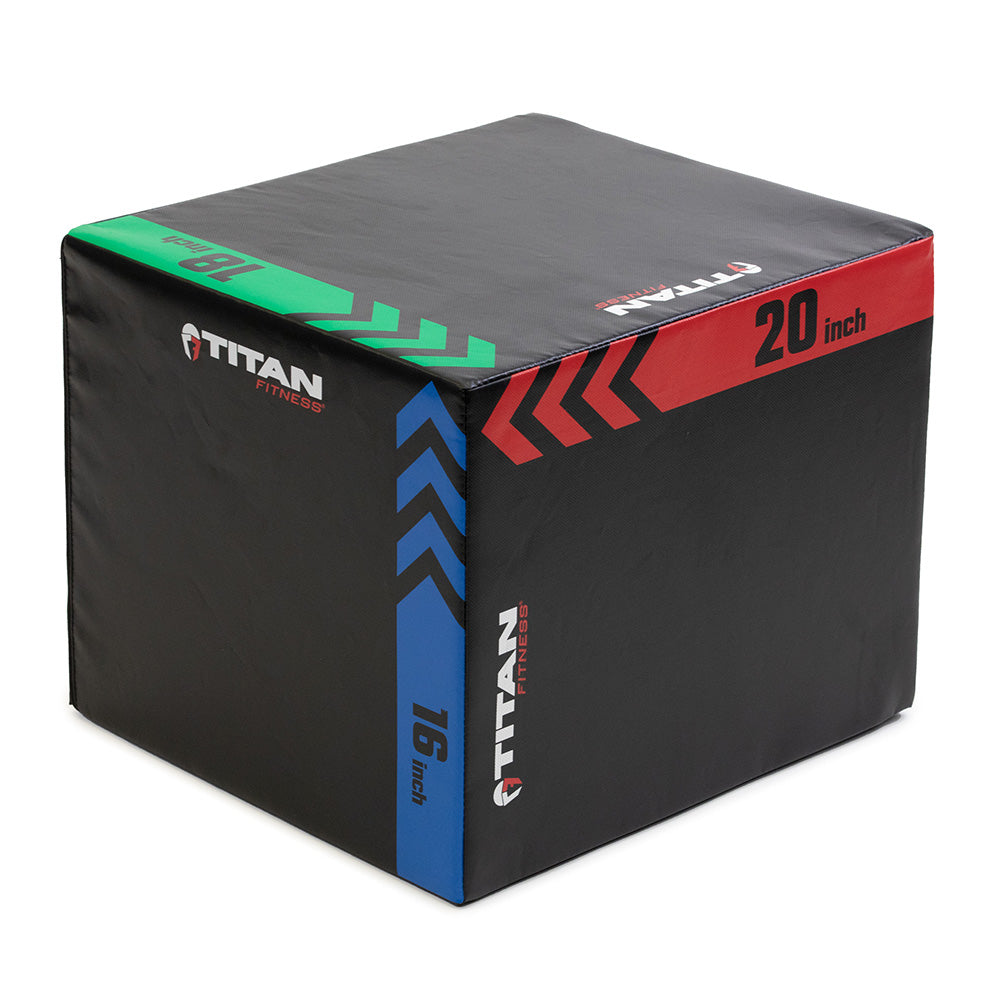
Credit: titan.fitness
Cleaning Techniques
Keeping your foam plyo box clean is key to its durability and safety. Dirt and sweat can build up fast, making the surface slippery or damaging the foam. Proper cleaning techniques help maintain the box’s quality and extend its life. Here are some simple ways to clean your foam plyo box effectively.
Using Mild Soap Solutions
Mix a small amount of mild soap with warm water. Use a soft cloth or sponge to wipe the surface gently. This method removes dirt and sweat without harming the foam. Avoid soaking the box; just dampen the cloth enough to clean. Mild soap solutions keep the foam intact and fresh.
Avoiding Harsh Chemicals
Stay away from bleach, ammonia, or strong solvents. These chemicals can break down the foam and damage its texture. Harsh cleaners may cause discoloration or weaken the glue inside the box. Use only gentle cleaning agents to protect your foam plyo box and keep it safe for workouts.
Drying After Cleaning
After wiping, dry the box completely with a clean towel. Let it air dry in a well-ventilated area. Avoid direct sunlight or heat sources, which can cause the foam to crack or warp. Proper drying prevents mold and keeps the foam firm and ready for your next session.
Storage Recommendations
Proper storage plays a key role in keeping your foam plyo box in top shape. Storing it well prevents damage and extends its life. Follow these storage tips to protect your equipment and maintain its quality over time.
Keeping Dry Environments
Store the foam plyo box in a dry place. Moisture weakens foam and can cause mold. Choose rooms or areas with good air flow and low humidity. A dry environment keeps the foam firm and safe for use.
Protecting From Moisture
Keep the plyo box off wet floors or damp surfaces. Use pallets or shelves if needed. Avoid storing near water sources like sinks or pools. Cover the box with a breathable cloth to stop moisture buildup. This prevents foam damage and unpleasant odors.
Avoiding Direct Sunlight
Direct sunlight can fade and degrade the foam and outer cover. Store the box in shaded or indoor areas. UV rays break down materials and reduce durability. Protecting from sunlight keeps your plyo box looking new longer and maintains its strength.
Preventing Slips And Shifts
Preventing slips and shifts during workouts is essential for safety and performance. A foam plyo box that stays firmly in place reduces injury risks. It also helps you focus on your exercises without distractions. Taking simple steps to secure your plyo box ensures stable landings and smooth movements.
Using Non-slip Mats
Placing a non-slip mat under the foam plyo box boosts grip on floors. These mats stop the box from sliding on smooth surfaces. Choose mats made of rubber or similar materials for best results. This method adds a layer of friction, keeping the box steady during jumps.
Placing On Firm Surfaces
Always set your foam plyo box on hard, flat floors. Soft or uneven surfaces cause instability and increase slipping chances. Concrete, wood, or gym flooring work best. Avoid carpeted areas or surfaces that can shift under pressure.
Securing Against Walls
Position the plyo box close to a wall for added support. This prevents side-to-side movement while exercising. You can also use straps or brackets to anchor the box to the wall. This setup is especially useful in tight spaces or busy gyms.
Inspecting For Wear
Regular inspection is crucial for keeping your foam plyo box safe and reliable. Over time, constant use can cause wear and tear. Detecting problems early prevents accidents and extends the box’s life.
Checking Foam Integrity
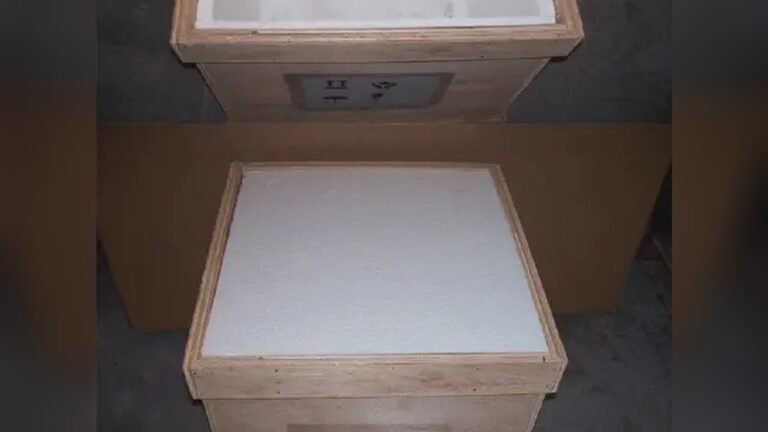
Examine the foam for any signs of compression or cracks. Press the surface gently to feel if it springs back quickly. Soft spots or holes can reduce cushioning and increase injury risk. Replace foam that is too worn out.
Assessing Cover Damage
Look closely at the outer cover for tears, rips, or peeling. Damaged covers expose the foam to moisture and dirt, causing faster decay. Clean minor dirt spots with a damp cloth. Avoid using harsh chemicals that weaken the cover material.
Repairing Minor Issues
Small tears can be fixed with strong adhesive or patch kits made for foam surfaces. Seal cracks to stop them from growing. Tighten any loose seams or stitches to keep the cover secure. Prompt repairs keep the plyo box sturdy and safe.

Credit: linearcollider.org
Maintaining Stability
Maintaining stability in your foam plyo box is key to safe and effective workouts. Stability ensures the box stays firm under pressure and prevents accidents. Regular care helps keep the box solid and reliable for every jump or step.
Avoiding Lightweight Pitfalls
Choose a foam plyo box with enough weight to stay put. Too light, and it may slide or tip during use. Adding a non-slip mat under the box can improve grip on smooth floors. Avoid placing the box on slippery surfaces to reduce movement risks.
Ensuring Even Surface Contact
Check the box’s base regularly for flatness. Uneven surfaces cause wobbling and instability. Place the box on level ground to keep all sides touching firmly. Clean the bottom to remove dirt or debris that could lift one side.
Extending Box Lifespan
Extending the lifespan of your foam plyo box ensures it remains safe and effective for workouts. Simple care routines prevent damage and keep the box sturdy. Regular attention helps avoid costly replacements and maintains performance over time.
Regular Maintenance Schedules
Set a routine to inspect your foam plyo box weekly. Check for tears, dents, or loose seams. Clean the surface with a damp cloth to remove dirt and sweat. Avoid harsh chemicals that can weaken the foam. Keeping the box dry prevents mold and material breakdown.
Handling With Care
Move the box gently to avoid damaging the foam. Do not drop it from heights beyond its design. Use the box on flat, stable surfaces to reduce wear. Avoid dragging the box, as friction can tear the covering. Proper handling keeps the foam dense and supportive.
Replacing Worn Components
Replace any torn outer covers immediately to protect the foam inside. Swap out foam layers if they start to compress or lose shape. Use manufacturer-recommended parts for replacements. Timely repairs extend the box’s usability and maintain workout safety.

Credit: www.thebargainsisters.com
Frequently Asked Questions
How To Clean A Plyo Box?
Wipe the plyo box with a damp cloth and mild soap. Avoid harsh chemicals to protect the surface. Dry it thoroughly after cleaning. Store the box in a dry, ventilated area to prevent moisture damage and prolong its lifespan.
How To Safely Do Box Jumps?
Stand with feet shoulder-width apart. Engage your core and bend knees slightly. Swing arms for momentum. Jump explosively onto the box, landing softly on both feet. Step down carefully to avoid injury. Use a stable, non-slip surface and choose an appropriate box height for your skill level.
What To Use For Box Jumps At Home?
Use a sturdy wooden or dense foam plyo box for safe box jumps at home. Ensure the surface is stable and non-slip. Avoid lightweight or unstable materials to prevent injuries.
How Do I Clean A Foam Plyo Box Safely?
Use a damp cloth with mild soap to wipe the surface. Avoid harsh chemicals that can damage the foam or vinyl cover. Dry it thoroughly after cleaning to prevent moisture buildup and maintain durability.
Conclusion
Regular care keeps your foam plyo box safe and durable. Clean it with a damp cloth to remove dirt. Avoid harsh chemicals that can damage its surface. Store the box in a dry, cool place to prevent moisture damage. Check for tears or loose seams often.
Fix small issues quickly to avoid bigger problems. Proper maintenance helps you exercise safely every time. Keep these tips in mind to enjoy your foam plyo box longer. Simple habits make a big difference in performance and safety.

I am a certified fitness coach with over 10 years of experience helping people improve their strength, endurance, and overall health. Specializes in workout programming, weight training, fat loss, muscle building, home fitness, and evidence-based nutrition.My goal is to make fitness simple and practical through well-researched guides, honest product reviews, and actionable training advice.