If you’re serious about improving your jump, speed, and overall athletic performance, a foam plyo box can be a game-changer for your workouts. But with so many types available, how do you know which one suits your needs best?
Whether you’re training at home or in a gym, understanding the different types of foam plyo boxes will help you choose the perfect one for your fitness goals. In this guide, you’ll discover the key varieties, their unique features, and how each can enhance your plyometric training safely and effectively.
Keep reading to find the ideal foam plyo box that fits your workout style and helps you reach your next level of fitness.
Foam Plyo Box Materials
Foam plyo boxes are essential tools for safe and effective plyometric training. The choice of materials greatly impacts their performance and safety. Understanding these materials helps you pick the right plyo box for your workout needs.
Most foam plyo boxes combine soft yet firm foam with a tough outer layer. This blend ensures comfort and durability during intense exercises. Let’s explore the key materials used in foam plyo boxes.
Eva Foam Benefits
EVA foam is a popular core material for plyo boxes. It offers excellent shock absorption to protect joints during jumps. EVA foam is lightweight, making the boxes easier to move. It also resists cracking and maintains shape over time. This foam provides a firm surface that still feels soft on impact.
Vinyl Covering Features
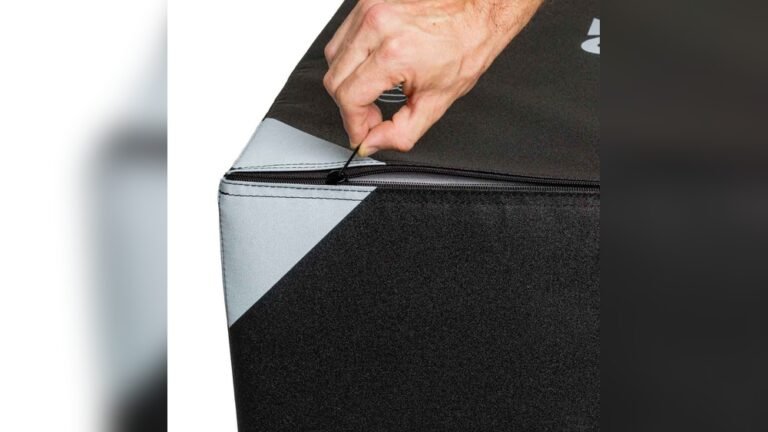
The outer layer usually consists of heavy-duty vinyl. Vinyl covering protects the foam from sweat, dirt, and wear. It is easy to clean, which keeps the box hygienic. The vinyl also adds a slight grip to prevent slipping. Its smooth surface helps reduce skin irritation during workouts.
Durability And Safety
Durability is key for plyo boxes to withstand regular use. The combination of EVA foam and vinyl ensures long-lasting performance. These materials cushion hard landings and reduce injury risk. Foam plyo boxes provide stable platforms that support various exercises. Their design focuses on safety without compromising strength.
Foam Plyo Box Designs
Foam plyo boxes come in various designs to fit different workout needs. Each design offers unique features for safety, stability, and versatility. Choosing the right foam plyo box can improve your training experience and reduce injury risk. Below are the common foam plyo box designs popular among fitness enthusiasts.
Standard Foam Boxes
Standard foam boxes have a simple rectangular shape. They provide a flat surface for jumping exercises and step-ups. These boxes are lightweight and easy to move around. Their foam construction cushions impacts, reducing stress on joints. Standard foam boxes suit beginners and those with limited space.
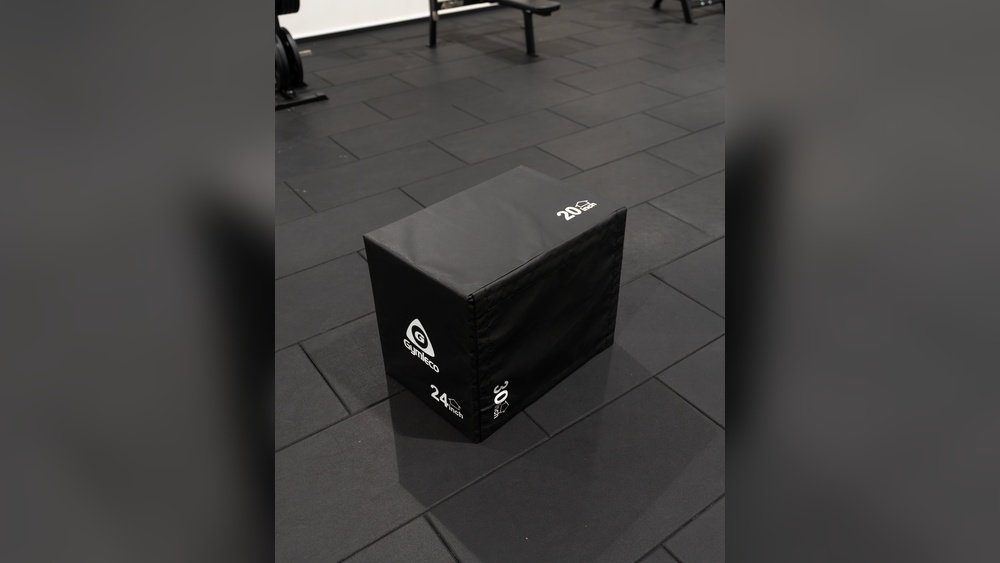
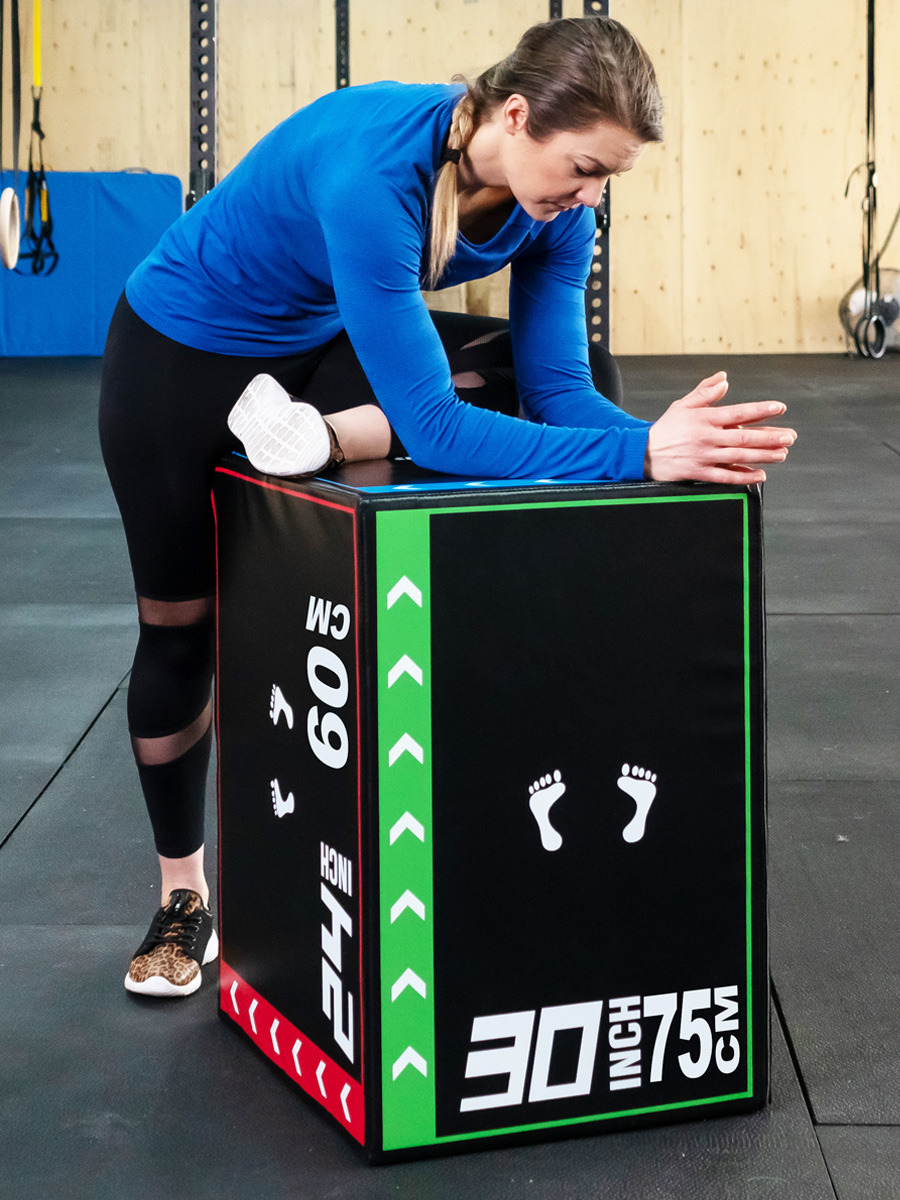
Multi-sided Foam Boxes
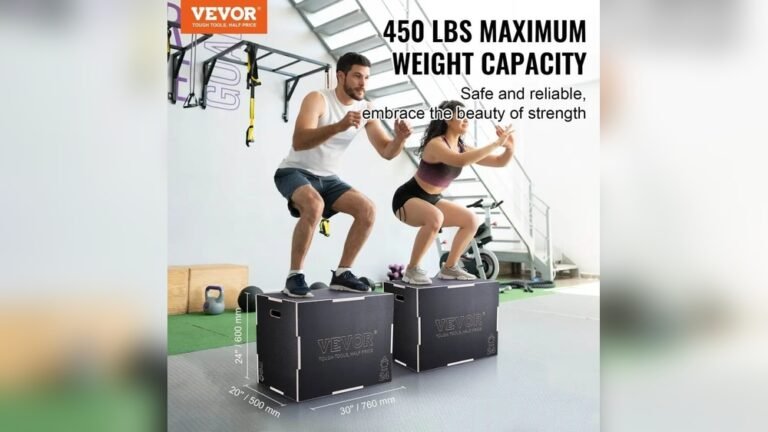
Multi-sided foam boxes offer three or more height options in one unit. Each side has a different height for varied workouts. This design saves space and adds flexibility to training routines. It allows quick changes between exercises without moving multiple boxes. Multi-sided boxes are ideal for users who want to challenge themselves progressively.
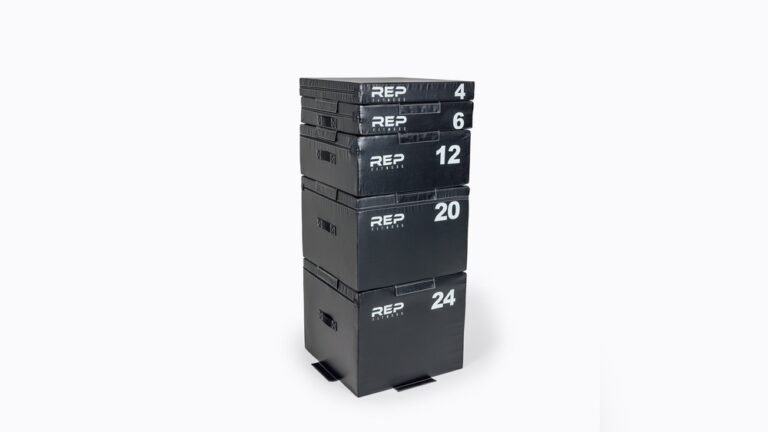
Stackable Foam Boxes
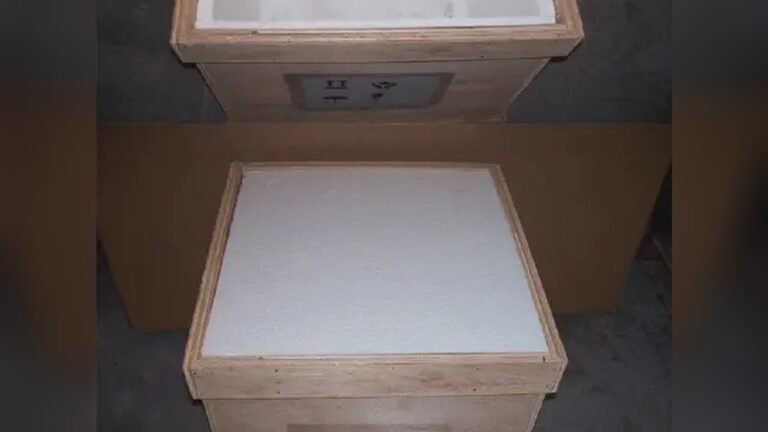
Stackable foam boxes consist of separate foam blocks that can be piled up. This design lets users adjust the height by stacking blocks. It supports many height combinations for personalized workouts. Stackable boxes are perfect for gyms or home setups with multiple users. They also store easily when not in use.
Comparing Foam With Other Plyo Boxes
Choosing the right plyo box affects your workout experience and safety. Foam plyo boxes offer a soft landing surface. Comparing them with other types helps you find the best fit for your needs. Each material has unique features that impact durability, comfort, and stability.
Wooden Plyo Boxes
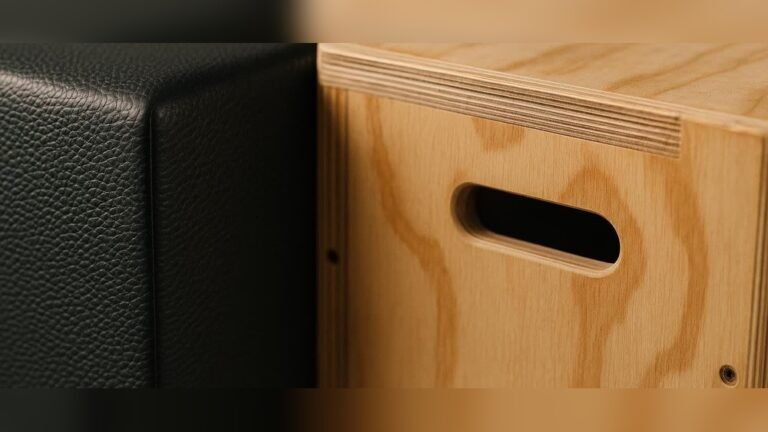
Wooden plyo boxes are sturdy and stable. They provide a hard surface that suits advanced athletes. These boxes are less forgiving on joints during jumps. They often weigh more and can be bulky. Wood can get damaged by moisture or rough use. They require careful placement to avoid injury.
Steel Frame Plyo Boxes
Steel frame plyo boxes combine strength with durability. Their metal frame supports heavy loads and intense workouts. The surface is usually hard, offering less cushioning than foam. These boxes last long and resist wear well. They tend to be heavier and less portable. Steel can feel cold and unforgiving on impact.
Soft Vs Hard Surfaces
Soft surfaces like foam absorb impact well. They reduce stress on knees and ankles. Foam boxes offer a safer experience for beginners. Hard surfaces provide a solid platform for explosive jumps. They help improve balance and power. Choosing soft or hard depends on your training style. Foam suits rehab and low-impact workouts. Hard boxes fit high-intensity training and stability focus.

Credit: titan.fitness
Choosing Foam Plyo Boxes
Choosing the right foam plyo box is key for effective workouts and safety. Foam plyo boxes vary by size, firmness, and design. Picking the best one depends on several factors. These include your workout goals, available space, and budget. Consider these points carefully to find a box that fits your needs perfectly.
Workout Goals And Preferences
Think about your fitness goals first. Are you training for speed, power, or endurance? Different plyo boxes suit different exercises. Taller boxes help with higher jumps and advanced moves. Shorter boxes are good for beginners and lower-impact workouts. Also, check the foam firmness. Firmer foam offers more stability. Softer foam reduces injury risk by cushioning landings.
Space And Storage Considerations
Measure your workout area before buying. Foam plyo boxes come in various sizes. Some are stackable for easy storage. Others are multi-sided with different heights on each side. Choose a design that saves space if your room is small. Lightweight foam boxes are easier to move around. This flexibility helps if you share space or need to store the box after use.
Budget And Brand Options
Set a budget for your foam plyo box purchase. Prices vary widely based on size, material, and brand. Well-known brands often guarantee quality and durability. Cheaper options may still work but check reviews for safety and longevity. Investing a bit more can give you a box that lasts longer and feels better during workouts. Balance cost with features to get the best value.
Popular Foam Plyo Box Brands
Choosing the right foam plyo box can improve your workout safety and effectiveness. Popular foam plyo box brands offer various options for different fitness levels and needs. These brands focus on quality, durability, and comfort. Here is an overview of some well-known brands that fitness enthusiasts trust.
Titan Fitness
Titan Fitness provides affordable foam plyo boxes with sturdy construction. Their boxes use dense EVA foam for impact absorption. Vinyl covers ensure easy cleaning and durability. Many sizes and shapes fit different training routines. Users appreciate their balance of price and quality.
Rep Fitness
Rep Fitness offers stackable foam plyo boxes that save space. Their products feature firm foam with soft edges to prevent injuries. The vinyl shell resists wear and tear from heavy use. These boxes suit home gyms and commercial facilities. Rep Fitness also includes detailed product descriptions.
Rogue Fitness
Rogue Fitness creates high-end foam plyo boxes for serious athletes. Their boxes use premium foam for stability and comfort. Heavy-duty vinyl covers increase product lifespan. Rogue focuses on safety and performance features. These plyo boxes often come in multi-sided designs for varied workouts.
Target And Other Retailers
Target stocks foam plyo boxes from different brands at competitive prices. These products usually suit beginners and casual users. Other retailers like DICK’S Sporting Goods and Bells of Steel also offer foam plyo boxes. Shopping at large stores provides convenience and return options. Always check product reviews before buying.
Alternative Plyo Box Options
Alternative plyo box options offer variety for different workout needs and budgets. They provide safe platforms for jumping and step exercises. These options often fit well in home gyms or outdoor spaces. Some alternatives are easy to build or find around the house. Others use soft materials to reduce injury risk. Exploring these choices helps match the right tool to your training style.
Diy Plywood Boxes
DIY plywood boxes are popular for budget-friendly workouts. You can build them in various heights for different exercises. Use sturdy plywood and screws for safety. Sand the edges to prevent splinters. Paint or seal the wood to protect against wear. These boxes are solid and stable but less forgiving on impact than foam.
Outdoor Steps And Curbs
Outdoor steps and curbs serve as natural plyo boxes. They are free and easy to access. Choose steps that are flat and wide enough for jumping. Avoid surfaces that are slippery or uneven. This option works well for quick workouts outside. Be mindful of weather conditions affecting grip and safety.
Stacked Weights And Objects
Stacked weights or sturdy objects can create makeshift plyo boxes. Use weight plates, sturdy crates, or stable furniture. Secure the stack to prevent slipping or tipping. This option offers adjustable heights but requires caution. Make sure the surface is firm and safe before jumping.
Foam Pads And Crash Mats
Foam pads and crash mats provide a soft landing area. They reduce stress on joints during plyometric training. Place them under or around your plyo box for extra safety. Some mats are thick enough for low jumps alone. This option is ideal for beginners or injury prevention.
Using Foam Plyo Boxes Effectively
Using foam plyo boxes effectively improves your workout and reduces injury risk. These boxes offer a soft yet stable surface for jump training. Understanding how to use them correctly helps build strength and agility.
Plyometric Exercise Types
Foam plyo boxes support many jump exercises. Box jumps develop explosive power. Step-ups build leg strength and balance. Lateral jumps improve side-to-side agility. Depth jumps increase reactive speed. Mixing these exercises targets different muscles.
Safety Tips For Jumping
Always warm up before using foam plyo boxes. Start with a low box height for practice. Land softly with bent knees to absorb impact. Keep your eyes forward to stay balanced. Use a flat, clear surface around the box. Avoid fatigue to prevent poor form and injury.
Maintenance And Care
Keep foam plyo boxes clean by wiping them regularly. Check for tears or damage in the foam and vinyl cover. Store boxes in a dry place to prevent mold. Avoid sharp objects near the box surface. Replace the box if foam starts to break down. Proper care extends the box’s life and safety.
Credit: hotelmurchunga.com
:max_bytes(150000):strip_icc()/Web_1500-VWT-RepFitness-FoamSoftPlyoBox-leticia-almeida-0073-e4b99b57c309470c8a38d9bd37ea9076.jpg)
Credit: www.verywellfit.com
Frequently Asked Questions
What Foam Is Used In Plyo Boxes?
Plyo boxes use high-density EVA foam for durability and shock absorption. This foam is wrapped in heavy-duty vinyl for stability and safety during jumps.
What Are The Different Types Of Plyo Boxes?
The main types of plyo boxes include wood, steel frame, and soft foam. Wood offers durability, steel frame provides stability, and soft foam ensures safety and impact absorption. Choose based on your training needs and preferences.
What Are The Three Types Of Plyometrics?
The three types of plyometrics are eccentric (muscle lengthening), amortization (transition phase), and concentric (muscle shortening) contractions.
What Is A Cheap Alternative To Plyo Boxes?
Use sturdy outdoor steps, curbs, or securely stacked weights as cheap plyo box alternatives for safe jumping exercises.
Conclusion
Foam plyo boxes come in different types to fit various workout needs. Some offer extra softness for safer landings. Others provide firmer support for stability during jumps. Choosing the right foam plyo box improves your training experience. It helps prevent injuries and boosts confidence.
Consider your space, goals, and workout style before buying. Investing time to pick the best type pays off. Enjoy safer and more effective plyometric exercises with the right foam plyo box.
I am a certified fitness coach with over 10 years of experience helping people improve their strength, endurance, and overall health. Specializes in workout programming, weight training, fat loss, muscle building, home fitness, and evidence-based nutrition.My goal is to make fitness simple and practical through well-researched guides, honest product reviews, and actionable training advice.