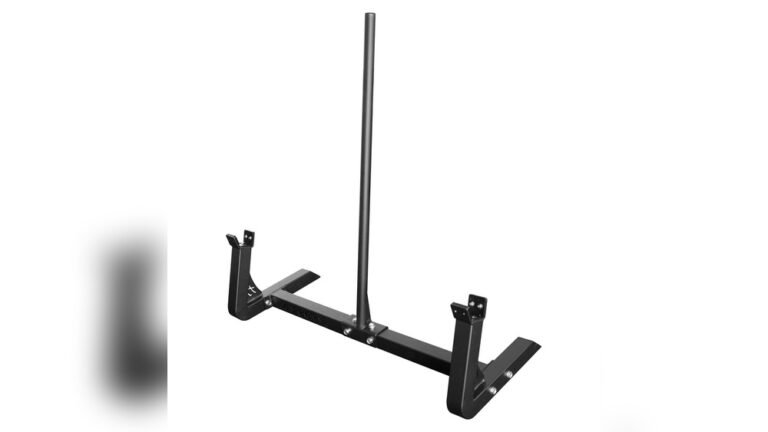
If you’re serious about lifting but tired of struggling to load and unload heavy plates for your deadlifts, a deadlift jack can be a total game-changer. But buying one can be expensive or hard to find.
That’s where DIY hacks come in, simple, clever tricks that let you build your own deadlift jack with everyday materials. Imagine saving time, avoiding frustration, and making your home gym more efficient without breaking the bank. Ready to discover easy, step-by-step hacks that anyone can follow?
Keep reading to transform your deadlift setup with smart, budget-friendly solutions you’ll wish you knew sooner.

Credit: www.youtube.com
Benefits Of A Deadlift Jack
Using a deadlift jack offers many benefits for lifters of all levels. It makes handling heavy plates easier and safer. This simple tool improves your gym routine and protects your gear.
Here are key advantages of having a deadlift jack in your home gym or workout space.
Ease Of Loading Plates
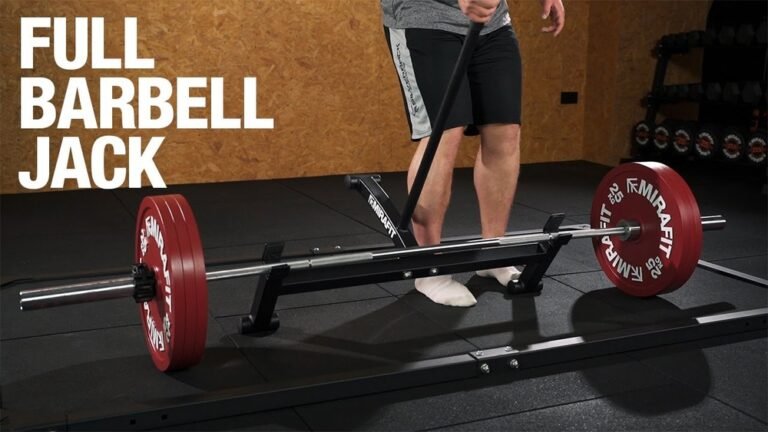
A deadlift jack lifts the barbell slightly off the ground. This small lift lets you slide weight plates on easily. No more struggling to lift the barbell high each time. It reduces strain on your hands and back. Loading plates becomes smooth and less tiring.
Protecting Your Equipment
Using a deadlift jack helps avoid damage to your barbell and floor. It stops the barbell from scraping the ground. This prevents scratches and bending of the bar. Your plates stay in good condition too. It extends the life of your gym equipment.
Saving Time And Effort
A deadlift jack speeds up your workout setup. You spend less time adjusting weights between sets. This means more time lifting and less time fiddling. It also reduces the energy spent on loading. You can focus fully on your exercise performance.
Materials For Diy Deadlift Jack
Building a DIY deadlift jack starts with choosing the right materials. The durability and safety of your jack depend on what you use. Selecting proper materials ensures your jack can lift heavy weights without breaking. This section helps you understand the best choices for wood, metal, tools, and safety gear.
Choosing Wood Vs Metal
Wood is easy to work with and widely available. It is lightweight and cost-effective for beginners. However, wood may wear out faster under heavy loads. Choose hardwood like oak or maple for better strength.
Metal offers higher strength and durability. Steel is the most common metal used for deadlift jacks. It can handle more weight and lasts longer. Metal requires welding skills and special tools. Decide based on your skill level and tool access.
Essential Tools Needed
For wood projects, gather a saw, drill, screws, and wood glue. Sandpaper helps smooth rough edges. A measuring tape ensures accurate cuts.
Metal projects need a welding machine, metal cutter, and grinder. Safety clamps hold metal pieces steady. A metal file finishes sharp edges.
Safety Gear Recommendations
Always wear safety glasses to protect your eyes. Use work gloves to avoid splinters or burns. A dust mask prevents inhaling sawdust or metal particles.
For welding, wear a welding helmet and flame-resistant clothing. Ear protection is important when cutting or grinding metal. Safety gear keeps you safe while building your deadlift jack.
Step-by-step Building Guide
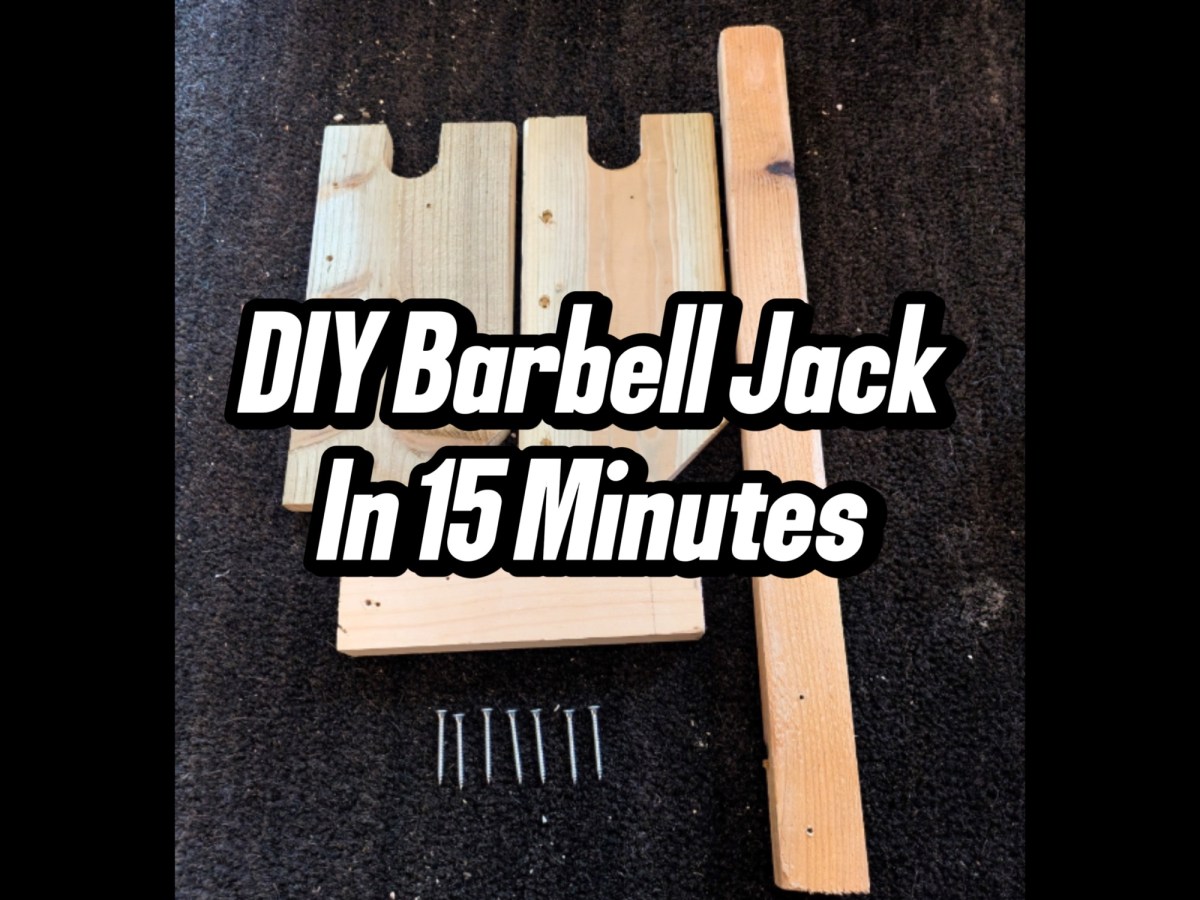
Building your own deadlift jack saves money and customizes your gym setup. This guide breaks down the entire process. Follow each step closely to create a safe and sturdy jack. Simple tools and materials make this project easy for beginners. Start with a clear plan and work carefully through each phase.
Designing Your Jack
Begin by sketching your jack design on paper. Choose a shape that lifts the barbell smoothly. Consider the height needed to raise plates off the floor. Keep the design compact for easy storage. Use strong, durable materials like hardwood or metal. Plan for handles or grips to improve control. Accurate measurements ensure parts fit well together.
Cutting And Shaping Materials
Use a saw to cut wood or metal pieces as planned. Smooth edges with sandpaper or a file to avoid splinters. Shape the lifting arm to slide under plates easily. Drill holes for screws or bolts where needed. Take safety precautions like goggles and gloves. Check each piece for accuracy before assembly. Clean surfaces improve glue and paint adhesion.
Assembly Tips And Tricks
Start by fitting all parts without glue or screws. Adjust pieces to ensure tight joints and proper alignment. Use wood glue or metal epoxy for strong bonds. Secure with screws or bolts for extra support. Tighten fasteners evenly to prevent wobbling. Add washers to protect the materials. Test the jack’s movement before finalizing assembly.
Finishing Touches
Sand the entire jack to remove rough spots and splinters. Apply a protective finish like paint or varnish. This prevents damage from sweat and moisture. Attach rubber pads to the base to prevent slipping. Check handles for comfort and grip. Label your jack with weight limits if possible. Store the jack in a dry place to extend its life.
Creative Hacks To Improve Functionality
Creative hacks can boost your deadlift jack’s usefulness. Small tweaks make lifting easier and safer. These ideas improve grip, storage, and mobility. They fit well in any home gym setup.
Adding Handles For Better Grip
Handles give you more control when using the jack. Attach wood or metal bars on each side. Use screws or strong glue to secure them. Handles reduce hand strain and improve safety. Choose a shape that feels comfortable in your hands.
Incorporating Collars Holders
Collar holders keep your weight collars organized. Add small hooks or tubes on the jack’s frame. This helps keep collars within reach during workouts. It also prevents collars from rolling away or getting lost. Use sturdy materials that hold weight collars firmly.
Making It Portable
Portability lets you move the jack easily around your gym. Attach wheels or casters to the base. Make sure they lock to keep the jack stable while lifting. Another option is to add a folding design for easy storage. Portable jacks save space and make setup faster.
Maintenance And Durability
Maintaining your deadlift jack ensures it stays strong and reliable. Regular care helps prevent damage and extends its life. Simple maintenance steps keep your DIY deadlift jack working smoothly every time.
Regular Inspection Tips
Check your deadlift jack before each use. Look for cracks, splits, or loose parts. Tighten screws and bolts as needed. Watch for any signs of rust on metal components. Early detection avoids bigger problems later.
Preventing Wear And Tear
Keep the jack clean from dirt and sweat. Store it in a dry place to stop rust and wood warping. Use protective coatings like varnish or paint on wooden parts. Avoid dropping or overloading your jack beyond its limit.
Repairing Common Issues
Fix small cracks with wood glue and clamps. Replace damaged screws or bolts promptly. Sand rough edges to prevent splinters. For rust, use a wire brush and apply rust remover. Quick repairs keep your jack safe and durable.

Credit: www.reddit.com
Alternative Diy Designs
Alternative DIY designs for deadlift jacks offer practical and affordable solutions. These options allow you to build a jack tailored to your needs. Each design uses simple materials and tools. They provide safe ways to lift the barbell slightly for easy plate loading and unloading. Try these creative ideas to enhance your home gym setup.
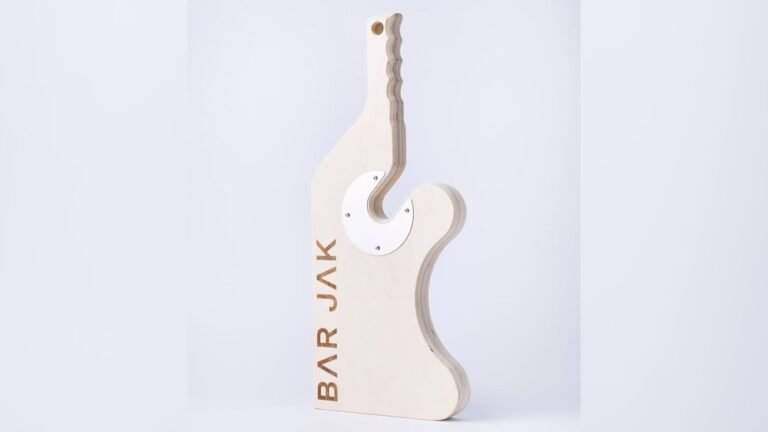
The Fishhook Style Jack
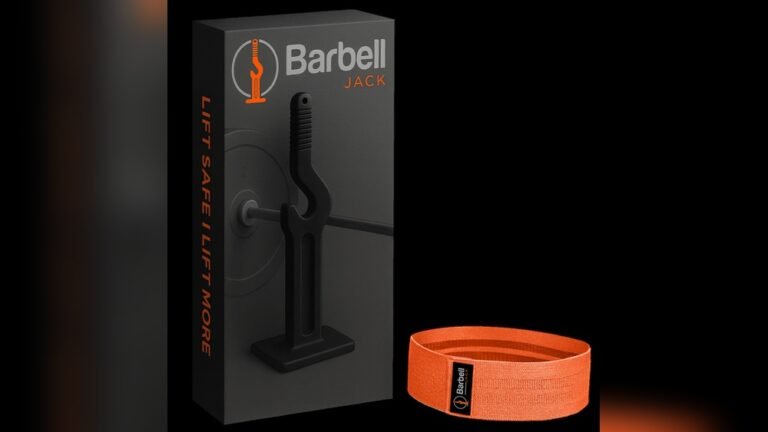
The Fishhook style deadlift jack uses a curved metal or wooden hook. This hook fits under the barbell, lifting it off the ground. It is easy to make with basic tools. The shape helps to lift the bar smoothly without slipping. Many find this design quick to build and reliable for daily use.
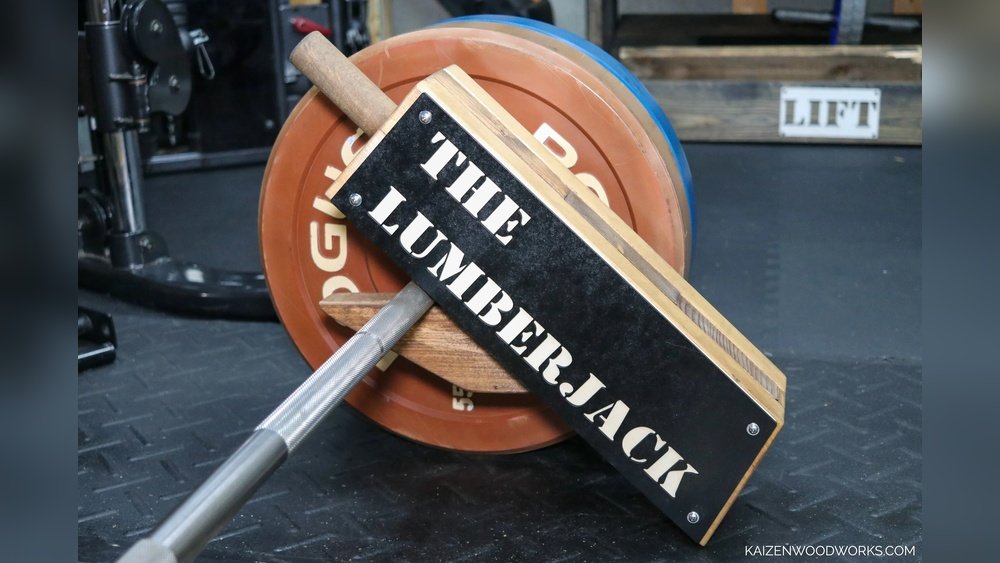
The Lumberjack Wooden Jack
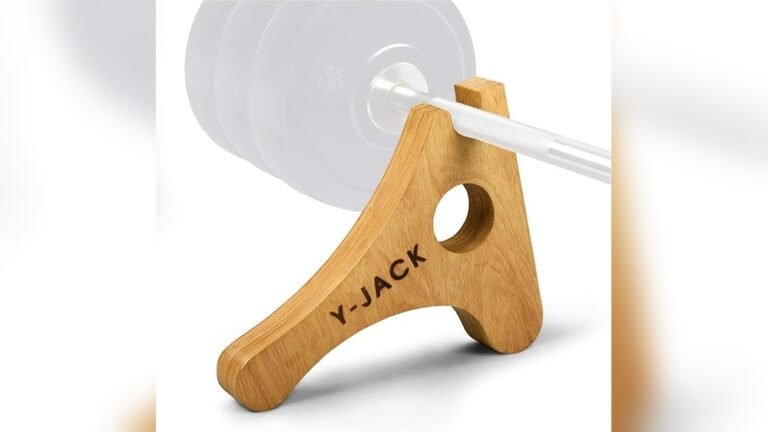
The Lumberjack wooden jack is made from sturdy wood pieces. It often uses screws, wood glue, and bolts for strong assembly. This jack supports heavy weights safely. Its wide base provides extra stability during lifting. Wood is a great material for those who prefer a natural look and feel in their gym.
Mini Deadlift Jack Options
Mini deadlift jacks are compact and portable. They are perfect for small spaces or travel. These jacks lift the bar just enough for easy plate changes. Some versions use metal rods or small wooden blocks. Mini jacks are light but strong enough for most deadlift bars. They help keep your gym organized and efficient.
Tips For Safe Deadlift Loading
Loading weights on a deadlift jack can be tricky without the right approach. Unsafe loading can cause injury or damage your equipment. Follow these simple tips to keep your deadlift loading safe and smooth. Proper technique helps protect your hands, back, and plates.
Proper Positioning Of The Jack
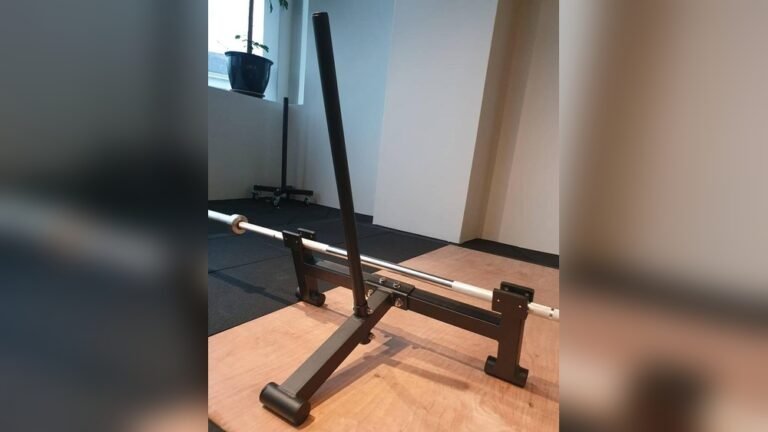
Place the deadlift jack close to the barbell’s center. Ensure it sits on a flat, stable surface. Align the jack under the bar’s sleeve to lift evenly. Avoid placing the jack on uneven ground. This prevents wobbling and sudden shifts. Check that the jack lifts the bar smoothly before adding plates.
Handling Heavy Plates Safely
Lift plates using your legs, not your back. Keep your back straight and bend your knees. Hold plates close to your body to maintain control. Use both hands to grip the plates firmly. Avoid rushing or dropping plates near the jack. Move plates slowly to prevent accidents or damage.
Avoiding Common Mistakes
Never overload the jack beyond its weight limit. Avoid lifting the barbell by the jack handle alone. Keep fingers clear of pinch points while loading. Do not stack plates unevenly on one side. Always double-check that collars are secure before lowering the bar. These habits reduce risks and improve safety.
Credit: homegymvaulteurope.com
Frequently Asked Questions
What Materials Are Best For A Diy Deadlift Jack?
Wood, metal pipes, screws, nuts, and bolts are ideal materials. These provide durability and support for heavy weights. Choose sturdy, quality materials to ensure safety and long-lasting use in your home gym setup.
How Does A Deadlift Jack Improve Workout Efficiency?
A deadlift jack lifts the barbell slightly off the ground. This makes adding and removing weight plates easier and faster. It minimizes strain and speeds up your deadlift setup process.
Can I Build A Deadlift Jack Without Power Tools?
Yes, simple deadlift jacks can be built using hand tools like saws and drills. However, power tools speed up the process and improve precision. Choose the method that fits your skill and tool availability.
What Safety Tips Apply When Using A Diy Deadlift Jack?
Always ensure the jack is stable before lifting the barbell. Check for cracks or loose parts regularly. Use the jack on flat, solid surfaces to prevent slipping or tipping.
Conclusion
Building your own deadlift jack saves time and effort during workouts. Simple materials and tools make the process easy and affordable. These DIY hacks help lift heavy plates safely and smoothly. Experiment with designs to find what fits your space best.
Small improvements can make loading weights less stressful. Keep safety in mind while crafting and using your jack. Enjoy smoother, faster deadlift sessions with your homemade tool. Give it a try and see the difference yourself.
I am a certified fitness coach with over 10 years of experience helping people improve their strength, endurance, and overall health. Specializes in workout programming, weight training, fat loss, muscle building, home fitness, and evidence-based nutrition.My goal is to make fitness simple and practical through well-researched guides, honest product reviews, and actionable training advice.